


Aluminum Alloy Screen Production and Jacquard Machine Manufacturer
Achieving consistent tension and precision in aluminum alloy window screen production requires more than just a standard loom; it demands a synchronized system of warping and weaving. For industrial producers, the transition from raw aluminum wire to a finished, flat mesh surface depends heavily on the stability of the initial winding process. When the warp yarn is unevenly distributed, the resulting fabric often suffers from sagging or irregular hole sizes, which can lead to significant material waste and quality rejection.
This technical guide examines the synergy between high-precision warping machinery and upgraded weaving looms. By integrating photoelectric protection and magnetic powder brakes, manufacturers can ensure that the warp tension remains uniform throughout the production cycle. We will explore how specific technical parameters—such as winding speeds of 500-600 meters per hour and weaving speeds of 180 times per minute—directly impact the output efficiency and the structural integrity of the mesh, providing a roadmap for optimizing production lines in the specialized textile machinery sector.

The Critical Role of Precision Warping in Aluminum Mesh Production
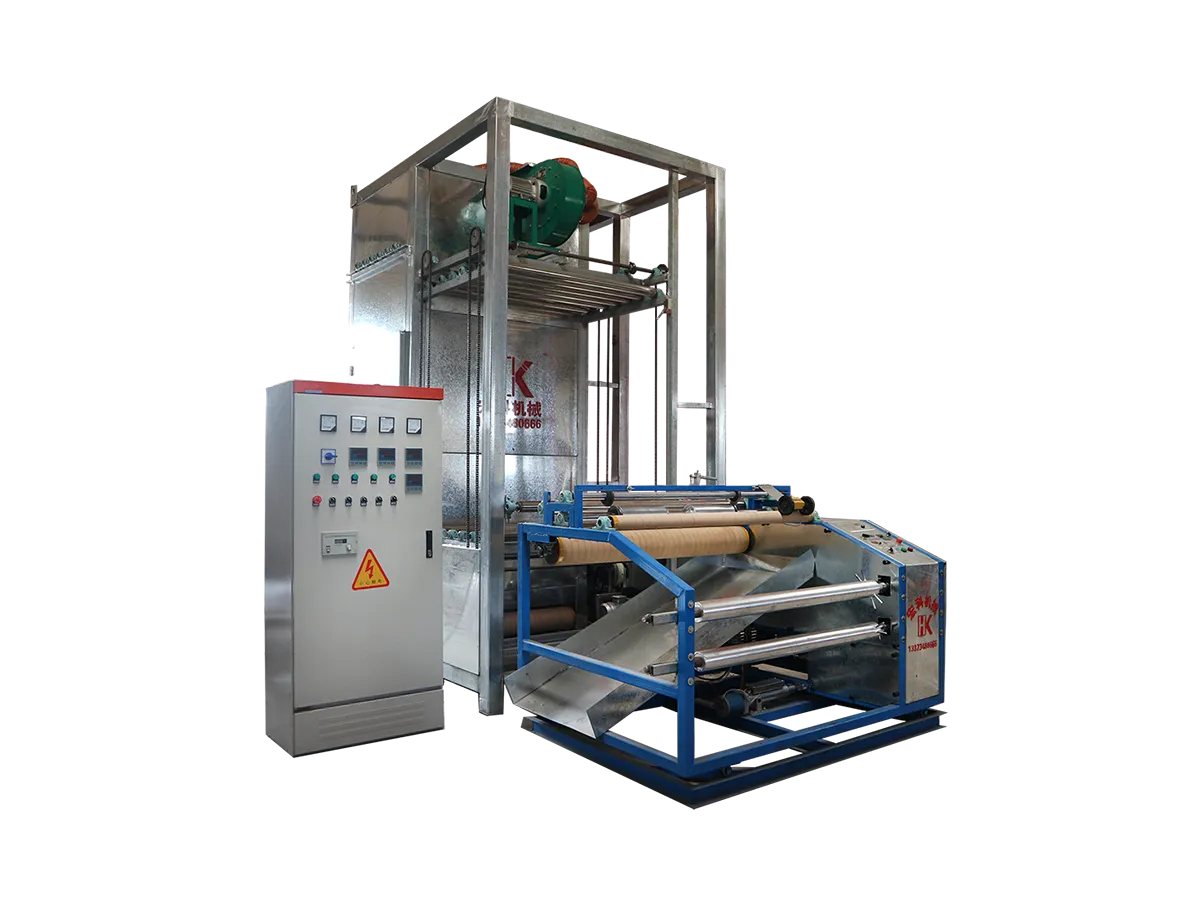
The warping process is the foundational stage of weaving, where aluminum wires are wound onto warp shafts. Unlike standard textile yarns, aluminum wires possess specific elasticity and surface friction characteristics that require precise tension control to avoid stretching or snapping. The use of a magnetic powder brake is essential here, as it allows for micro-adjustments in tension, ensuring that every single wire is placed in a strict arrangement order.
Technical stability is further enhanced through the implementation of the Hongke control system, which integrates infrared stops and photoelectric protection. These safety and monitoring features prevent machine downtime by detecting wire breaks in real-time, automatically halting the process to prevent the creation of defective mesh sections. With a winding speed ranging from 500 to 600 meters per hour, the machinery balances high-volume throughput with the delicacy required for thin-gauge aluminum wires.
For operators, the shift toward high automation means simpler operation and reduced human error. When the warp tension is perfectly uniform, the subsequent weaving stage becomes significantly more efficient, as the loom does not have to compensate for variations in wire tautness. This results in a higher yield of first-grade mesh and a reduction in overall operational costs.

Engineering the Weaving Process for Flat Mesh Surfaces
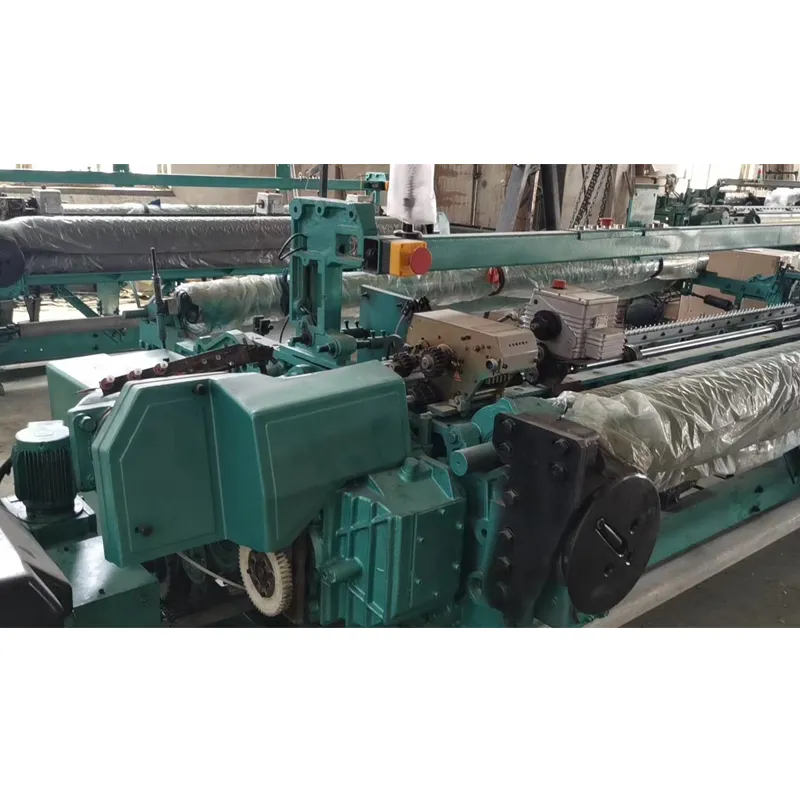
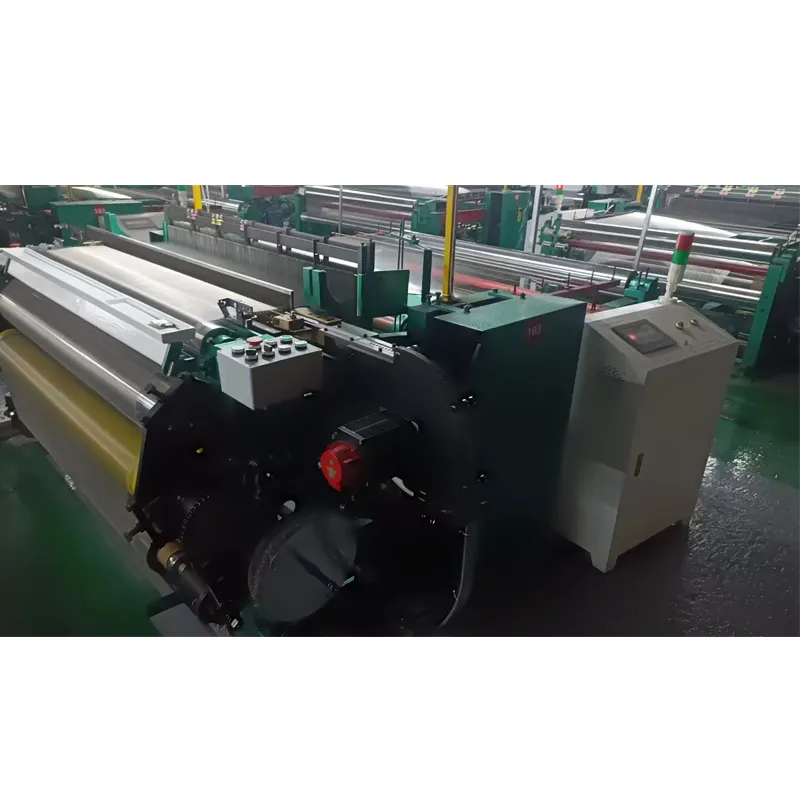
Once the warp shafts are prepared, the weaving machine transforms the wires into aluminum alloy window screens. The primary engineering challenge in this stage is maintaining a flat mesh surface and ensuring that folded edges remain uniform and neat. Modern technological upgrades have allowed for a significant increase in production efficiency, with the 280 Type model achieving speeds of 150-180 times per minute.
The versatility of the equipment allows for the production of various mesh densities, most notably the 30-6 mesh and 10-32 mesh. These specifications are critical for meeting different filtration and ventilation requirements in architectural applications. The structural stability of the machine—weighing approximately 3.8 tons—minimizes vibration during high-speed operation, which is key to preventing shifts in the weave pattern.
From a power consumption perspective, the 4.5 KW requirement for the weaving unit reflects an optimized balance between mechanical force and energy efficiency. By refining the interlocking mechanism of the warp and weft threads, the machinery ensures that the resulting screen is not only durable but also visually consistent across the entire width of the fabric.
Operational Considerations for Optimizing Production Yield
Maximizing the ROI of a weaving line requires a deep understanding of the relationship between machine settings and material properties. Operators must calibrate the tension requirements based on the specific alloy grade of the aluminum wire being used. Over-tensioning can lead to wire deformation, while under-tensioning results in a loose weave that fails quality inspections for window screen applications.
Key operational checkpoints include:
- Alignment Verification: Ensuring the warp shafts are perfectly parallel to prevent skewing in the final mesh.
- Brake Calibration: Regularly testing the magnetic powder brake to maintain consistent winding tension.
- Photoelectric Sensor Cleaning: Maintaining sensors to ensure infrared stops trigger immediately upon wire failure.
Integrating these machines into a wider production line—including fiberglass and PE/PPE/PET screen production—allows a factory to diversify its product offering. The ability to switch between different mesh hole sizes (such as 10-32) allows a manufacturer to respond quickly to market demands for varying degrees of insect protection and airflow.
Technical Specifications Comparison: Warping vs. Weaving Units
| Technical Metric | Warping Machine (260/280) | Weaving Machine (280 Type) | Operational Impact |
|---|---|---|---|
| Power Consumption | 15 KW | 4.5 KW | Energy distribution per unit |
| Weight / Mass | 2 Tons (excl. rack) | 3.8 Tons | Vibration dampening capability |
| Max Speed | 600 meters/hour | 180 times/minute | Overall production throughput |
| Control System | Hongke / Photoelectric | Technological Upgrade | Automation and error reduction |
| Primary Output | Uniform Warp Shafts | Flat Aluminum Alloy Mesh | Final product quality grade |
Selecting the Right Machinery for Industrial Scaling
When scaling production, procurement managers often face the choice between specialized high-speed lines and multi-purpose looms. For those focusing on aluminum alloy screens, the priority should be on the "stability-to-speed" ratio. A machine that runs at 180 times per minute is only valuable if the resulting mesh is flat and the edges are neat; otherwise, the speed merely increases the rate of waste production.
Evaluating a supplier involves looking beyond the technical data sheet. The ability to provide on-site installation and technical support is paramount. For instance, having technicians with the necessary documentation to travel internationally ensures that complex setups—like the synchronization of the warping and weaving units—are handled correctly from day one, reducing the risk of initial calibration errors.
Furthermore, the compatibility of the machinery with different materials (fiberglass, aluminum, or PET) determines the future flexibility of the plant. Investing in a modular system that can be adapted for fireproof cloth or window screen production provides a strategic advantage in a fluctuating construction market.
Future Trends in Mesh Weaving Automation
The industry is moving toward fully integrated "smart factories" where the warping and weaving stages communicate in real-time. Future iterations of control systems are expected to incorporate AI-driven tension adjustment, where the machine automatically compensates for variations in wire diameter or material elasticity without manual intervention.
Sustainability is also becoming a core driver. Reducing power consumption while increasing output speed is a primary goal for engineers. The current 4.5 KW weaving model sets a benchmark, but further reductions in energy per square meter of mesh are anticipated through the use of lightweight composite components and more efficient motor drives.
As global demand for energy-efficient buildings grows, the requirement for specialized aluminum screens with precise hole sizes will increase. This will push the industry toward even higher precision in mesh hole configurations, necessitating more advanced jacquard machine manufacturer technologies to handle intricate patterns and functional weaves.
Technical FAQs for Aluminum Weaving Equipment
What is the primary advantage of using a magnetic powder brake in warping machines?
The magnetic powder brake allows for precise, stepless adjustment of the winding tension. This is critical for aluminum wires to prevent stretching or uneven distribution, ensuring the warp yarn is perfectly arranged for the weaving process.
How does the photoelectric protection system improve production efficiency?
It monitors the wire in real-time and triggers an infrared stop the moment a wire breaks. This prevents the loom from continuing to weave with a missing thread, which would otherwise result in a large section of unusable, defective mesh.
Which mesh hole sizes are most commonly produced by the 280 Type weaving machine?
The machine is optimized for producing aluminum alloy window screens with hole sizes typically ranging from 30-6 mesh and 10-32 mesh, depending on the customer's specific ventilation and protection needs.
What is the expected winding speed for the warping machine models 260 and 280?
These models typically operate at a winding speed of 500 to 600 meters per hour, providing a high-output solution while maintaining the necessary tension stability for aluminum wires.
Why is the weight of the weaving machine (3.8 tons) significant for quality?
The substantial weight provides the necessary inertia and stability to dampen vibrations during high-speed operation (up to 180 times per minute), which ensures the mesh surface remains flat and the edges are uniform.
Can these machines be used for materials other than aluminum?
Yes, while these specific parameters focus on aluminum, the broader machinery range from Anping Hongke includes equipment for fiberglass, PE, PPE, PET, and other woven roving materials.
Technical References & Industry Standards
- ISO Standards for Industrial Textile Machinery
- Global Trends in Specialized Weaving Technology
- ASTM Material Specifications for Aluminum Alloy Wires
- Industrial Machinery Safety and Photoelectric Protection Guidelines
For industrial producers seeking to optimize their aluminum mesh production, the synchronization of high-stability warping and high-efficiency weaving is the only way to ensure consistent quality. By prioritizing automation and precision tension control, you can significantly reduce waste and increase your market competitiveness.
Related Production Equipment