
wx
weixin
email
tel
goTop

Advanced fiberglass weaving machine Solutions for Peru's Industrial Sector

Empowering Peruvian manufacturers with high-precision weaving technology for fiberglass and carbon fiber composites to drive infrastructure and architectural innovation.

Advanced fiberglass weaving machine Solutions for Peru's Industrial Sector

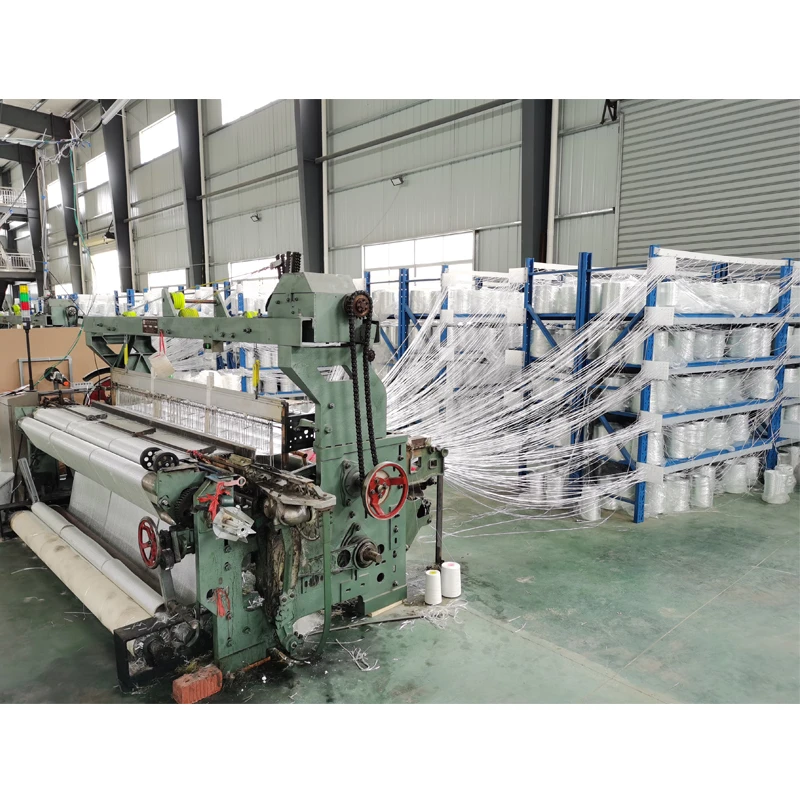
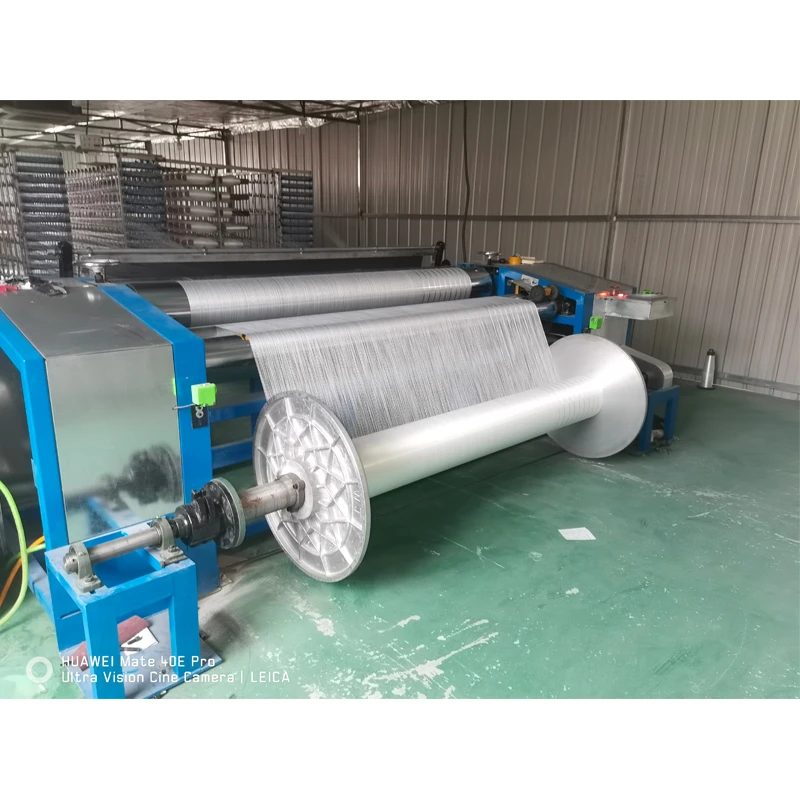
We provide Peru with state-of-the-art textile machinery designed specifically for the production of high-strength fiberglass and carbon fiber materials, ensuring durability in diverse climatic conditions.

Industrial Landscape of Fiberglass Manufacturing in Peru

Analyzing the synergy between Peruvian geographic demands and advanced composite weaving.

In Peru, the demand for reinforced composites is driven by the construction boom in Lima and the intensive mining operations in the Andes. The industry is shifting toward the local production of glass fiber woven roving to reduce reliance on expensive imports and to ensure materials can withstand the high humidity of the coast and the extreme altitude of the highlands.

The prevalence of seismic activity in the region has pushed the architectural sector to adopt fiberglass-reinforced polymers. Consequently, the need for a reliable fiberglass mesh machine has increased, allowing local factories to produce anti-crack meshes that provide essential structural stability to Peruvian buildings.

Moreover, the burgeoning aerospace and specialized automotive sectors in South America are creating a niche market for high-performance carbon fiber fabric, moving Peru from a consumer of finished goods to a regional hub for technical textile manufacturing.
Evolution and Trajectory of Weaving Technology in Peru

From manual looms to automated high-speed composite weaving systems.

Market Development History

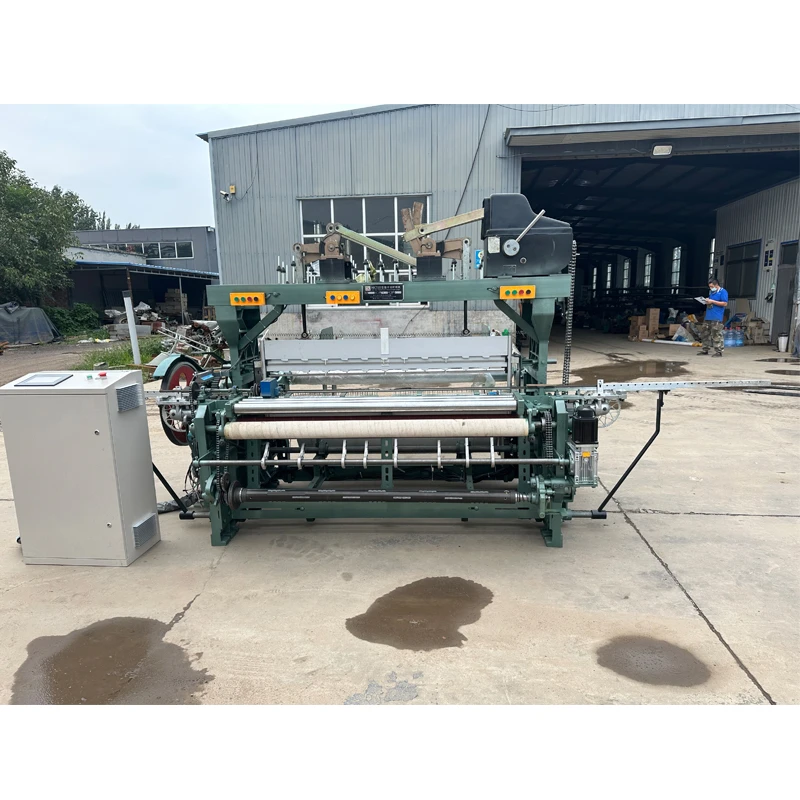
Historically, the Peruvian textile industry focused on organic fibers. However, by the early 2000s, the introduction of basic industrial looms allowed for the first iterations of fiberglass window screen production, primarily serving the residential market in urban centers.

Between 2010 and 2020, the shift toward "Industry 4.0" saw the adoption of PLC-controlled machinery. This transition allowed for tighter tolerances and higher speeds, enabling the local production of complex weaves used in industrial filtration and marine applications along the Pacific coast.

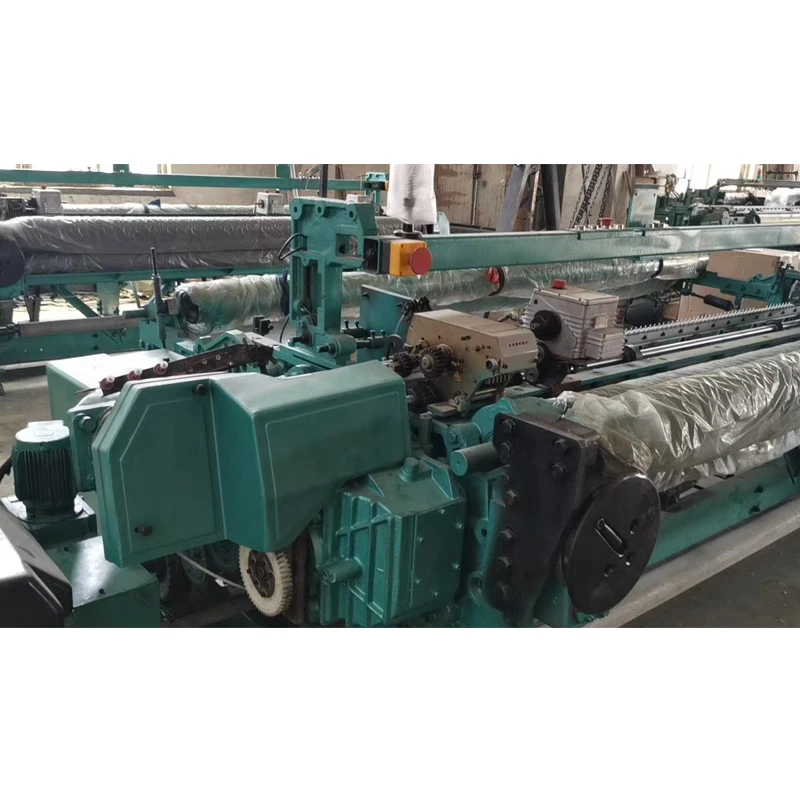
Today, the market has evolved into a high-precision era where digitalization and servo-motor technology dominate, allowing for the seamless integration of carbon and glass fibers into multi-axial fabrics.

Future Development Trends

Integration of IoT in Production

We anticipate that Peruvian factories will implement real-time monitoring systems within their weaving lines to reduce waste and optimize energy consumption during the production of composite fabrics.

Sustainable Fiber Sourcing

There is a growing trend toward combining recycled fiberglass with virgin fibers, requiring machinery that can handle varying yarn tensions and diameters without compromising fabric integrity.

Hyper-Automation in Specialized Fabrics

The next 3-5 years will see a surge in demand for fully automated lines that can switch between different weave patterns instantly, catering to the bespoke needs of the Peruvian mining and energy sectors.

Industry Trends and Future Outlook for Peru

Strategic forecasts for the fiberglass and carbon fiber weaving sector.

Smart Manufacturing Adoption
Transitioning to AI-driven quality control to minimize defects in technical textiles.
Composite Material Diversification
Expanding from simple glass fiber to hybrid weaves including Aramid and Carbon.
Green Energy Infrastructure
Using fiberglass fabrics for wind turbine blade production in Peru's coastal regions.
Urbanization Demand
Increased requirement for high-durability window screens in high-rise developments.

Industry Outlook

Based on Google search trends in South America, there is a significant rise in queries related to "lightweight high-strength materials" and "automated weaving technology," indicating that Peru is moving toward a specialized manufacturing model. The focus is shifting from mass-produced generic meshes to high-margin, engineered fabrics.

We predict that the Peruvian market will prioritize machinery that offers multi-material capability, allowing operators to switch between carbon fiber fabric and fiberglass roving on a single platform to maximize operational efficiency and ROI.

Localized Application Scenarios in Peru

Real-world implementations of fiberglass and carbon fiber technologies across Peru.

01. Seismic Reinforcement in Lima Architecture

Using specialized mesh produced by a fiberglass mesh machine to create reinforced plaster walls that absorb seismic shocks, essential for safety in Peru's earthquake-prone zones.

02. Mining Equipment Protection in the Andes

Applying heavy-duty glass fiber woven roving to reinforce the shells of mining machinery, protecting them from abrasive dust and extreme temperature fluctuations in high-altitude mines.

03. Coastal Marine Infrastructure Development

Manufacturing corrosion-resistant fiberglass composites for pier reinforcements and boat hulls along the Peruvian coast, utilizing high-tension weaving for maximum saltwater resistance.

04. Urban Insect Control and Ventilation

Mass production of fiberglass window screen for residential complexes in tropical regions of Peru, providing a durable, weather-resistant barrier against insects.

05. High-Performance Automotive Tuning

Utilizing carbon fiber fabric for the production of lightweight body panels and interior components for the growing luxury automotive modification market in Peruvian cities.

Brand Story

The Global Development Journey of Anping Hongke Wire Mesh Machinery Co., Ltd.

Founding Vision

Established to bridge the gap between traditional weaving and modern composite technology, focusing on precision engineering for industrial meshes.

Technical Breakthroughs

Developed proprietary tension-control systems that solved the common problem of edge curling in high-speed fiberglass weaving.

Global Expansion

Expanded operations to South America, tailoring machinery to withstand the specific environmental and electrical conditions of the Peruvian market.

Innovation Leadership

Pioneered the integration of carbon fiber capabilities into standard fiberglass looms, reducing costs for emerging manufacturers.

Mission for Tomorrow

Committed to providing the Peruvian industrial sector with the tools to build a more resilient and sustainable built environment.

Complete Product Portfolio for the Peruvian Market

A comprehensive range of machinery for every stage of composite textile production.

Frequently Asked Questions in Peru

Expert answers to common technical and commercial queries from our Peruvian clients.

How do I choose the right fiberglass mesh machine for seismic reinforcement products?

For seismic applications, you need a machine capable of producing consistent aperture sizes and high tensile strength. We recommend our high-precision series that ensures uniform coating and weaving density.

Can one machine produce both carbon fiber fabric and glass fiber weaves?

Yes, our modular weaving machines allow for quick changeovers between different fiber types, provided the appropriate warp beams and tensioning settings are used for carbon or glass fibers.

What is the average lifespan of a fiberglass weaving machine in high-humidity coastal areas like Lima?

With our anti-corrosion coating and regular maintenance, our machines are designed to last 10-15 years even in humid environments, maintaining high precision throughout their lifecycle.

How does glass fiber woven roving differ from standard fiberglass mesh in industrial use?

Woven roving is a heavier, more structural fabric used for reinforcement in FRP composites, whereas mesh is typically used for surface reinforcement or screening applications.

What training is required for operating a high-speed fiberglass window screen production line?

We provide full operational training, including warp setup, PLC programming, and quality inspection, ensuring your team can maximize output with minimal downtime.

Are your machines compatible with Peruvian electrical standards?

Absolutely. All our equipment is customized to meet Peru's voltage and frequency specifications, including the installation of high-quality stabilizers where necessary.

Ready to Upgrade Your Production?

Contact our technical experts today for a customized weaving solution tailored to the industrial requirements of Peru.

Contact Us Now
tel mailto tel goTop

If you are interested in our products, you can choose to leave your information here, and we will be in touch with you shortly.