
wx
weixin
email
tel
goTop

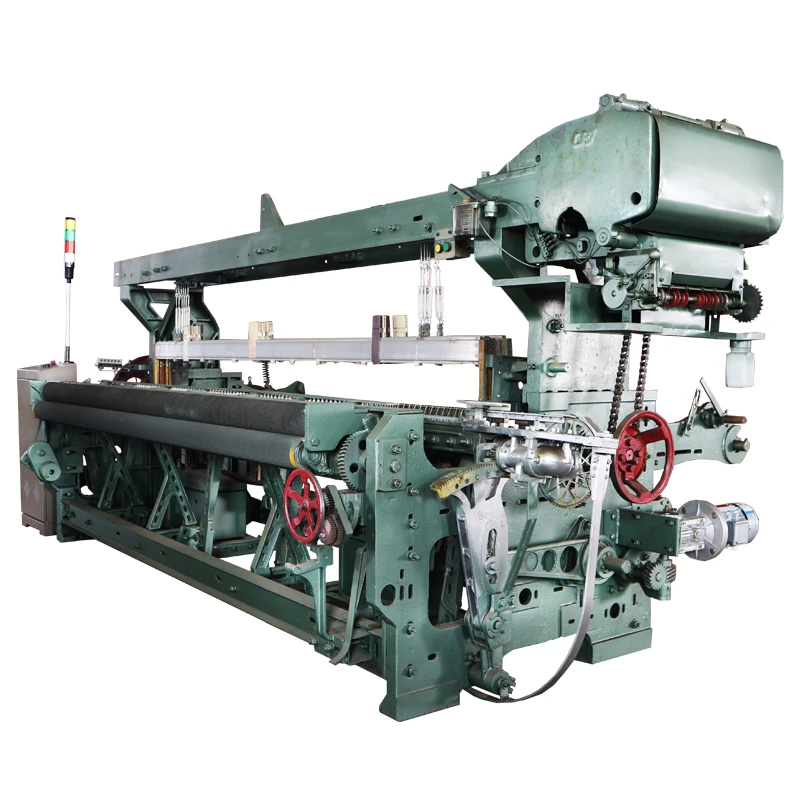
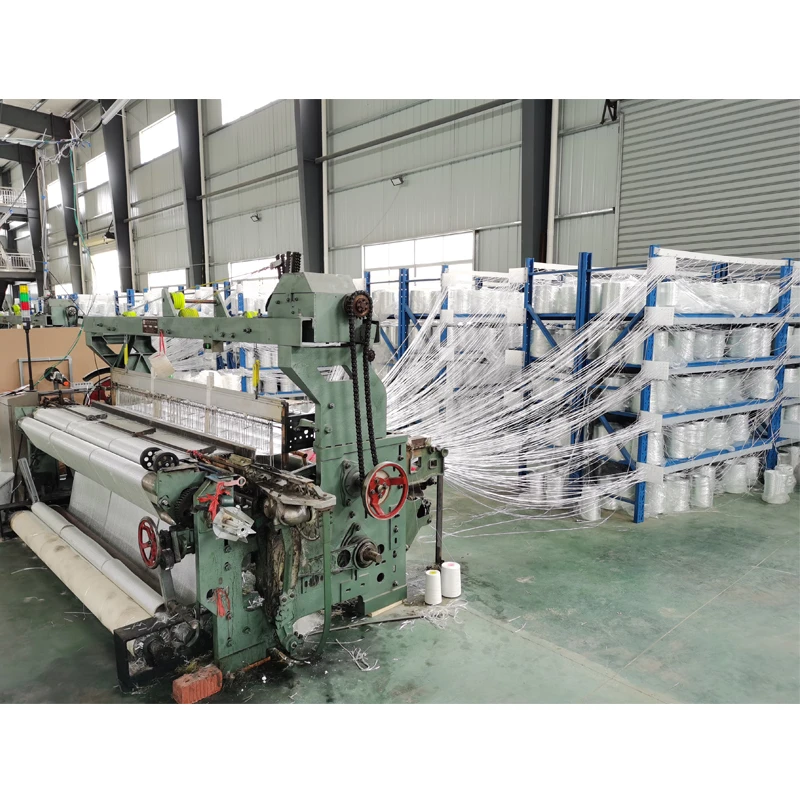
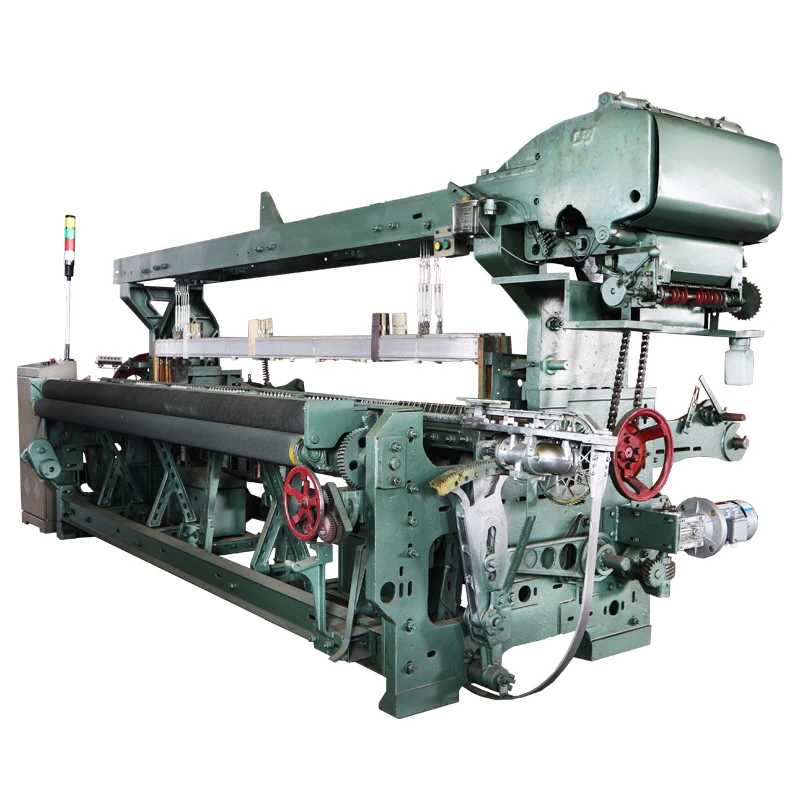
High-Performance fiberglass weaving machine Solutions for Colombia's Industrial Growth

Empowering Colombian manufacturers with advanced textile machinery to produce premium glass and carbon fiber reinforcements for construction and automotive sectors.

High-Performance fiberglass weaving machine Solutions for Colombia's Industrial Growth

Integrating precision engineering with local market demands to optimize the production of industrial fiber fabrics across Colombia.

Industrial Landscape of Fiber Reinforcement in Colombia

Analyzing the intersection of geography and textile machinery demand.

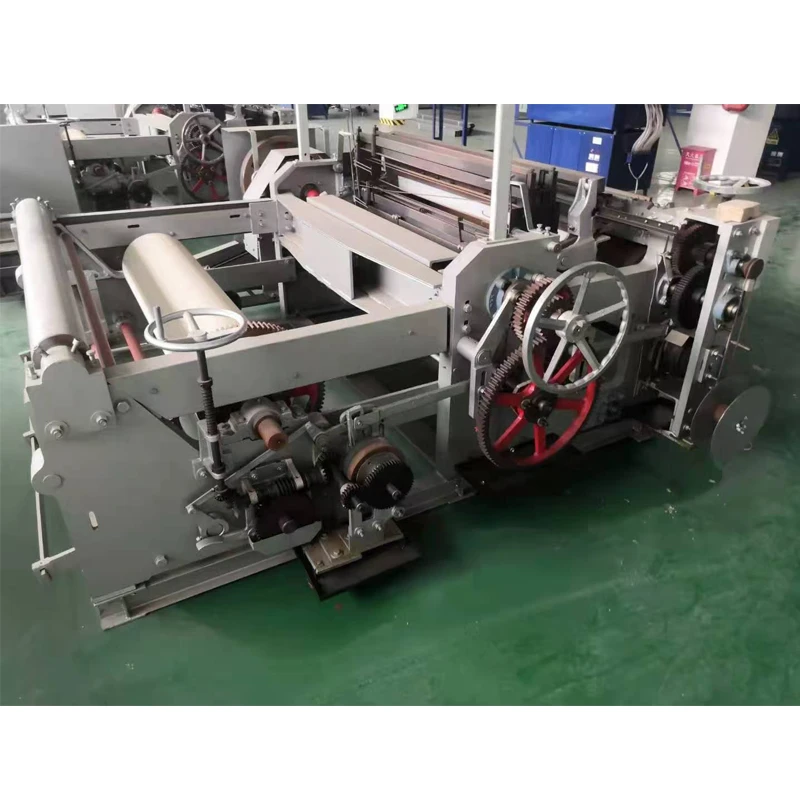
Colombia's unique geography, characterized by diverse climates and seismic activity, has driven a surge in demand for reinforced construction materials. The adoption of fiberglass mesh machine technology is now critical for producing anti-crack meshes used in the country's expanding urban infrastructure projects.

In coastal regions like Cartagena and Barranquilla, the high salinity and humidity levels necessitate materials that resist corrosion. This has led to a localized shift toward glass fiber woven roving, which provides the essential structural integrity for marine applications and chemical storage tanks.

Furthermore, the Colombian automotive and aerospace sectors in Bogota are increasingly seeking lightweight, high-strength materials. The integration of advanced looms to create carbon fiber fabric is becoming a strategic priority for local manufacturers aiming to compete in the global export market.
Evolution of Fiber Weaving Technology in South America

From manual looms to automated precision weaving.

Market Development History

In the early 2000s, the Colombian textile market relied heavily on traditional mechanical looms. Production was limited to simple patterns, and the efficiency of creating a fiberglass window screen was hampered by high waste rates and low operational speeds.

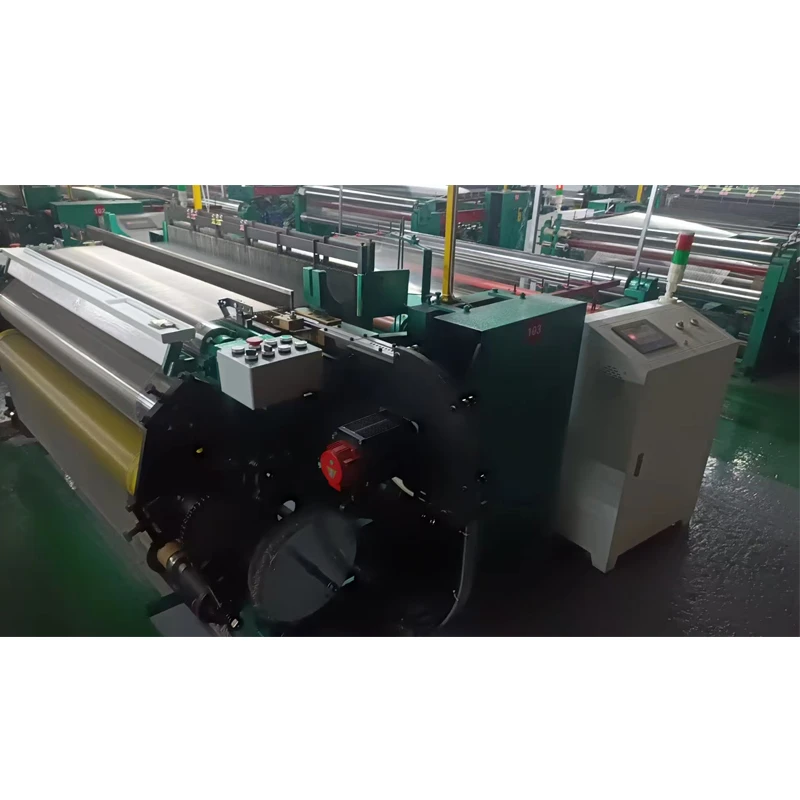
Between 2010 and 2020, the industry underwent a digital transformation. The introduction of PLC-controlled systems allowed for tighter tension control and higher warp densities, enabling the local production of specialized technical textiles and industrial-grade meshes.

Today, the trajectory has moved toward full automation and multi-material compatibility. Modern facilities now employ versatile machines capable of switching between different fiber weights, significantly reducing downtime and increasing output for the regional market.

Future Development Trends

AI-Driven Quality Control

Integrating real-time vision systems to detect weaving defects instantly, ensuring that every meter of fabric meets international aerospace and construction standards.

Eco-Friendly Fiber Processing

A shift toward energy-efficient motors and the integration of recycled glass fibers to align with Colombia's national sustainability goals.

Nano-Composite Integration

Developing the capability to weave nano-coated yarns into traditional fabrics to enhance fire resistance and electrical conductivity.

Strategic Outlook for Fiber Machinery 2025-2030

Predicting the next wave of industrial innovation in Colombia.

Precision Automation
Moving toward zero-defect manufacturing through automated tensioning and robotic winding systems.
Hybrid Material Capability
Machines capable of blending carbon and glass fibers in a single weave for optimized strength-to-weight ratios.
Smart Maintenance (IoT)
Remote diagnostics and predictive maintenance to minimize production halts in Colombian factories.
Modular Scalability
Designing machinery that can be easily expanded as production volume grows with local demand.

Industry Outlook

Based on search trends for advanced composites in South America, we anticipate a 15% annual increase in the demand for high-precision weaving equipment. Colombia is positioned to become a regional hub for specialized fiber fabrics, particularly for the oil and gas sectors.

The convergence of Industry 4.0 and textile manufacturing will allow Colombian firms to move from importing raw fabrics to exporting value-added engineered textiles, leveraging high-efficiency machinery to lower unit costs.

Localized Application Scenarios in Colombia

How our machinery solves real-world challenges in the Colombian market.

01. Anti-Seismic Infrastructure Reinforcement

Using our fiberglass mesh machine to produce high-tensile alkali-resistant mesh for concrete reinforcement in Bogota's seismic zones, preventing structural cracks.

02. Coastal Marine Composite Production

Implementing looms for glass fiber woven roving to manufacture corrosion-proof hulls and pipes for the maritime industries in Barranquilla.

03. High-End Automotive Lightweighting

Utilizing specialized equipment for carbon fiber fabric to develop lightweight chassis components for the Colombian specialty vehicle market.

04. Urban Pest Control & Ventilation

Mass production of durable, UV-resistant fiberglass window screen for residential and commercial buildings in Medellín's tropical climate.

05. Industrial Filtration Systems

Developing customized technical textiles for the Colombian mining sector to filter particulate matter and chemical runoff using high-density fiberglass weaves.

Brand Story

Global Development History of Anping Hongke Mesh Machinery Co., Ltd.

Foundational Engineering

Starting with a focus on precision metallurgy, we identified the critical gap in high-speed weaving efficiency for industrial fibers.

Technological Breakthrough

Developed the first generation of automated looms that solved the issue of fiber breakage during high-tension weaving.

Global Expansion

Extended our reach to South America, tailoring machinery to withstand varying environmental conditions and local power standards.

Industry Standardization

Became a recognized leader in setting the efficiency benchmarks for fiberglass and carbon fiber weaving equipment.

Vision for the Future

Committed to driving the "Green Manufacturing" revolution by creating energy-efficient machinery for the next generation of textile plants.

Comprehensive Fiber Machinery Portfolio for Colombia

A full suite of equipment designed for maximum durability and output.

Common Questions for Colombian Fiber Manufacturers

Expert answers to the most technical challenges in fiber weaving.

How to choose the right fiberglass mesh machine for seismic-grade construction fabrics?

For seismic-grade fabrics, you need a machine with high-precision tension control to ensure uniform mesh density, which prevents weak points in the reinforced concrete.

What is the optimal setup for producing high-density glass fiber woven roving for marine use?

Optimal production requires a heavy-duty loom with reinforced warp beams and specialized sizing guides to handle the thickness of woven roving without fraying.

Can a single fiberglass weaving machine handle both carbon fiber and glass fiber?

Yes, our hybrid-compatible looms allow for the transition between materials, provided the appropriate reed and tension settings are adjusted for the specific fiber modulus.

How do I maintain a fiberglass window screen production line in humid coastal climates?

We recommend using stainless steel components and daily lubrication with anti-corrosive agents to protect the machinery from salt-air degradation.

What is the average lead time for installing a carbon fiber fabric production plant in Colombia?

Typical installation, including shipping, calibration, and operator training, ranges from 8 to 12 weeks depending on the complexity of the automation level.

Does the machinery support customized mesh sizes for specialized industrial filters?

Absolutely. Our machines feature adjustable warp and weft densities, allowing you to customize the pore size and strength for specific filtration requirements.

Consult with Our Fiber Experts Today

Ready to upgrade your production capacity in Colombia? Our engineers are available to design a custom machinery layout for your facility.

Contact Us Now
tel mailto tel goTop

If you are interested in our products, you can choose to leave your information here, and we will be in touch with you shortly.