

wx
weixin
email
tel
goTop

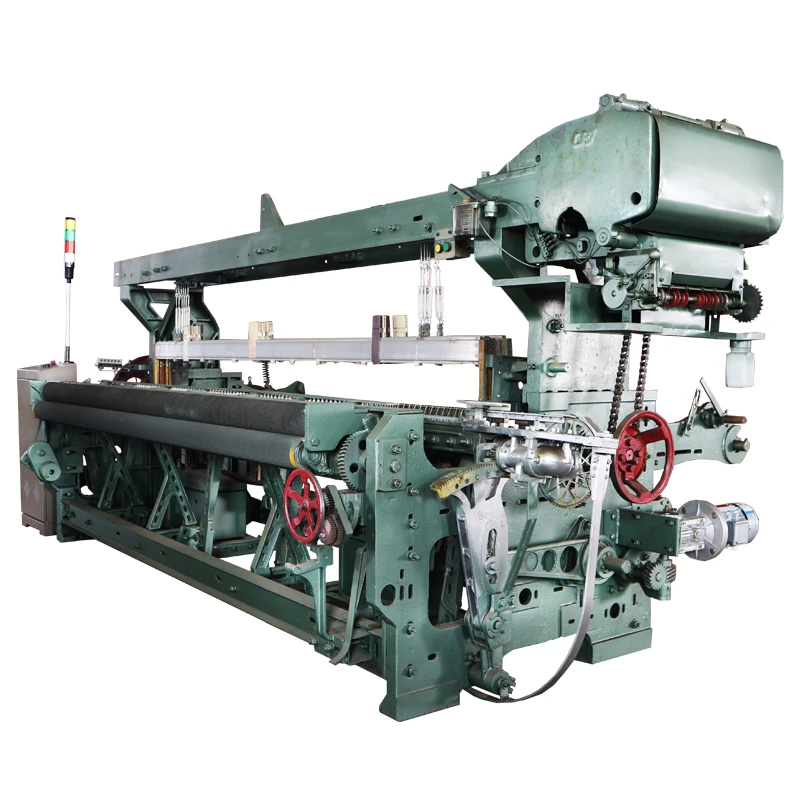
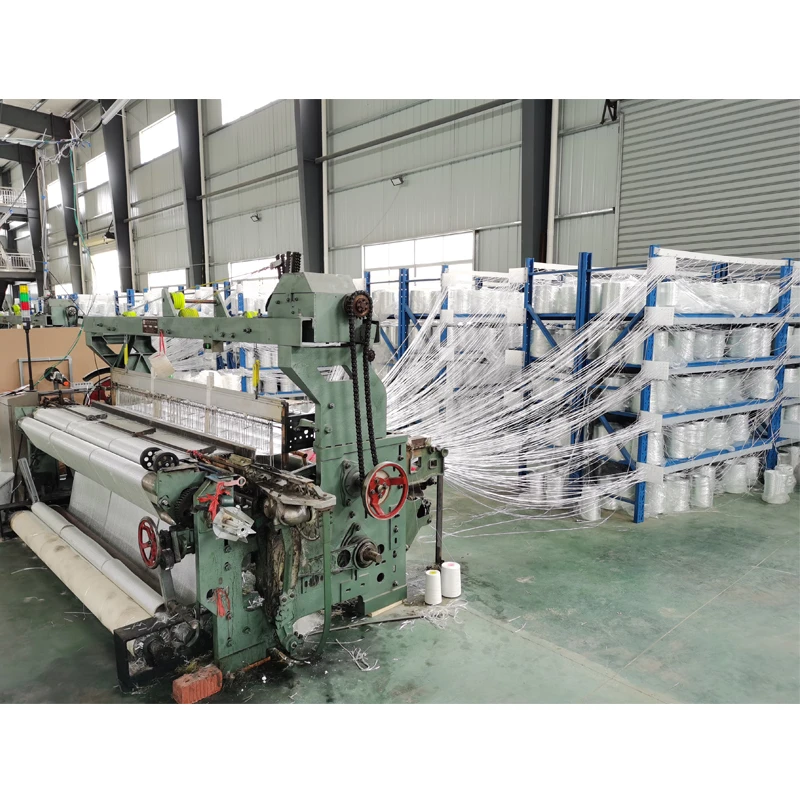
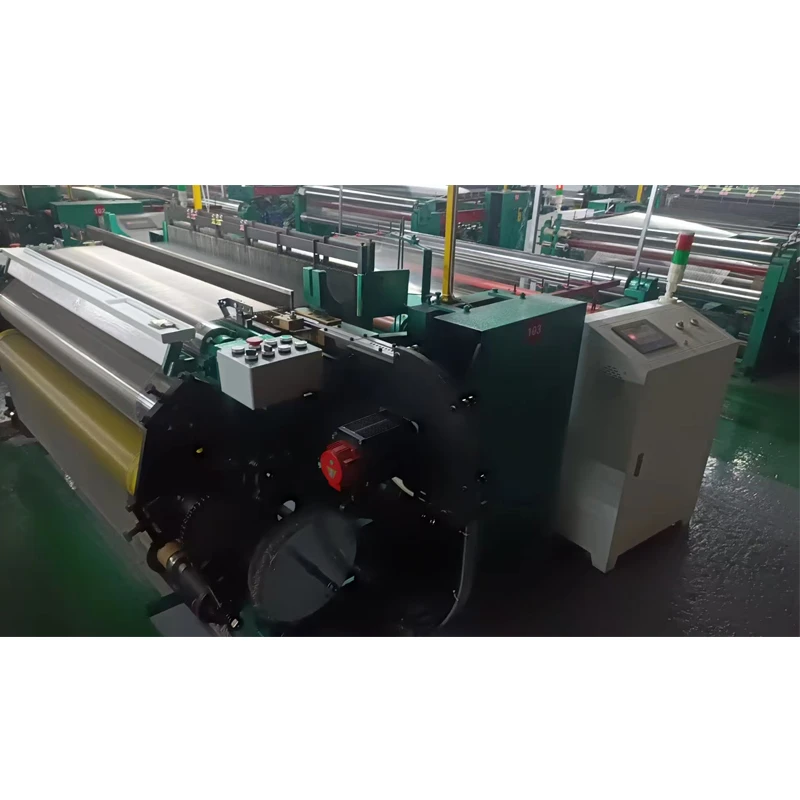
Industrial fiberglass weaving machine Solutions for Argentina

Empowering Argentina's textile and industrial sectors with high-precision weaving technology for high-performance composite materials.

Industrial fiberglass weaving machine Solutions for Argentina

Providing state-of-the-art machinery to produce high-strength glass and carbon fiber fabrics tailored for the Argentinian architectural and automotive markets.

Analyzing Argentina's Fiberglass Mesh Manufacturing Landscape

Addressing the unique challenges of the Southern Cone industrial market.

Argentina's manufacturing sector is currently navigating a transition toward higher automation. In the textile and composite fields, there is a growing demand for fiberglass mesh machine technology to support the construction boom in Buenos Aires and Córdoba, where reinforced materials are essential for seismic stability.

The local climate, characterized by high humidity in the north and temperate zones in the pampas, necessitates the production of high-durability fiberglass window screen products that can withstand UV exposure and atmospheric corrosion without degradation.

Economically, Argentinian producers are shifting from importing finished fabrics to localizing production. This shift is driven by the need to reduce import costs and the increasing adoption of carbon fiber fabric for the expanding aerospace and specialized automotive components industry in the region.
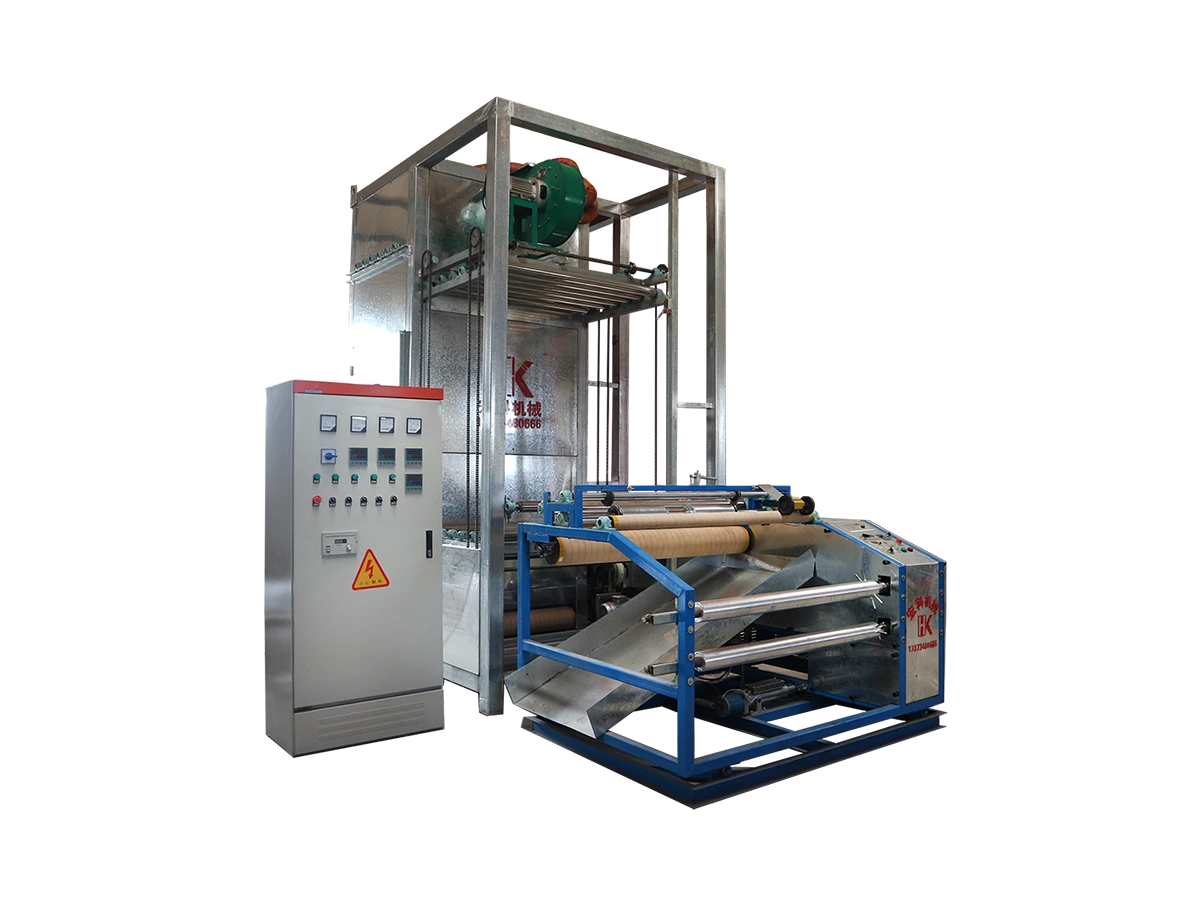
Evolution of Fiberglass Weaving in Argentina

From manual looms to AI-driven automated weaving systems.

Market Development History

Between 1990 and 2005, the Argentinian market relied heavily on traditional mechanical looms and imported fabrics, with limited local capacity for technical textiles. Production was primarily focused on basic industrial filters.

From 2006 to 2015, the introduction of semi-automated equipment allowed for the local production of glass fiber woven roving, supporting the regional marine and boat-building industries along the Atlantic coast.

Since 2016, there has been a rapid pivot toward digitalization. The integration of PLC-controlled fiberglass weaving machine units has reduced waste by 20% and increased the precision of complex weave patterns.

Future Development Trends

Green Manufacturing Integration

Moving toward energy-efficient motors and recyclable components to align with South American sustainability goals.

High-Modulus Material Adoption

Increased demand for carbon-glass hybrid weaves to satisfy the needs of high-performance engineering projects.

Smart Factory Ecosystems

Transitioning to IoT-enabled machinery that allows remote monitoring and predictive maintenance for Argentinian factories.

Industrial Outlook & Technical Trajectory

Forecasting the next 5 years of composite weaving technology in the region.

Automation Surge
Rapid replacement of manual controls with fully automated systems to increase output in Argentina.
Material Diversification
Integration of hybrid fibers like basalt and carbon into standard weaving processes.
Precision Scaling
Moving toward ultra-fine mesh counts for high-end industrial filtration systems.
Eco-Efficiency
Implementation of waste-reduction technologies in the weaving process to meet environmental standards.

Industry Outlook

Google search trends indicate a significant increase in queries related to "sustainable composites" and "automated weaving" within the South American region. This suggests that Argentinian manufacturers are actively seeking technologies that reduce labor costs while increasing material quality.

Over the next 3-5 years, we expect a convergence of additive manufacturing and traditional weaving, allowing for 3D woven structures that are critical for the next generation of aerospace and wind energy components in Argentina.

Localized Applications in Argentina

Real-world implementation of fiberglass weaving solutions across diverse industries.

01. Reinforced Concrete for Urban Infrastructure

Utilizing fiberglass mesh machine produced textiles to prevent cracking in high-rise buildings in Buenos Aires, enhancing structural longevity.

02. Specialized Marine Components in Mar del Plata

Producing heavy-duty glass fiber woven roving for the construction of fishing trawlers and luxury yachts along the coastline.

03. Automotive Weight Reduction in Córdoba

Deploying high-modulus carbon fiber fabric for lightweight chassis components in the regional automotive cluster.

04. Residential Insect Protection Systems

Mass production of weather-resistant fiberglass window screen for the expanding residential housing market in the suburbs.

05. Industrial Filtration for Mining Sectors

Creating high-precision technical meshes used in the filtration of minerals in the Andean mining regions of Northern Argentina.

Brand Story

Global Development Journey of Anping Hongke Wire Mesh Machinery Co., Ltd.

The Foundation of Precision

Established with a vision to solve the instability of early mesh weaving, we focused on high-torque precision engineering.

Technological Breakthroughs

Developed the first generation of fully integrated electronic control systems for fiberglass looms, eliminating manual errors.

Global Market Expansion

Successfully exported machinery to over 50 countries, adapting our technology to the specific industrial needs of South America.

Commitment to R&D

Investing 15% of annual revenue into material science to support the production of advanced carbon and glass composites.

Sustainable Future Vision

Leading the industry toward "Zero-Waste Weaving" by optimizing yarn utilization and energy consumption across all product lines.

Comprehensive Weaving Product Portfolio for Argentina

A complete range of machinery designed for high-efficiency composite textile production.

Frequently Asked Questions in Argentina

Technical support and operational guidance for our regional clients.

How do I select the right fiberglass mesh machine for architectural use?

You should evaluate the required mesh density and width. For Argentinian construction standards, we recommend machines capable of producing alkali-resistant glass mesh with precise aperture control.

What is the difference between weaving carbon fiber fabric and glass fiber?

Carbon fiber requires higher tension control and specialized abrasion-resistant components due to the fragility and stiffness of the filaments compared to glass fiber.

Can the fiberglass weaving machine be customized for different yarn sizes?

Yes, our equipment features adjustable heddles and reed specifications to accommodate various deniers of fiberglass and carbon yarn.

How to maintain a glass fiber woven roving machine in humid climates?

We recommend using anti-corrosive lubricants and maintaining a controlled environment in the warping section to prevent moisture absorption in the sizing agents.

What is the lead time for shipping a fiberglass window screen loom to Argentina?

Depending on the customization level, production takes 30-45 days, with ocean freight to Buenos Aires typically taking an additional 40-60 days.

Does your equipment support the production of hybrid carbon-glass fabrics?

Absolutely. Our advanced weaving machines allow for multiple warp and weft inputs, enabling the creation of high-performance hybrid textiles.

Ready to Upgrade Your Production?

Contact our engineering team today for a tailored technical consultation for your facility in Argentina.

Contact Us Now
tel mailto tel goTop

If you are interested in our products, you can choose to leave your information here, and we will be in touch with you shortly.