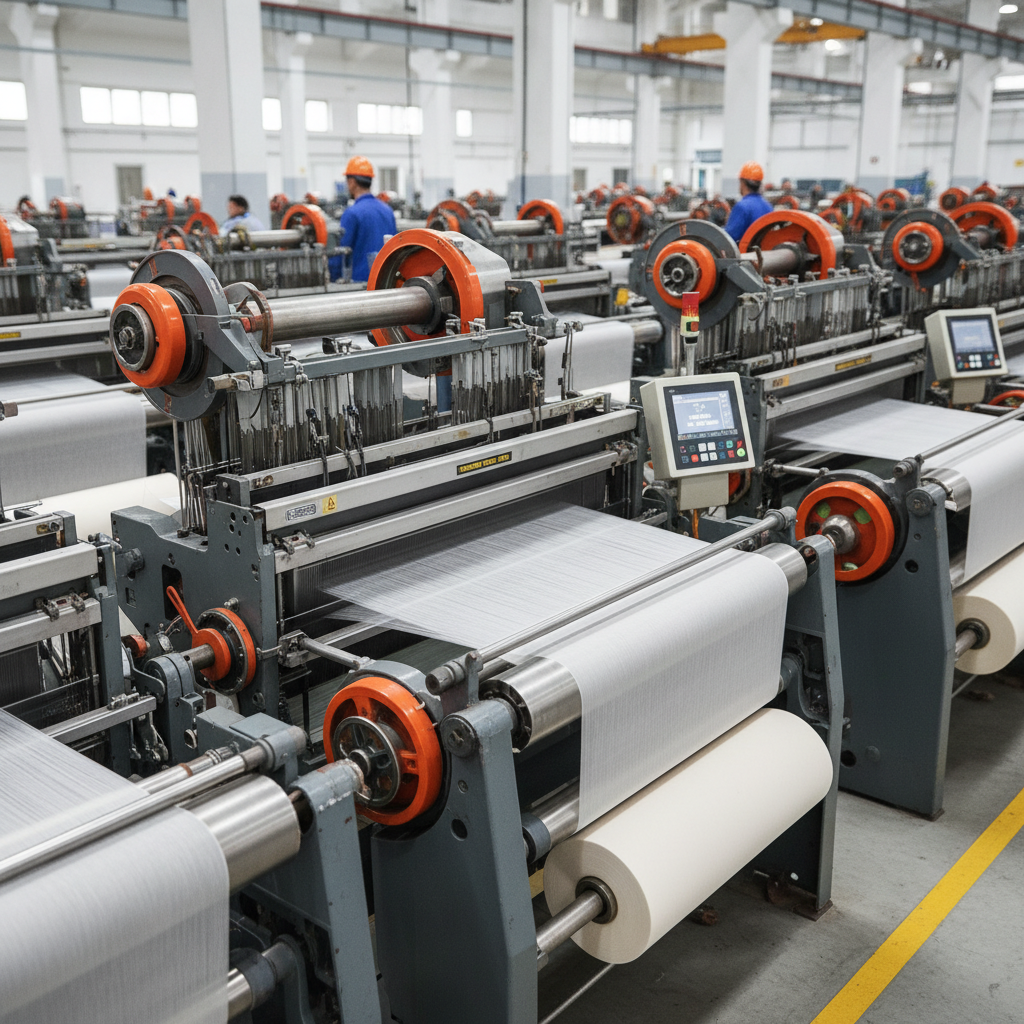
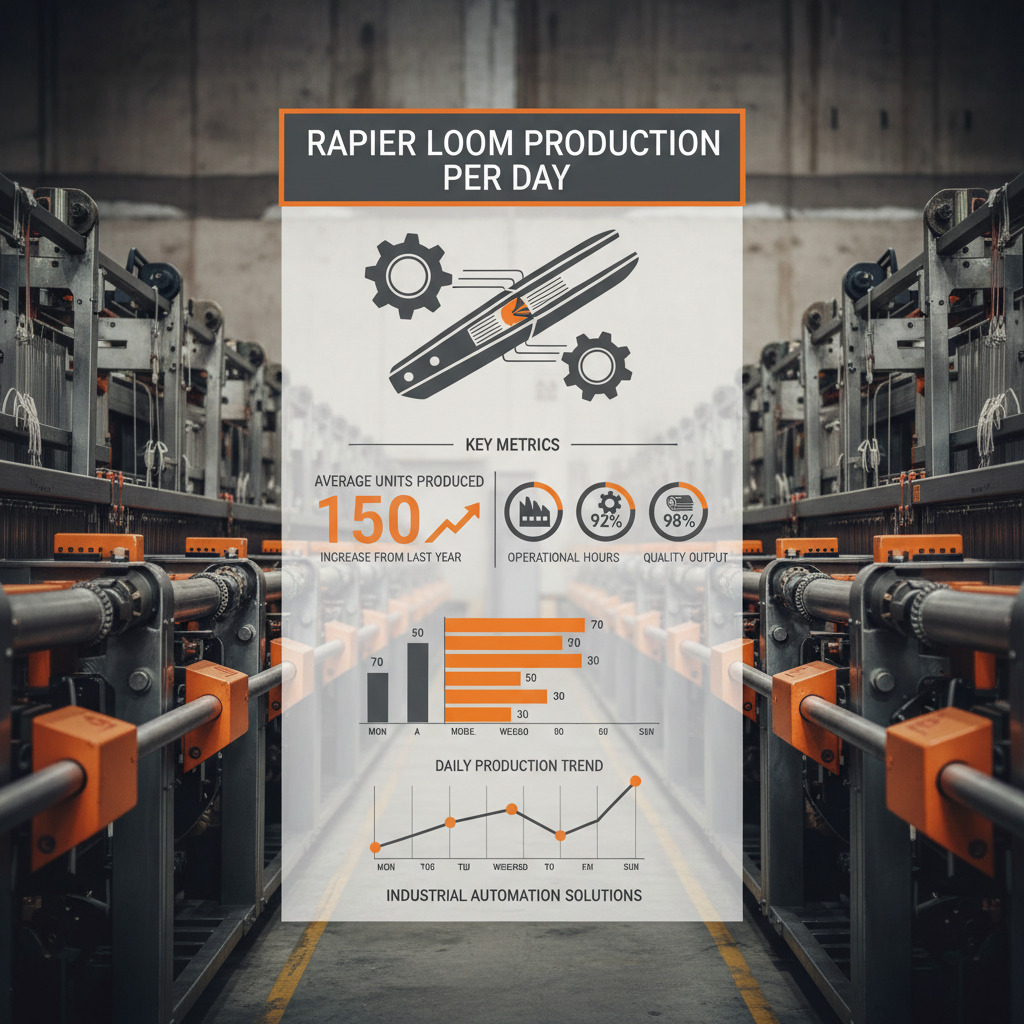
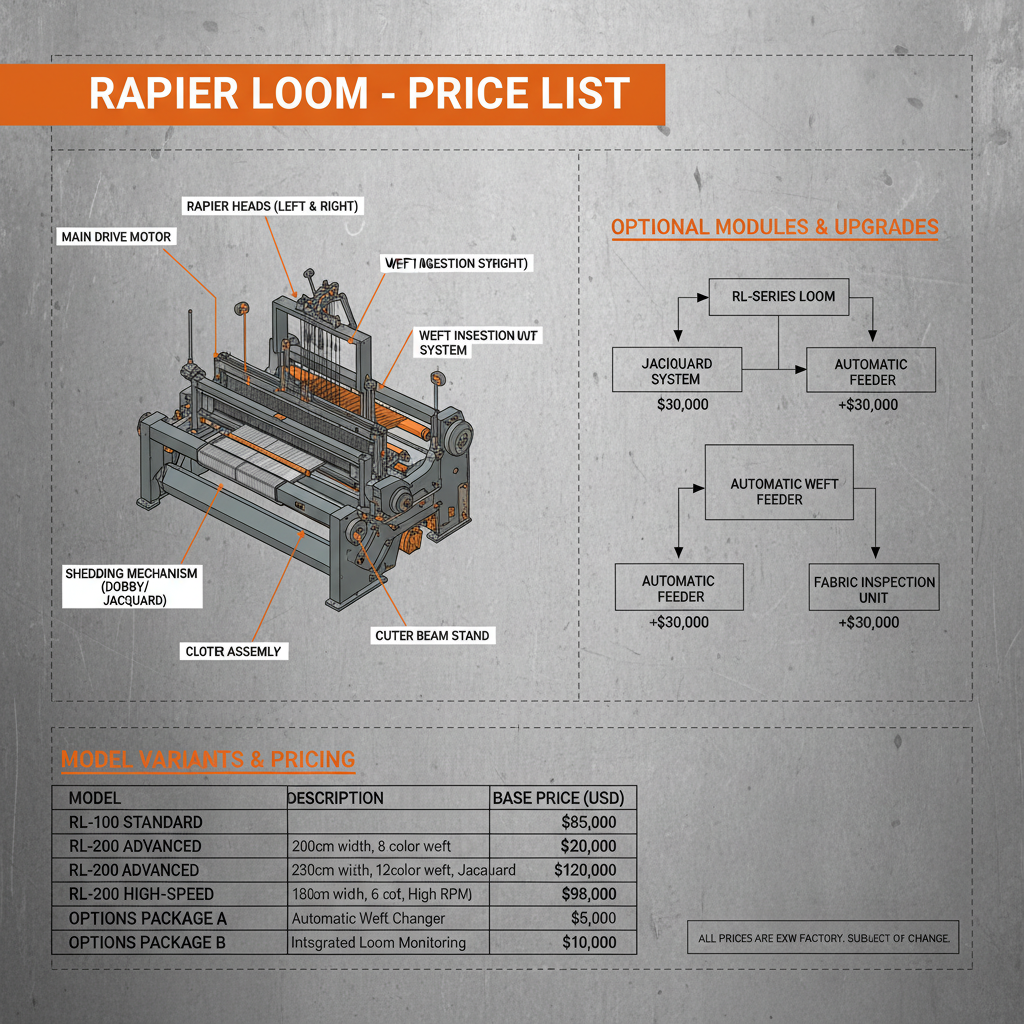
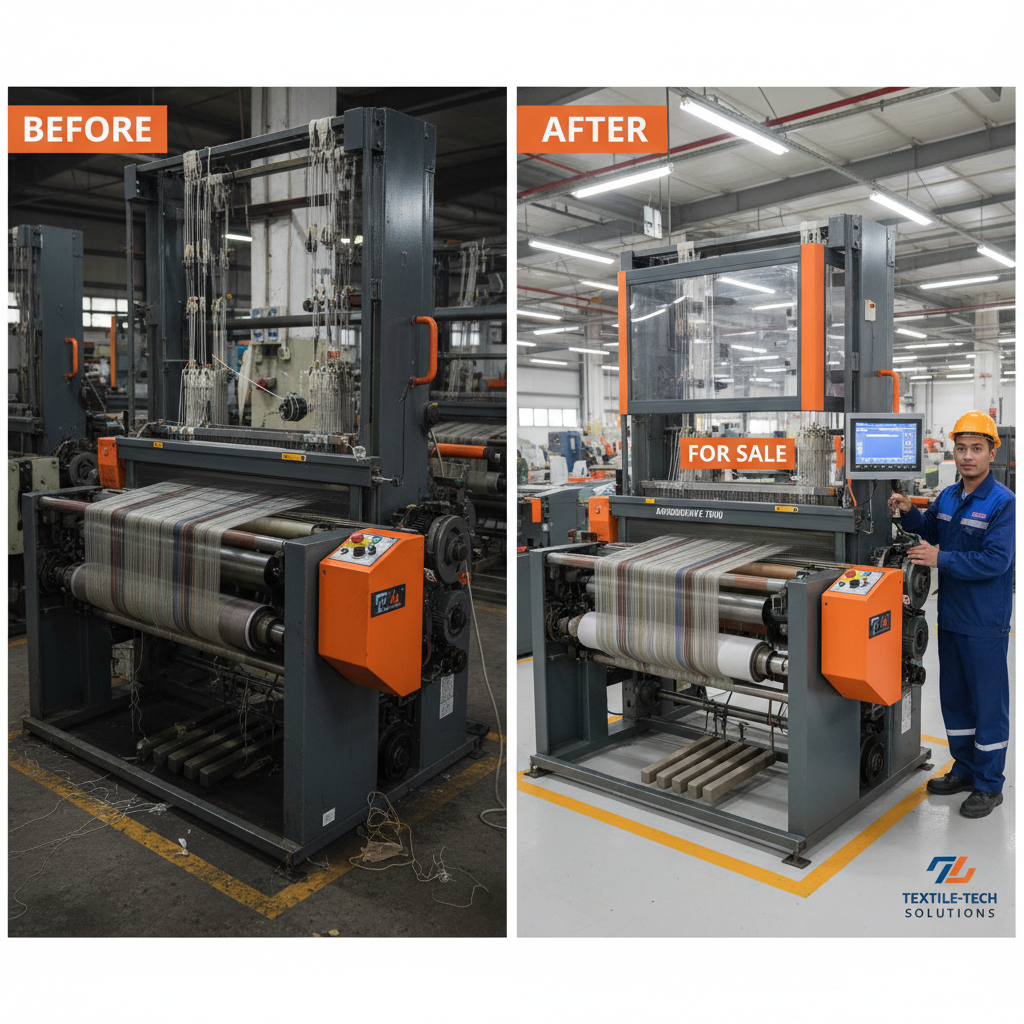
Rapier loom production per day – it’s more than just numbers on a spreadsheet. I’ve spent years walking the floors of textile mills, feeling the vibration of the machines, talking to the weavers, and seeing firsthand how output impacts everything from lead times to profitability. Understanding what drives a consistent, high-volume rapier loom production per day is critical for manufacturers aiming to stay competitive in a global market. It’s about maximizing uptime, minimizing waste, and ultimately, delivering quality fabric efficiently. The impact ripples through the entire supply chain, affecting costs for apparel brands, home furnishings, and even industrial textiles.
We often get caught up in the technology – the latest loom models, the advancements in control systems. But a solid rapier loom production per day isn’t solely reliant on cutting-edge machinery. It's a delicate balance of skilled operators, proactive maintenance, consistent material quality, and optimized production planning. I've seen older looms consistently outperform newer ones simply because of the dedication of the maintenance team and the expertise of the weavers. It’s a system, not just a machine.
And it's a moving target. Shifting market demands, changing fiber types, and even seasonal variations in humidity can all influence the daily output. Staying ahead of these factors requires continuous monitoring, data analysis, and a willingness to adapt. The companies that excel at this – the ones consistently hitting their production targets – are the ones that truly understand their operations from the ground up.
The Significance of Rapier Loom Production per day
From my experience on the shop floor, rapier loom production per day is the heartbeat of any modern textile facility. It directly impacts profitability, customer satisfaction, and the ability to respond to ever-changing market demands. Globally, the textile industry represents a multi-trillion dollar market (source: World Trade Organization), and efficient rapier loom operation is a cornerstone of its success. It's not simply about producing more fabric; it’s about producing the right fabric, on time, and within budget.
The pressure to increase production per day is constant. We're seeing increased competition from lower-cost regions, rising raw material prices, and a growing demand for faster turnaround times. This makes optimizing rapier loom production per day a critical challenge for manufacturers worldwide, especially in countries like China, India, and Bangladesh, which dominate the global textile landscape.
Defining Rapier Loom Production per day
Simply put, rapier loom production per day is the total amount of fabric – measured in meters or yards – that a single rapier loom can produce within a 24-hour period. But it's a deceptively simple metric. It’s heavily influenced by the type of fabric being woven, the complexity of the pattern, the skill of the operator, and the efficiency of the entire production process. It’s about understanding the complete cycle, from yarn preparation to finished cloth.
This metric directly correlates to a facility’s overall capacity and its ability to fulfill orders promptly. In today’s fast-fashion environment, quick response times are paramount. A higher rapier loom production per day translates into faster delivery, increased revenue, and a stronger position in the market. It's a crucial KPI that's closely monitored by management teams and used to drive continuous improvement.
More than a measure of output, it also reflects the health of the operation. Low production numbers often signal underlying problems – frequent breakdowns, material inconsistencies, or insufficient operator training. It's a leading indicator that demands attention.
Core Components Influencing Daily Output
Several key factors significantly influence rapier loom production per day. First, loom condition and maintenance are paramount. Regular inspections, lubrication, and timely replacement of worn parts are essential. A well-maintained loom experiences fewer breakdowns and operates more efficiently. I've seen mills lose valuable production time simply due to neglecting basic preventative maintenance.
Secondly, yarn quality and consistency play a huge role. Inconsistent yarn tension, variations in diameter, or the presence of imperfections can lead to frequent stops and restarts, dramatically reducing output. We need to make sure yarn suppliers are providing consistent, high-quality material.
Third, operator skill and training are critical. An experienced weaver can quickly identify and address minor issues, optimize loom settings, and maintain a consistent weaving speed. Investing in ongoing training for operators is a worthwhile investment that pays dividends in increased production. Finally, shedding efficiency – the accurate and timely opening and closing of the warp and weft threads – directly impacts weaving speed and fabric quality.
Global Applications and Industry Impact
Rapier looms are incredibly versatile and are used to produce a wide range of fabrics, from lightweight apparel textiles to heavy-duty industrial materials. You’ll find them in textile mills across the globe, particularly in countries like China (the largest textile producer), India, Bangladesh, Turkey, and Vietnam. The fabrics produced contribute to everything from fashion trends to home furnishings, automotive interiors, and even medical textiles.
In developing countries, increased rapier loom production per day can significantly boost economic growth by creating jobs and increasing export revenues. Improved efficiency allows manufacturers to compete more effectively in the international market. The impact extends beyond the factory floor, supporting entire communities reliant on the textile industry.
Even in developed nations, like Italy and the United States, rapier looms remain important for producing specialized fabrics and high-value textiles. Here, the focus is less on sheer volume and more on innovation, quality, and customization. The demand for sustainable and ethically produced textiles is also driving innovation in rapier loom technology and production processes.
Average Rapier Loom Production per day by Fabric Type
Advantages of Optimized Production
Optimizing rapier loom production per day translates directly into significant benefits for textile manufacturers. Reduced production costs, thanks to increased efficiency and minimized waste, are perhaps the most obvious advantage. This allows them to offer competitive pricing and increase profitability.
Beyond cost savings, improved production efficiency also enhances sustainability. By reducing material waste and energy consumption per unit of fabric produced, manufacturers can minimize their environmental impact. This is increasingly important as consumers demand more ethically and sustainably produced goods.
Future Trends in Rapier Loom Technology
We're seeing a move towards more automated systems, with sensors and data analytics being used to monitor loom performance in real-time. This allows for predictive maintenance, identifying potential problems before they cause downtime. Digital loom controllers are also becoming more sophisticated, enabling more complex weaving patterns and greater flexibility.
Another emerging trend is the use of artificial intelligence (AI) to optimize loom settings based on fabric type, yarn characteristics, and other factors. AI can also be used to identify and correct weaving defects automatically, reducing the need for manual inspection. And, of course, sustainability remains a key driver of innovation, with research focused on developing more energy-efficient looms and using recycled materials.
Challenges and Solutions for Maintaining High Output
Despite the advancements in technology, maintaining high rapier loom production per day isn’t without its challenges. Skilled labor shortages, fluctuating yarn prices, and the complexity of modern fabrics all present obstacles. The biggest issue I see is a lack of proactive maintenance – mills often wait for a loom to break down before addressing issues, rather than preventing them in the first place.
The solution lies in investing in training and development for operators and maintenance personnel, implementing robust preventative maintenance programs, and embracing data-driven decision-making. Real-time monitoring systems, coupled with AI-powered analytics, can provide valuable insights into loom performance and identify areas for improvement. Partnering with reliable yarn suppliers is also crucial.
Finally, fostering a culture of continuous improvement within the mill is essential. Encourage operators to share their knowledge and experience, and empower them to identify and address potential problems proactively. It’s about empowering the people on the floor – they're the ones who truly understand the nuances of the machines and the fabrics they're producing.
Summary of Key Challenges and Solutions to Enhance Rapier Loom Production per day
| Challenge |
Impact on Production per day |
Proposed Solution |
Implementation Cost (Scale 1-10) |
| Skilled Labor Shortage |
Reduced weaving speed, increased defects |
Comprehensive training programs, competitive wages |
7 |
| Yarn Quality Inconsistencies |
Frequent stops, broken threads, fabric defects |
Supplier audits, yarn quality control procedures |
6 |
| Lack of Preventative Maintenance |
Unexpected breakdowns, reduced loom lifespan |
Scheduled maintenance checks, proactive parts replacement |
5 |
| Inefficient Loom Settings |
Suboptimal weaving speed, increased energy consumption |
Data-driven optimization, AI-powered adjustments |
8 |
| Limited Real-Time Monitoring |
Delayed issue detection, inability to react quickly |
Implementation of sensor networks, data visualization dashboards |
9 |
| Poor Production Planning |
Unnecessary changeovers, increased setup times |
Advanced scheduling software, optimized production sequences |
6 |
FAQS
A "good" rate varies significantly based on the fabric type, loom age, and operator skill. However, generally, a modern rapier loom should aim for at least 600-800 meters of standard cotton fabric per day. High-performance machines and experienced operators can push that to 1000 meters or more. It’s also important to benchmark against industry averages for your specific fabric type.
Start by tracking downtime – categorize it (mechanical failure, yarn breaks, setup changes, etc.). Then, analyze the frequency and duration of each type of downtime. Use a Pareto chart to identify the most significant contributors. Observing the weaving process firsthand and talking to operators can also reveal hidden bottlenecks.
The ROI is substantial. Preventative maintenance reduces breakdowns, extends loom lifespan, and improves fabric quality – all of which translate into increased production and reduced costs. A well-maintained loom typically has significantly lower operating costs and higher output compared to a neglected one. The exact ROI will vary, but it's often several times the initial investment.
Poor yarn quality is a major culprit in reduced production. Inconsistent yarn tension, slubs, or weak spots can cause frequent stops, broken threads, and fabric defects. Investing in high-quality yarn and implementing strict yarn quality control procedures is essential for maximizing loom efficiency and minimizing waste.
Automation, like automatic weft insertion and defect detection, can dramatically improve production rates and reduce labor costs. Automated systems also minimize human error and ensure consistent weaving quality. However, it's important to carefully assess the cost-benefit ratio and choose automation solutions that are appropriate for your specific needs.
Data analytics can provide valuable insights into loom performance, identifying patterns and trends that would otherwise be missed. By analyzing data on loom speed, downtime, yarn consumption, and fabric defects, you can pinpoint areas for improvement and optimize loom settings for maximum efficiency. Real-time monitoring and predictive maintenance are key applications.
Conclusion
In conclusion, achieving optimal rapier loom production per day isn’t just about the machines themselves; it's a holistic approach encompassing skilled operators, consistent material quality, proactive maintenance, and data-driven decision-making. By focusing on these key areas, textile manufacturers can unlock significant gains in efficiency, reduce costs, and enhance their competitiveness in a global market.
Looking ahead, the integration of AI and automation will play an increasingly important role in optimizing rapier loom operations. Embracing these technologies, coupled with a commitment to continuous improvement, will be essential for staying ahead of the curve and meeting the ever-evolving demands of the textile industry. If you're looking to increase your output, reduce downtime, and improve your bottom line, don’t hesitate to explore the latest advancements in rapier loom technology and maintenance practices. Visit our website: rapier loom production per day