


Industrial Weaving Equipment and Computerized Jacquard Loom Price
Selecting the right weaving equipment is a critical decision for manufacturers specializing in industrial mesh and fiberglass fabrics. When evaluating the computerized jacquard loom price, buyers must look beyond the initial cost and consider the integration of warping, weaving, and coating processes. The efficiency of a production line depends on the synergy between high-stability machinery and precise control systems to ensure uniform tension and mesh density. For those producing specialized window screens or fireproof cloths, the investment in automation directly impacts the long-term output quality and operational overhead.

The Fundamental Role of Precision Warping in Mesh Fabrication
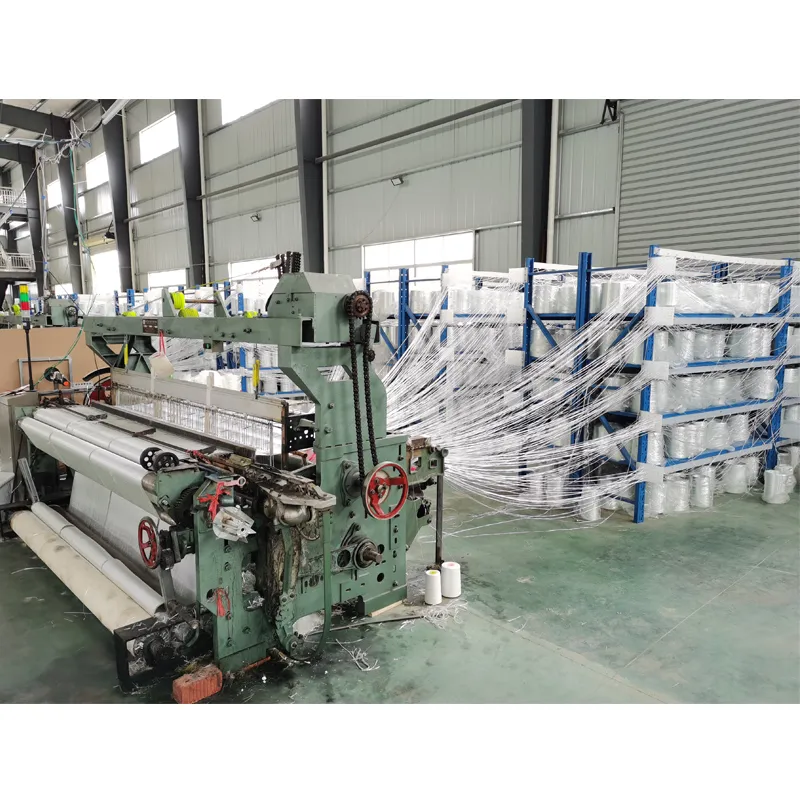
The foundation of any high-quality woven mesh lies in the warping stage. A professional warping machine is designed to wind glass fiber yarn onto a warp shaft with strict arrangement orders and tension requirements. This process is vital because any inconsistency in warp tension during the subsequent weaving phase can lead to fabric defects, uneven mesh holes, or structural weaknesses in the final product.
Modern systems, such as those utilized by Anping Hongke, incorporate magnetic powder brakes and photoelectric protection to maintain stability. With winding speeds ranging from 1200 to 1500 meters per hour, these machines ensure that the warp yarn is neatly arranged, providing a seamless transition to the weaving looms. Technical features like infrared stops and specialized control systems minimize material waste and enhance operator safety, making them indispensable for large-scale industrial setups.

Engineering Excellence in High-Density Weaving Machinery
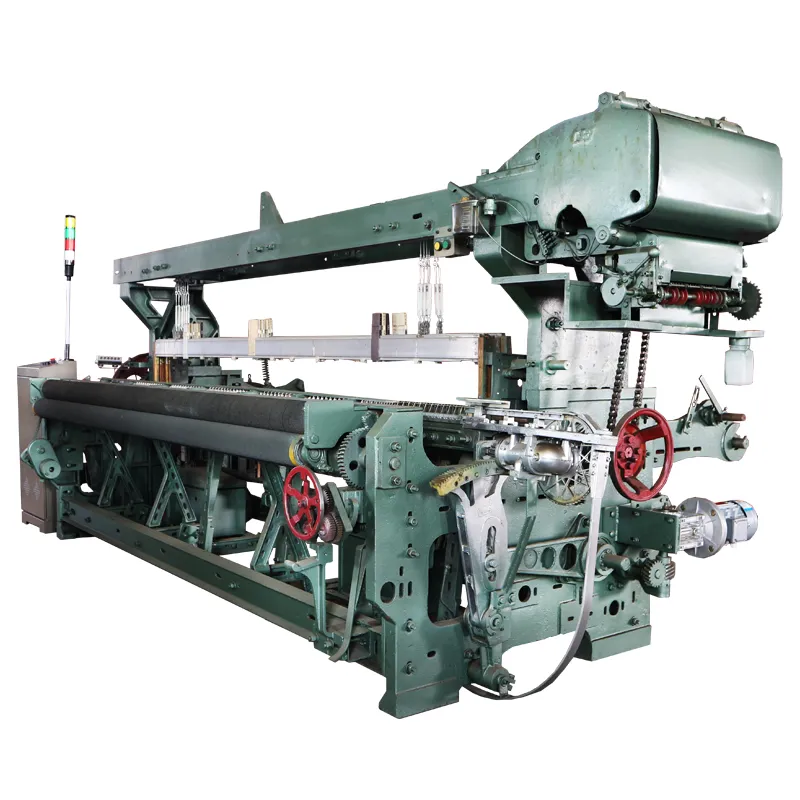
Weaving machines are the core of the production line, responsible for interlacing warp and weft yarns into a coherent mesh fabric. Technical upgrades in current machinery now allow for a maximum density of 14 mesh (14 holes per inch), ensuring a flat surface and high production efficiency. These looms are capable of producing a wide range of specifications, from 10x10 to 2x2 mesh, catering to diverse industrial requirements.
To achieve this level of precision, the machinery employs magnetic powder clutches and advanced electric control systems. Operating speeds between 135-165 times per minute allow for rapid output without compromising the structural integrity of the mesh. This balance of speed and stability is essential for manufacturers who need to scale their production of fiberglass window screens or aluminum wire weaving without increasing the rate of rejects.
Advanced Coating and Finishing for Industrial Durability
The final stage of mesh production involves the coating machine, which transforms raw woven fabric into a finished, durable product. This process includes applying glue evenly across the surface, followed by drying, shaping, and winding. The use of tension extrusion after glue dipping is a critical technical detail that ensures the coating is uniform, which is paramount for fireproof cloths and weather-resistant screens.
The drying ovens are engineered for energy efficiency, offering both electric and natural gas heating options with temperatures typically maintained between 180 and 200 degrees. To protect the fabric from damage during the final stage, active winding integrated control and magnetic powder control (10kg) are used. This ensures the mesh is evenly stressed, neatly wound, and ready for packaging, completing a fully automated production cycle from yarn to finished roll.
Technical Specification Comparison of Production Equipment
| Equipment Type | Key Control System | Performance Metric | Primary Advantage |
|---|---|---|---|
| Warping Machine | Hongke Control System | 1200-1500 m/h Speed | Uniform Warp Tension |
| Weaving Machine | Tiger King Electric | 135-165 rpm Speed | High Mesh Density (14 mesh) |
| Coating Oven | Auto-Adjustment System | 180-200°C Temp | Energy Saving / Fast Rise |
| Winding System | Magnetic Powder Control | 10kg Tension Control | Damage-free Winding |
| Production Line | Integrated Automation | Multi-model (150-330) | High Output Stability |
Procurement Considerations for Specialized Weaving Lines
When sourcing equipment, procurement managers must evaluate the total cost of ownership rather than just the sticker price. A comprehensive production line should offer compatibility across warping, weaving, and coating modules. The ability of a manufacturer to provide technicians for on-site installation is a significant value-add, reducing the risk of downtime during the commissioning phase.
Reliability in B2B equipment is often found in the details: the use of magnetic powder brakes for tension, the availability of various model sizes (from 150 Type to 330 Type), and the robustness of the electric control systems. Buyers should prioritize suppliers who have a proven export track record to regions like Egypt, Turkey, and India, as this indicates the machinery can handle various power standards and operational environments.
Future Trends in Industrial Mesh Manufacturing Automation
The trend in the textile machinery industry is moving toward higher levels of integration and "smart" manufacturing. We are seeing a shift toward more precise photoelectric correction and automated inflation systems in winding processes. These innovations reduce the reliance on manual labor and decrease the margin of human error, leading to a more consistent product quality that meets international standards.
For manufacturers, the goal is to maximize the ratio of output to energy consumption. The adoption of dual-heating ovens (electric and gas) and high-efficiency motors (such as the 7.5 KW units used in warping) reflects a broader industry commitment to sustainable production. As demand for specialized materials like PE, PPE, and PET window screens grows, the flexibility to switch between different mesh densities quickly will become a primary competitive advantage.
Frequently Asked Questions About Mesh Production Machinery
What is the main purpose of a warping machine in mesh production?
A warping machine is used to evenly wind yarn onto a warp shaft under specific tension and arrangement, ensuring that the weaving machine receives a consistent supply of yarn for a neat and stable fabric structure.
What maximum mesh density can the Hongke weaving machines achieve?
Through technological upgrades, these weaving machines can achieve a maximum density of 14 mesh, which refers to 14 mesh holes per inch, producing a flat and professional surface.
How is the uniformity of the glue coating ensured on the mesh fabric?
Uniformity is achieved by using a dedicated glue tray to control the amount of glue and employing tension extrusion after the dipping process to ensure an even layer across the fabric.
What are the heating options for the coating machine's oven?
The oven is designed with two flexible control methods: electric heating and natural gas heating, allowing manufacturers to choose the most cost-effective energy source for their region.
Can these machines produce different types of mesh specifications?
Yes, the weaving machinery is versatile and can produce a range of mesh sizes, specifically from 10x10 down to 2x2 mesh, depending on the production requirements.
What support is provided for the installation of the machinery?
The manufacturer employs experienced technicians who hold passports to ensure they can travel to the customer's factory and provide professional installation and setup services immediately upon arrival.
Technical Resources and Industry Standards
- ISO Standards for Industrial Textiles
- Global Textile Machinery Trends
- Technical Guides on Glass Fiber Weaving
- Industrial Automation in Weaving Processes
Investing in a complete, automated production line from warping to coating is the most effective way to ensure consistency and scalability in mesh manufacturing. By focusing on technical stability and precise tension control, producers can achieve superior quality and a stronger market position.
Related Industrial Solutions