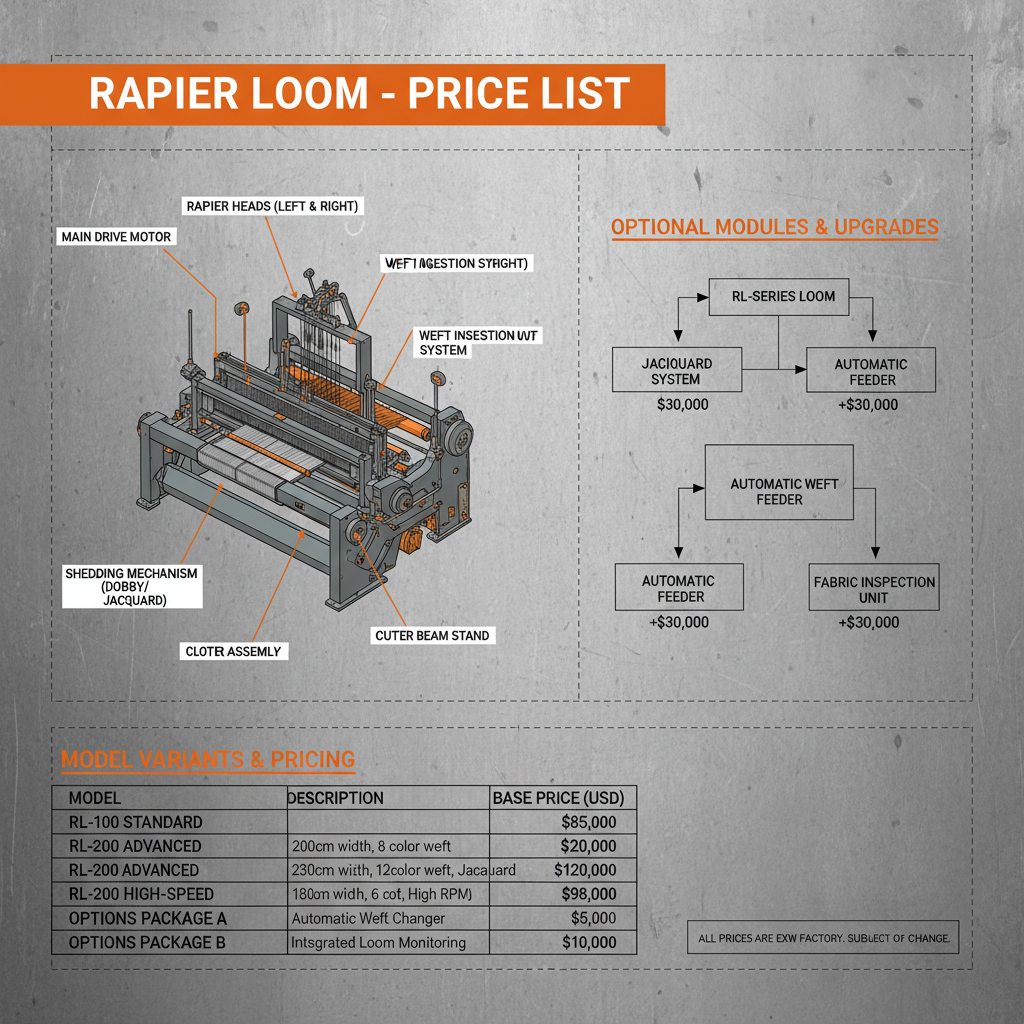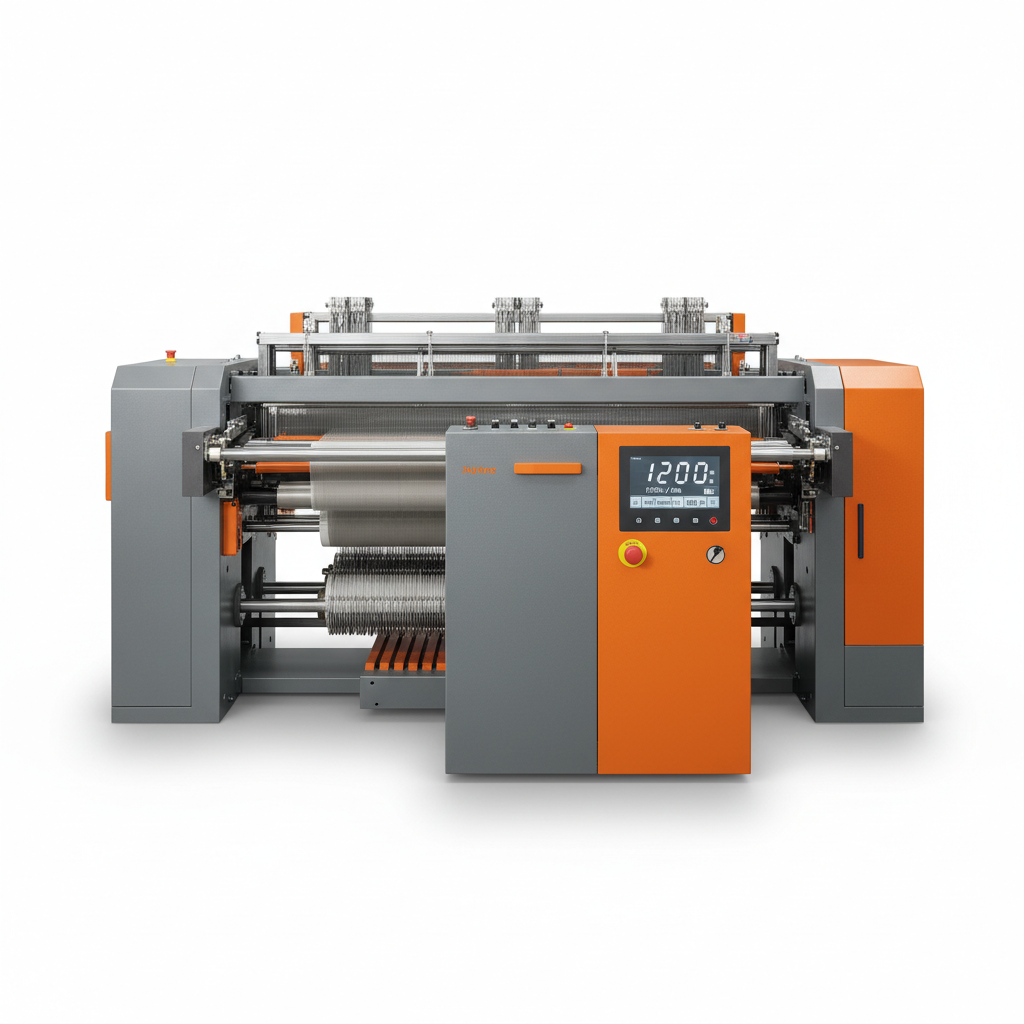


When evaluating the cost of advanced textile machinery, the high speed rapier loom with electronic jacquard price is rarely a static figure; it is a reflection of the integrated precision of the weaving mechanism and the digital control system. For manufacturers moving toward high-complexity fabrics, the shift from traditional shuttle looms to rapier systems represents a critical leap in both output volume and design flexibility.
The integration of electronic jacquard heads allows for individual warp thread control, enabling the creation of intricate patterns without the mechanical constraints of old-school punch cards. This technological synergy is particularly vital in the production of industrial meshes, window screens, and specialized technical textiles where precision is non-negotiable.
Understanding the variables that influence a high speed rapier loom with electronic jacquard price requires a look beyond the initial sticker cost, focusing instead on the operational efficiency and the long-term value of automation in the weaving process.


A rapier loom operates by using a flexible "rapier" or gripper to carry the weft yarn across the warp. When paired with an electronic jacquard system, the machine gains the ability to control every single warp thread independently. This eliminates the need for traditional harnesses and allows for the production of complex geometries and patterns.
This combination is particularly effective for technical textiles. Unlike standard looms, the electronic control minimizes mechanical wear on the yarn, reducing breakage rates and ensuring that the mesh surface remains flat and uniform, which is critical for window screen and industrial filter production.
Production speed in a high-speed rapier loom is governed by the synchronization between the rapier's transfer motion and the jacquard's shedding cycle. The "picks per minute" (PPM) rate is not just a motor speed issue, but a matter of stability. If the tension is not uniform, high speeds lead to fabric defects or loom stoppages.
To support these speeds, preparatory stages are essential. For example, utilizing a high-stability warping machine—such as those featuring magnetic powder brakes and photoelectric protection—ensures that the warp yarn is evenly arranged. Consistent tension at the warping stage directly correlates to the maximum achievable speed on the weaving loom.
Modern systems often integrate infrared stops and advanced control systems to monitor the weaving process in real-time. By automating the detection of yarn breaks, manufacturers can maintain high-speed operations without risking the production of large quantities of defective material.
The pricing of a rapier loom with electronic jacquard is influenced by the number of hooks in the jacquard head, the width of the weaving area, and the level of automation in the weft insertion system. A higher hook count allows for more detailed patterns but increases the initial capital expenditure.
The true value of electronic jacquard machinery is measured by the reduction in setup time; switching patterns is reduced from days of mechanical reconfiguration to seconds of digital file uploads.
Additionally, the material of the rapier heads and the durability of the electronic actuators play a role. Systems designed for abrasive materials, such as fiberglass or aluminum alloy wires, require reinforced components to maintain longevity, which is reflected in the overall price point.
Comparing a rapier loom to a traditional shuttle loom reveals a significant gap in operational efficiency. While shuttle looms are robust and suitable for basic weaves, they lack the speed and pattern versatility of electronic rapier systems. The rapier's ability to handle a wider variety of yarns—from fine PE/PET to coarser fiberglass—makes it more versatile.
When we analyze efficiency across different performance metrics, we see that electronic jacquard looms excel in pattern complexity and reduction of waste, although they require a higher initial investment and more specialized technical staff for maintenance.
The versatility of electronic jacquard rapier looms is most evident in the production of technical screens. For instance, weaving aluminum alloy window screens requires a machine that can maintain extreme flatness. By utilizing specialized weaving machines—like the 280 Type with speeds of 150-180 times per minute—manufacturers can produce mesh holes ranging from 30-6 to 10-32 mesh with high uniformity.
Beyond aluminum, these machines are adapted for fiberglass mesh and carbon fiber applications. The ability to handle varying tensile strengths and diameters of wire without distorting the warp is a key advantage. This makes the technology indispensable for producing fireproof cloth and reinforced industrial fabrics.
The textile industry is moving away from standalone machines toward integrated production lines. A complete line typically begins with an automated warping machine to ensure uniform tension, followed by the weaving process, and ending with automated inspection and rolling.
Automation reduces the reliance on manual labor for yarn replacement and pattern adjustment. For a company like Anping Hongke Wire mesh Machinery Factory, providing a comprehensive suite of machines—from fiberglass mesh machines to aluminum wire weaving equipment—allows clients to synchronize their production speed across the entire plant.
The long-term goal for most manufacturers is the implementation of "smart factories" where the rapier loom communicates with the warping machine to adjust tension based on real-time weaving data, further reducing the waste of expensive materials like carbon fiber.
Selecting the right loom involves balancing the initial high speed rapier loom with electronic jacquard price against the projected increase in production volume. A buyer must determine whether their product range requires the extreme flexibility of a jacquard head or if a simpler dobby loom would suffice.
Critical considerations include the available power infrastructure—for example, a typical high-output weaving machine may require 4.5 KW, while a heavy-duty warping machine could demand 15 KW. Space planning is also essential, as these machines often have substantial footprints (e.g., L6m W2M).
Ultimately, the decision should be based on a Total Cost of Ownership (TCO) model, accounting for energy consumption, technician training, and the expected lifespan of the rapier components.
| Evaluation Factor | Shuttle Loom | Rapier Loom (Standard) | Rapier w/ Electronic Jacquard |
|---|---|---|---|
| Pattern Complexity | Very Low | Moderate | Extremely High |
| Production Speed | Low | High | Very High |
| Setup Time | Days | Hours | Minutes |
| Initial Investment | Low | Moderate | High |
| Material Versatility | Limited | Broad | Comprehensive |
| Operational Skill | Basic | Intermediate | Advanced/Digital |
A dobby loom controls warp threads in groups using a harness, which limits the patterns to relatively simple geometric repeats. In contrast, an electronic jacquard system controls every single warp thread independently via digital solenoids. This allows for the creation of complex, non-repeating images and intricate technical structures that are impossible to achieve with dobby systems.
The most significant price drivers are the number of hooks in the jacquard head (which determines pattern resolution), the width of the loom, and the automation level of the weft insertion. Additionally, specialized requirements for weaving abrasive materials like fiberglass or carbon fiber require higher-grade alloys for the rapier heads, which increases the cost.
Yes, it is highly suitable. Because aluminum alloy wires are prone to deformation if tension is inconsistent, the precision of a rapier loom combined with a high-quality warping machine ensures a flat mesh surface and neat folded edges. Machines like the 280 Type are specifically designed to handle these specifications at speeds up to 180 picks per minute.
The warping process is the foundation of weaving. If the warp yarns are not wound with uniform tension and precise arrangement, the loom will experience frequent "stops" due to yarn breakage or uneven fabric density. Using a professional warping machine with magnetic powder brakes and photoelectric protection allows the weaving loom to operate at its maximum rated speed without interruption.
Maintenance shifts from purely mechanical adjustments to a mix of mechanical and electronic care. Key tasks include ensuring the solenoids in the jacquard head are free of dust and debris, updating control software, and regularly lubricating the rapier movement. Because of the digital nature, diagnostic software can often pinpoint exactly which hook or actuator is failing, speeding up the repair process.
Yes, there is a learning curve. Operators moving from shuttle looms must learn how to interact with the digital control interface and manage the electronic jacquard files. However, once trained, the operational burden is lower because the machine handles the complex pattern changes and tension adjustments automatically, reducing the need for manual mechanical intervention.
Investing in a high speed rapier loom with electronic jacquard is a strategic decision that moves a facility toward high-value, technical textile production. While the initial cost is higher than traditional alternatives, the gain in pattern flexibility, production speed, and material compatibility provides a competitive edge in the global market for industrial screens and specialized fabrics.
The key to success lies in the synergy of the entire line—ensuring that the precision of the weaving loom is matched by the stability of the warping process and the expertise of the technical staff. As automation continues to redefine the textile industry, the integration of digital control systems remains the most effective path to sustainable growth.