The double rapier loom represents a significant advancement in weaving technology, enabling the production of complex fabrics with increased efficiency and versatility. Globally, the textile industry relies heavily on sophisticated machinery like the double rapier loom to meet the demands of fashion, home furnishings, and industrial applications. Understanding its capabilities and nuances is crucial for manufacturers, designers, and anyone involved in the textile supply chain. The benefits are substantial – faster production times, intricate pattern creation, and reduced material waste.
The relevance of the double rapier loom extends beyond mere commercial production. It impacts economic development in textile-producing regions, providing employment opportunities and fostering innovation. According to the World Bank, the textile industry is a major contributor to the GDP of many developing nations. The continued refinement of technologies like the double rapier loom are vital for maintaining competitiveness in a globalized market.
This technology directly addresses the challenge of producing high-quality fabrics quickly and cost-effectively. Traditional weaving methods often struggle to keep pace with modern demands for diverse textile designs and efficient production. The double rapier loom offers a solution, allowing for intricate patterns and a wide range of materials to be woven with relative ease.
The Evolution and Significance of the double rapier loom
The double rapier loom isn't a recent invention; its development spans decades of incremental improvements in weaving technology. Starting with earlier rapier looms, the addition of a second rapier significantly increased speed and complexity capabilities. This evolution has been driven by a constant need for more efficient textile production and the ability to create increasingly intricate fabric designs.
The significance of the double rapier loom lies in its ability to bridge the gap between artistic design and industrial production. It empowers textile manufacturers to produce fabrics that were previously impossible or prohibitively expensive to create, supporting innovation and expanding the possibilities within the textile industry. double rapier loom continues to shape the future of textile manufacturing.
Defining the double rapier loom: A Technical Overview
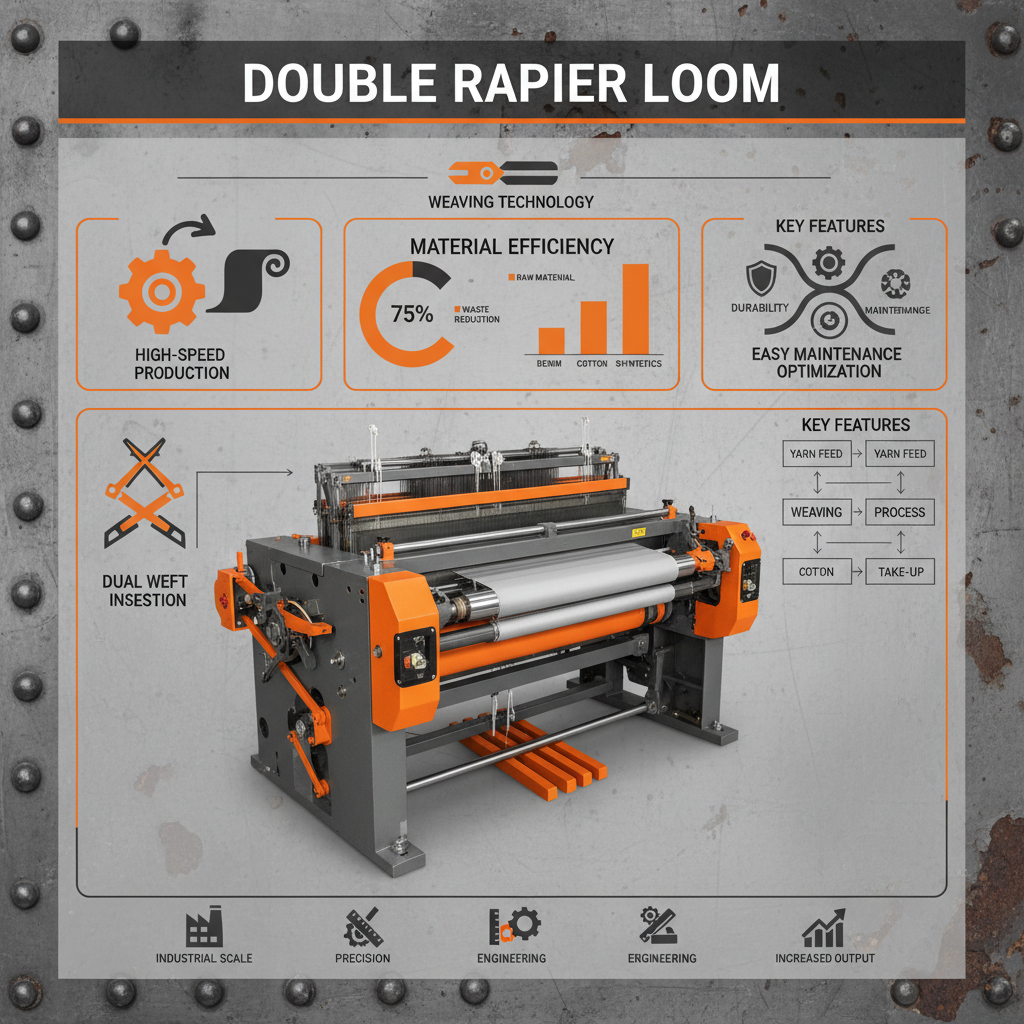
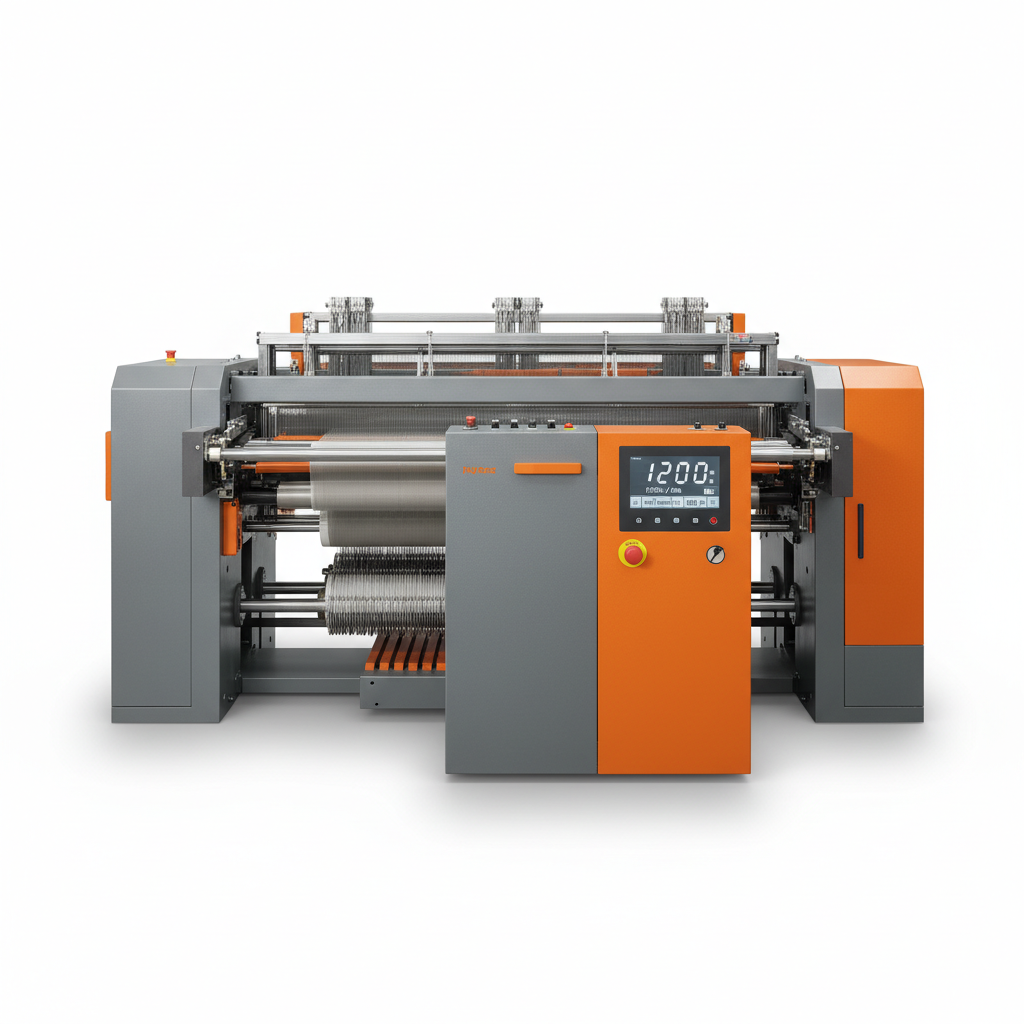
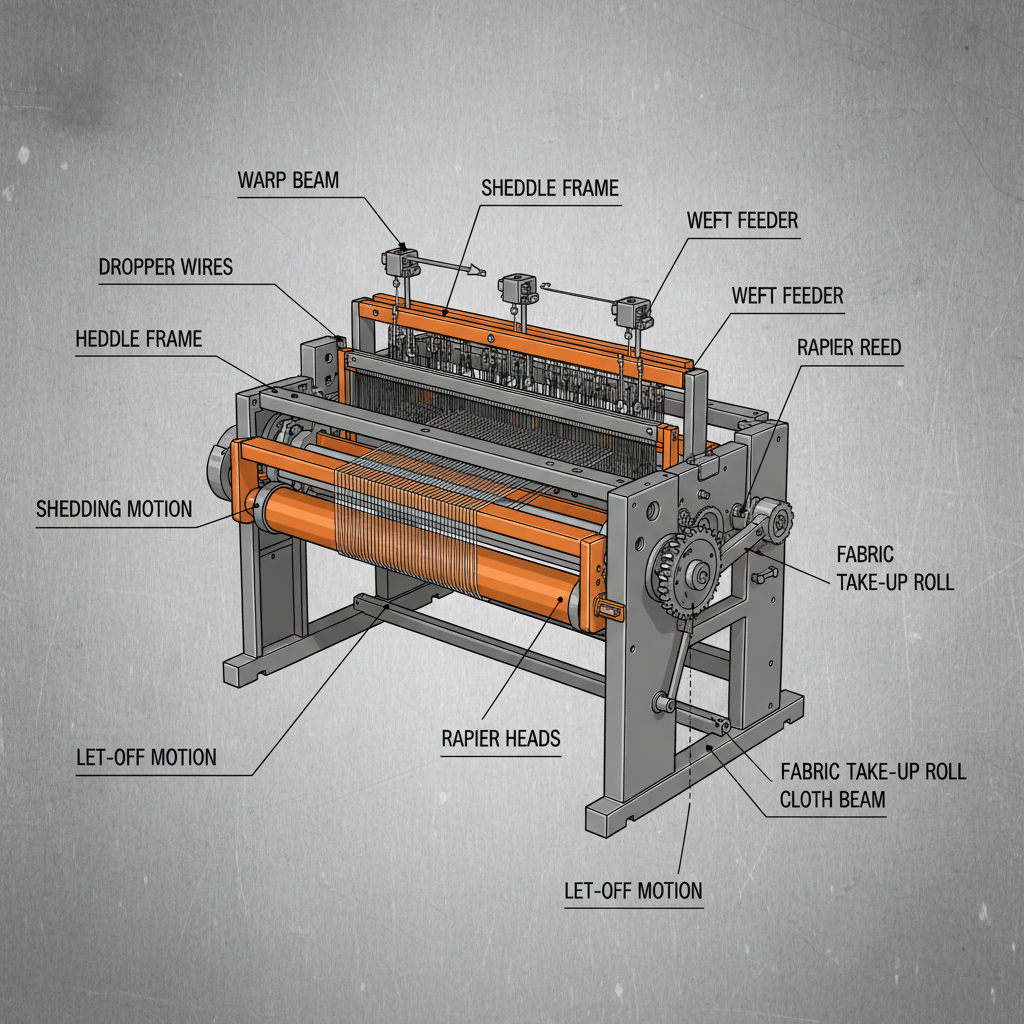
At its core, a double rapier loom utilizes a pair of rapier heads – long, slender carriers – to transfer the weft yarn (the yarn running horizontally) across the warp yarns (the yarns running vertically). Unlike shuttle looms, which throw the weft, rapier looms “carry” it, resulting in cleaner edges and the ability to weave a wider range of yarn types. The "double" aspect refers to the presence of two rapier heads, one on each side of the shed (the space created between raised and lowered warp yarns).
This setup allows for faster weft insertion and the capability to handle delicate or bulky yarns more effectively. The double rapier mechanism minimizes yarn abrasion and breakage, leading to higher production yields. The machine’s control system precisely coordinates the movements of the rapier heads, ensuring accurate weft placement and consistent fabric quality.
The double rapier loom is integral to modern textile production, facilitating the creation of everything from high-fashion garments to durable industrial textiles. Its adaptability and efficiency make it a cornerstone of the industry.
Core Components and Operational Principles of the double rapier loom
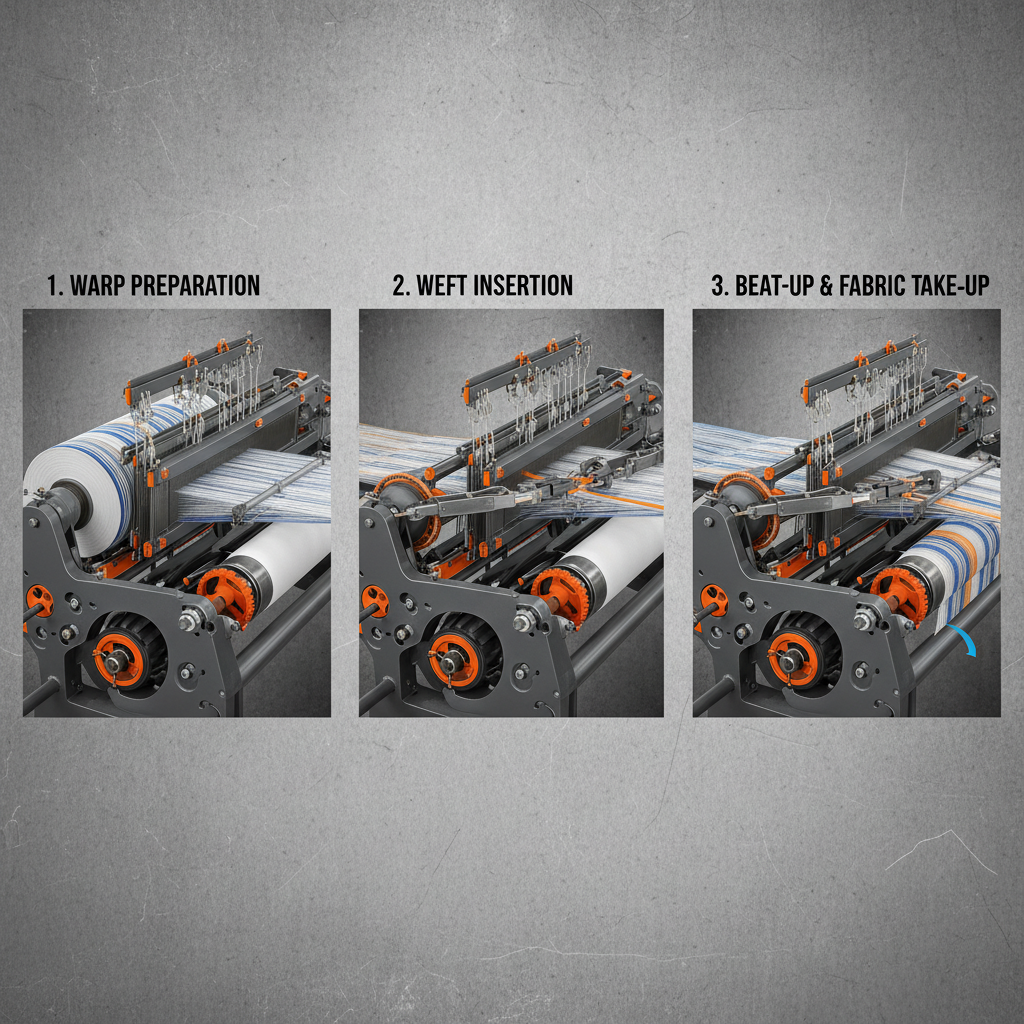
The primary components of a double rapier loom include the warp let-off system (which controls the unwinding of warp yarn), the shedding mechanism (which raises and lowers warp yarns to create the shed), the rapier heads themselves, the weft selection system (which chooses the next weft yarn), and the cloth take-up system (which winds the finished fabric). Each component works in precise synchronization to ensure a continuous and efficient weaving process. The intricate timing of these systems is critical for the loom's performance.
The operational principle involves the creation of a shed, followed by the insertion of the weft yarn. One rapier head picks up the weft yarn from the weft selection system and carries it halfway across the shed. The second rapier head then receives the yarn from the first and completes the transfer, inserting it fully across the shed. A reed then pushes the weft yarn firmly against the woven fabric. This process repeats continuously to build the fabric’s structure.
Modern double rapier looms incorporate advanced sensors and control systems to monitor yarn tension, weft insertion speed, and other critical parameters. These systems allow for automated adjustments to maintain optimal weaving conditions and minimize defects. This level of control contributes significantly to the consistency and quality of the finished fabric.
Performance Metrics and Efficiency of double rapier loom
Several key metrics define the performance and efficiency of a double rapier loom. These include weaving speed (measured in revolutions per minute or RPM), fabric defect rate, yarn wastage, and energy consumption. Higher RPM and lower defect/wastage rates indicate greater efficiency. Modern double rapier looms often achieve speeds exceeding 600 RPM, significantly outpacing traditional weaving methods.
Efficiency is also impacted by the loom’s ability to handle different yarn types and fabric structures. More versatile looms can adapt to a wider range of production demands, reducing downtime for changeovers. The double rapier loom's programmable capabilities allow for complex pattern creation, optimizing fabric utilization and reducing material waste.
Comparative Efficiency of Double Rapier Loom Methods
Global Applications of the double rapier loom
The double rapier loom is utilized extensively across the globe, particularly in countries with significant textile industries like China, India, Turkey, and Italy. These nations leverage the loom’s capabilities to produce a vast array of fabrics, catering to both domestic and international markets. The loom is crucial in producing fabrics for apparel, home textiles, and industrial applications.
In regions with specialized textile manufacturing, such as those producing high-performance fabrics for automotive or aerospace industries, the precision and versatility of the double rapier loom are particularly valued. Furthermore, the increasing demand for sustainable and eco-friendly textiles is driving innovation in loom technology, with manufacturers seeking more energy-efficient and waste-reducing solutions.
Advantages and Long-Term Value of double rapier loom
The advantages of using a double rapier loom are numerous. Compared to shuttle looms, they offer higher speeds, reduced noise levels, and improved fabric quality. The ability to weave a wider range of materials, including delicate and bulky yarns, expands production possibilities. Cost-effectively, the increased speed and reduced waste contribute to higher profitability.
The long-term value lies in the loom's durability and adaptability. With proper maintenance, a double rapier loom can provide years of reliable service. Its programmable nature allows manufacturers to respond quickly to changing market demands and produce customized fabrics, maintaining a competitive edge. Investing in a high-quality double rapier loom is an investment in the future of a textile business.
Future Trends and Innovations in double rapier loom Technology
The future of double rapier loom technology is focused on automation, intelligent controls, and sustainable practices. Integration with Industry 4.0 principles – including IoT sensors, data analytics, and artificial intelligence – will enable predictive maintenance, optimized weaving parameters, and reduced downtime. Developments in energy-efficient motors and drive systems will contribute to lower operating costs and a reduced environmental footprint.
Furthermore, research into new materials and weaving techniques is pushing the boundaries of fabric design and performance. The development of smart textiles, incorporating sensors and electronic components directly into the fabric, will require even more precise and versatile weaving capabilities, further solidifying the role of the double rapier loom in the textile industry.
The convergence of digital technologies and mechanical engineering will lead to more adaptable, efficient, and sustainable double rapier looms, shaping the future of textile manufacturing.
Summary of Key Challenges and Potential Solutions for Double Rapier Loom
| Challenge |
Impact on Production |
Potential Solution |
Implementation Cost (Scale 1-10) |
| Yarn Breakage |
Reduced efficiency, increased waste |
Advanced yarn tension control systems |
6 |
| Frequent Maintenance |
Downtime, increased labor costs |
Predictive maintenance using IoT sensors |
7 |
| Complex Pattern Setups |
Increased setup time, potential errors |
User-friendly software with drag-and-drop pattern design |
5 |
| Energy Consumption |
High operating costs, environmental impact |
Energy-efficient motors and drive systems |
8 |
| Skill Gap in Operation |
Incorrect operation, reduced output |
Comprehensive training programs and virtual reality simulations |
4 |
| Fabric Defect Detection |
Lower product quality, increased waste |
Automated visual inspection systems using AI |
9 |
FAQS
Double rapier looms offer significant advantages over shuttle looms, including higher weaving speeds, reduced noise levels, and the ability to handle a wider variety of yarn types. They produce cleaner fabric edges and minimize yarn breakage, leading to increased efficiency and reduced waste. The versatility of the double rapier loom allows for more complex pattern creation and greater design flexibility, making it a preferred choice for modern textile production.
The double rapier mechanism ensures a precise and controlled weft insertion process. By gently carrying the yarn across the warp, it minimizes abrasion and prevents damage, resulting in a smoother fabric surface and reduced defects. This precise control is particularly important when working with delicate or textured yarns, ensuring consistent fabric quality and appearance.
Double rapier looms are incredibly versatile and can produce a wide range of fabrics, including apparel fabrics like cotton, polyester, and blends, as well as home textiles such as upholstery and curtains. They are also used to create industrial fabrics, such as those used in automotive interiors and technical textiles. The loom's ability to handle various yarn types and weaving structures makes it suitable for diverse applications.
Regular maintenance is crucial for ensuring optimal performance and longevity. A typical schedule includes daily inspections for yarn breakage and mechanical issues, weekly lubrication of moving parts, and monthly checks of key components like the rapier heads and shedding mechanism. Preventive maintenance, including replacing worn parts proactively, helps minimize downtime and maximize efficiency.
Recent advancements include the integration of Industry 4.0 technologies, such as IoT sensors and data analytics, for predictive maintenance and optimized weaving parameters. Energy-efficient motors and drive systems are also becoming increasingly common, reducing operating costs and environmental impact. Furthermore, advancements in control systems allow for more complex pattern creation and automated adjustments for different yarn types.
Automation significantly enhances the efficiency and precision of double rapier loom operation. Automated yarn feeding systems, weft selection, and fabric take-up reduce the need for manual intervention, minimizing errors and increasing production speed. Automated defect detection systems also help identify and correct issues quickly, improving fabric quality and reducing waste.
Conclusion
In conclusion, the double rapier loom represents a cornerstone of modern textile manufacturing, offering a compelling combination of speed, versatility, and precision. Its ability to produce high-quality fabrics with reduced waste and increased efficiency makes it a vital tool for manufacturers worldwide. The continuous innovation in loom technology, driven by Industry 4.0 principles and a focus on sustainability, ensures its continued relevance in the evolving textile landscape.
Looking ahead, investing in advanced double rapier loom technology is crucial for remaining competitive in the global market. By embracing automation, data analytics, and sustainable practices, textile manufacturers can unlock the full potential of this remarkable machine and contribute to a more efficient, innovative, and environmentally responsible textile industry. Visit our website at www.hkmeshmachine.com to learn more about our range of double rapier looms.