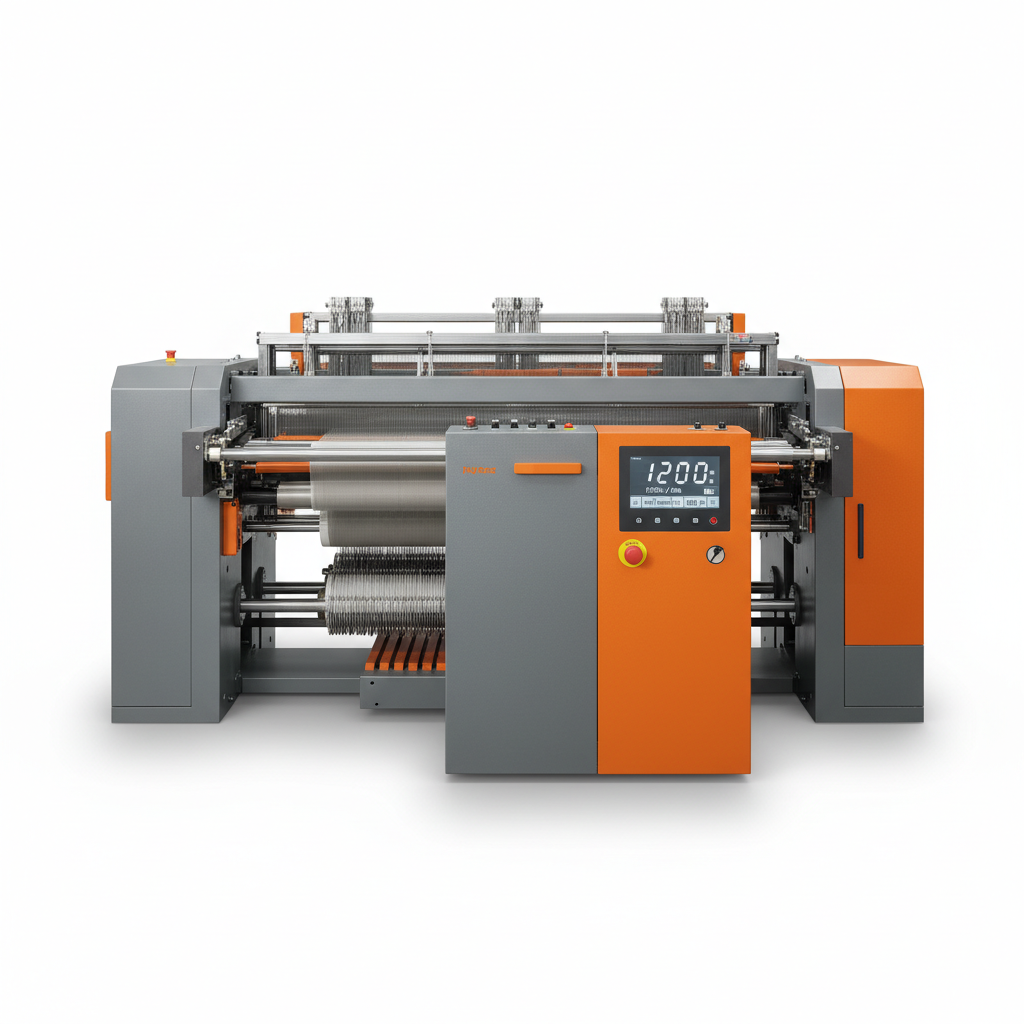
Rapier loom speed is a critical parameter in modern textile manufacturing, directly impacting production efficiency, fabric quality, and overall cost-effectiveness. As the demand for textiles continues to grow globally, optimizing rapier loom speed is paramount for manufacturers seeking a competitive edge. Understanding the factors influencing this speed – from machine mechanics to material properties – is essential for maximizing output and minimizing downtime.
The importance of rapier loom speed extends beyond mere production numbers. It’s intrinsically linked to the advancements in materials science, with increasingly sophisticated fibers and weaves demanding precise control and optimal speed settings. Technological innovation continues to push the boundaries of what’s achievable, driving a constant need for skilled operators and advanced monitoring systems.
Furthermore, increased rapier loom speed translates to a reduced lead time for textile products, a crucial benefit in fast-paced industries like fashion and technical textiles. This responsiveness to market demands, coupled with improved quality and reduced waste, makes mastering rapier loom speed a cornerstone of successful textile production.
The Fundamentals of rapier loom speed
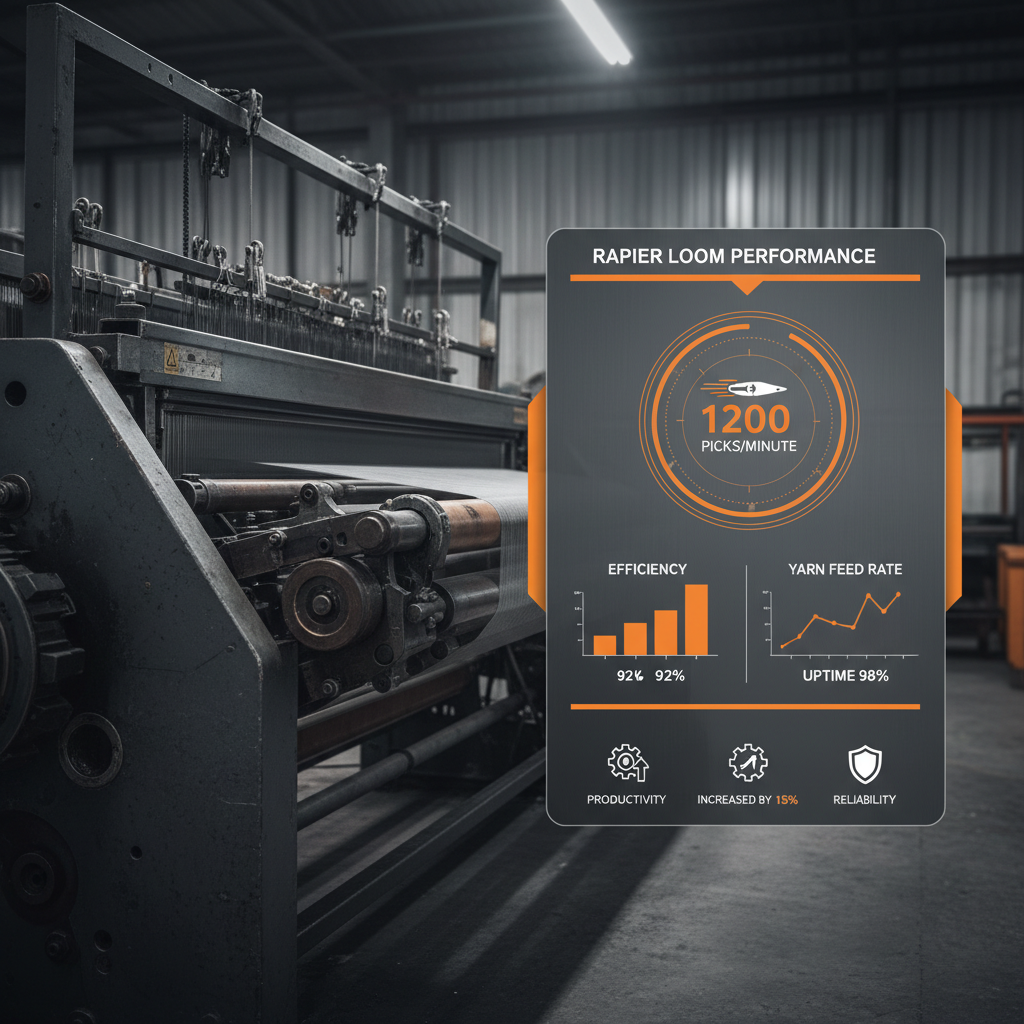
At its core, rapier loom speed represents the number of weft yarn insertions completed per minute. However, achieving optimal speed isn’t simply about maximizing this number; it requires a delicate balance between speed, yarn characteristics, fabric width, and loom mechanics. A higher rapier loom speed, when properly controlled, directly translates to increased production output, allowing textile manufacturers to meet growing demands more efficiently.
The pursuit of higher rapier loom speed has driven significant innovation in loom design, control systems, and yarn handling techniques. Modern rapier looms incorporate advanced features like electronic take-up, optimized rapier guiding systems, and sophisticated sensors to maintain consistent yarn tension and prevent defects even at high speeds. Understanding these fundamentals is crucial for operators and engineers striving to optimize performance.
The Global Significance of Rapier Loom Speed
The global textile industry is a multi-trillion dollar market, with rapier looms playing a vital role in the production of a vast array of fabrics. Countries like China, India, and Bangladesh are major hubs for textile manufacturing, and the competitiveness of these nations is heavily influenced by their ability to achieve high rapier loom speeds. Increased speed directly contributes to lower production costs, allowing these countries to maintain their position as leading exporters.
According to reports from the World Bank, the demand for textiles is projected to continue growing, driven by population growth and increasing disposable incomes in emerging economies. This growth necessitates continuous improvements in manufacturing efficiency, and rapier loom speed remains a key focus area. Furthermore, the demand for specialized textiles – such as those used in automotive, aerospace, and medical applications – requires precision and control, demanding higher levels of loom sophistication and optimized speed settings.
The implications extend beyond economics. Efficient textile production, driven by faster rapier looms, can contribute to sustainable development by reducing waste, minimizing energy consumption, and improving working conditions. Moreover, the ability to rapidly produce textiles for humanitarian aid – such as emergency shelter or medical supplies – highlights the critical role of this technology in addressing global challenges.
Defining Rapier Loom Speed and its Relevance
Rapier loom speed, simply defined, is the rate at which a rapier loom inserts weft yarn into the warp yarns to create fabric. It's typically measured in revolutions per minute (RPM) or picks per minute (PPM), with PPM being the more common metric in the textile industry. However, the ‘true’ speed isn’t just about the numerical value; it’s about the effective speed – the rate at which defect-free fabric is produced.
The relevance of rapier loom speed extends far beyond simple production rates. It directly correlates with a manufacturer’s ability to meet tight deadlines, respond to changing market demands, and maintain a competitive price point. In an industry characterized by rapid innovation and evolving consumer preferences, agility and responsiveness are paramount, and optimized rapier loom speed is a key enabler.
Understanding and controlling rapier loom speed is also fundamental to ensuring fabric quality. Too high a speed can lead to increased yarn breakage, uneven tension, and defects in the weave. Conversely, a speed that’s too low can result in reduced output and increased production costs. Finding the optimal balance is critical, and requires a thorough understanding of the loom's capabilities, yarn properties, and desired fabric characteristics.
Core Components Influencing Rapier Loom Speed
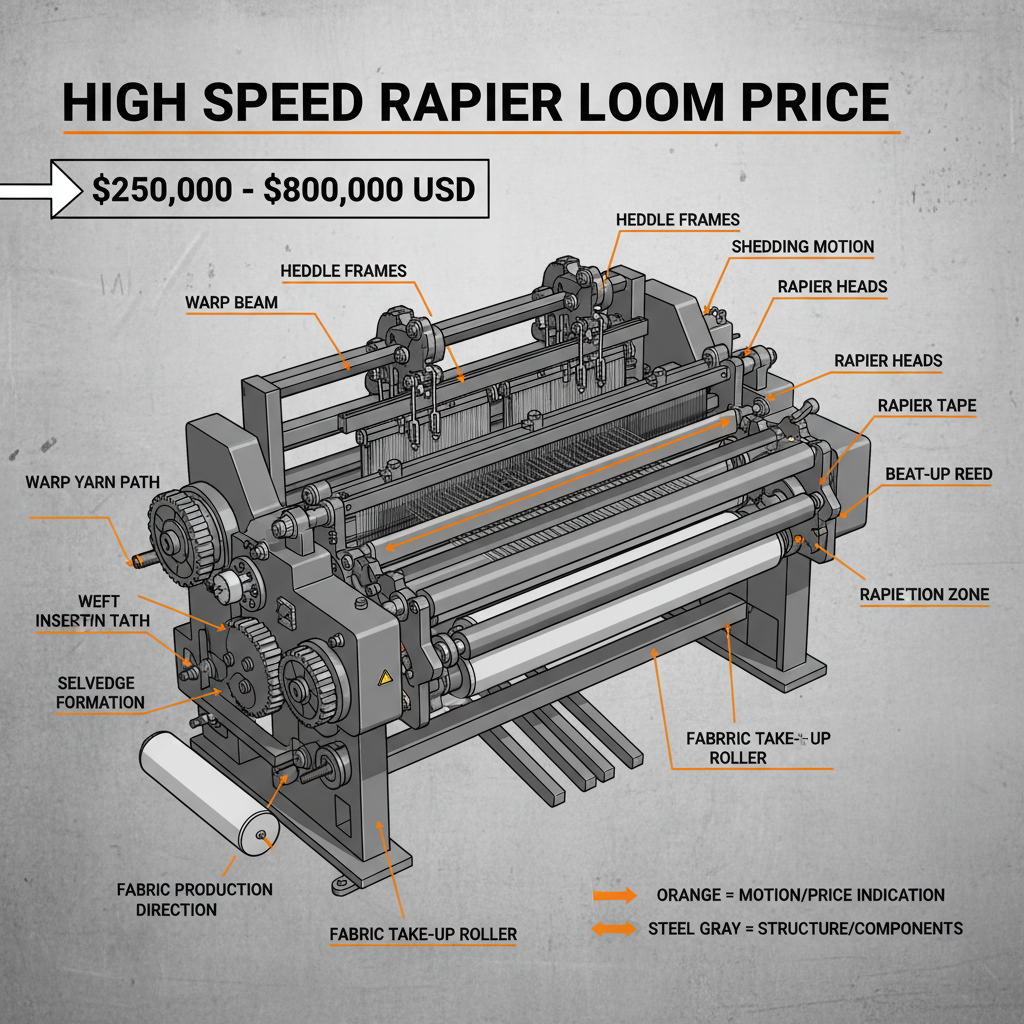
Several core components significantly influence rapier loom speed. First, the rapier heads and guiding system play a crucial role. The speed and precision with which the rapiers transfer the weft yarn directly affect the overall speed. Lighter, more aerodynamic rapier heads, coupled with precise guiding mechanisms, allow for faster and smoother transfer.
Secondly, the loom’s electronic control system is paramount. Modern control systems regulate all aspects of the loom’s operation, including rapier movement, yarn tension, and fabric take-up. Advanced algorithms and sensors ensure precise synchronization and optimize performance.
Rapier Loom Speed Enhancement Methods
Global Applications and Use Cases of High-Speed Rapier Looms
High-speed rapier looms are deployed globally across a wide spectrum of textile applications. In countries like Italy and Japan, renowned for their high-end fashion fabrics, these looms are used to produce intricate and delicate materials requiring precision and speed. The ability to quickly respond to changing fashion trends is crucial, and rapid production cycles enabled by fast rapier looms are essential.
In regions like the United States, rapier looms are frequently used in the production of technical textiles for industrial applications, such as automotive components, filtration fabrics, and protective clothing. These applications often demand high strength, durability, and precise weave structures, all achievable with optimized rapier loom speed and control.
Advantages and Long-Term Value of Optimized rapier loom speed
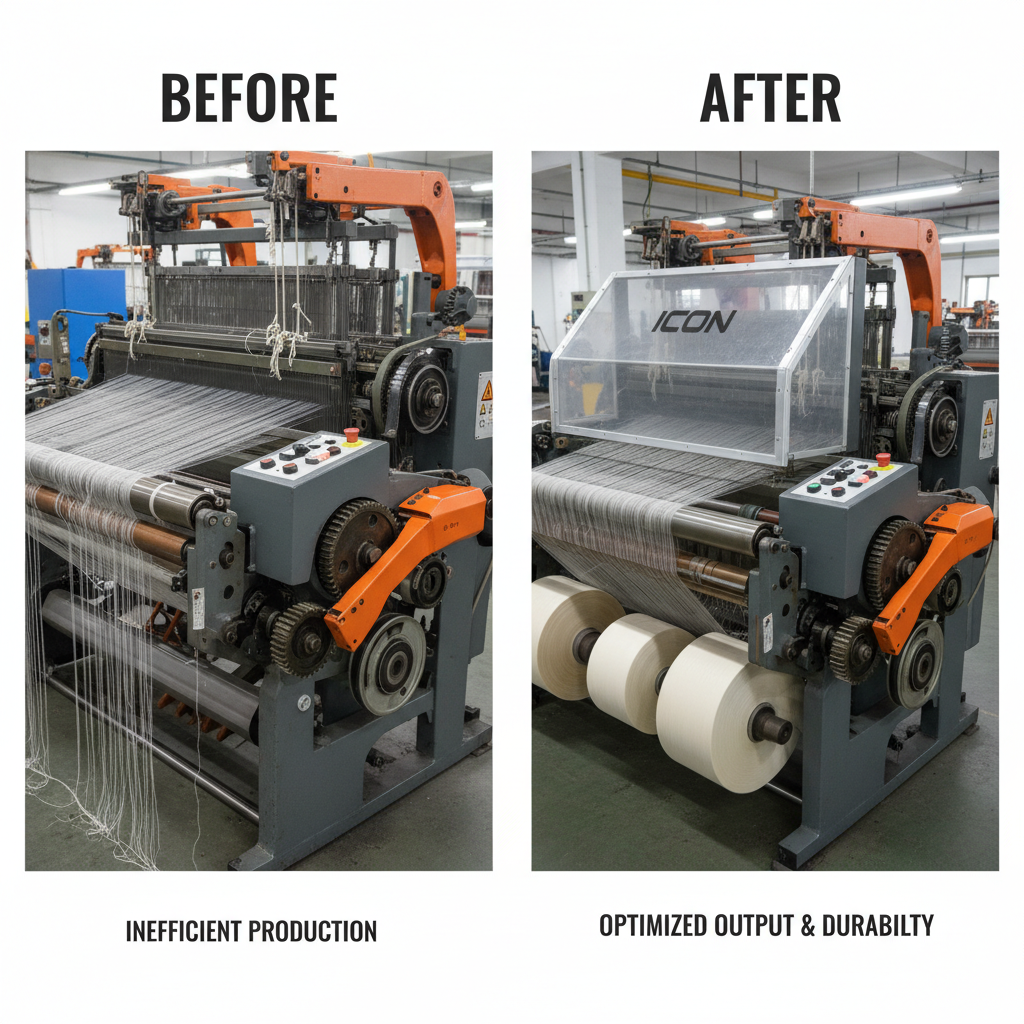
Optimizing rapier loom speed yields numerous advantages. Firstly, it directly lowers production costs by increasing output per unit time. Secondly, it improves fabric quality by minimizing defects and ensuring consistent weave structures. This translates to reduced waste and increased customer satisfaction.
Beyond the immediate economic benefits, optimized rapier loom speed also contributes to long-term sustainability. Reduced waste, lower energy consumption, and improved resource utilization align with growing environmental concerns and promote responsible manufacturing practices. This commitment to sustainability enhances a company’s brand reputation and attracts environmentally conscious consumers.
Future Trends and Innovations in Rapier Loom Speed Technology
The future of rapier loom speed is inextricably linked to advancements in automation, artificial intelligence, and materials science. We can anticipate the integration of machine learning algorithms to predict and prevent yarn breakage, optimize speed settings based on real-time data, and even diagnose potential maintenance issues proactively.
Another significant trend is the development of lighter, stronger, and more durable rapier heads using advanced materials like carbon fiber composites. These lightweight components will enable even faster rapier movement and reduce energy consumption. Furthermore, the increasing adoption of Industry 4.0 principles – including data analytics, cloud connectivity, and remote monitoring – will facilitate more efficient and responsive textile production.
Finally, the focus on sustainable textiles will drive the development of rapier looms capable of processing recycled and biodegradable materials at high speeds without compromising fabric quality. This will contribute to a circular economy and reduce the environmental impact of the textile industry.
Summary of Key Factors Affecting Rapier Loom Speed Optimization
| Component/Factor |
Impact on Speed |
Optimization Strategy |
Potential Speed Increase (%) |
| Rapier Head Weight |
Heavier heads require more energy and slow down movement. |
Replace with lightweight carbon fiber or aluminum alloy heads. |
5-10 |
| Yarn Tension Control |
Inconsistent tension leads to breakage and reduced speed. |
Implement advanced electronic tension control systems. |
3-7 |
| Rapier Guide System |
Friction and misalignment hinder rapier movement. |
Optimize guide angle and lubrication; use low-friction materials. |
2-5 |
| Loom Control System |
Slow processing and inefficient algorithms limit responsiveness. |
Upgrade to a modern, high-performance PLC-based control system. |
8-15 |
| Fabric Take-Up System |
Inconsistent take-up creates tension issues and limits speed. |
Utilize electronic take-up with precise control and variable speed. |
4-8 |
| Sensor Accuracy & Feedback |
Inaccurate data leads to suboptimal control and speed adjustments. |
Implement high-resolution sensors and real-time data analysis. |
2-6 |
FAQS
The optimal rapier loom speed for delicate silk fabrics typically falls within the lower range, around 400-600 picks per minute (PPM). Silk yarns are inherently fragile and require gentle handling. Higher speeds can lead to increased yarn breakage and defects. Precise tension control and careful adjustments to the rapier guiding system are critical for maintaining fabric quality at this speed. Experienced operators often prioritize quality over sheer speed when working with sensitive materials like silk.
Yarn type significantly impacts the achievable rapier loom speed. Stronger, more uniform yarns like polyester and cotton can generally be woven at higher speeds (800-1200 PPM) compared to more delicate yarns like silk or linen. The yarn’s tensile strength, elongation, and friction coefficient all play a role. Heavier yarns also tend to require slower speeds to ensure proper weft insertion and beat-up. Adjusting loom parameters to match the specific yarn properties is essential for maximizing speed and minimizing defects.
Several factors can cause yarn breakage at high rapier loom speeds. Inconsistent yarn tension is a primary culprit, often resulting from improper take-up or guiding systems. Excessive rapier speed or improper rapier timing can also contribute. Furthermore, yarn defects, such as slubs or weak spots, are exacerbated at higher speeds. Regular yarn quality checks, coupled with precise loom adjustments, are crucial for preventing breakage and maintaining consistent production.
Regular loom maintenance is paramount for sustaining high rapier loom speeds. This includes lubricating all moving parts, inspecting and replacing worn components (such as rapier heads and guides), and ensuring proper alignment. Preventative maintenance schedules should be implemented to identify and address potential issues before they lead to downtime or reduced performance. A well-maintained loom operates more smoothly, reduces yarn breakage, and enables consistently high speeds.
Modern rapier looms often incorporate sophisticated monitoring systems that track key performance indicators, including speed, yarn breakage rates, and downtime. This data can be analyzed to identify areas for improvement and optimize loom settings. Statistical process control (SPC) techniques can be used to monitor speed variations and detect potential issues before they escalate. Real-time data visualization tools provide operators with immediate feedback on loom performance.
Operating a high-speed rapier loom requires strict adherence to safety precautions. Operators should always wear appropriate personal protective equipment (PPE), including eye protection and hearing protection. Guards and safety devices must be in place and functioning correctly. Regular safety training is essential to ensure operators are aware of potential hazards and proper operating procedures. Emergency stop buttons should be readily accessible in case of a malfunction or emergency.
Conclusion
In conclusion, rapier loom speed is a multifaceted parameter central to the success of modern textile manufacturing. Its optimization demands a holistic approach, encompassing machine mechanics, yarn properties, operator skill, and data-driven analysis. By embracing innovation and continually refining processes, manufacturers can unlock significant gains in productivity, efficiency, and sustainability.
Looking ahead, the integration of advanced technologies – such as AI-powered control systems and predictive maintenance – will further elevate the potential of rapier loom speed. Investing in skilled personnel, implementing rigorous quality control measures, and fostering a culture of continuous improvement will be crucial for remaining competitive in this dynamic industry. Visit our website at rapier loom speed to explore how APHK Machinery can help you optimize your textile production.