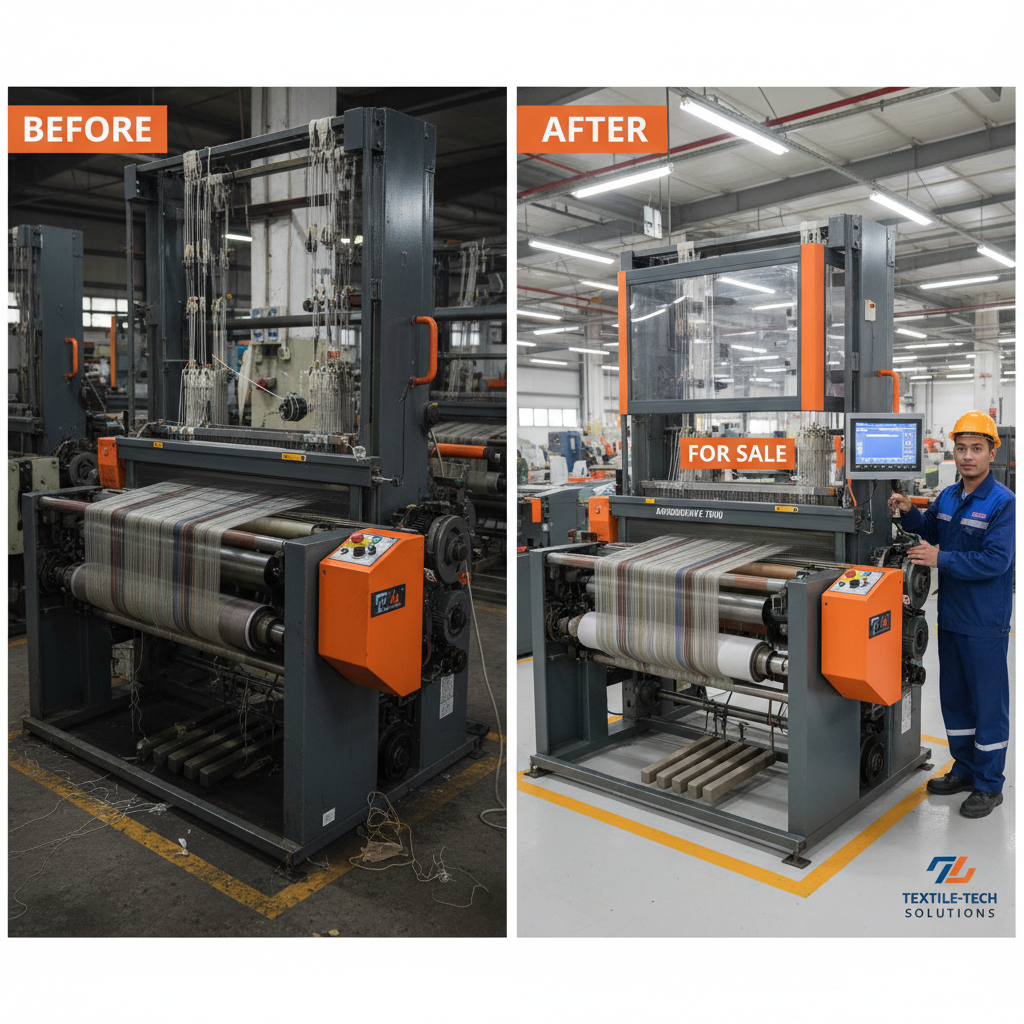
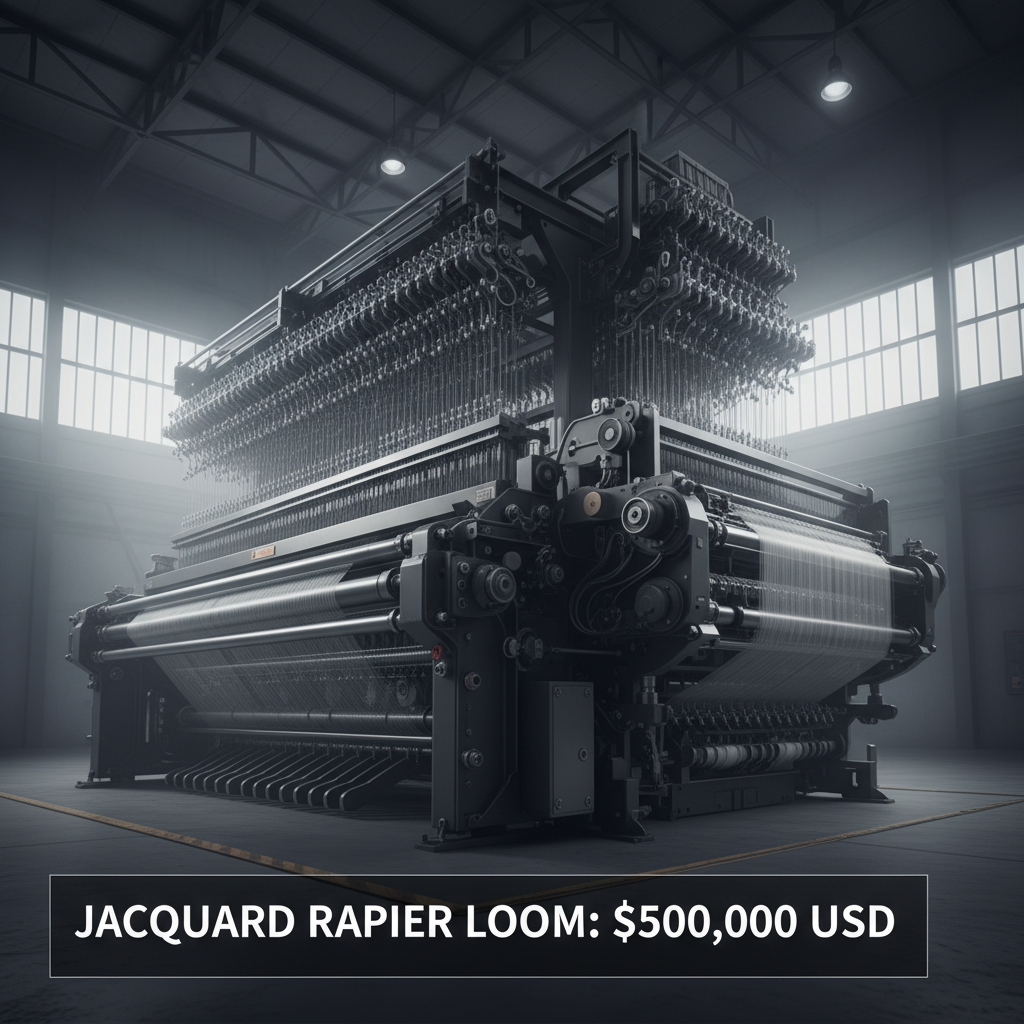
The global textile industry relies heavily on efficient and reliable weaving technologies, with the rapier loom weaving machine playing a pivotal role. These machines are fundamental to producing a vast range of fabrics used in apparel, home textiles, and industrial applications. Understanding the nuances of rapier loom technology is critical for manufacturers seeking to optimize production, reduce costs, and improve fabric quality. The demand for high-performance fabrics continues to grow, driven by evolving consumer preferences and the expansion of technical textile markets.
Rapier loom weaving machines have undergone significant advancements in recent decades, integrating sophisticated automation and control systems. This evolution has enabled increased production speeds, improved precision, and the ability to weave increasingly complex fabric structures. The competitive landscape demands continuous innovation, and manufacturers are increasingly looking towards features like reduced energy consumption, intelligent diagnostics, and customizable weaving parameters. Investing in cutting-edge rapier loom weaving machine technology is thus essential for maintaining a competitive edge.
The importance of the rapier loom extends beyond purely economic considerations. The textile industry provides employment for millions worldwide, and efficient weaving machinery directly impacts livelihoods and economic stability, particularly in developing countries. Modern rapier loom weaving machine models also contribute to sustainable manufacturing practices by minimizing waste and optimizing resource utilization.
The Core Principles of rapier loom weaving machine
At its core, a rapier loom weaving machine operates by using a pair of rapiers—long, slender carriers—to transfer the weft yarn across the warp yarns. This method allows for a high degree of control over the weft insertion process, making it suitable for a wide variety of yarn types and fabric constructions. The controlled movement and tension applied by the rapiers contribute to the fabric's structural integrity and aesthetic qualities.
The efficiency of a rapier loom relies heavily on the synchronization between the rapier movement, shedding (the separation of warp yarns), and beat-up (the process of positioning the weft yarn tightly against the fabric fell). Modern machines leverage sophisticated electronic controls and sensors to ensure precise timing and coordination, maximizing production speed and minimizing defects.
Historical Development of rapier loom weaving machine
The origins of the rapier loom can be traced back to the early 19th century, initially as a hand-operated mechanism. These early designs were relatively slow and limited in their capabilities but represented a significant improvement over earlier weaving technologies. Over time, mechanical advancements driven by the Industrial Revolution led to the development of power-driven rapier looms, significantly increasing production capacity.
The 20th century witnessed the integration of electronic controls and automation into rapier loom design. This period marked a turning point, allowing for greater precision, flexibility, and the ability to weave more complex fabric patterns. The introduction of flexible rapiers, which could bend around obstacles during weft insertion, further expanded the machine’s versatility. Today’s rapier loom weaving machine represents the culmination of over two centuries of innovation.
Continuous refinement of materials, drive systems, and control software has resulted in the sophisticated, high-speed machines available today. These advancements are directly linked to the growing demands of the global textile market and the need for efficient, adaptable weaving solutions.
Key Components of a rapier loom weaving machine
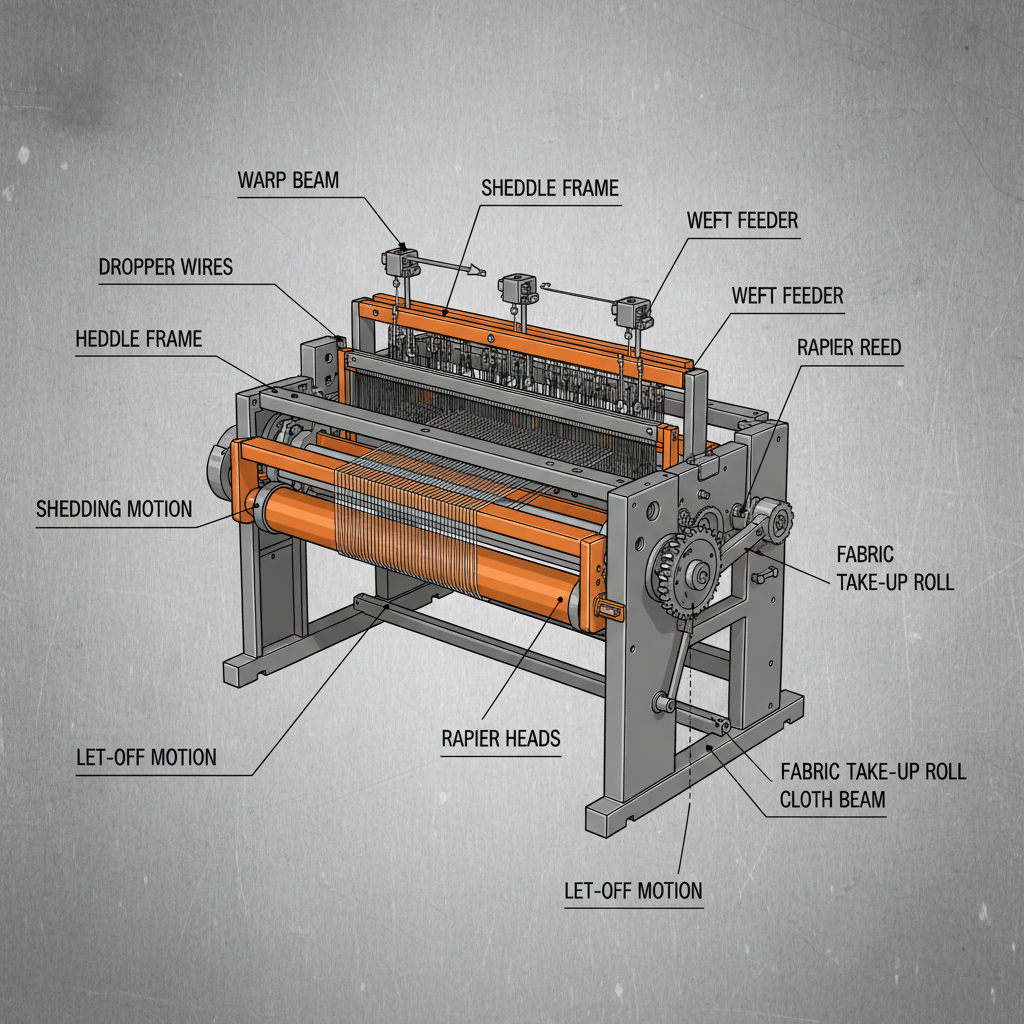
Several key components work in concert to enable the functionality of a rapier loom weaving machine. These include the rapiers themselves, which are typically constructed from lightweight yet durable materials like carbon fiber or aluminum alloys. The shedding mechanism, responsible for raising and lowering warp yarns, is often controlled by a cam system or electronic actuators.
The weft selection system, critical for multi-color or patterned fabrics, accurately controls the delivery of different weft yarns. The beat-up mechanism, typically a reed moving in a shuttle-like motion, ensures the weft yarn is firmly positioned against the fabric fell. Furthermore, the let-off and take-up mechanisms regulate the tension and winding of the warp and fabric respectively.
Modern rapier loom weaving machine also incorporate advanced sensors and control systems, including yarn break detectors, edge alignment sensors, and programmable logic controllers (PLCs), to monitor performance, detect faults, and optimize weaving parameters.
Performance Metrics for rapier loom weaving machine
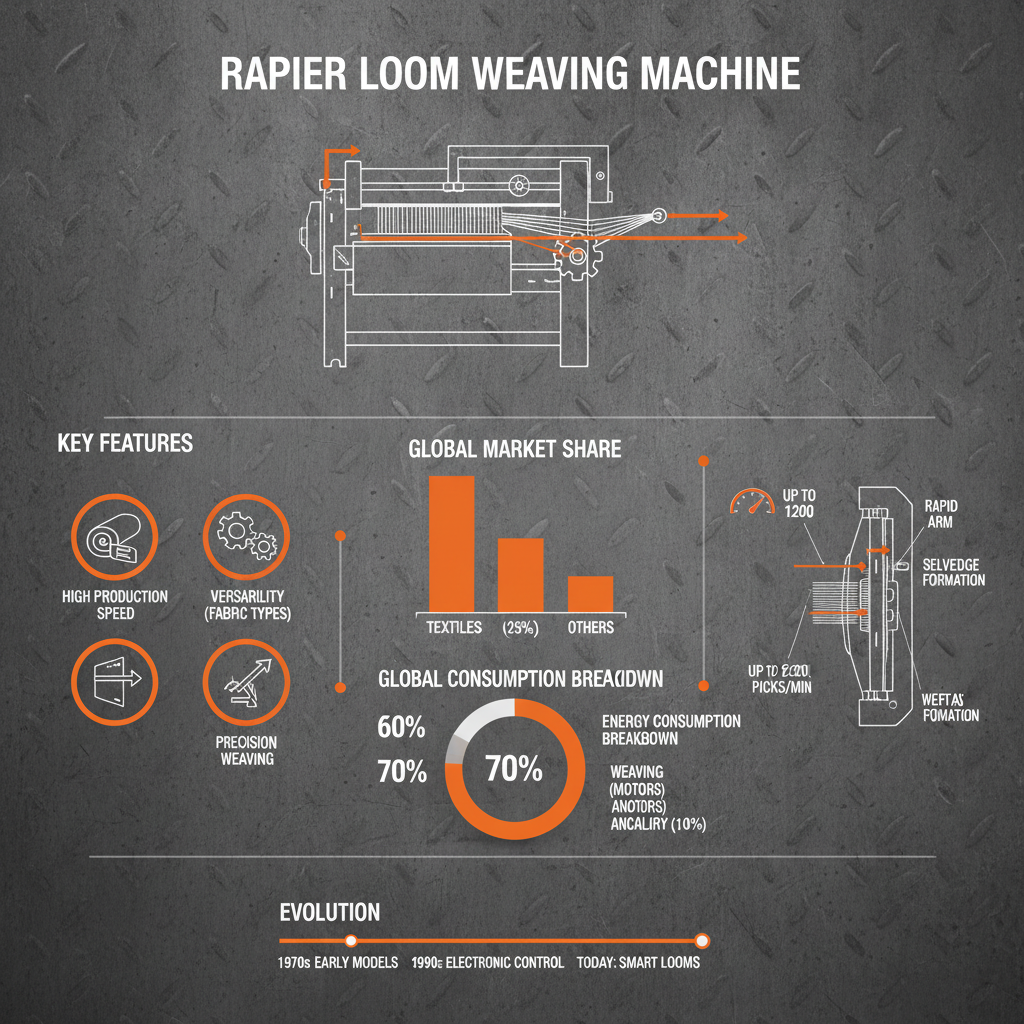
Evaluating the performance of a rapier loom weaving machine requires consideration of several key metrics. Speed, measured in revolutions per minute (RPM), is a primary indicator of production capacity, but must be balanced against fabric quality and machine reliability. Efficiency, reflecting the percentage of productive time versus total time, is also crucial.
Other important metrics include fabric defect rate, yarn breakage frequency, and energy consumption per unit of fabric produced. Uptime, the percentage of time the machine is operational, is a critical factor for minimizing production downtime and maximizing throughput.
Rapier Loom Weaving Machine Performance Comparison
Global Applications of rapier loom weaving machine
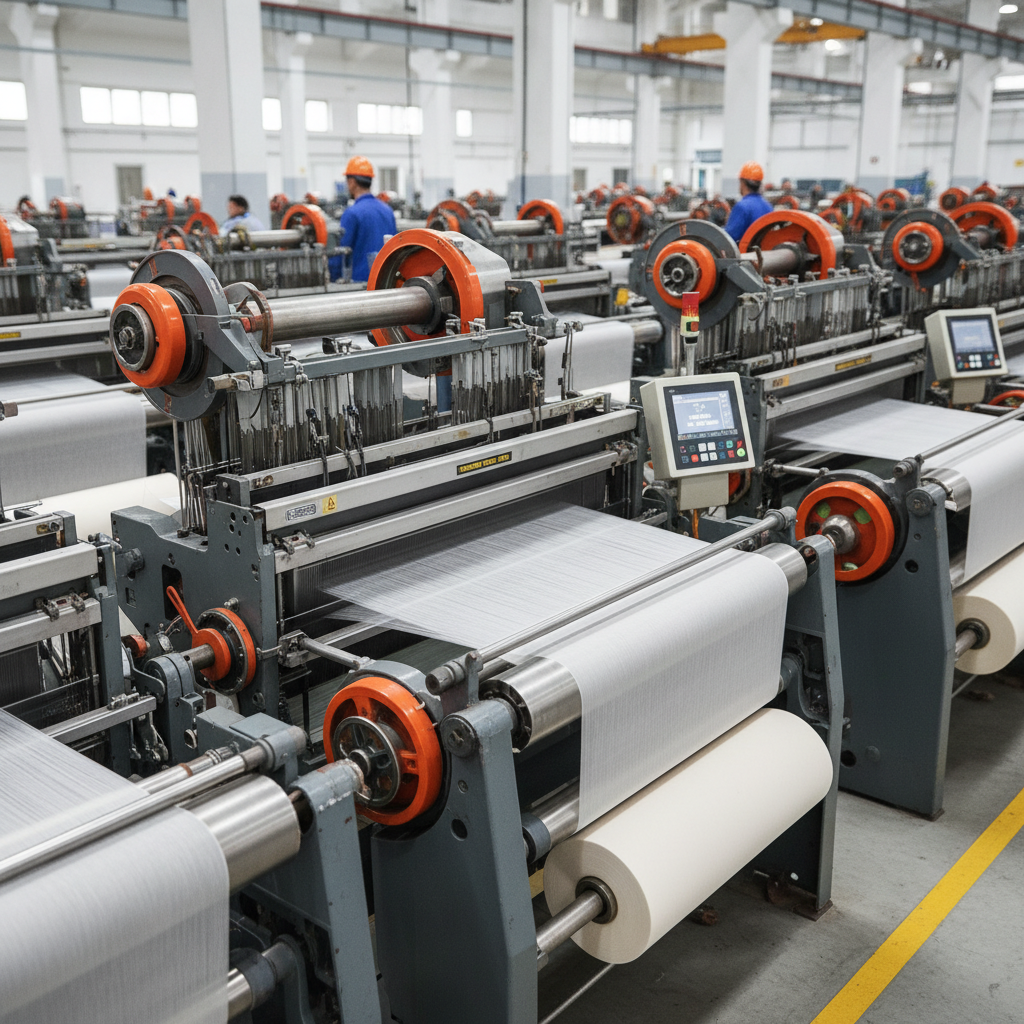
Rapier loom weaving machine find applications across a diverse range of industries worldwide. They are extensively used in the production of apparel fabrics, including cotton, polyester, and blended materials. The ability to weave complex patterns and structures makes them ideal for creating high-fashion textiles and specialized fabrics.
Beyond apparel, rapier looms are employed in the manufacturing of home textiles such as upholstery, curtains, and bedding. They also play a critical role in producing technical textiles used in industrial applications, including automotive components, filtration systems, and geotextiles. Regions with established textile industries, like China, India, and Southeast Asia, represent significant markets for these machines.
Advantages and Limitations of rapier loom weaving machine
The advantages of rapier loom weaving machine are numerous. They offer a high degree of versatility, capable of weaving a wide variety of yarn types and fabric structures. They also excel in producing fabrics with intricate designs and patterns. Furthermore, rapier looms generally operate at high speeds and boast relatively low noise levels compared to other weaving technologies.
However, rapier looms also have certain limitations. They can be more complex to maintain and repair than simpler weaving machines, requiring skilled technicians. The initial investment cost can be significant, and the machine’s performance can be sensitive to yarn quality and operator skill. The rapiers themselves are also subject to wear and tear, requiring periodic replacement.
Despite these limitations, the benefits often outweigh the drawbacks, especially for manufacturers producing high-value-added fabrics.
Future Trends in rapier loom weaving machine Technology
The future of rapier loom weaving machine technology is focused on increased automation, enhanced efficiency, and improved sustainability. The integration of artificial intelligence (AI) and machine learning (ML) is enabling predictive maintenance, optimizing weaving parameters, and reducing fabric defects. Digitalization and the Industrial Internet of Things (IIoT) are also playing a crucial role, allowing for real-time data monitoring and remote diagnostics.
Developments in material science are leading to the creation of lighter, stronger, and more durable rapier components. Energy efficiency is another key focus, with manufacturers exploring new drive systems and optimized machine designs to reduce energy consumption. Sustainable manufacturing practices, such as the use of recycled materials and reduced water usage, are also gaining prominence.
The trend towards customization and on-demand manufacturing is driving the need for more flexible and adaptable weaving solutions, further fueling innovation in rapier loom weaving machine technology.
Summary of Key Challenges and Potential Solutions for rapier loom weaving machine
| Challenge |
Impact on Performance |
Potential Solution |
Implementation Cost (1-10) |
| Yarn Breakage |
Reduced Production Uptime |
Advanced Yarn Breakage Detection Systems |
6 |
| Rapier Wear |
Increased Maintenance Costs |
Durable Rapier Materials (e.g., Carbon Fiber) |
8 |
| Fabric Defects |
Reduced Fabric Quality |
AI-Powered Defect Detection |
7 |
| Energy Consumption |
Increased Operational Costs |
Energy-Efficient Drive Systems |
5 |
| Operator Skill Gap |
Inconsistent Fabric Quality |
Automated Machine Control |
9 |
| Limited Customization |
Inability to Meet Specific Demands |
Modular Rapier Loom Design |
7 |
FAQS
Rapier looms excel in versatility, handling a wide range of yarn types and complex weave structures, including intricate patterns. They offer high speeds, relatively low noise levels, and greater control over weft insertion compared to shuttle or air-jet looms, making them ideal for producing high-quality, specialized fabrics.
Higher automation levels, incorporating features like automatic weft selection, fault detection, and self-diagnosis, significantly increase efficiency. These features reduce downtime, minimize human error, and optimize weaving parameters, leading to increased production throughput and reduced waste.
Regular maintenance includes lubricating moving parts, inspecting and replacing worn rapiers, cleaning the shedding and beat-up mechanisms, and checking the tensioning systems. Preventive maintenance schedules and skilled technicians are crucial to minimize downtime and ensure optimal performance. Modern machines often include diagnostic tools to aid in maintenance.
Rapier material significantly impacts speed, durability, and fabric quality. Carbon fiber rapiers are lightweight and strong, allowing for higher speeds and reduced inertia. Aluminum alloy rapiers offer a balance of strength and cost-effectiveness. The appropriate material choice depends on the specific weaving application and fabric type.
Yarn quality is paramount. Uneven yarn tension, variations in yarn diameter, or the presence of impurities can lead to yarn breaks, fabric defects, and reduced machine efficiency. Using high-quality yarns with consistent properties is crucial for optimal performance and minimizing downtime.
Modern rapier looms often incorporate energy-efficient drive systems and optimized designs that reduce energy consumption. They also minimize fabric waste through precise weft insertion and defect detection. Some manufacturers are exploring the use of recycled materials in machine construction, contributing to a more sustainable textile production process.
Conclusion
In conclusion, the rapier loom weaving machine remains a cornerstone of the modern textile industry, offering unmatched versatility, precision, and efficiency. From its historical roots to the latest technological advancements, the machine continues to evolve, adapting to the changing demands of a global market. Understanding its core principles, components, and applications is vital for manufacturers seeking to optimize their production processes and achieve a competitive edge.
Looking ahead, the future of rapier loom technology lies in further automation, integration of AI and machine learning, and a commitment to sustainability. Investing in these innovations will not only improve efficiency and reduce costs but also contribute to a more responsible and environmentally conscious textile industry. Visit our website at www.aphkmachinery.com to learn more about our range of rapier loom solutions.