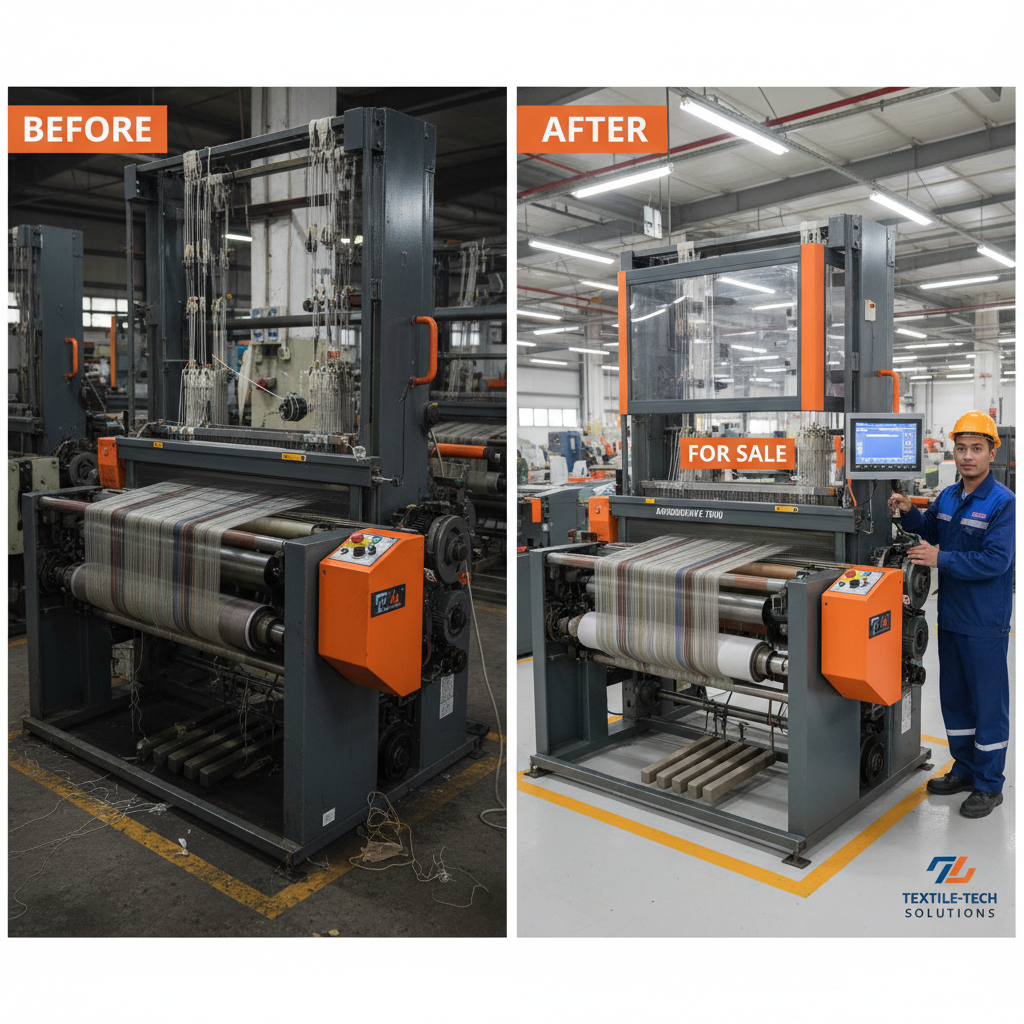


The evolution of textile machinery has reached a pivotal point with the integration of the rapier power loom, a sophisticated system designed to handle complex weaving patterns with unprecedented precision. In an era where industrial textiles demand both high strength and intricate detail—ranging from carbon fiber reinforcements to high-end window screens—the ability to precisely insert weft yarns is paramount. Understanding the mechanics and applications of this technology is essential for manufacturers seeking to optimize their production throughput while maintaining strict quality standards.
Globally, the demand for specialized technical fabrics has surged, pushing the boundaries of traditional weaving. The
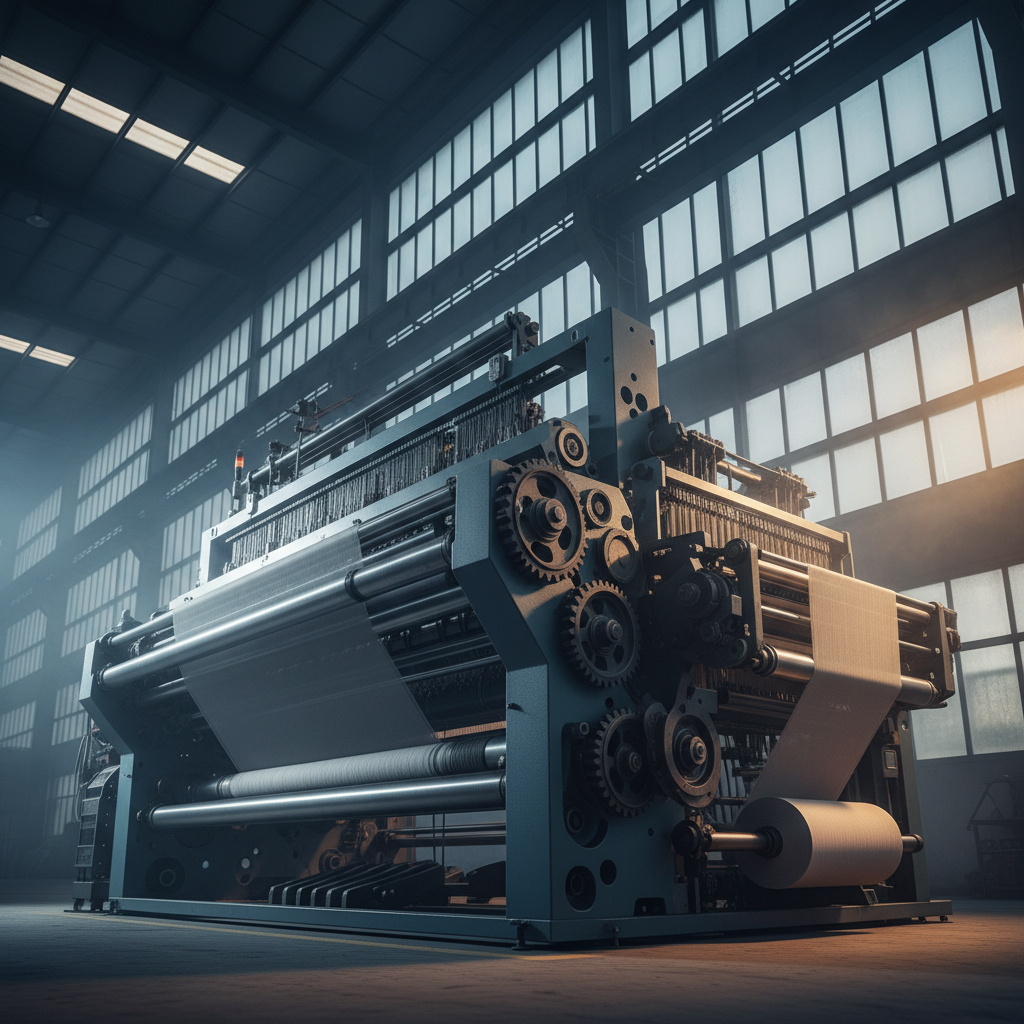
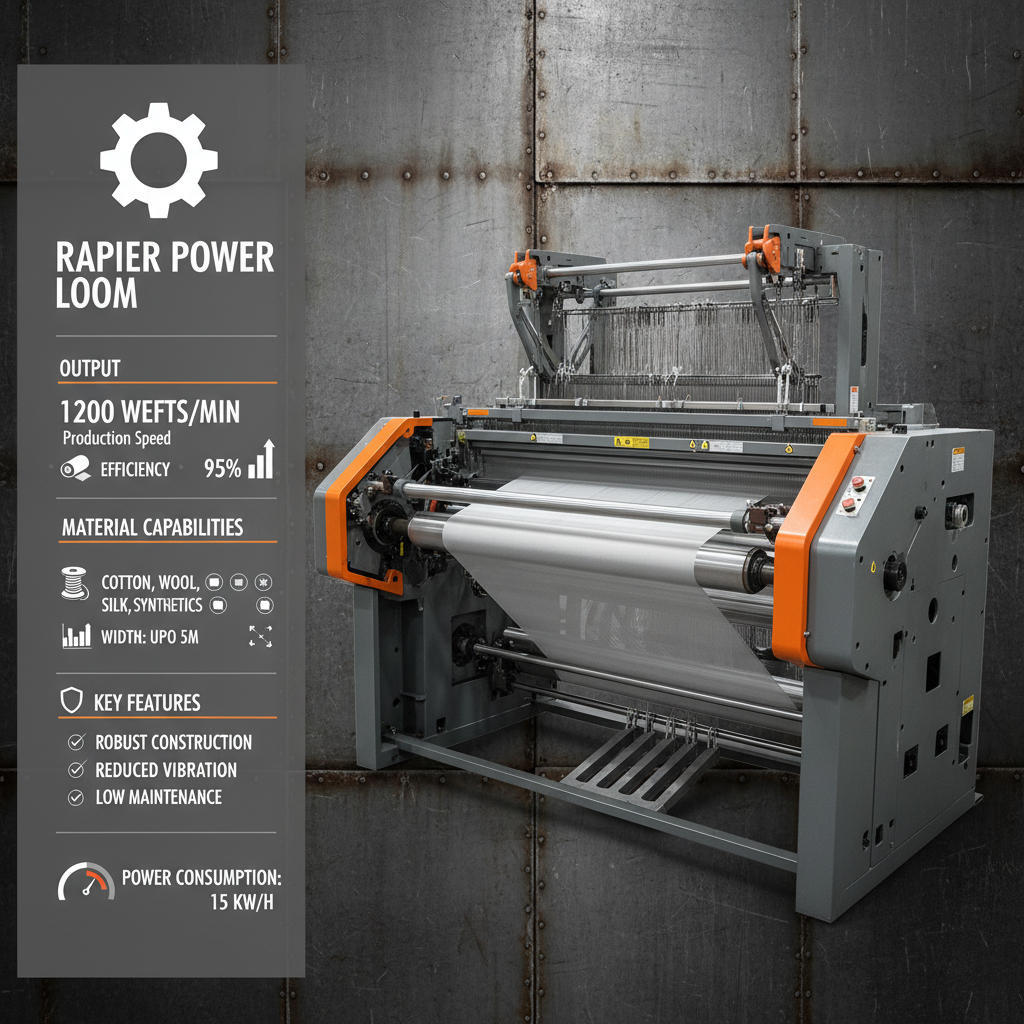
In the current global economic landscape, the textile industry is shifting from mass production of basic apparel to the high-value production of technical fabrics. According to ISO standards for industrial textiles, the precision of weft insertion is the primary determinant of fabric structural integrity. The rapier power loom has become the gold standard for this transition, providing the necessary tension control to weave carbon fiber and fiberglass without damaging the delicate filaments.
Across industrial hubs in Asia and Europe, manufacturers are facing a critical challenge: the need for "small-batch, high-variety" production. Traditional shuttle looms are too slow, and air-jet looms lack the versatility to handle heavy or abrasive yarns. The rapier system solves this by using a mechanical gripper to pull the yarn across the shed, making it the most reliable choice for producing the specialized meshes used in window screens and industrial filtration.
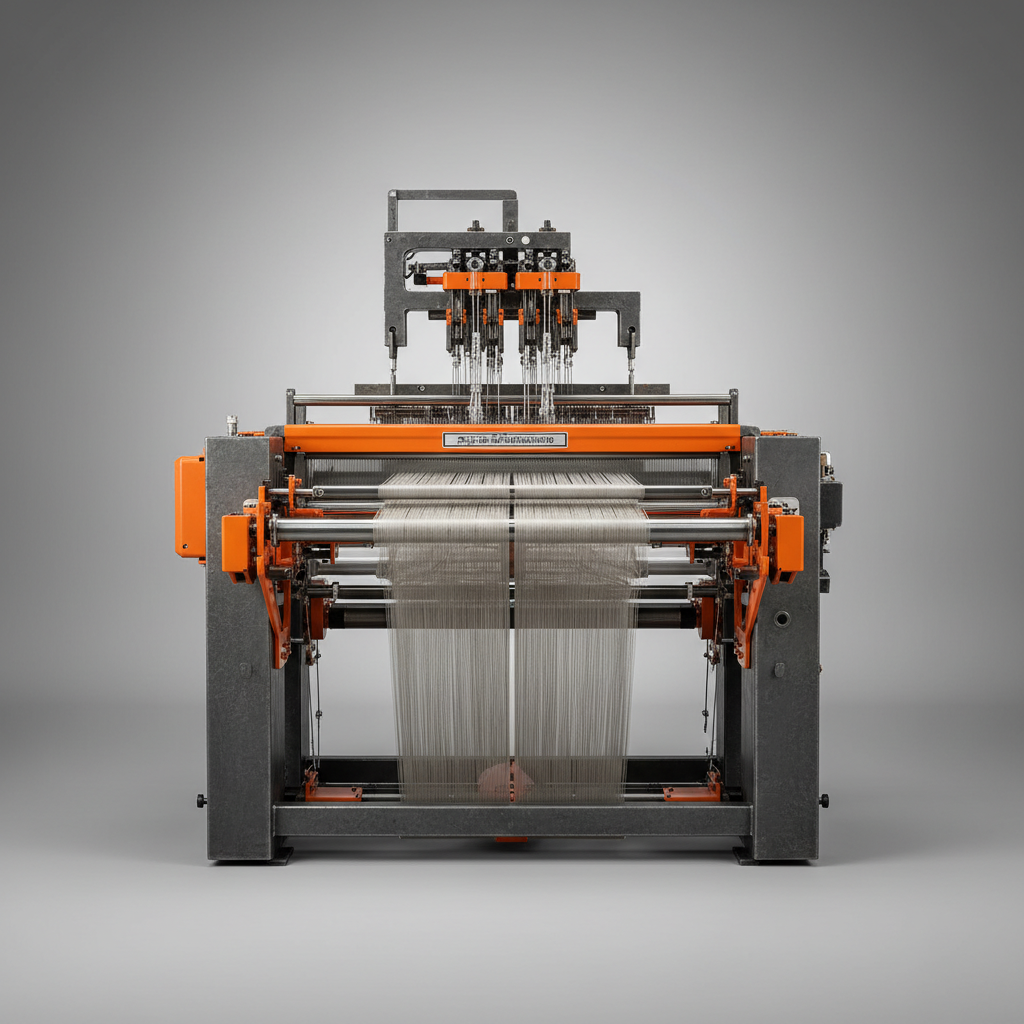
At its core, a rapier power loom is a mechanized weaving machine that uses flexible or rigid "rapiers" (metal rods or tapes) to carry the weft yarn from one side of the loom to the other. Unlike projectile or air-jet systems, the rapier physically grips the yarn, ensuring a positive transfer that is virtually immune to the aerodynamic instabilities that plague other high-speed methods. This makes it indispensable for weaving heavy-duty industrial fabrics.
This technology is deeply connected to modern humanitarian and industrial needs. For instance, the production of high-strength PE and PET meshes for reinforced infrastructure—such as geogrids used in road construction to prevent soil erosion—relies heavily on the consistent tension provided by rapier systems. By ensuring that every thread is exactly where it needs to be, the loom guarantees the load-bearing capacity of the final product.
Beyond heavy industry, the rapier loom is the engine behind the "technical textile" revolution. From medical-grade bandages to aerospace composites, the ability to integrate multiple weft colors or materials in a single pick allows for the creation of multi-functional fabrics. This versatility transforms the loom from a simple machine into a precision tool for material science.
The operational success of a rapier power loom depends on several key factors, primarily its mechanical durability. The rapier heads and tapes must be manufactured from high-grade alloys to withstand millions of cycles of rapid acceleration and deceleration without warping, which ensures that the fabric remains free of defects over long production runs.
Scalability is another critical component. Modern rapier systems are designed with modular frames that allow for easy width adjustments, meaning a single rapier power loom can be adapted to produce everything from narrow industrial ribbons to wide-format window screens, reducing the need for multiple specialized machines.
Finally, cost efficiency is achieved through the integration of electronic let-off and take-up motions. By utilizing servo motors to maintain constant warp tension, the loom minimizes yarn breakage and waste. This precision not only lowers the cost per meter of fabric but also enhances the overall reliability of the weaving process, ensuring that the finished technical textile meets rigorous industry certifications.
When evaluating the efficacy of a rapier power loom, engineers focus on the "picks per minute" (PPM) and the versatility index. While air-jet looms might offer higher raw speeds, the rapier loom excels in "complex pick" efficiency—the ability to change weft yarns rapidly without stopping the machine. This makes it the superior choice for high-end fiberglass and carbon fiber weaving where material costs are high and waste must be zero.
The scalability of these machines allows them to be deployed in various environments, from high-tech factories in Germany to emerging industrial zones in Southeast Asia. The ability to handle diverse yarn counts means a factory can pivot its entire production line from PE window screen mesh to heavy industrial canvas in a matter of hours, providing a significant hedge against market volatility.
The application of the rapier power loom spans across diverse sectors. In the aerospace and automotive industries, these looms are used to weave carbon fiber and fiberglass preforms, which are then infused with resin to create lightweight, ultra-strong components. The precision of the rapier ensures that the fiber orientation is exact, which is critical for the structural safety of a aircraft wing or a race car chassis.
In the realm of civil engineering, rapier looms produce the high-tenacity PET and PPE meshes used for window screens and industrial filtering. In remote industrial zones where infrastructure is developing, the deployment of these looms allows local manufacturers to produce high-quality geotextiles for soil stabilization, directly contributing to the durability of roads and bridges in disaster-prone areas.
Investing in a rapier power loom offers tangible long-term value through the reduction of material waste. Because the rapier system has a positive grip on the yarn, there is significantly less "weft waste" compared to air-jet looms, where yarn must be cut at specific lengths. This sustainability angle is increasingly important as global brands push for "Green Textile" certifications and lower carbon footprints.
Beyond the logical economic gains, there is a profound impact on the dignity of labor and innovation. Modern rapier looms are designed with intuitive HMI (Human-Machine Interface) panels, transforming the role of the operator from a manual laborer to a technical manager. This shift encourages a culture of trust and skill development within the workforce, as operators learn to program complex patterns digitally.
The reliability of the rapier system also ensures consistent quality, which builds long-term trust between the manufacturer and the end client. In industries like medical textiles, where a single flaw in the weave could render a product useless, the unwavering precision of the rapier power loom provides the peace of mind necessary for high-stakes production.
The future of the rapier power loom lies in the intersection of IoT (Internet of Things) and AI-driven predictive maintenance. We are seeing the emergence of "Smart Looms" that can detect a yarn break or a mechanical misalignment in real-time, adjusting the tension automatically to prevent a defect before it occurs. This digital transformation is reducing downtime from hours to seconds.
Furthermore, the integration of green energy is becoming a priority. New generations of rapier looms are utilizing energy-recovery systems that capture the kinetic energy from the rapier's return stroke and feed it back into the power grid. This not only lowers operational costs but aligns the textile industry with global sustainability goals and ISO energy-efficiency standards.
As we move toward Industry 4.0, the rapier loom will likely be integrated into fully automated "lights-out" factories. Through cloud-based pattern management, a designer in New York could send a weaving file to a rapier power loom in Vietnam, which would then automatically configure its settings and begin production without human intervention.
| Material Type | Weaving Complexity | Tension Stability (1-10) | Production Yield |
|---|---|---|---|
| Carbon Fiber | Ultra-High | 10 | High Precision |
| Fiberglass | High | 9 | Consistent |
| PET Window Screen | Medium | 8 | Mass Volume |
| PPE Mesh | Medium | 8 | Very High |
| Aramid Fiber | High | 9 | Specialized |
| Industrial Polyester | Low-Medium | 7 | Extreme Volume |
The rapier power loom offers significantly higher speeds and far greater versatility. While shuttle looms are limited by the weight of the shuttle and simplistic patterns, the rapier system uses a precision gripper to handle a wide variety of yarn types—including abrasive fiberglass—without causing damage. This results in a cleaner finish, higher production rates, and the ability to weave complex industrial designs that are impossible on traditional shuttle equipment.
Yes, that is one of the primary advantages of the rapier system. Because it physically grips the weft yarn, it can be adjusted to handle different yarn thicknesses and tensions. By simply changing the rapier head settings or the tension controllers, a manufacturer can switch from the extreme rigidity required for carbon fiber to the flexibility needed for PE/PET window screen machines, making it a highly cost-effective multipurpose investment.
Sustainability is achieved through the drastic reduction of yarn waste. Unlike air-jet looms that may waste yarn during the cutting process of each pick, the rapier system carries the yarn precisely to the edge of the fabric. Additionally, modern energy-saving motors and the ability to use recycled technical yarns without losing structural integrity make the rapier loom a key component of the circular textile economy.
Maintenance primarily focuses on the rapier tapes and heads, which are subject to high wear. Regular lubrication of the mechanical drives and periodic inspection of the gripper mechanism are essential. However, with the advent of AI-driven predictive maintenance, many modern looms now alert operators to potential failures before they happen, reducing unplanned downtime and extending the overall lifespan of the machine.
Absolutely. While they are used in massive factories, the modularity of the rapier loom makes it ideal for specialty workshops that produce high-value, low-volume technical textiles. The ability to change patterns and materials quickly allows small businesses to compete in the "customized industrial" market, providing bespoke fiberglass or mesh products to niche clients without the need for a massive infrastructure.
Thanks to modern HMI interfaces and digital controllers, the learning curve has flattened significantly. A basic operator can be trained on machine start-stop and basic monitoring within a few days. However, becoming a "master weaver" capable of optimizing tension settings for exotic materials like carbon fiber typically takes a few weeks of guided practice. Most machines now come with built-in tutorials and diagnostic tools to speed up this process.
The rapier power loom stands as a cornerstone of modern industrial textile manufacturing, bridging the gap between traditional craftsmanship and high-tech material science. By providing unparalleled versatility in yarn handling, exceptional tension control, and the ability to scale across various technical materials, it empowers manufacturers to meet the rigorous demands of the aerospace, automotive, and construction industries. Its role in reducing waste and integrating digital intelligence ensures that it remains relevant in an era of sustainable and automated production.
Looking forward, the continued integration of IoT and green energy will further solidify the rapier loom's position as the engine of technical textile innovation. For businesses aiming to future-proof their production lines, investing in this technology is not just an upgrade in machinery, but a strategic move toward higher quality and greater market agility. We invite you to explore our full range of industrial weaving solutions to see how we can elevate your production capabilities. Visit our website: www.aphkmachinery.com