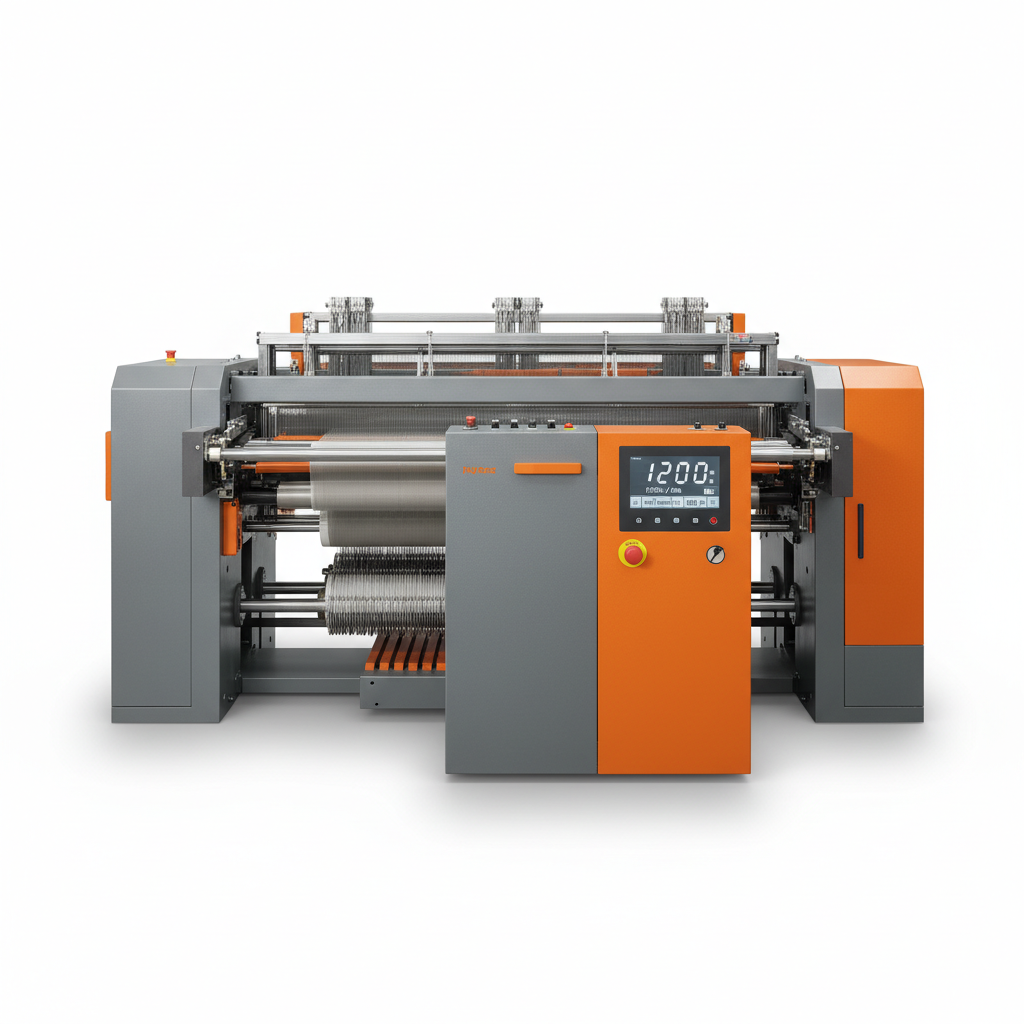
The dynamic rapier loom represents a pivotal advancement in the textile industry, offering a versatile and efficient solution for weaving a wide array of fabrics. Its adaptability to diverse materials and weaving patterns has made it a cornerstone of modern textile production globally. Understanding the principles and applications of the dynamic rapier loom is crucial for professionals and enthusiasts alike, driving innovation and efficiency in a competitive market.
The global demand for textiles continues to rise, fueled by population growth and evolving fashion trends. The dynamic rapier loom addresses the need for high-speed, flexible, and reliable weaving technology capable of meeting this demand. Statistical data from organizations like the World Trade Organization (WTO) show a consistent increase in global textile trade, making efficient weaving solutions like the dynamic rapier loom increasingly important.
A significant challenge within the textile industry is balancing production speed with fabric quality and design complexity. The dynamic rapier loom provides a solution by offering precise control over the weaving process, enabling the creation of intricate designs and high-quality fabrics at impressive production rates. This technology is critical for maintaining competitiveness and meeting the demands of a rapidly changing market, and is a key component in companies like dynamic rapier loom manufacturers.
Defining the Dynamic Rapier Loom
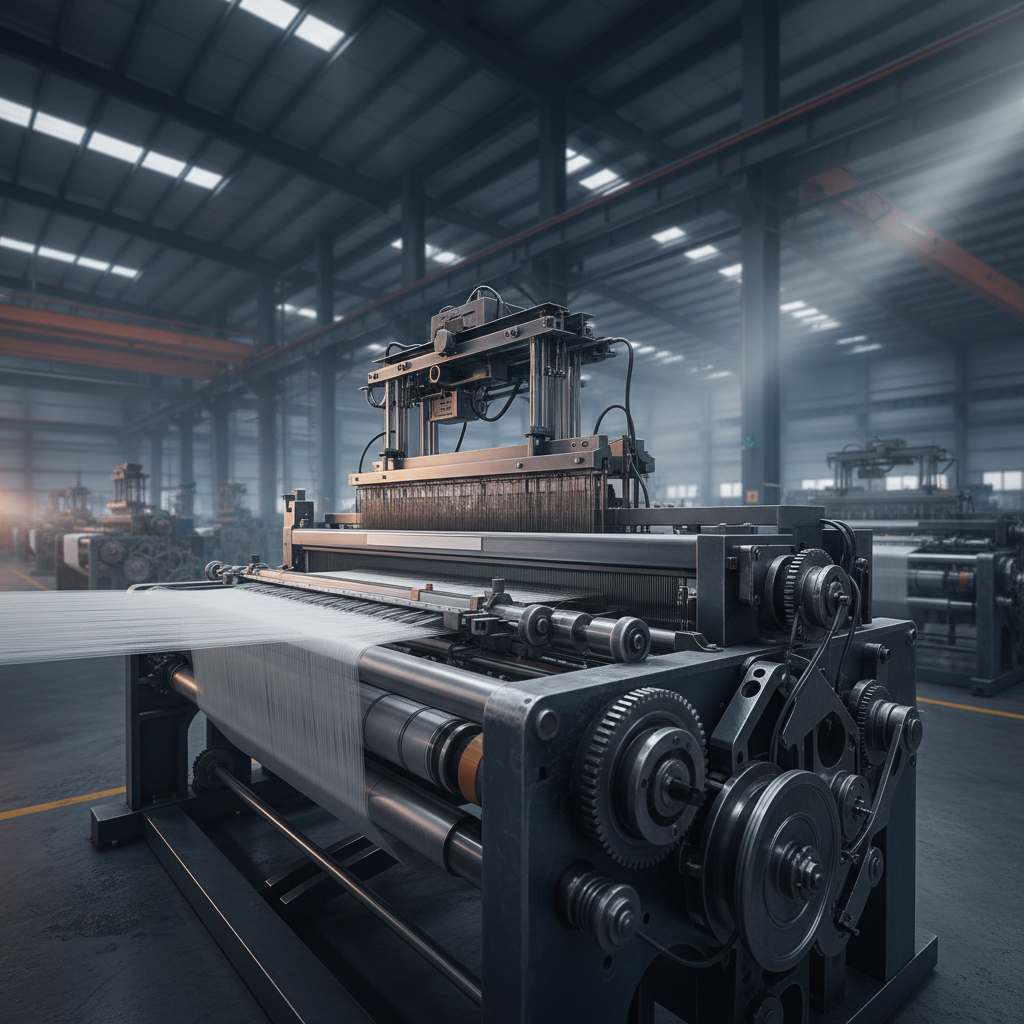
A dynamic rapier loom is a weaving machine that utilizes a pair of rapier carriers to transfer the weft yarn across the warp yarns. Unlike shuttle looms, rapier looms don't launch the weft yarn through the shed. Instead, the rapier carriers – long, slender tools – grip the yarn and propel it across, making them suitable for a wider range of yarn types and fabric widths.
This technology is deeply connected to modern industrial production, particularly in the textile industry. The ability to weave complex patterns and diverse materials efficiently has made dynamic rapier looms essential for producing everything from apparel fabrics to technical textiles. dynamic rapier loom technology continues to evolve, offering solutions for demanding applications.
Global Significance and Industry Context
The textile industry is a major global economic force, providing employment to millions and contributing significantly to international trade. Dynamic rapier looms play a crucial role within this industry, enabling efficient production of a vast array of fabrics used in clothing, home furnishings, and industrial applications. The demand for these looms is particularly strong in textile manufacturing hubs like China, India, and Bangladesh.
Data from the Food and Agriculture Organization of the United Nations (FAO) highlights the substantial growth in global textile production over the past decades. This growth is driven by increasing consumer demand and the expanding economies of developing nations. Dynamic rapier looms are essential for meeting this demand efficiently and sustainably. The need for increased production speed and fabric complexity is a major driving factor.
A significant challenge facing the textile industry is the need to reduce environmental impact while maintaining production efficiency. Traditional weaving methods can be wasteful and energy-intensive. Dynamic rapier looms, with their precision and control, offer opportunities for reducing waste and optimizing energy consumption, aligning with global sustainability goals.
Core Components and Operational Principles
The core of a dynamic rapier loom lies in its rapier carriers, which are typically made of steel or carbon fiber. These carriers are guided through the shed of warp yarns by a complex system of tracks and mechanisms. A key feature is the dynamic flexibility of the carriers, allowing them to navigate intricate weaving patterns. A central processing unit controls the timing and coordination of these movements.
The operational principle revolves around the transfer of the weft yarn. One rapier carrier receives the yarn from a supply source, and then propels it across the shed to the other carrier, which secures it on the opposite side. This transferring action happens smoothly and precisely, ensuring consistent fabric quality. The dynamic action of the rapier is what enables weaving of varied structures.
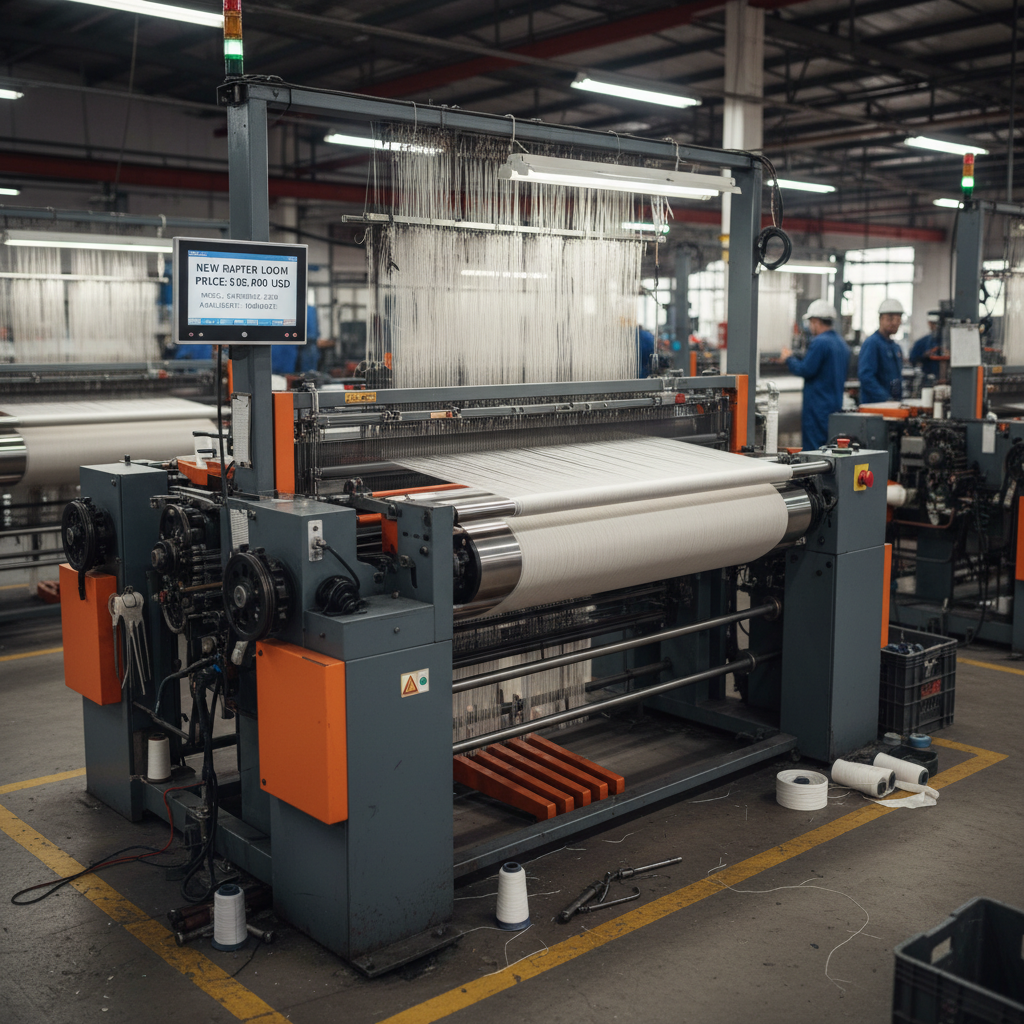
Beyond the rapier carriers, other crucial components include the warp let-off mechanism, the take-up roll, and the control system. The warp let-off ensures a consistent supply of warp yarn, while the take-up roll winds the finished fabric. The control system, often computerized, manages all aspects of the weaving process, ensuring precision and efficiency.
Key Performance Indicators of Dynamic Rapier Looms
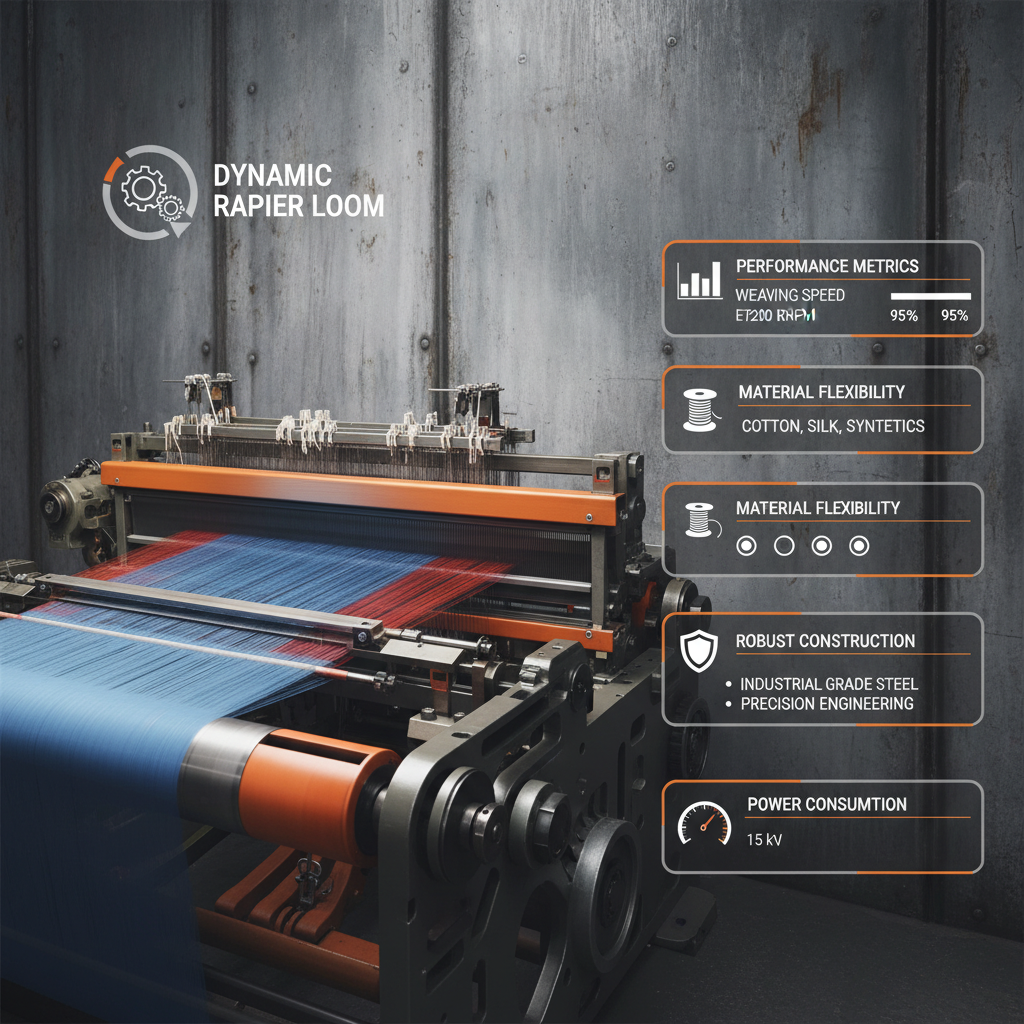
Evaluating the performance of a dynamic rapier loom requires consideration of several key indicators. Production speed, measured in revolutions per minute (RPM), is a primary factor. Fabric quality, assessed through parameters like weave density, yarn breakage rate, and defect levels, is equally important. The ability to handle diverse yarn types and weave complex patterns is another critical KPI.
Efficiency is also crucial. This encompasses factors like energy consumption per unit of fabric produced, maintenance requirements, and downtime. Lower energy consumption and reduced downtime translate to cost savings and increased profitability. Modern dynamic rapier loom models prioritize these efficiencies.
Dynamic Rapier Loom Performance Metrics
Diverse Applications Across Industries
Dynamic rapier looms are incredibly versatile, finding applications across numerous industries. The apparel industry relies heavily on these looms for producing a wide range of fabrics, from lightweight cottons to durable synthetics. Home textiles, including upholstery, curtains, and bedding, also benefit from the precision and efficiency of rapier weaving.
Beyond these traditional sectors, dynamic rapier looms are used in the production of technical textiles. These include fabrics for automotive interiors, medical applications, and industrial filters. The ability to weave complex structures and incorporate specialized yarns makes rapier looms ideal for these demanding applications.
Advantages and Long-Term Value Proposition
The advantages of using dynamic rapier looms are multifaceted. They offer high production speeds, excellent fabric quality, and the ability to weave a wide range of materials and patterns. This translates to increased profitability, reduced waste, and greater design flexibility. The long-term value proposition lies in the ability to adapt to changing market demands.
From a sustainability perspective, modern rapier looms are designed to minimize energy consumption and reduce waste. This aligns with growing consumer demand for eco-friendly products and supports responsible manufacturing practices. The durability and reliability of these machines also contribute to their long-term value, reducing maintenance costs and downtime.
Future Trends and Technological Advancements
The future of dynamic rapier loom technology is focused on automation, digitalization, and sustainability. Integration with artificial intelligence (AI) and machine learning (ML) is enabling predictive maintenance, optimized weaving parameters, and improved quality control. Digital twins – virtual replicas of the loom – are being used for simulation and training purposes.
New materials, such as carbon fiber and advanced polymers, are being incorporated into rapier carriers and loom components to reduce weight and increase durability. The development of energy-efficient drive systems and waste recycling technologies is also a priority, contributing to a more sustainable textile industry.
Furthermore, the trend towards customized and on-demand manufacturing is driving the development of flexible rapier loom systems capable of quickly adapting to different designs and production runs. dynamic rapier loom manufacturers are actively investing in research and development to meet these evolving needs.
FAQS
Dynamic rapier looms offer significantly greater versatility in the types of yarns and fabrics they can handle. They don’t launch the weft across the shed, reducing the risk of damage to delicate yarns. They also enable faster production speeds and more complex weave patterns compared to traditional shuttle looms. This leads to increased efficiency, reduced waste, and enhanced design possibilities.
Maintenance frequency depends on usage and the specific loom model. However, modern dynamic rapier looms are designed for relatively low maintenance. Routine tasks include lubrication, inspection of rapier carriers, and replacement of worn parts. Predictive maintenance, utilizing sensors and data analytics, is becoming increasingly common, allowing for proactive interventions and minimizing downtime.
Energy consumption varies based on loom size, weaving speed, and fabric type. Newer models feature energy-efficient drive systems and optimized control algorithms to minimize energy usage. Generally, dynamic rapier looms consume less energy per unit of fabric produced compared to older shuttle looms, contributing to lower operating costs and a reduced environmental footprint.
Yes, dynamic rapier looms are exceptionally well-suited for weaving technical textiles. Their precision and control allow for the incorporation of specialized yarns, such as carbon fiber, aramid, and fiberglass. They can produce fabrics with intricate structures and specific performance characteristics for applications in automotive, aerospace, medical, and industrial sectors.
With proper maintenance and care, a dynamic rapier loom can have a lifespan of 20-30 years or even longer. The durability of modern looms, coupled with the availability of spare parts and upgrade options, ensures a significant return on investment. Regular inspections, timely repairs, and adherence to manufacturer recommendations are crucial for maximizing the loom’s lifespan.
Digitalization is transforming dynamic rapier loom operations through features like real-time monitoring, data analytics, and remote control. Operators can track key performance indicators, identify potential issues, and optimize weaving parameters remotely. Integration with enterprise resource planning (ERP) systems streamlines production planning and inventory management, improving overall efficiency.
Conclusion
In conclusion, the dynamic rapier loom stands as a cornerstone of modern textile manufacturing, offering a powerful combination of versatility, efficiency, and precision. Its ability to adapt to diverse materials and weave complex patterns has made it indispensable across a wide range of industries. Continuous advancements in automation, digitalization, and sustainability are further enhancing its value and ensuring its continued relevance in the evolving textile landscape.
Looking ahead, the integration of AI and machine learning, coupled with the development of eco-friendly materials and processes, will unlock new possibilities for dynamic rapier loom technology. Investing in these advancements is crucial for manufacturers seeking to maintain competitiveness, reduce environmental impact, and meet the growing demand for high-quality, sustainable textiles. Visit our website at www.hkmeshmachine.com to learn more about our dynamic rapier loom solutions.