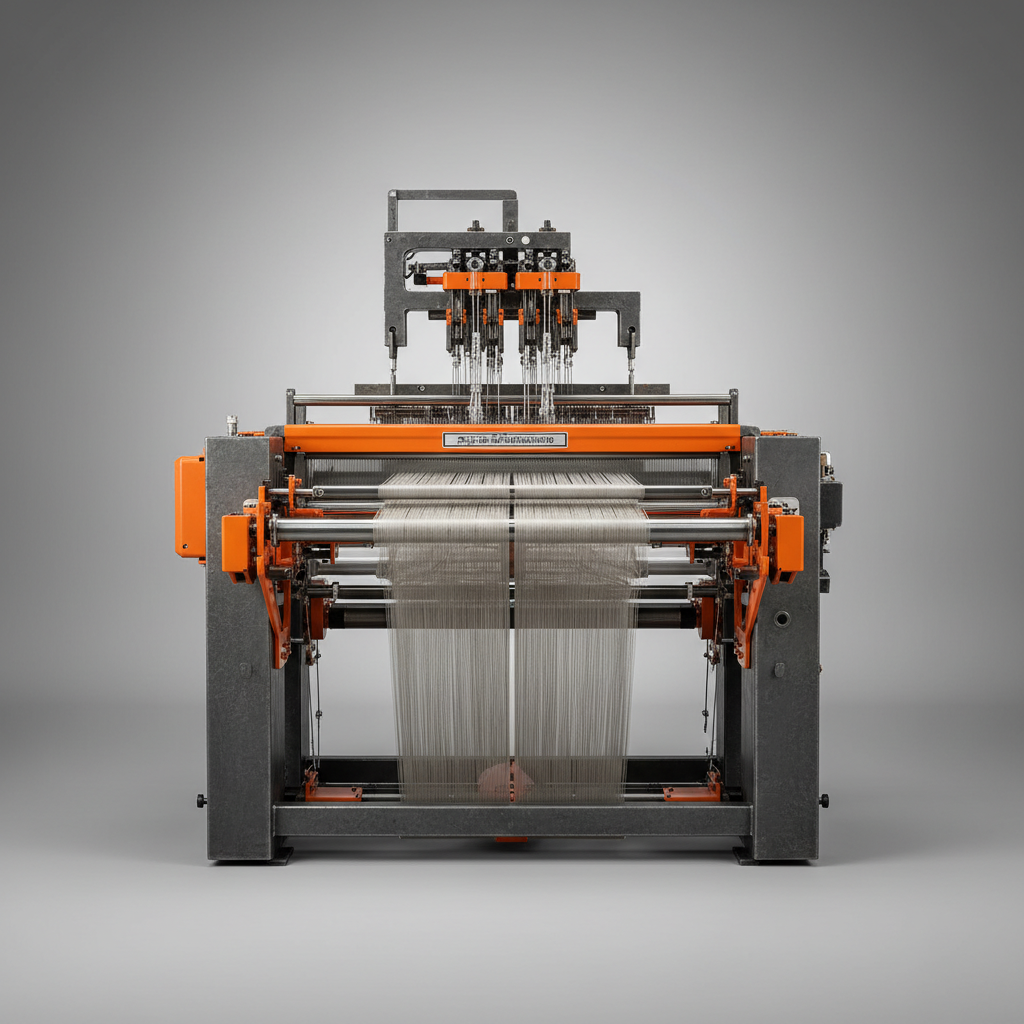
The global textile industry is a cornerstone of economic activity, and within it, weaving technology plays a crucial role. The flexible rapier loom represents a significant advancement, offering unparalleled versatility in fabric production. This technology impacts everything from apparel and home furnishings to industrial textiles, driving innovation and efficiency across diverse sectors. Understanding the principles and applications of flexible rapier looms is paramount for professionals in textile manufacturing, design, and engineering, as well as anyone interested in the evolution of this vital industry.
The demand for varied and customized fabrics is continually increasing, fueled by consumer preferences and specialized industrial needs. Traditional looms often struggle to meet this demand efficiently. The flexible rapier loom addresses this challenge by allowing for rapid changeovers between different yarn types, weave structures, and fabric widths. This adaptability reduces downtime, minimizes waste, and enables manufacturers to respond quickly to changing market trends, making it a competitive advantage in a fast-paced global market.
Furthermore, the evolution of flexible rapier loom technology directly correlates with improvements in sustainability and resource efficiency within the textile industry. Modern looms incorporate features that minimize energy consumption and reduce material waste, contributing to a more environmentally responsible production process. As the world increasingly prioritizes sustainable practices, the role of innovative weaving technologies like the flexible rapier loom becomes even more critical.
The Core Principles of flexible rapier loom
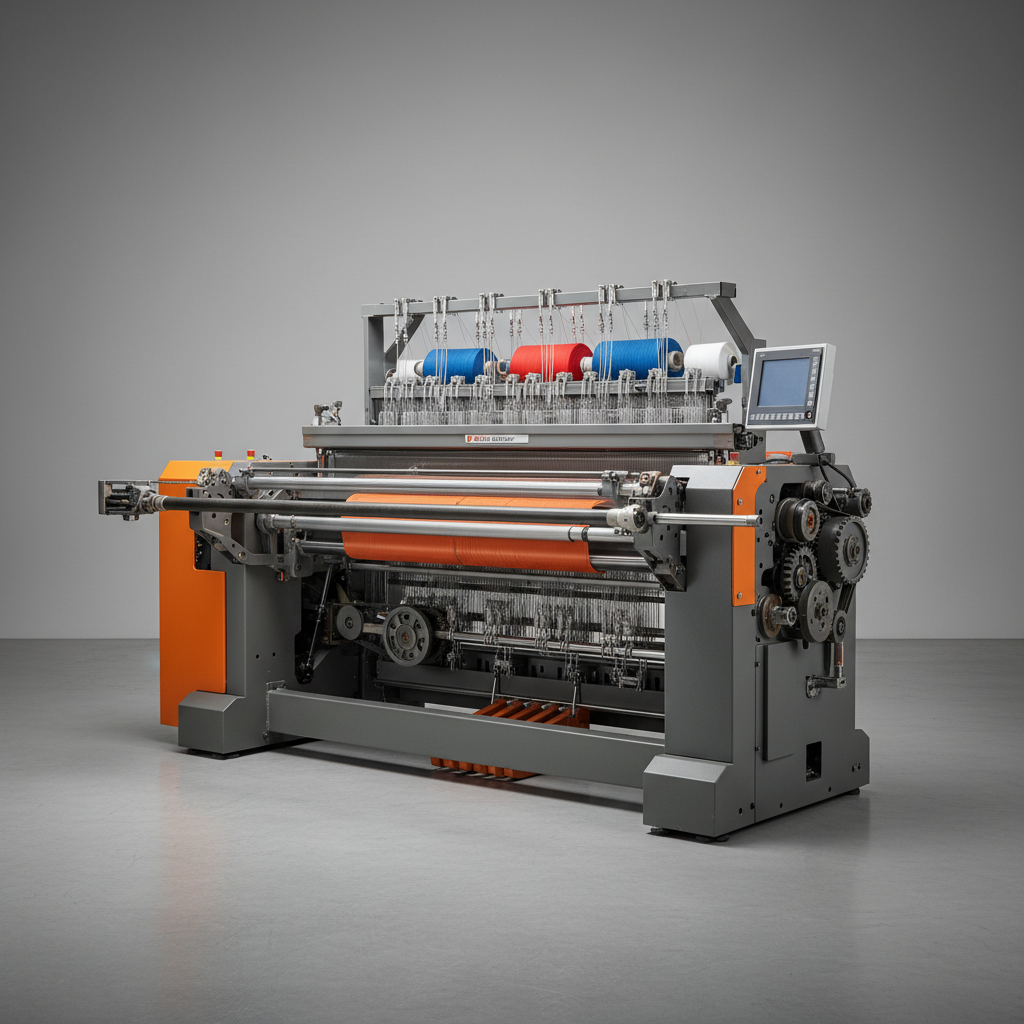
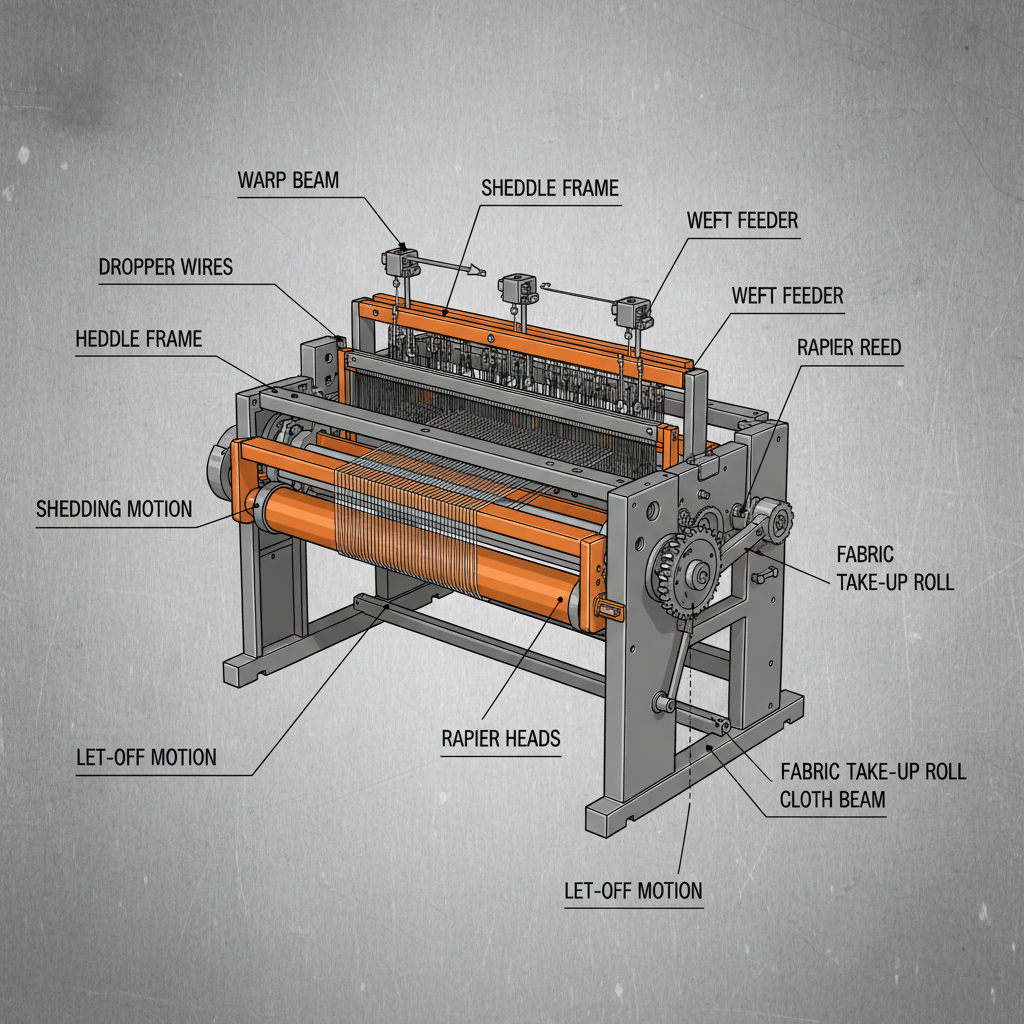
At its heart, the flexible rapier loom utilizes a pair of rapier heads – long, slender carriers – to interlace the weft yarn (running horizontally) through the warp yarns (running vertically). The 'flexible' aspect comes from the design of these rapier heads, allowing them to navigate complex weave patterns and accommodate various yarn types without compromising fabric quality or production speed. This flexibility sets it apart from other weaving technologies.
The precise coordination of these rapier heads, controlled by sophisticated electronic systems, is what enables the loom's versatility. Modern flexible rapier looms often feature independent rapier drives, allowing for customized weft insertion techniques and the creation of intricate fabric designs. This level of control is essential for meeting the demands of diverse textile applications.
Global Relevance and Market Dynamics
The textile industry is a significant global player, with a market size estimated at over $1.7 trillion in 2022 (source: Statista). Asia dominates textile production, accounting for approximately 70% of global output, with China leading the way. However, demand for high-quality, specialized fabrics is growing in developed markets such as North America and Europe, driving innovation in weaving technology.
The flexible rapier loom is increasingly vital in this landscape. Manufacturers are seeking ways to enhance efficiency, reduce costs, and improve product quality to remain competitive. The loom's ability to handle a wide range of materials and weave structures makes it a versatile solution for meeting these challenges.
A key challenge facing the industry is the need for greater sustainability. Consumers are demanding more environmentally friendly products, putting pressure on manufacturers to adopt cleaner production processes. Flexible rapier looms contribute to this effort by minimizing waste and optimizing resource utilization.
Defining the flexible rapier loom
The flexible rapier loom is a weaving machine that utilizes a pair of rapier heads to carry the weft yarn across the warp yarns, creating the fabric structure. What distinguishes it from other rapier looms, and indeed other weaving methods, is its exceptional adaptability. This is achieved through the flexible design of the rapier heads themselves and the advanced electronic control systems that govern their movement.
Unlike rigid rapier looms, which are limited to simpler weave patterns, the flexible variety can handle complex designs, varying yarn counts, and a broad spectrum of materials – including cotton, polyester, silk, and even specialized fibers. This versatility makes it indispensable in industries demanding high-performance textiles, from fashion to technical applications.
Its connection to modern industry extends beyond mere fabric production. The ability to rapidly prototype and manufacture small batches of specialized fabrics makes it ideal for design innovation and customized textile solutions, addressing the growing trend towards personalization and niche markets.
Key Features of flexible rapier loom
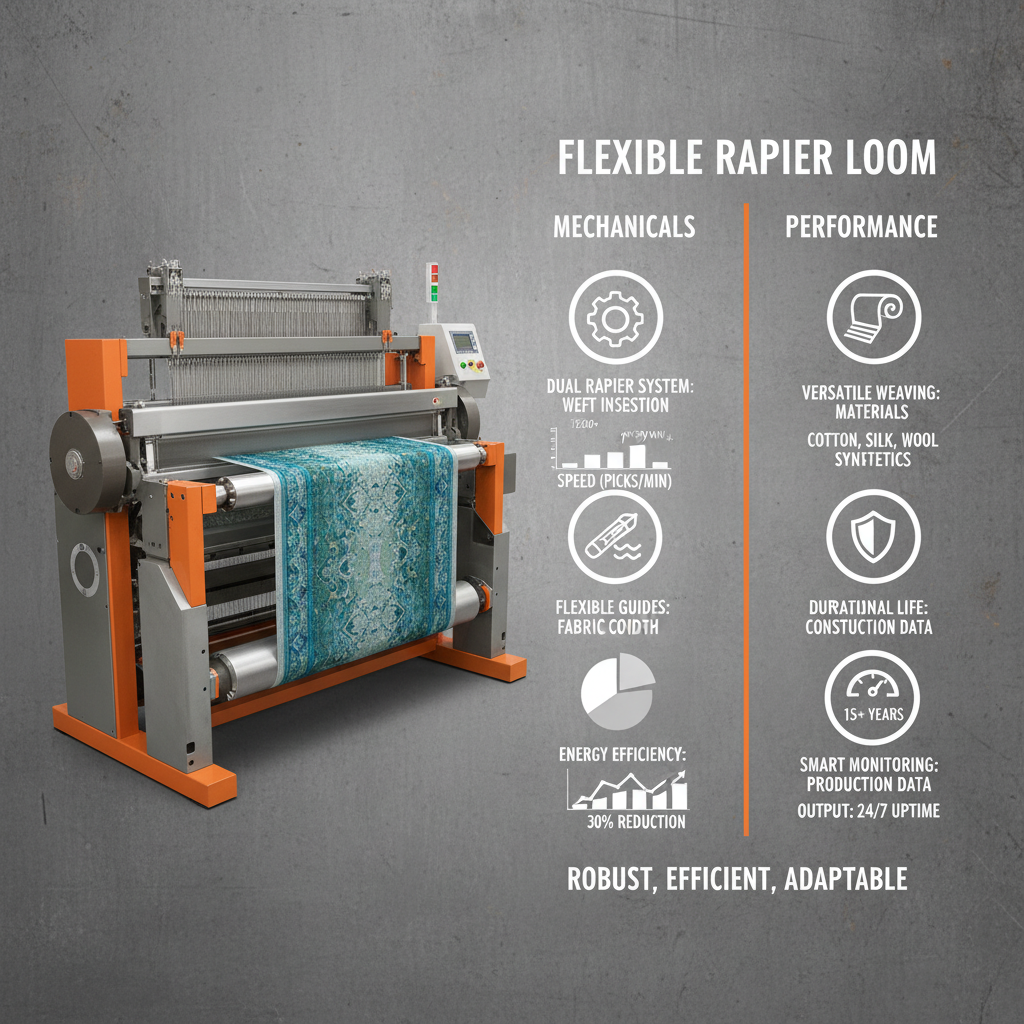
The defining characteristic of a flexible rapier loom lies in its adaptability. This is underpinned by several key features that contribute to its superior performance. First, the flexibility of the rapier heads, often constructed from carbon fiber or advanced composites, allows them to navigate complex shedding motions without damaging delicate yarns.
Secondly, independent rapier drives enable precise control over weft insertion, allowing for varied densities and specialized patterns. This feature is crucial for creating fabrics with specific properties, such as drape, texture, and strength.
flexible rapier loom Performance Metrics
Applications Across Industries
The flexible rapier loom finds widespread application across a multitude of industries. In apparel, it's used to create a diverse range of fabrics, from lightweight silks and cottons for high-fashion garments to durable synthetics for sportswear. In the home textiles sector, it produces fabrics for upholstery, curtains, and bedding.
Beyond these traditional applications, it's increasingly vital in technical textiles. This includes manufacturing fabrics for automotive interiors, filtration systems, medical textiles, and even aerospace components. The loom’s ability to handle specialized yarns and create fabrics with specific performance characteristics makes it ideal for these demanding applications.
The Long-Term Value Proposition
Investing in a flexible rapier loom offers substantial long-term value. The initial cost is offset by increased efficiency, reduced waste, and the ability to produce a wider range of high-value fabrics. This translates to a faster return on investment and improved profitability.
Furthermore, the loom’s reliability and durability minimize downtime and maintenance costs. Modern looms are designed for continuous operation and feature robust construction, ensuring years of trouble-free performance. The enhanced product quality and design flexibility also build brand reputation and customer loyalty.
From a sustainability perspective, reduced energy consumption and material waste contribute to a smaller environmental footprint, aligning with growing consumer demand for eco-friendly products and strengthening a company's ethical image.
Future Trends and Technological Advancements
The future of flexible rapier loom technology is poised for further innovation. Integration with artificial intelligence (AI) and machine learning (ML) will enable predictive maintenance, optimizing performance and minimizing downtime. Digital twin technology will allow manufacturers to simulate and optimize weaving processes virtually, before implementing them on the physical loom.
The development of even more advanced materials, such as self-cleaning coatings and smart yarns, will expand the range of possible applications. Furthermore, advancements in automation and robotics will streamline the entire weaving process, from yarn handling to fabric inspection and finishing.
Sustainability will remain a key driver of innovation, with a focus on developing looms that consume less energy, utilize recycled materials, and minimize waste. The adoption of Industry 4.0 principles, including data analytics and cloud connectivity, will create more intelligent and efficient weaving operations.
Summary of flexible rapier loom Challenges and Solutions
| Challenge Area |
Specific Problem |
Proposed Solution |
Implementation Difficulty (1-5) |
| Maintenance |
Unexpected downtime due to component failure. |
Implement predictive maintenance using sensor data and machine learning. |
3 |
| Skill Gap |
Shortage of skilled technicians to operate and maintain the looms. |
Invest in comprehensive training programs and virtual reality simulations. |
4 |
| Material Handling |
Inefficient yarn handling leading to waste and production delays. |
Automate yarn feeding and winding processes using robotic systems. |
3 |
| Quality Control |
Detecting fabric defects in real-time. |
Integrate advanced vision systems and AI-powered defect detection algorithms. |
2 |
| Energy Consumption |
High energy usage during operation. |
Implement energy-efficient motors, optimize loom settings, and utilize renewable energy sources. |
2 |
| Data Integration |
Lack of seamless data integration across different manufacturing processes. |
Implement a centralized data platform with standardized protocols and APIs. |
4 |
FAQS
The main advantages of a flexible rapier loom lie in its versatility and adaptability. Unlike traditional looms which are often limited to specific fabric types and widths, the flexible rapier loom can handle a wider range of materials, weave structures, and fabric dimensions with rapid changeovers. This reduces downtime, minimizes waste, and allows manufacturers to respond quickly to changing market demands, ultimately increasing profitability and competitiveness. Its capability to weave complex patterns also sets it apart.
The flexible rapier heads are constructed from lightweight, high-strength materials like carbon fiber, allowing them to navigate intricate shedding motions without damaging the yarns. This flexibility is crucial for creating complex fabric designs and handling delicate fibers. The ability to bend and adjust minimizes friction and stress, resulting in smoother weft insertion and improved fabric quality. It also increases the loom’s ability to handle a greater variety of yarn counts and types.
Operating a modern flexible rapier loom requires a moderate level of technical skill, with a strong understanding of weaving principles and electronic control systems. Maintenance, however, often necessitates specialized training, as these looms incorporate advanced components and require precise adjustments. Ongoing training and access to expert support are essential for maximizing uptime and ensuring optimal performance. AI-powered diagnostics are reducing the skill gap, however.
Flexible rapier looms contribute to sustainability in several ways. They minimize material waste through precise weft insertion and reduced yarn breakage. The ability to quickly adapt to different fabrics reduces the need for frequent loom setups, saving energy. Modern looms often feature energy-efficient motors and optimized settings, further reducing their environmental impact. Moreover, their versatility allows for the use of recycled and sustainable materials.
Fabrics produced on flexible rapier looms are utilized across a wide range of applications, including apparel (fashion, sportswear, workwear), home textiles (upholstery, curtains, bedding), and technical textiles (automotive interiors, filtration, medical textiles, aerospace components). The loom’s versatility allows for the creation of fabrics with specific properties, such as strength, drape, texture, and breathability, tailoring them to the unique requirements of each application.
The ROI timeline for a flexible rapier loom typically ranges from 3 to 7 years, depending on factors such as production volume, fabric type, and market conditions. The loom’s increased efficiency, reduced waste, and ability to produce high-value fabrics contribute to faster payback. While the initial investment is higher than traditional looms, the long-term benefits often outweigh the costs. Accurate ROI calculations require a thorough assessment of a manufacturer’s specific needs and production capabilities.
Conclusion
The flexible rapier loom represents a cornerstone of modern textile manufacturing, offering unparalleled versatility, efficiency, and sustainability. Its ability to adapt to a wide range of materials, weave structures, and production demands makes it an indispensable tool for manufacturers seeking to remain competitive in a rapidly evolving global market. From apparel and home textiles to advanced technical applications, the loom’s impact is far-reaching and continually expanding.
Looking ahead, continued innovation in areas such as AI-powered control systems, advanced materials, and energy efficiency will further enhance the capabilities of the flexible rapier loom. Investing in this technology is not simply about acquiring a machine; it's about embracing a future of adaptable, sustainable, and high-quality textile production. Visit our website at www.hkmeshmachine.com to learn more about our flexible rapier loom solutions.