


Understanding Industrial Weaving Machines: A Comprehensive Guide
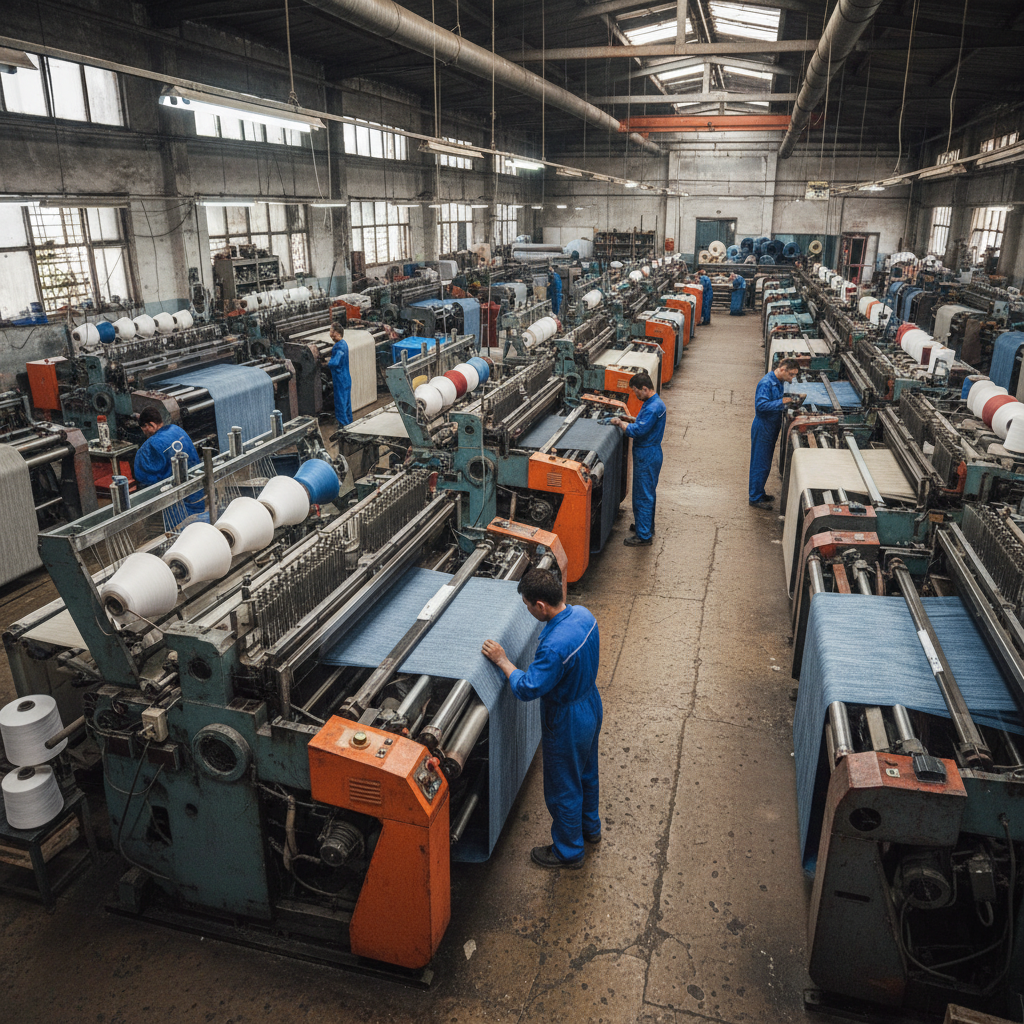
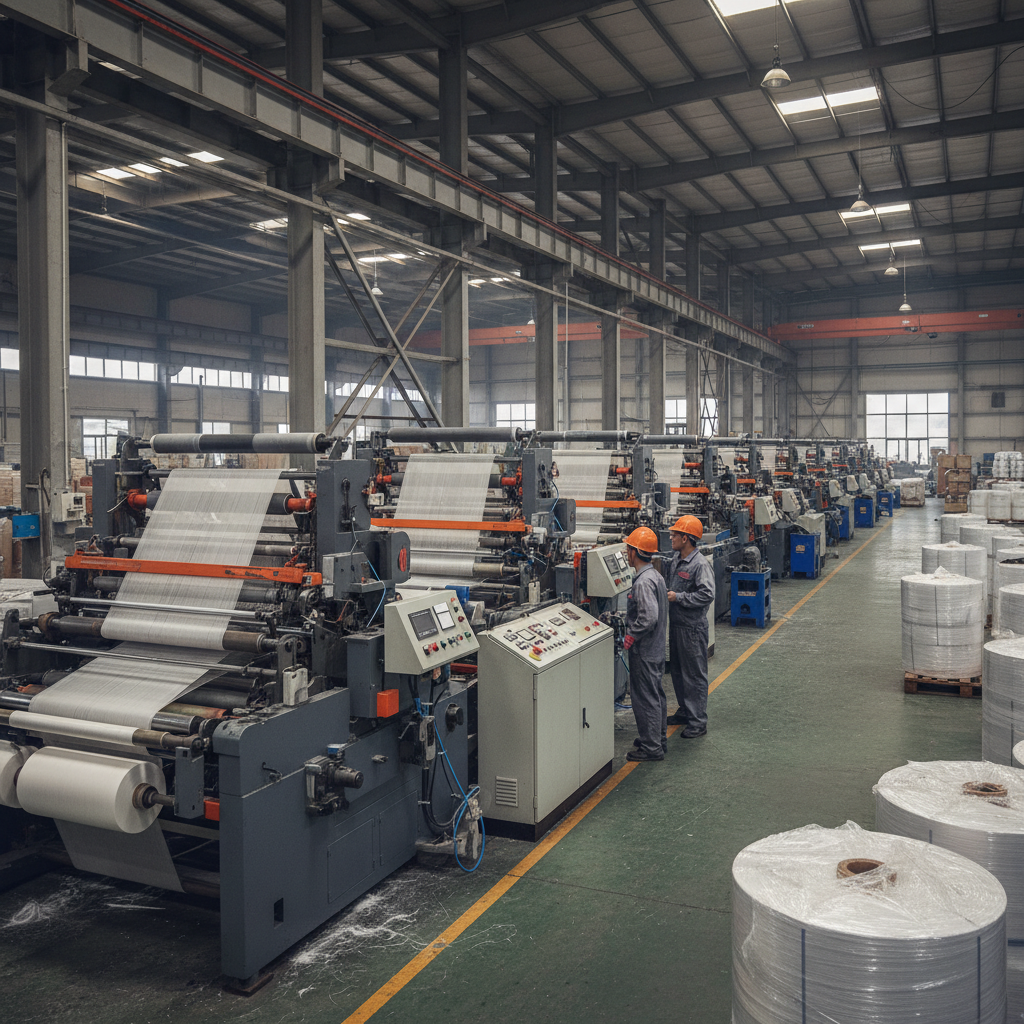
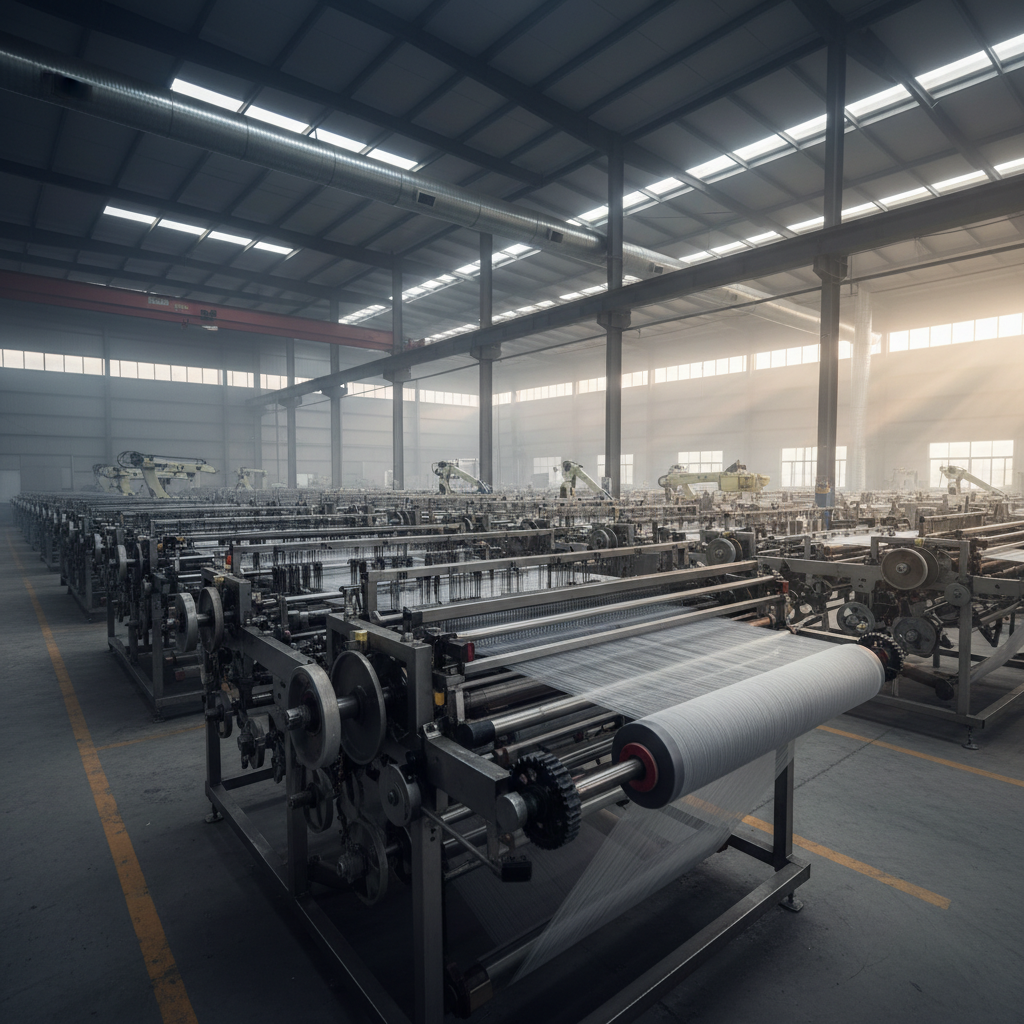
Industrial weaving machines are essential for producing a vast array of textiles used in countless applications, from apparel and home furnishings to technical textiles and industrial components. Choosing the right machine is critical for maximizing efficiency, quality, and profitability. This article will delve into the world of industrial weaving machines, covering their types, applications, key features, and the factors to consider when making a purchase. We'll explore how advancements in technology are shaping the future of textile manufacturing.
Types of Industrial Weaving Machines
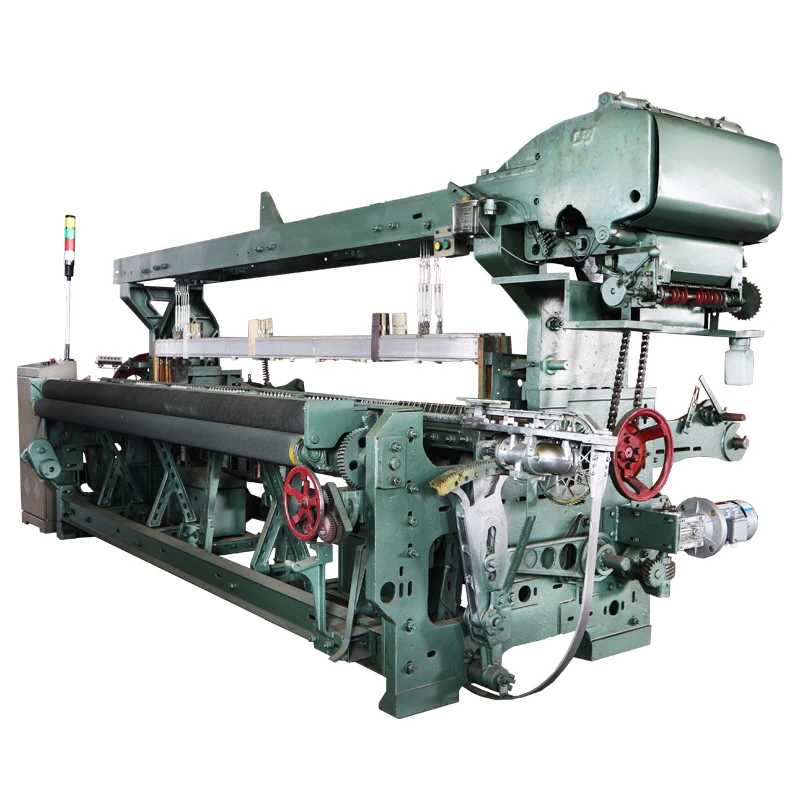
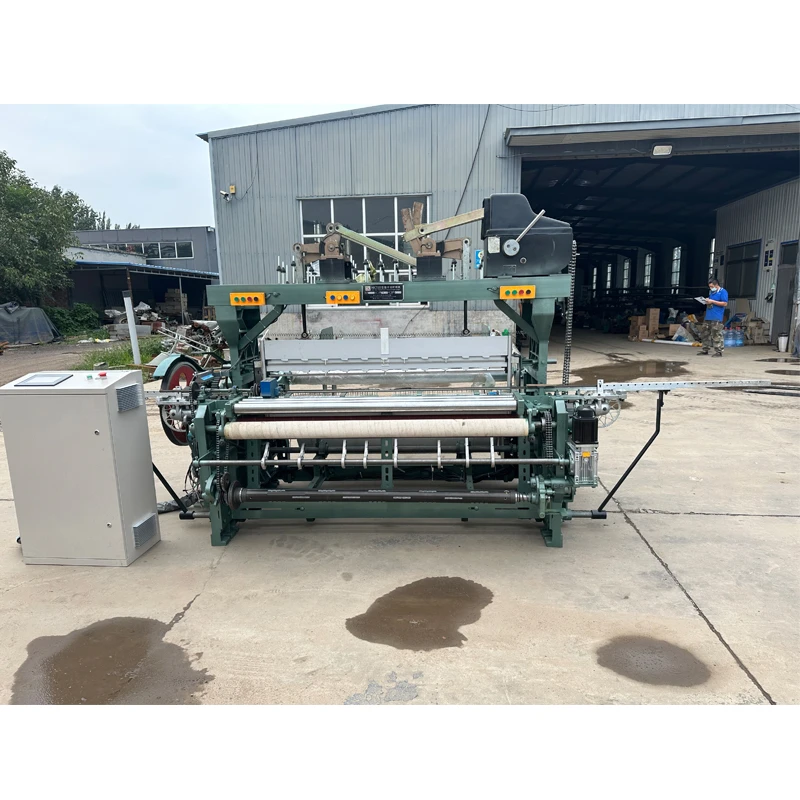
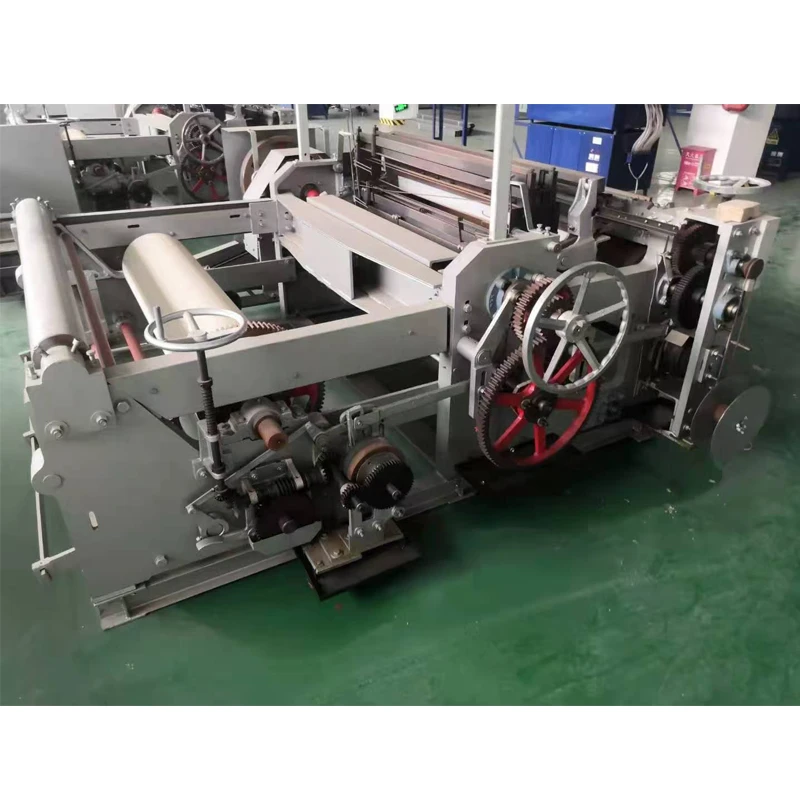
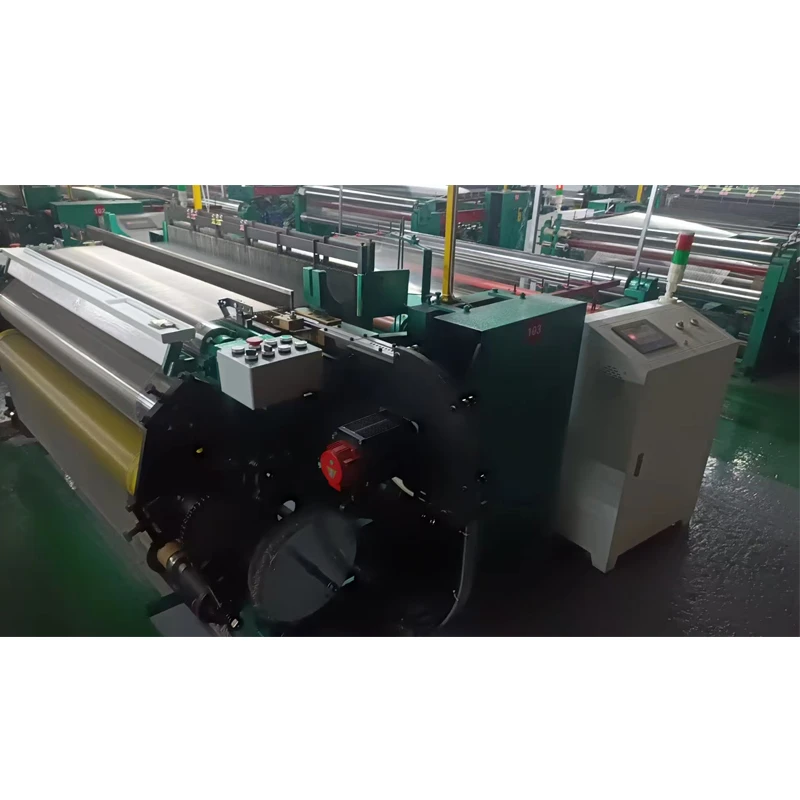
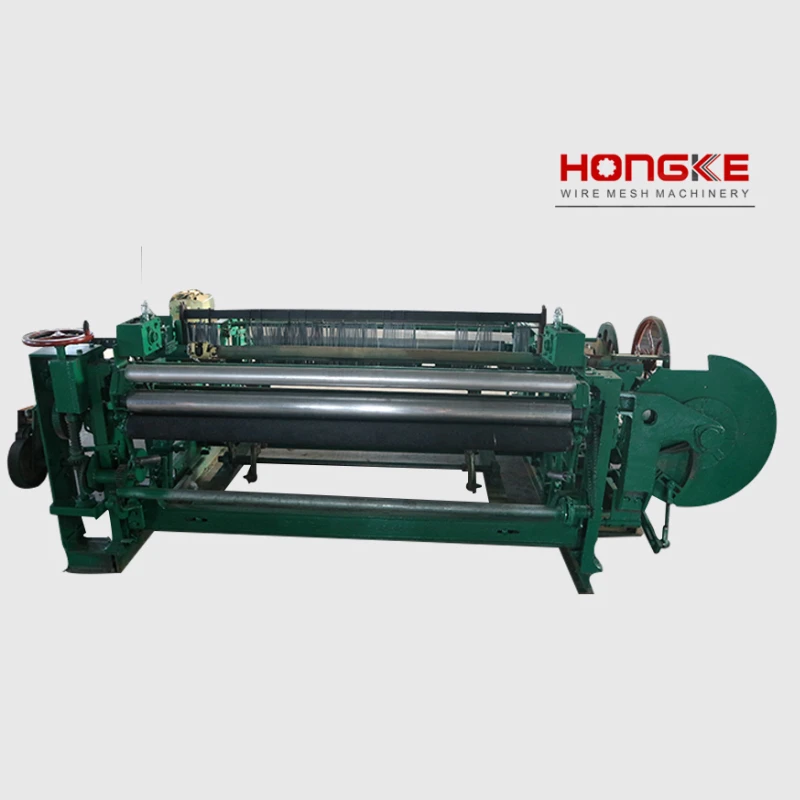
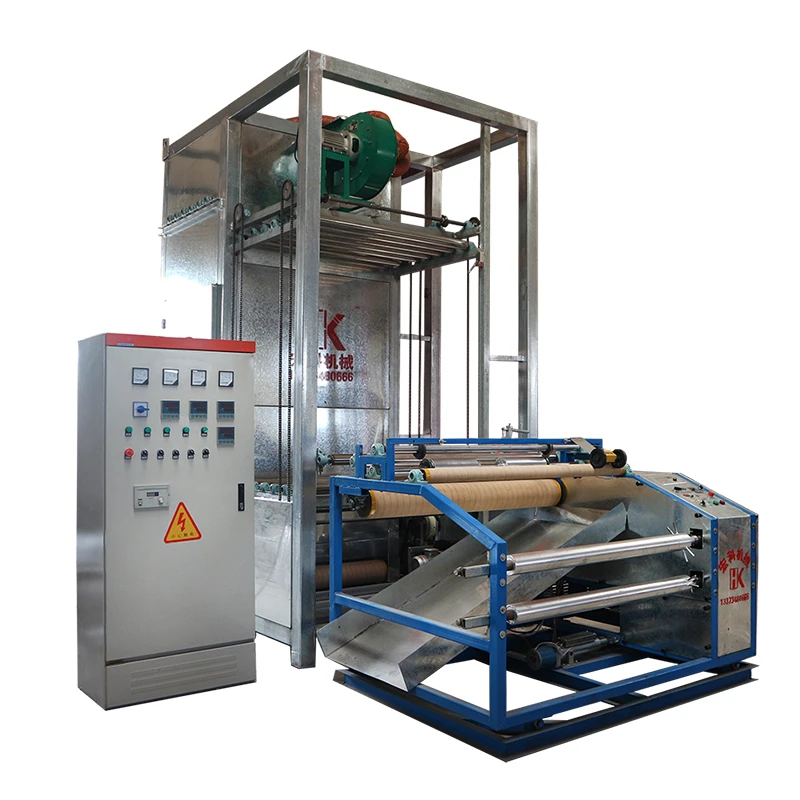
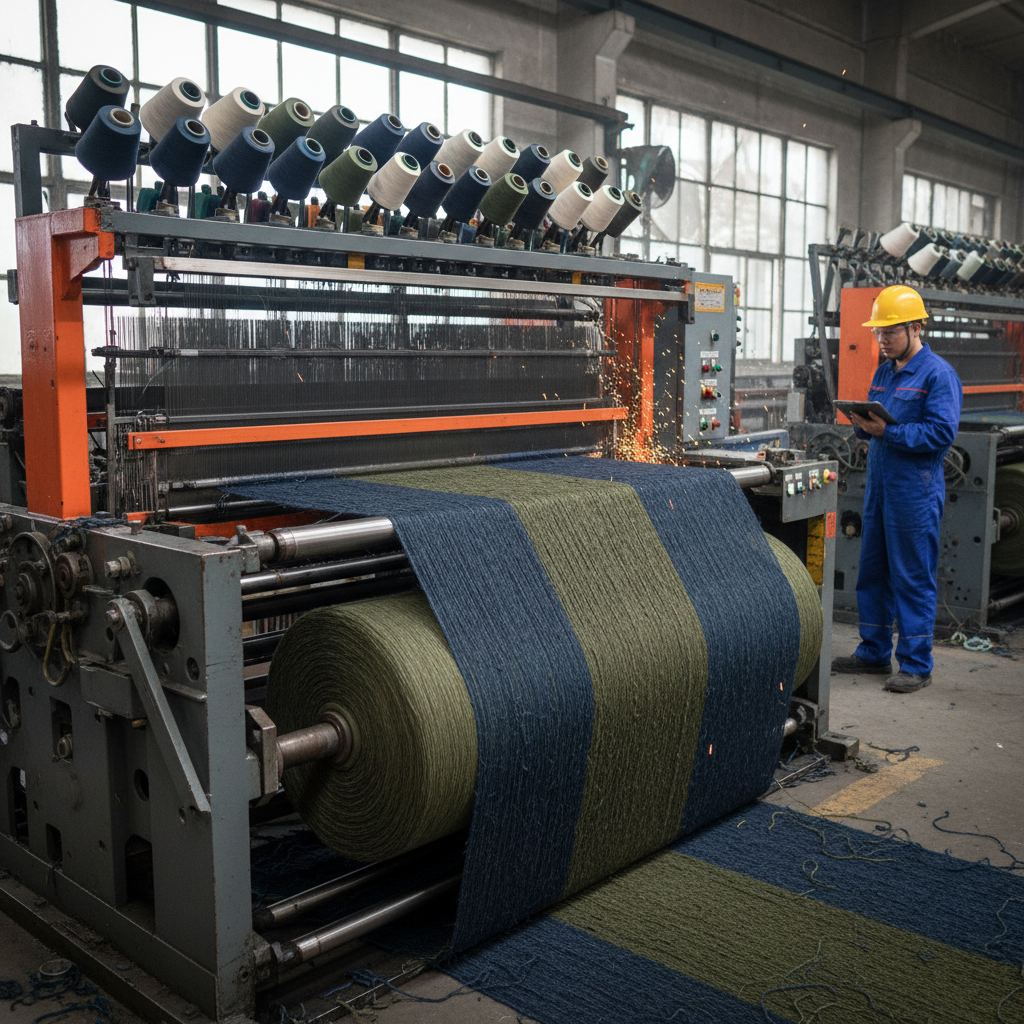
There are several core types of industrial weaving machines, each suited to different fabrics and production needs. These include rapier weaving machines, shuttle weaving machines, air-jet weaving machines, and water-jet weaving machines. Rapier machines are known for their versatility and ability to weave a wide range of fabrics, while shuttle machines are traditionally used for simpler weaves. Air-jet and water-jet machines offer high-speed production and are often used for synthetic fabrics. The choice of machine depends heavily on the desired fabric characteristics, production volume, and cost considerations. Understanding the nuances of each type is crucial for making an informed decision. HK Mesh Machine provides a diverse catalog of high-performance industrial weaving solutions.
Key Consideration: Matching the machine type to the intended fabric is the first step in optimizing production.
Applications of Industrial Weaving Machines
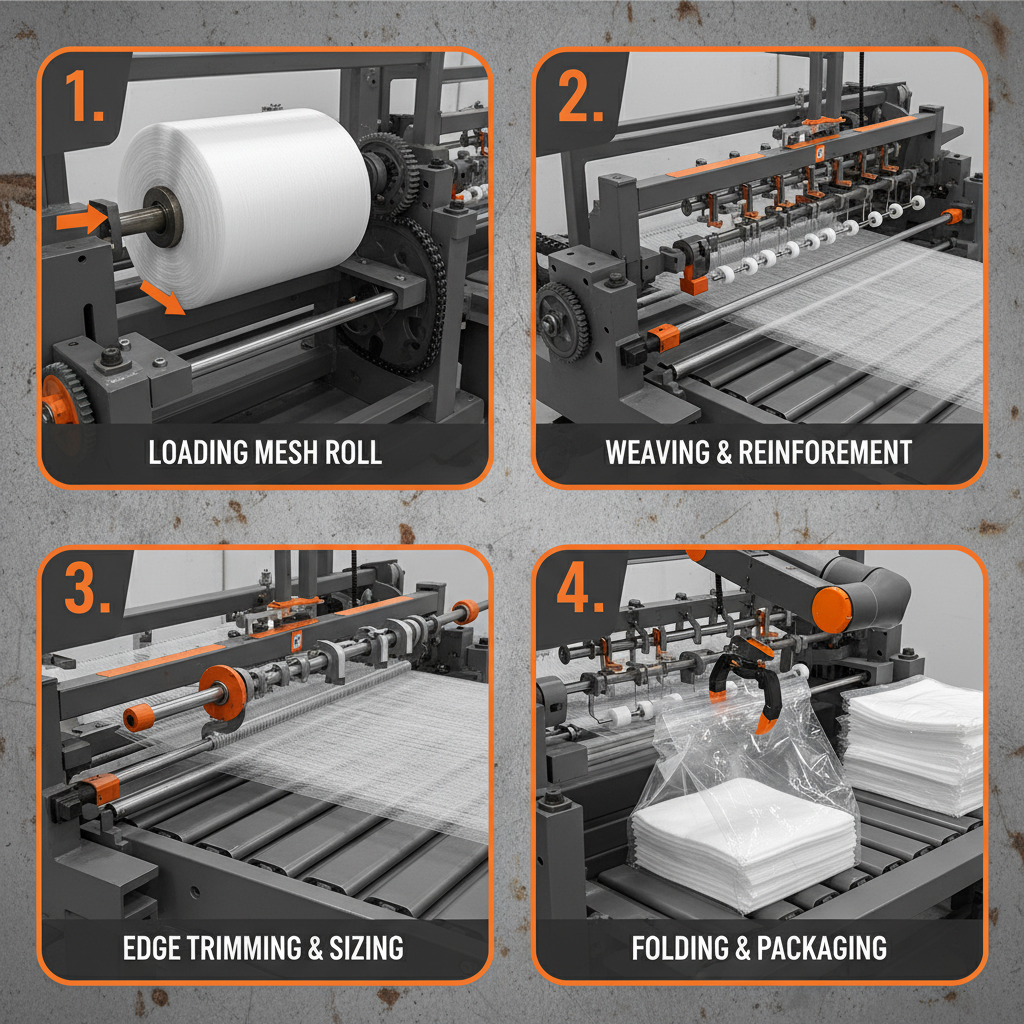
The applications of industrial weaving machines are remarkably diverse. They’re used extensively in the production of apparel fabrics like cotton, silk, and polyester, as well as home textiles like curtains, upholstery, and bed linens. Beyond these consumer-facing applications, industrial weaving machines are critical for producing technical textiles used in automotive interiors, geotextiles, filtration systems, and medical applications. Specialized machines are designed to create complex patterns and structures, including mesh fabrics, 3D woven materials, and composite textiles. The ability to tailor the weaving process to specific requirements makes these machines indispensable across a wide range of industries.
Industry Applications:
• Apparel Manufacturing
• Home Textiles
• Automotive Industry
• Geotextiles and Civil Engineering
• Medical Textiles
Industrial Weaving Machine Comparison
Selecting the best industrial weaving machine requires a careful comparison of features and capabilities. Here's a comparison of the four main types:
Key Features to Look For in an Industrial Weaving Machine
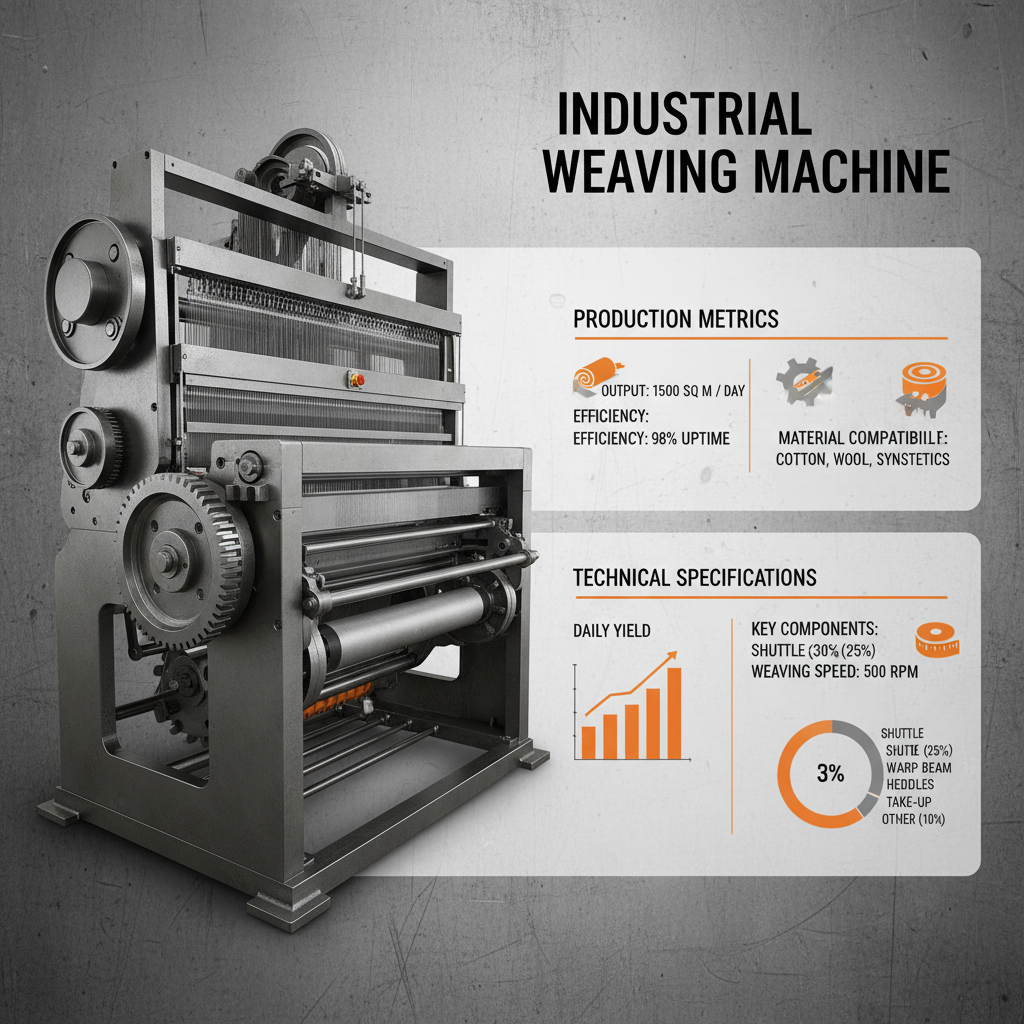
When evaluating industrial weaving machines, consider features like automation level, electronic control systems, energy efficiency, and ease of maintenance. Modern machines often incorporate advanced sensors, programmable logic controllers (PLCs), and touchscreen interfaces for precise control and monitoring. Look for machines with robust construction, reliable components, and readily available spare parts. Energy-efficient models can significantly reduce operating costs. A user-friendly interface and comprehensive training programs are also essential for maximizing productivity.
The Future of Industrial Weaving: Innovations and Trends
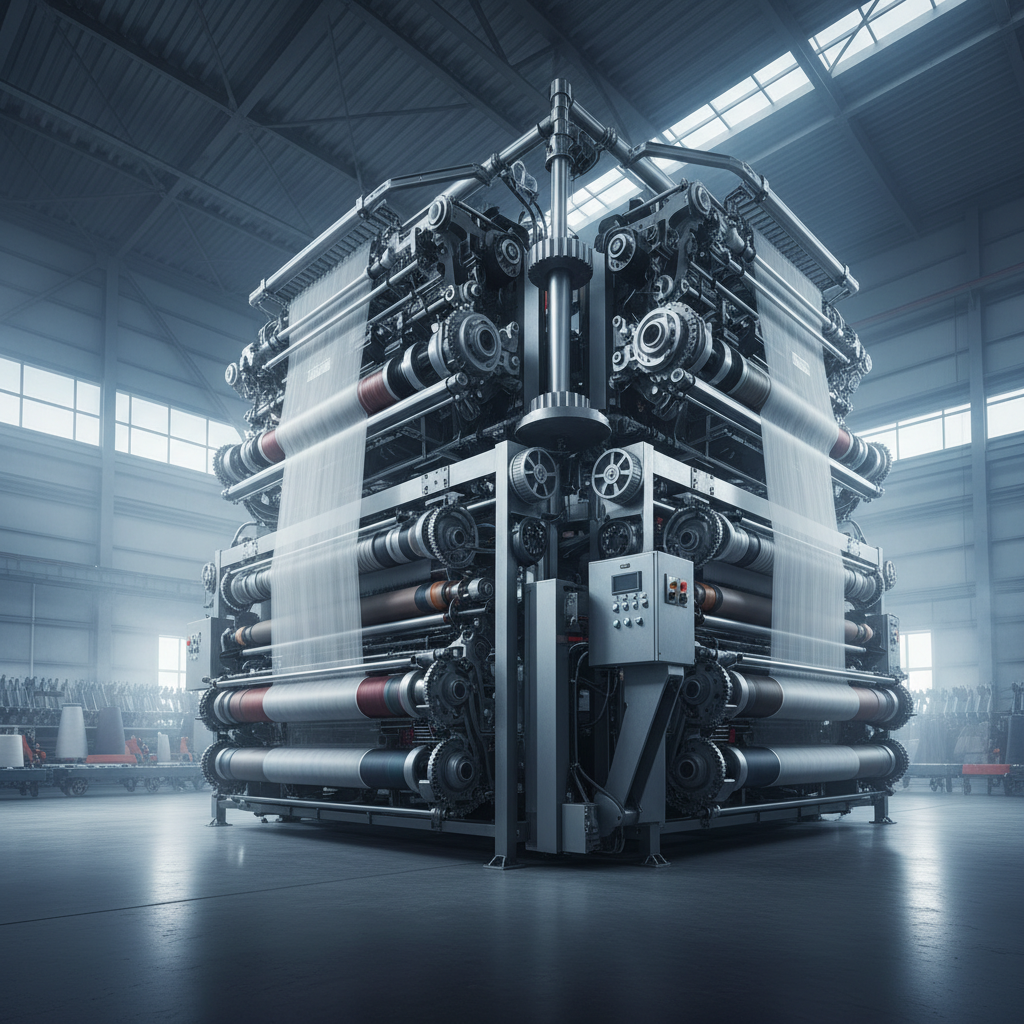
The industrial weaving industry is undergoing rapid technological advancements. These include the development of smart weaving machines with predictive maintenance capabilities, the integration of artificial intelligence (AI) for process optimization, and the exploration of new materials and weaving techniques. Sustainability is also a growing concern, driving demand for energy-efficient machines and eco-friendly fabrics. These innovations promise to further enhance efficiency, reduce waste, and create new opportunities for textile manufacturers. HK Mesh Machine is committed to staying at the forefront of these developments.
Conclusion: Investing in the Right Weaving Technology
Investing in the right industrial weaving machine is a crucial decision for any textile manufacturer. By carefully considering the factors discussed in this article – machine type, application, key features, and future trends – you can select a machine that optimizes your production process, enhances product quality, and drives profitability. Don't hesitate to seek expert advice and explore the latest innovations available in the market.
Frequently Asked Questions (FAQs)
What maintenance is required for an industrial weaving machine?
Regular maintenance is critical for ensuring the longevity and optimal performance of your industrial weaving machine. This includes daily cleaning and lubrication, periodic inspection of moving parts, and replacement of worn components. Following the manufacturer's recommended maintenance schedule is crucial. Preventative maintenance, such as oiling gears, tightening bolts, and checking electrical connections, can prevent costly breakdowns. A well-maintained machine will operate more efficiently, produce higher-quality fabrics, and require fewer repairs over its lifespan.
What are the typical energy consumption rates of different weaving machines?
Energy consumption varies considerably depending on the type of weaving machine, production speed, and fabric type. Generally, air-jet and water-jet machines consume more energy than rapier and shuttle machines. Modern machines often incorporate energy-saving features like variable frequency drives (VFDs) and optimized motor designs. A typical air-jet machine might consume around 1.5-2.5 kWh per kilogram of fabric produced, while a rapier machine might use 0.8-1.5 kWh. Investing in energy-efficient models can lead to significant cost savings over time.
What training is required to operate an industrial weaving machine?
Proper training is essential for safe and efficient operation of an industrial weaving machine. Training should cover machine setup, operation, maintenance, and troubleshooting. Operators should understand the machine’s control system, safety procedures, and potential hazards. HK Mesh Machine provides comprehensive training programs for all our machines, ensuring our customers can maximize their investment and achieve optimal performance. Training should also emphasize quality control and fabric defect identification.
What safety precautions should be taken when operating an industrial weaving machine?
Safety is paramount when operating an industrial weaving machine. Operators should always wear appropriate personal protective equipment (PPE), including safety glasses, ear protection, and safety shoes. Machine guards should be in place and functioning correctly. Never reach into moving parts. Emergency stop buttons should be readily accessible and tested regularly. Proper lockout/tagout procedures should be followed during maintenance and repairs. Regular safety training and awareness programs are essential for preventing accidents and ensuring a safe working environment.