


Machines That Weave Fabric: A Comprehensive Guide
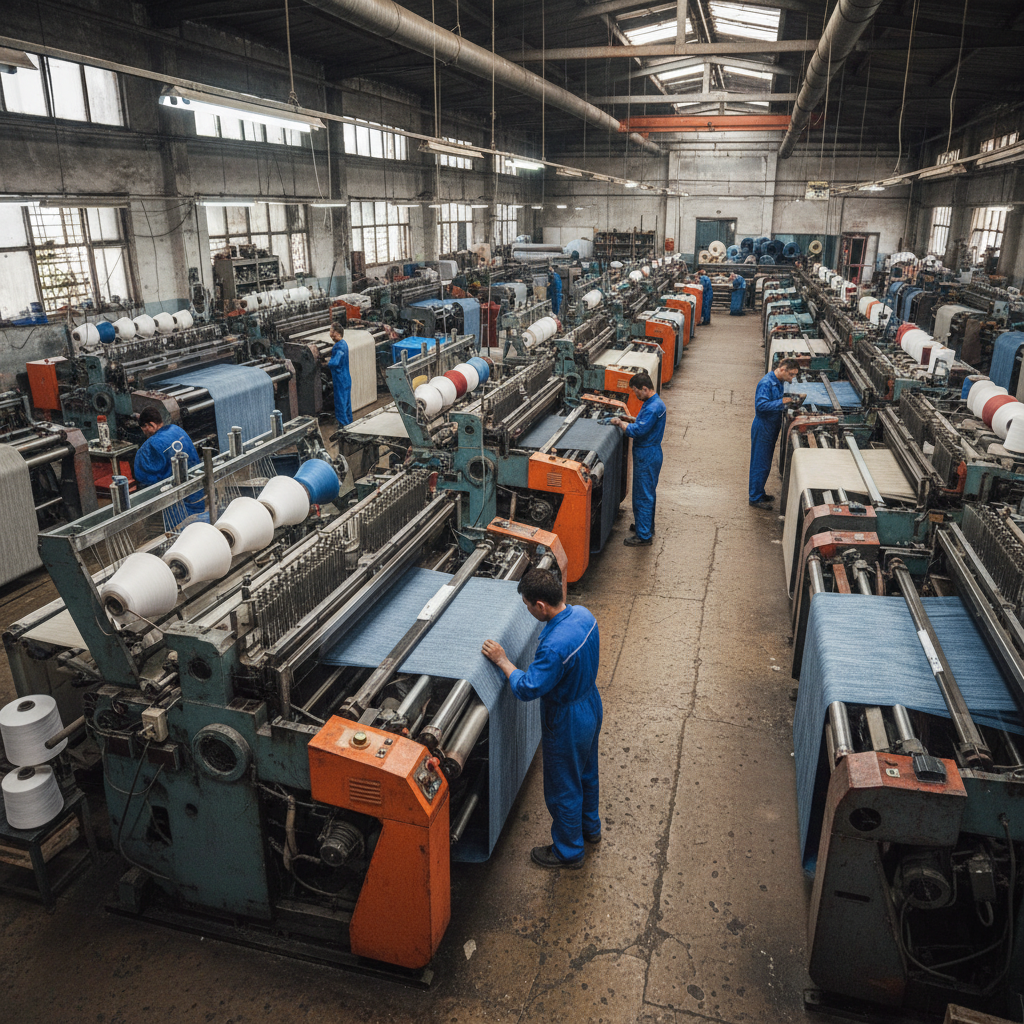
The world of textiles is powered by incredibly sophisticated machines that weave fabric. From simple hand looms to high-speed industrial power looms, these machines are fundamental to clothing, home furnishings, and numerous other industries. This article will explore the different types of weaving machines, their applications, and the advancements shaping the future of fabric production. Understanding these machines is crucial for anyone involved in textile manufacturing, sourcing, or design. We'll delve into the intricacies of how they function and the benefits they offer to modern textile production.
Understanding the Different Types of Weaving Machines
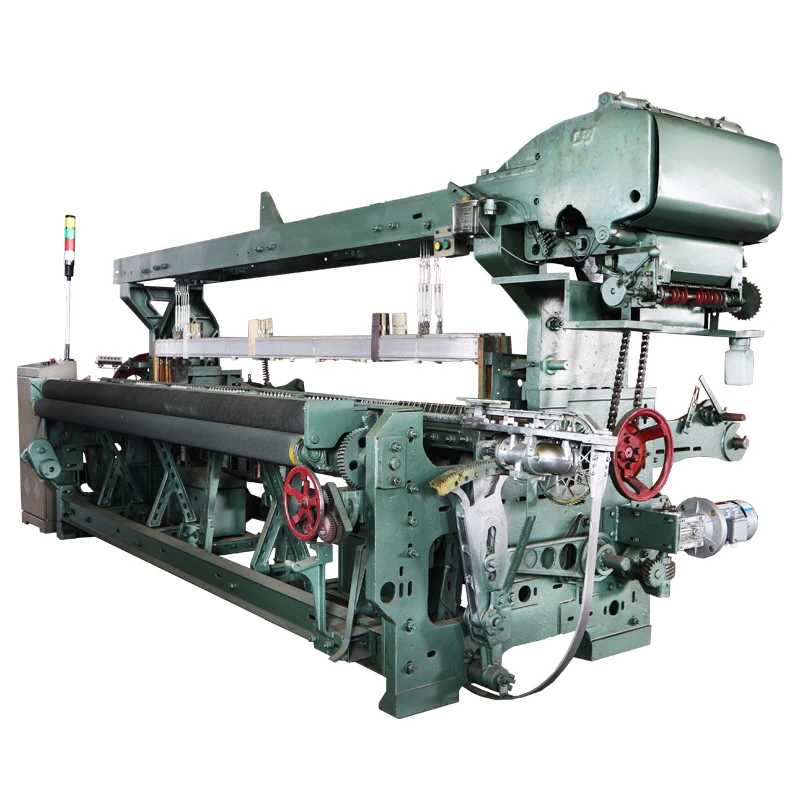
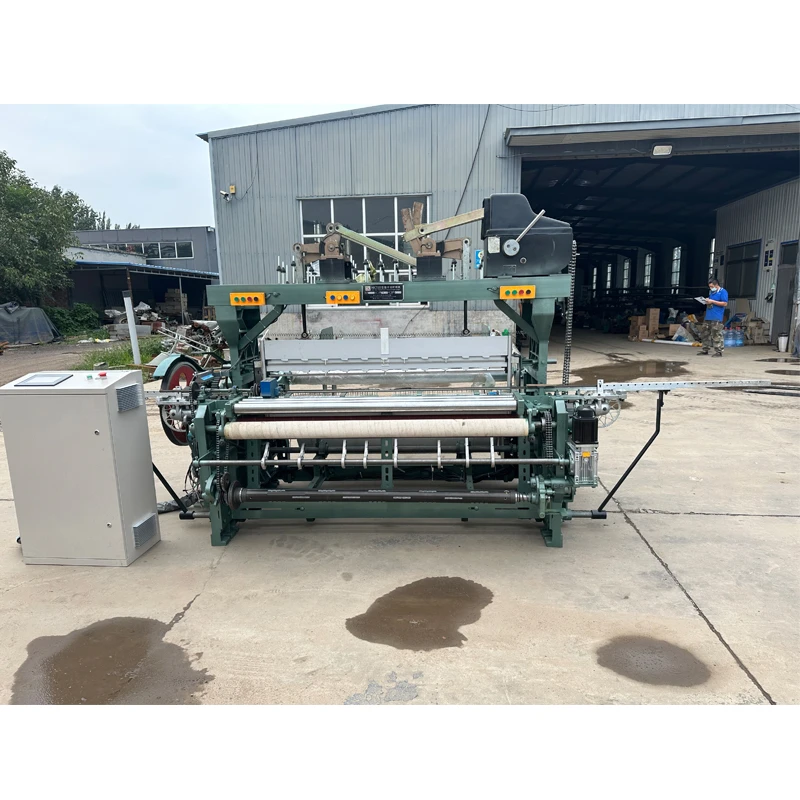
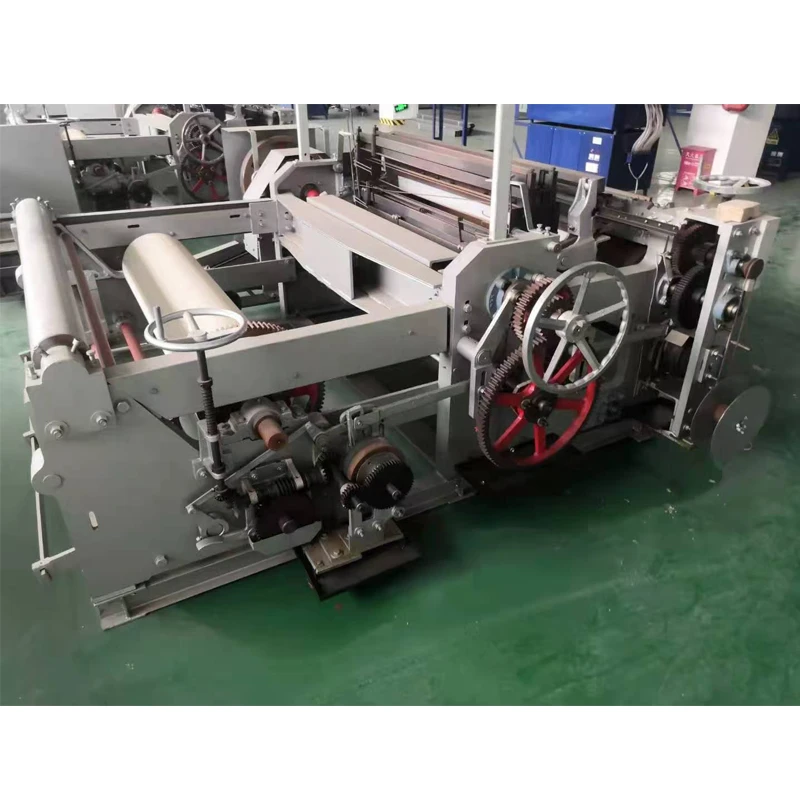
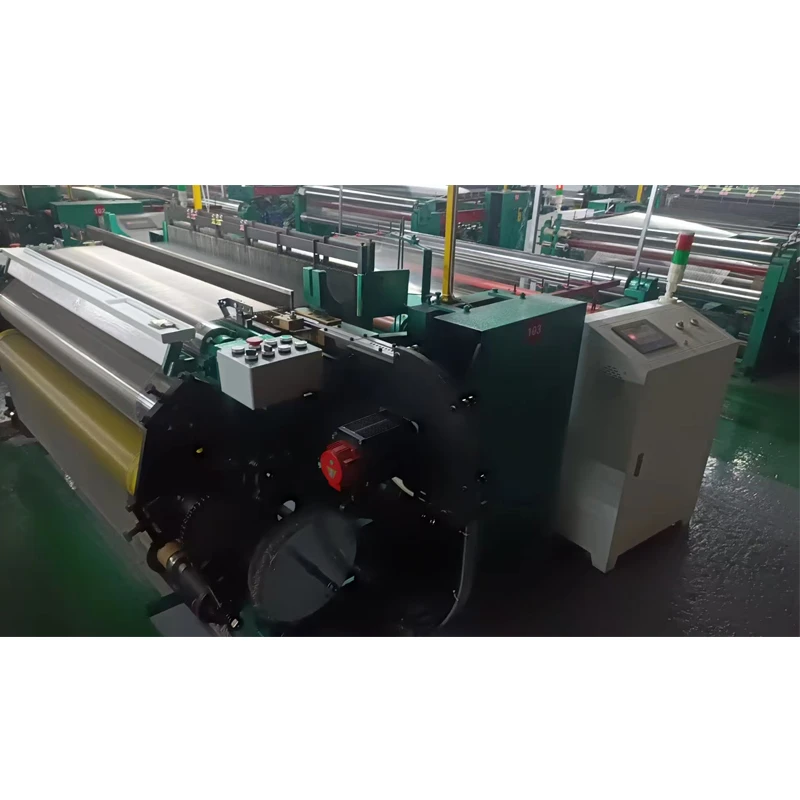
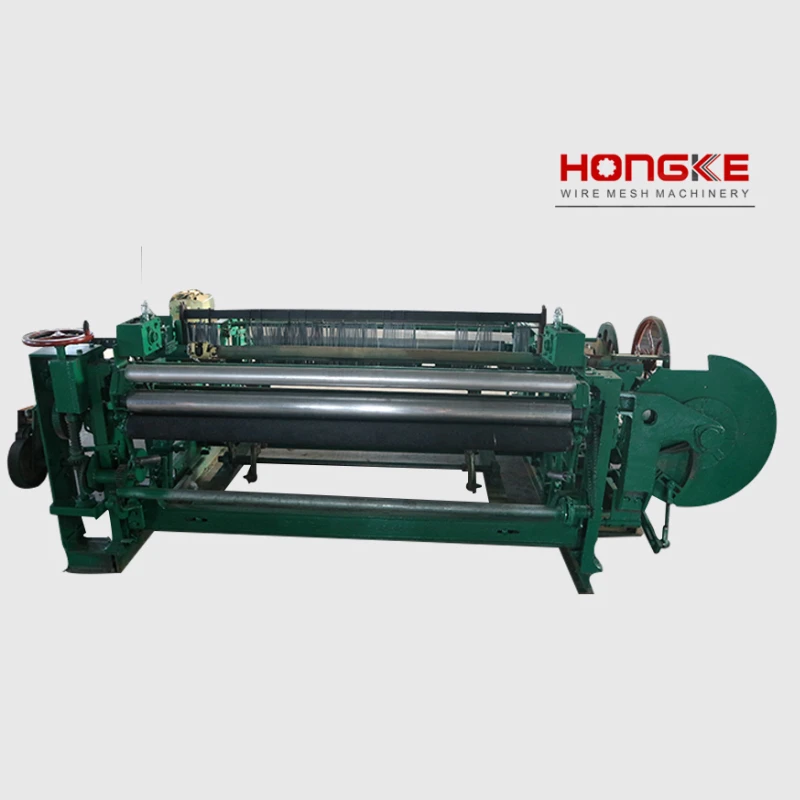
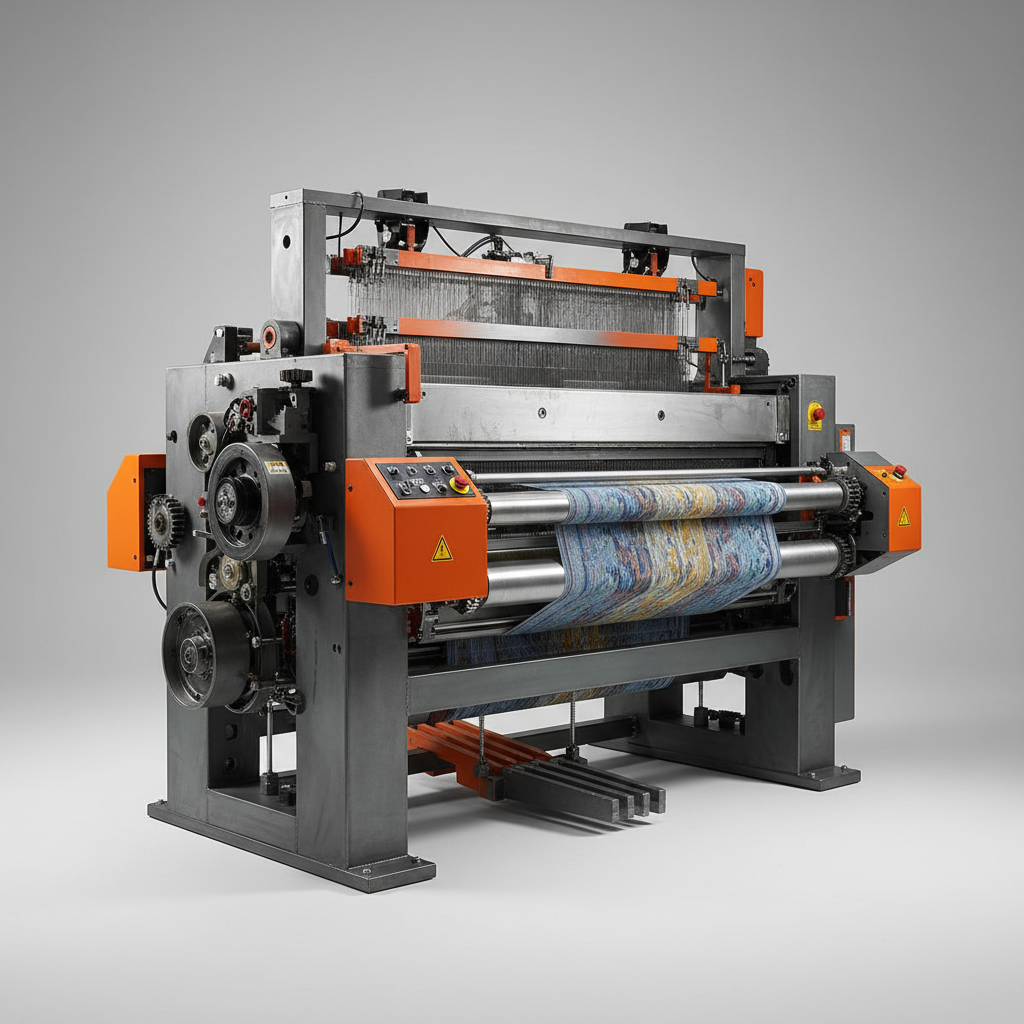
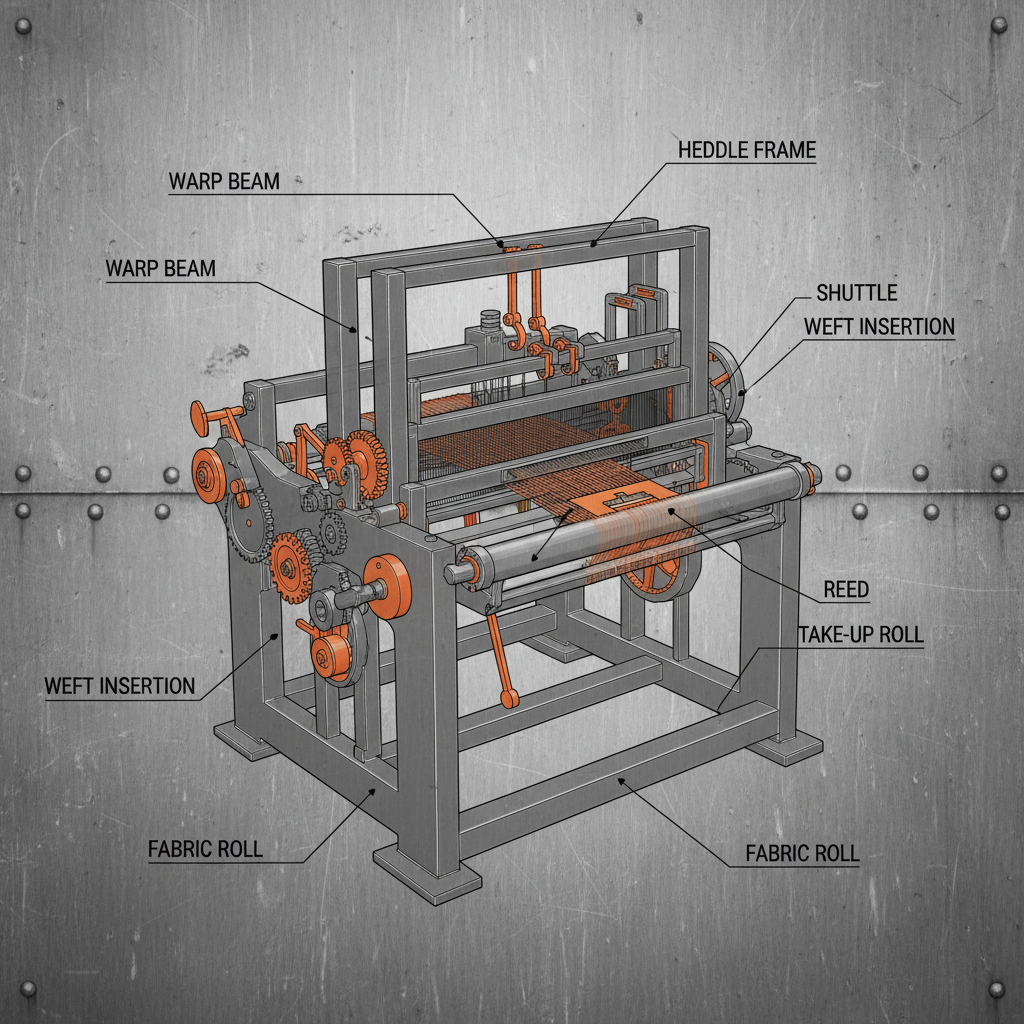
Weaving machines have evolved dramatically over time. Traditionally, hand looms were used, requiring significant manual labor. Today, a variety of power looms dominate the industry, each with its own strengths and weaknesses. Some of the most common types include shuttle looms, rapier looms, air-jet looms, and water-jet looms. Each type utilizes a different method for inserting the weft yarn (the yarn running horizontally) through the warp yarns (the yarns running vertically). The choice of machine depends on the type of fabric being produced, the desired production speed, and the budget. HK Mesh Machine specializes in providing cutting-edge weaving solutions to meet diverse textile needs.
Key Considerations: Selecting the right weaving machine involves evaluating factors like fabric type, production volume, and operational costs.
A Detailed Look at Common Weaving Machine Types
Let’s delve deeper into the most prevalent types of machines that weave fabric. Shuttle looms, while older technology, are still used for certain applications due to their simplicity and lower cost. Rapier looms utilize a rapier (a carrier) to insert the weft yarn, offering versatility and the ability to weave complex patterns. Air-jet looms use a jet of air to propel the weft yarn, resulting in high-speed production. Water-jet looms, similarly, employ a jet of water, primarily used for producing flat fabrics. Each machine type offers unique advantages and is suited for specific textile applications.
Machine Type Benefits:
• Shuttle Looms: Cost-effective for small-scale production.
• Rapier Looms: Versatile for complex patterns and different yarn types.
• Air-Jet Looms: High-speed production of a wide range of fabrics.
• Water-Jet Looms: Ideal for flat fabrics and specific yarn types.
Comparing Weaving Machine Performance
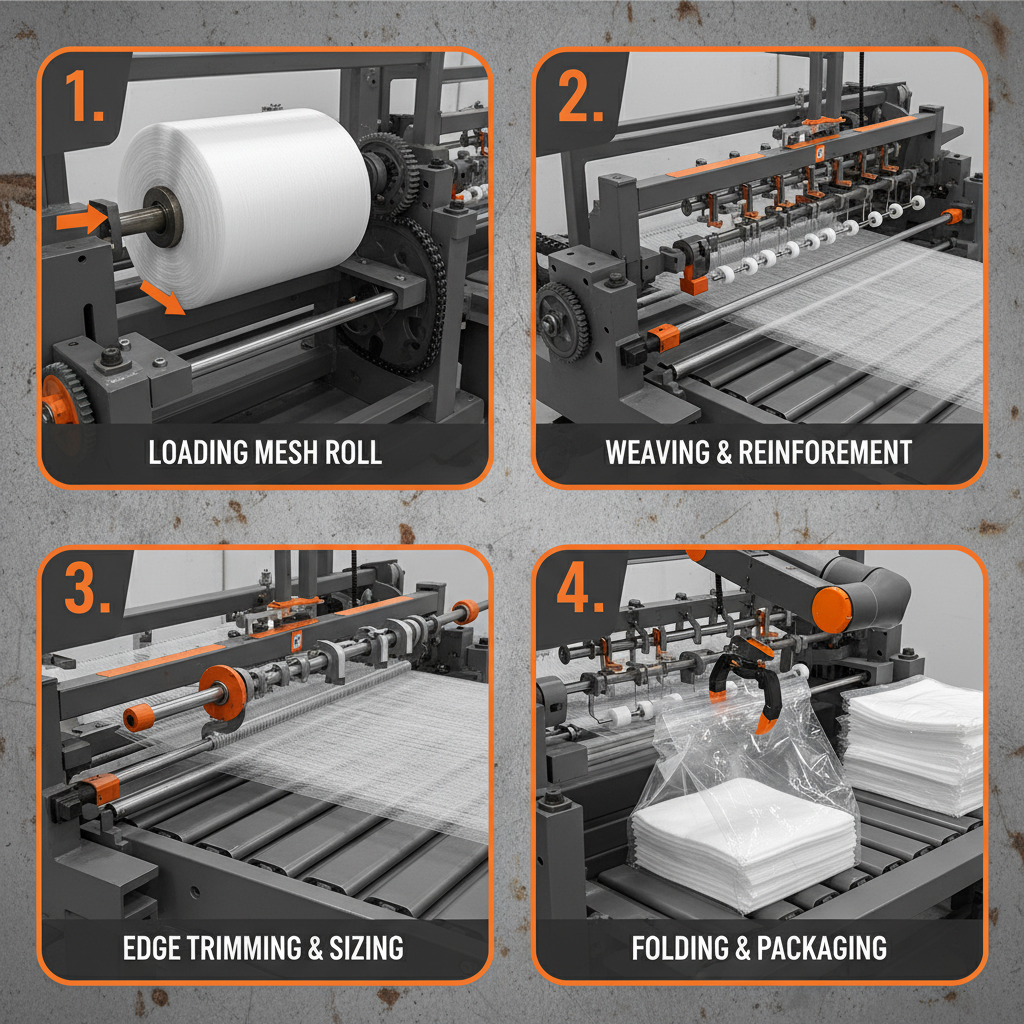
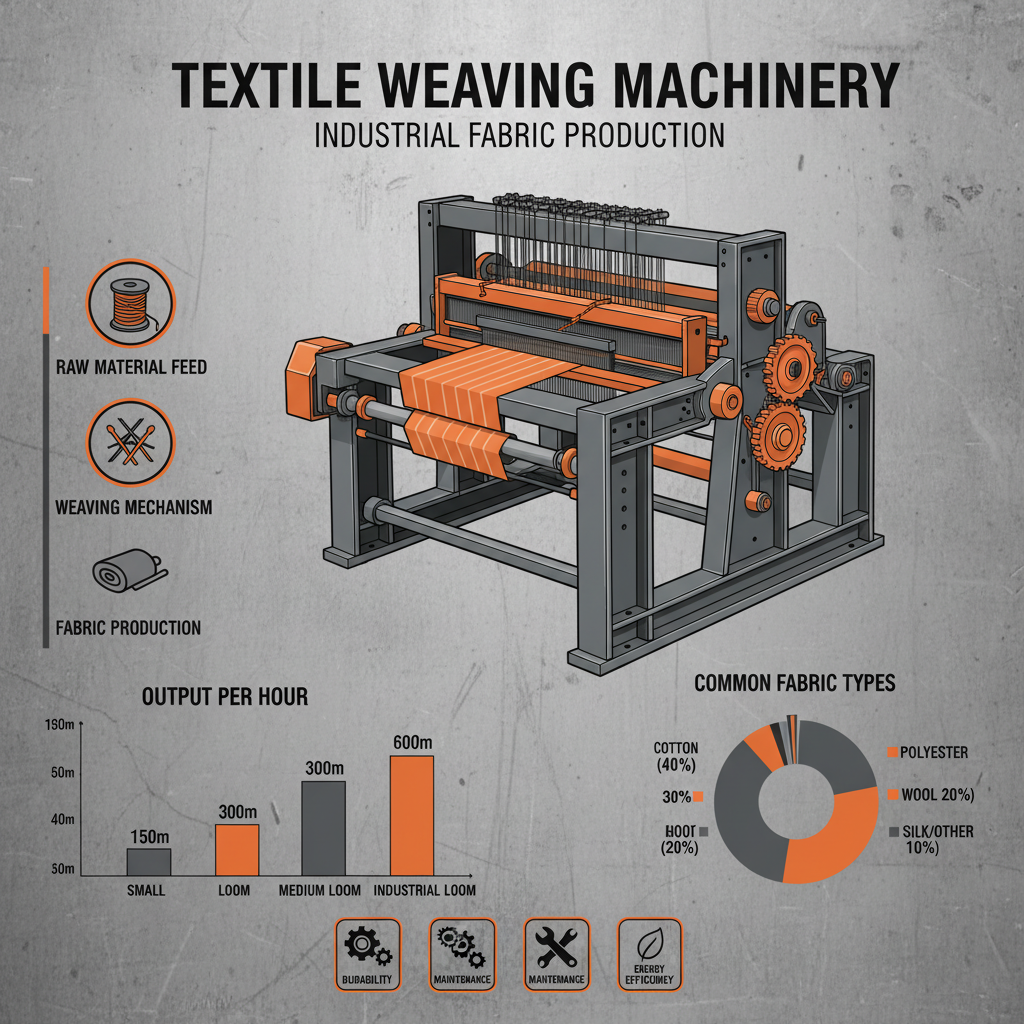
Understanding the performance characteristics of different weaving machines is vital for optimizing textile production. Speed, efficiency, fabric quality, and the ability to handle various yarn types are key factors to consider. Modern machines often incorporate advanced features like electronic let-offs and take-ups, and programmable pattern controls, enabling greater precision and flexibility. The ongoing advancements in weaving technology continue to push the boundaries of what’s possible in fabric production.
Applications of Modern Weaving Machines
The fabrics produced by these machines that weave fabric are incredibly diverse. From apparel and upholstery to industrial textiles and medical applications, the possibilities are endless. High-speed air-jet looms are frequently used for producing large volumes of clothing fabrics, while rapier looms are preferred for more intricate designs and specialized materials. The choice of machine ultimately depends on the specific requirements of the final product.
Future Trends in Weaving Technology
The future of weaving technology is focused on increased automation, improved efficiency, and the development of more sustainable practices. Smart weaving machines equipped with sensors and AI are becoming increasingly common, enabling real-time monitoring, predictive maintenance, and optimized performance. Furthermore, research is underway to develop new weaving techniques that reduce energy consumption and waste generation. HK Mesh Machine remains at the forefront of these innovations, offering customers access to the latest advancements in weaving technology.
Conclusion: Embracing Innovation in Fabric Production
Investing in advanced machines that weave fabric is crucial for staying competitive in the modern textile industry. By embracing innovation and adopting cutting-edge technologies, manufacturers can enhance their productivity, improve fabric quality, and reduce their environmental impact. Don't hesitate to explore the possibilities and partner with a trusted provider like HK Mesh Machine to unlock the full potential of weaving technology.
Frequently Asked Questions (FAQs)
What maintenance is required for weaving machines?
Regular maintenance is vital for ensuring the longevity and optimal performance of weaving machines. This includes daily cleaning, lubrication of moving parts, inspection for wear and tear, and periodic replacement of worn components. Proper maintenance prevents breakdowns, reduces downtime, and extends the lifespan of the machine. Following the manufacturer's recommended maintenance schedule is crucial. Neglecting maintenance can lead to costly repairs and reduced productivity.
What factors influence the cost of a weaving machine?
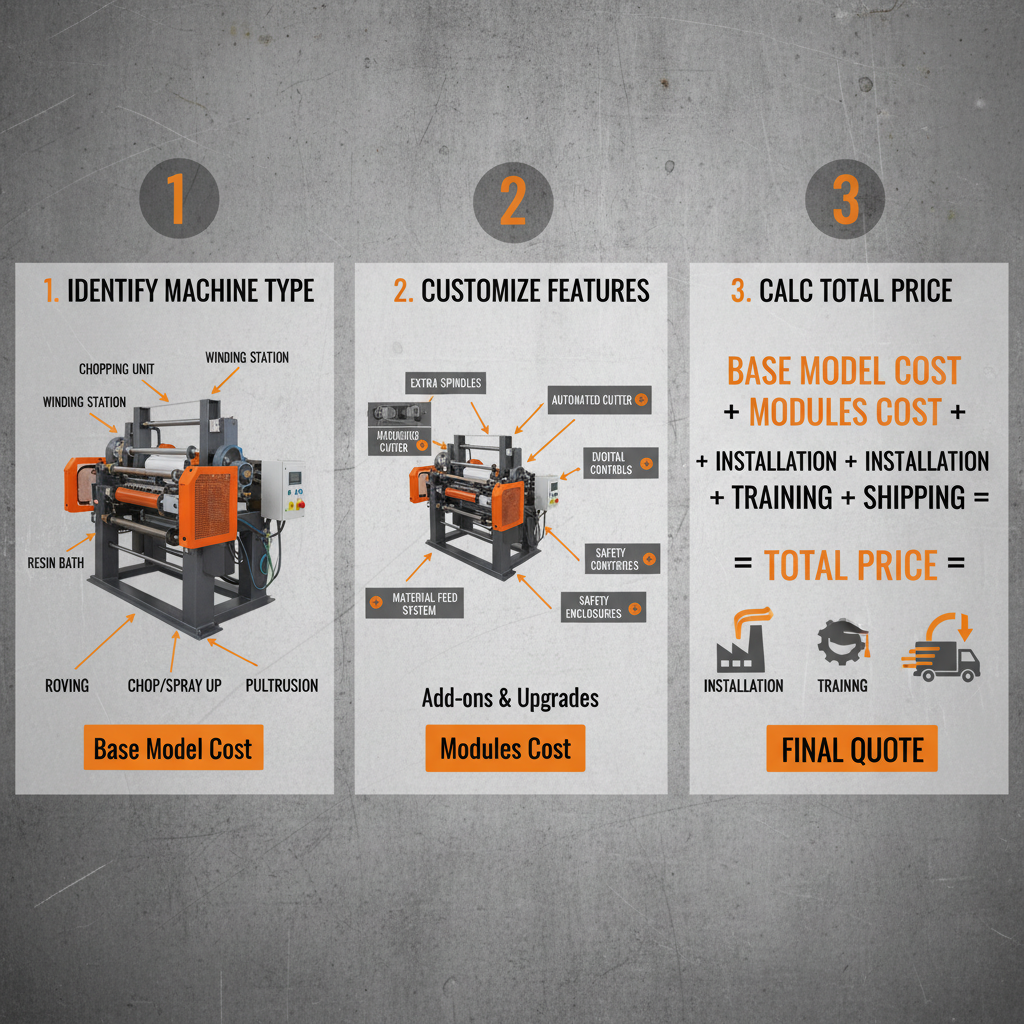
The cost of a weaving machine depends on several factors, including the type of machine, its features, capacity, and automation level. More advanced machines with higher speeds, greater versatility, and automated features typically come with a higher price tag. The manufacturer, country of origin, and any additional services (such as installation and training) also influence the overall cost. It's important to carefully assess your needs and budget before making a purchase.
What types of yarn can be woven on different machines?
Different weaving machines are designed to handle various types of yarn. Shuttle looms can accommodate a wide range of yarn types, including cotton, polyester, and wool. Rapier looms are particularly versatile and can weave a variety of yarns, including delicate and textured fibers. Air-jet looms are best suited for synthetic yarns, while water-jet looms are primarily used for flat fabrics made from continuous filaments. The yarn's properties, such as its fineness, strength, and elasticity, will influence the machine's performance and the quality of the finished fabric.
How can automation improve weaving efficiency?
Automation significantly enhances weaving efficiency by reducing manual labor, minimizing errors, and increasing production speed. Automated features such as automatic weft insertion, electronic let-offs, and take-ups ensure precise control over the weaving process. Smart sensors and data analytics provide real-time monitoring and optimization, allowing for proactive adjustments to maintain consistent fabric quality. Automation also reduces waste and improves overall productivity.