


Understanding Fiberglass Machines and Their Applications
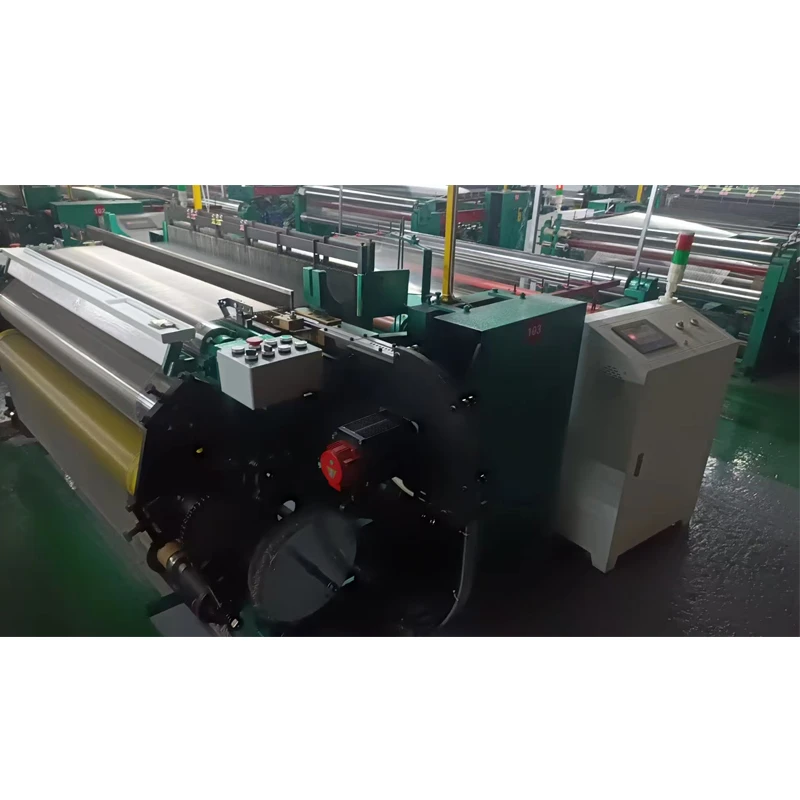
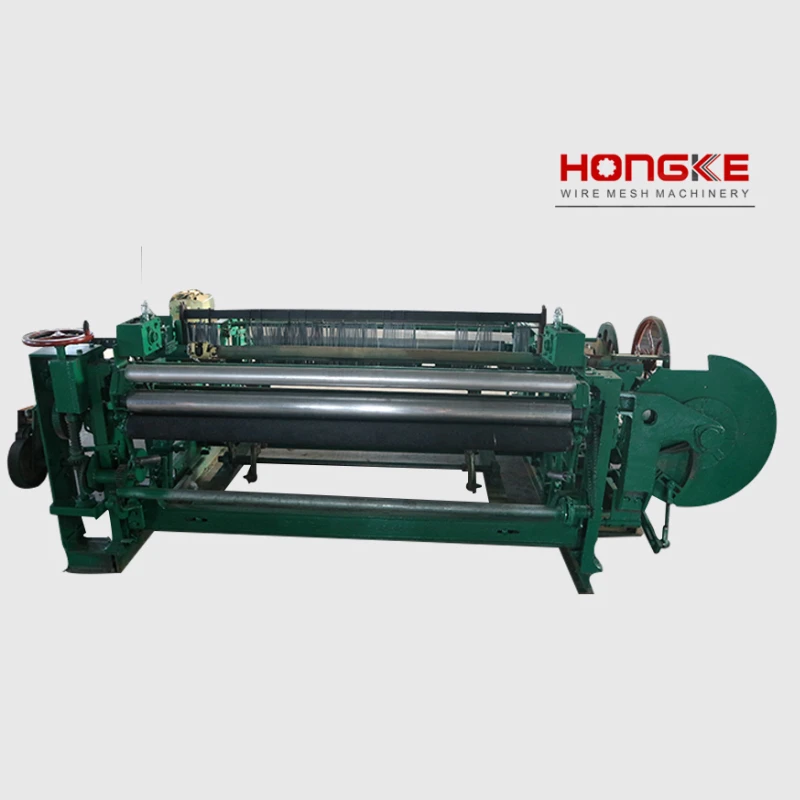
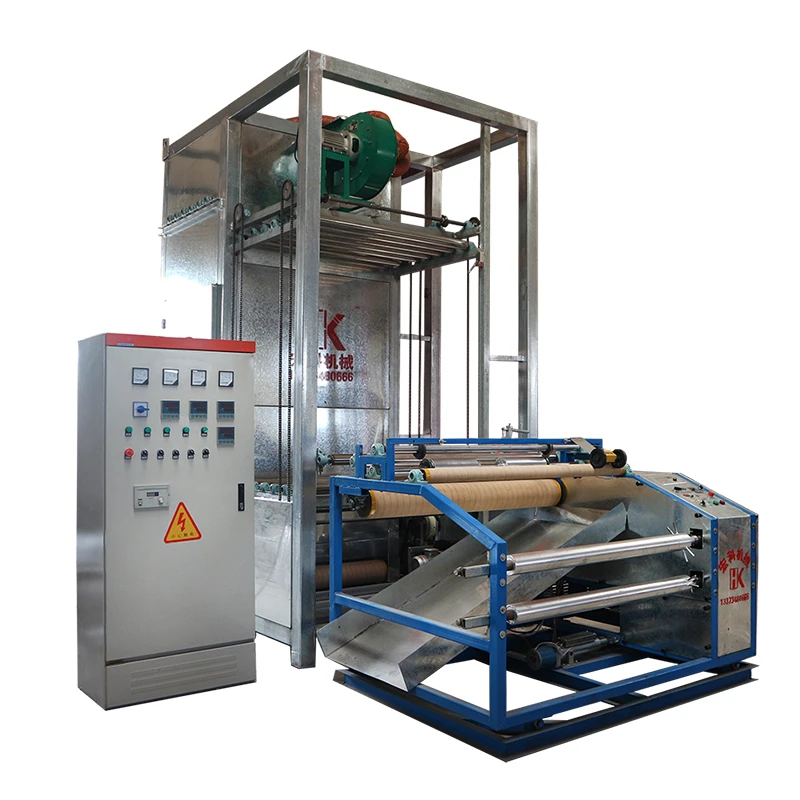
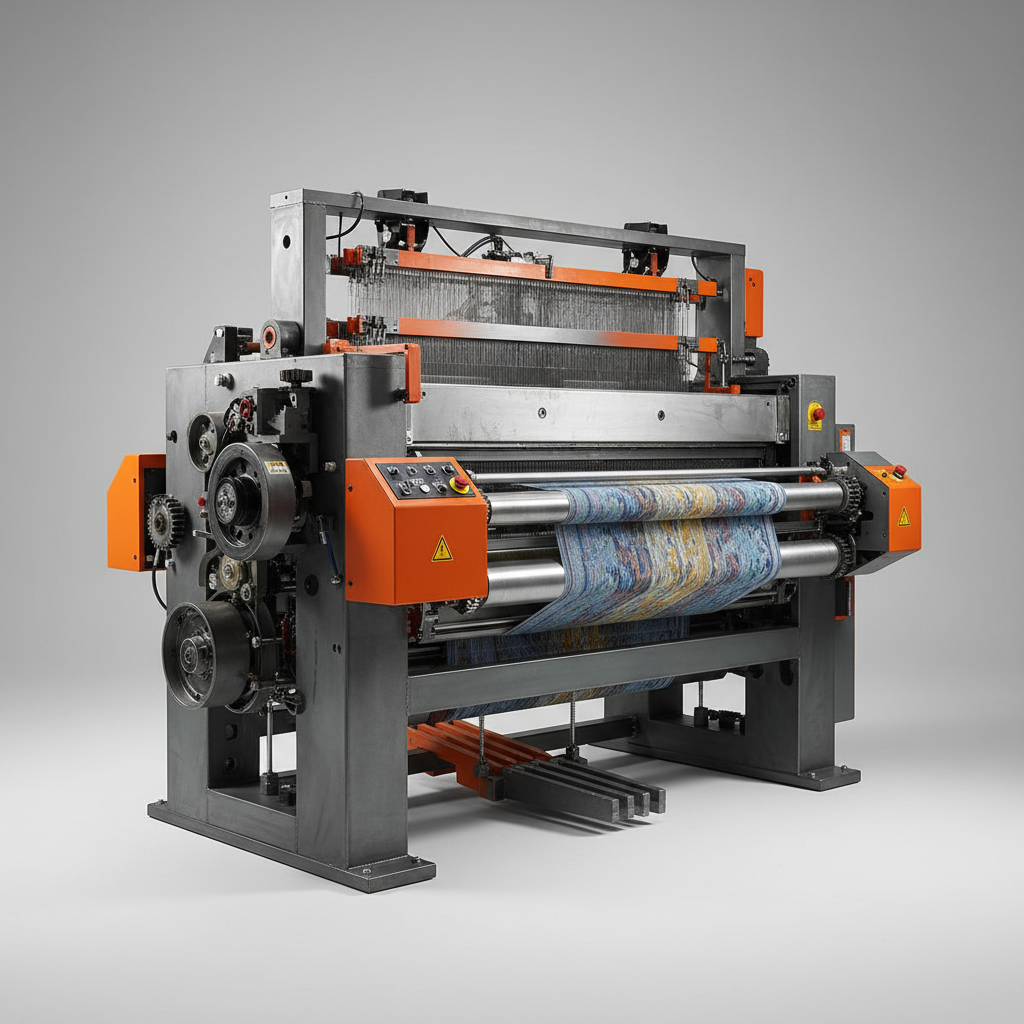
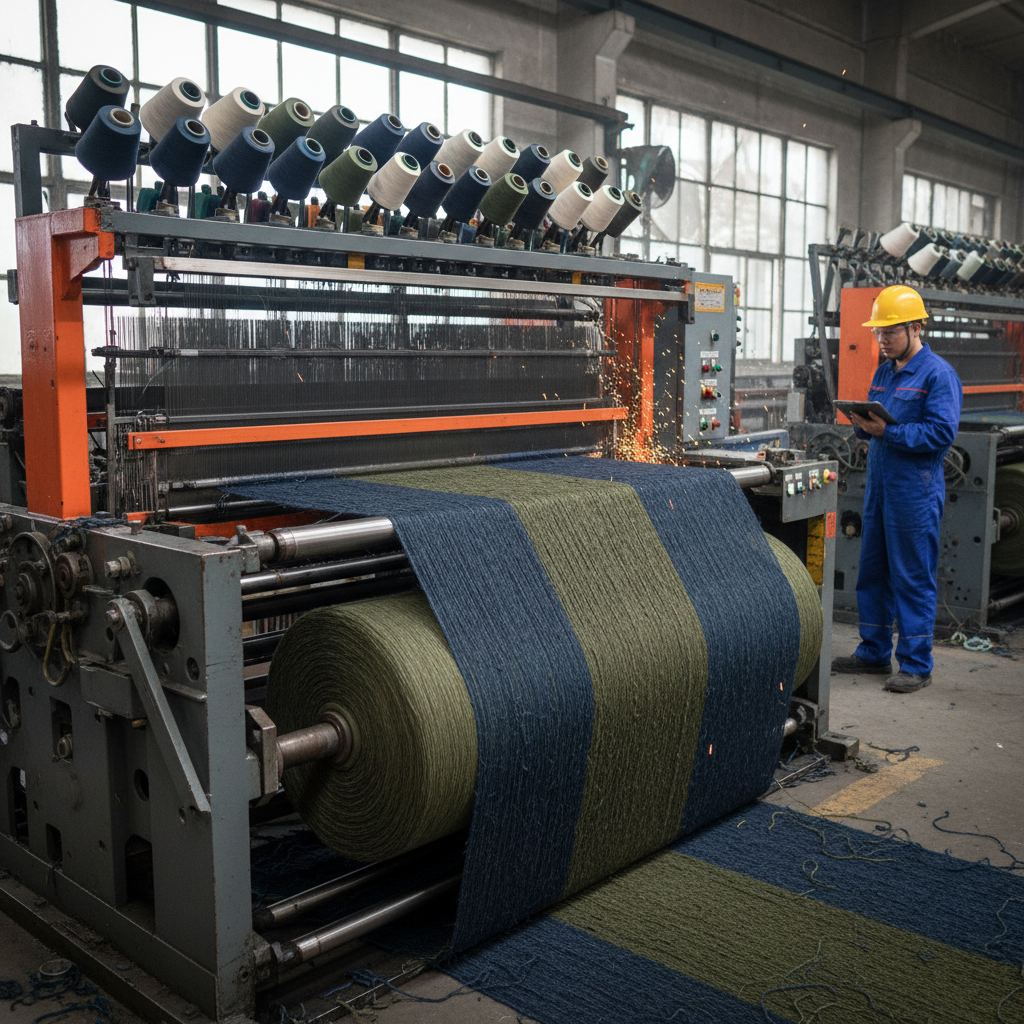
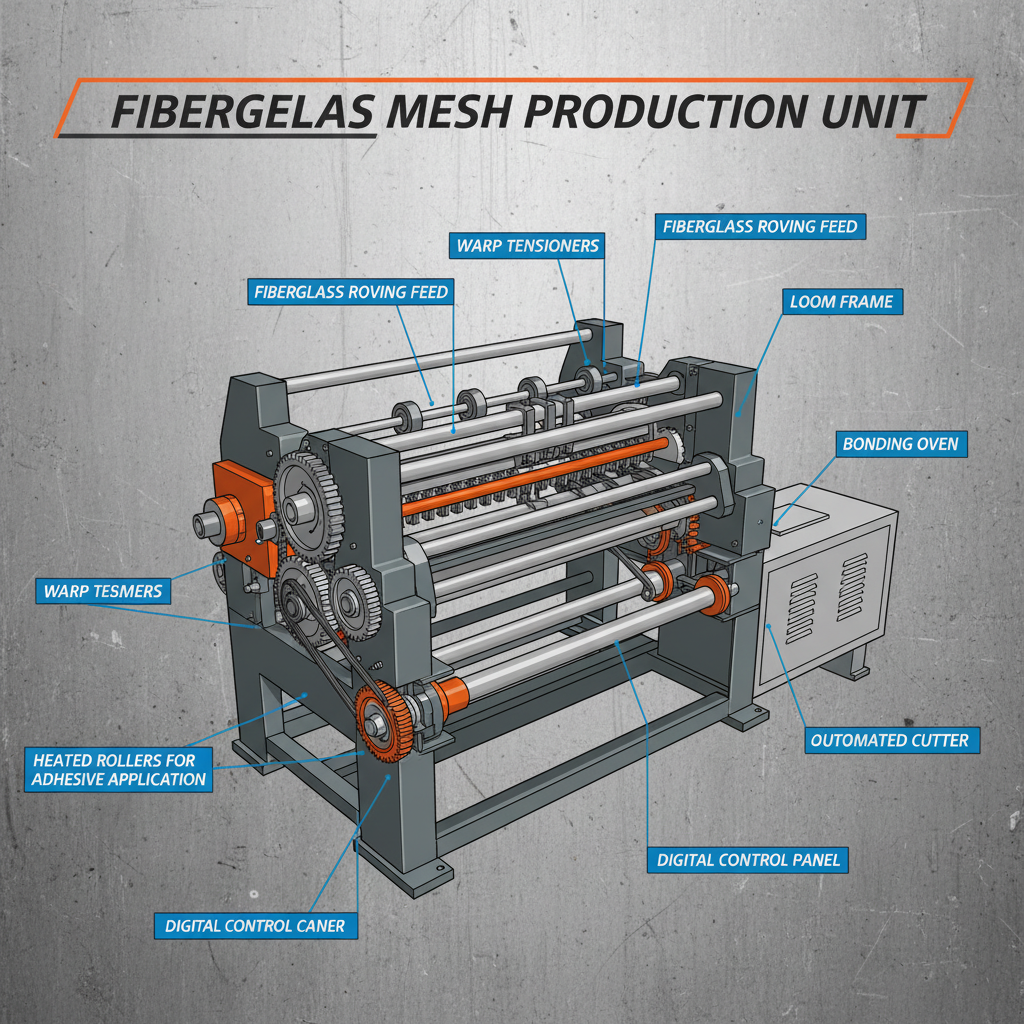
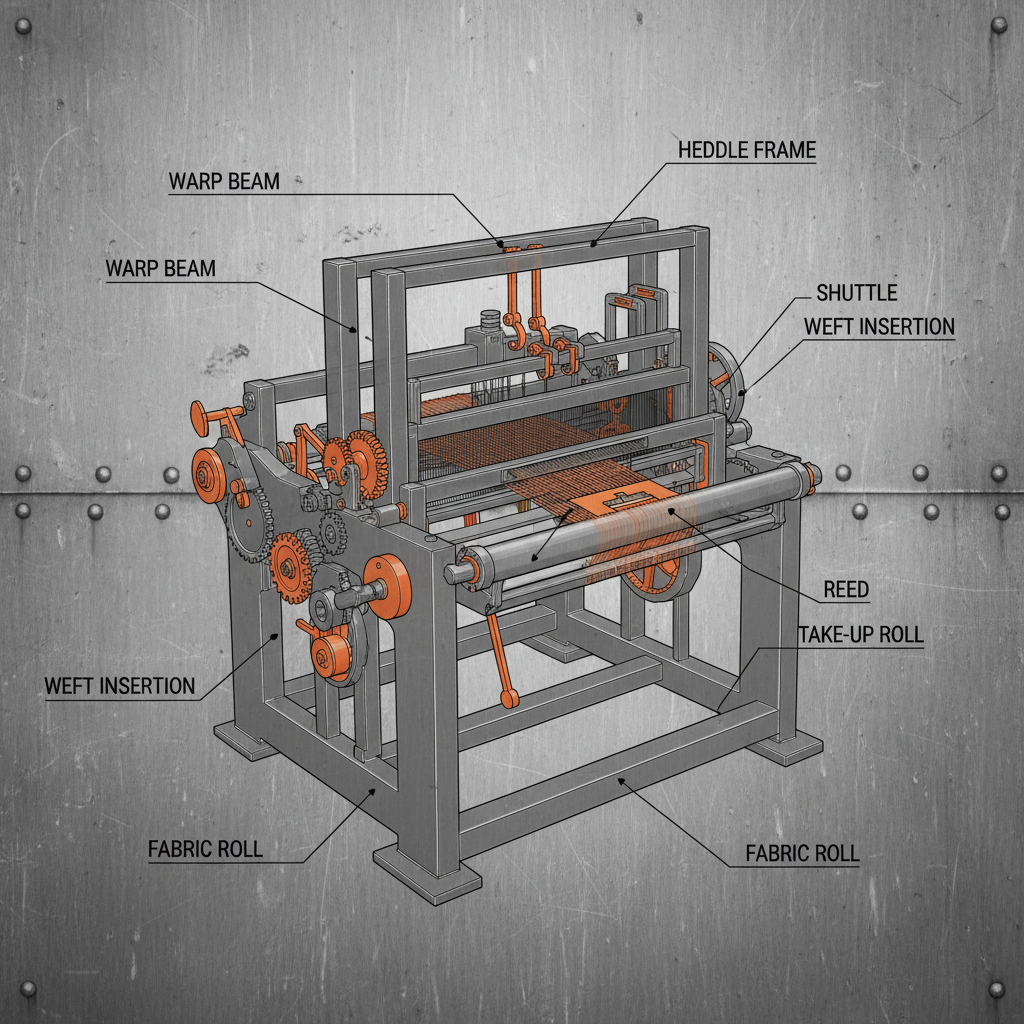
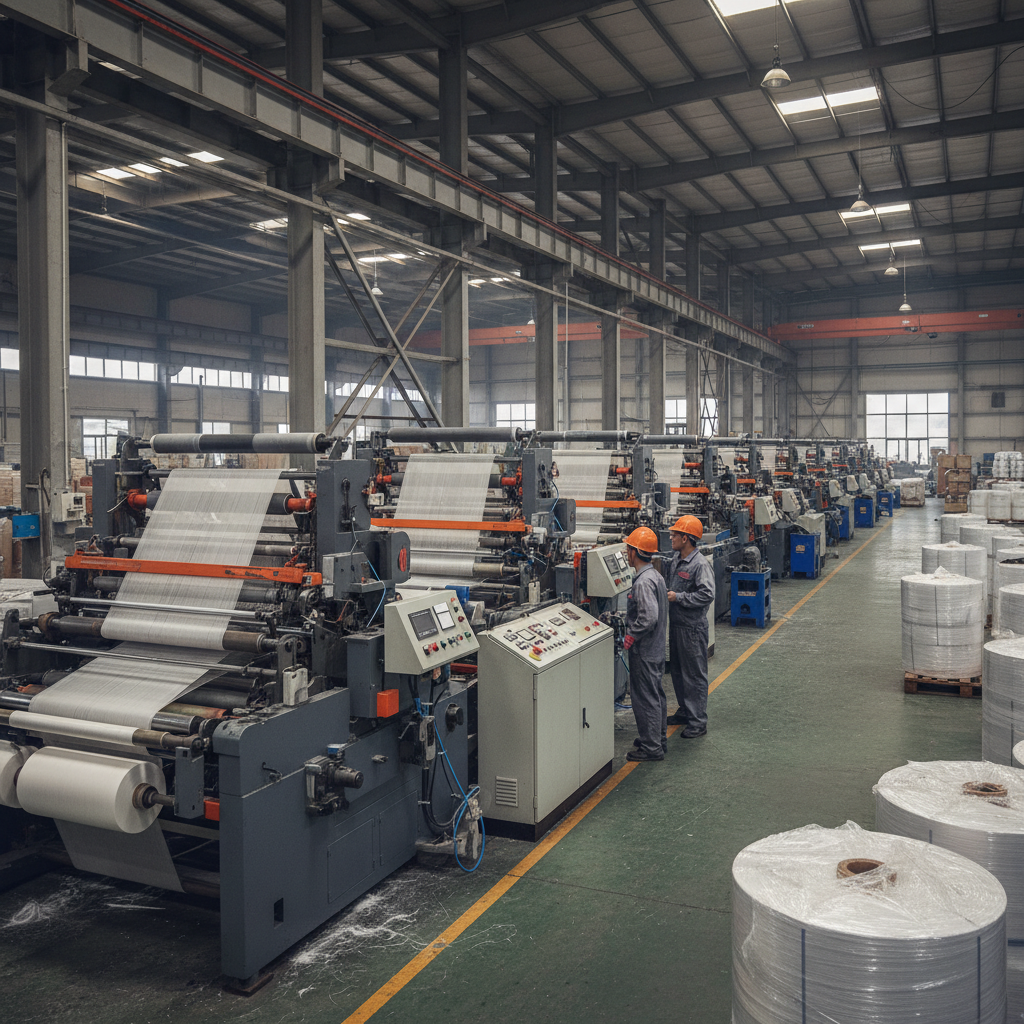
Fiberglass machines are instrumental in producing a wide array of composite materials crucial across diverse industries. From automotive components and marine vessels to construction materials and aerospace applications, these machines enable the creation of lightweight, strong, and corrosion-resistant products. This article provides an in-depth look at fiberglass machines, exploring their types, applications, benefits, and considerations when choosing the right machine for your needs. Understanding the nuances of these machines can significantly improve production efficiency and product quality. Explore our range of high-quality fiberglass machines for your specific requirements.
Types of Fiberglass Machines
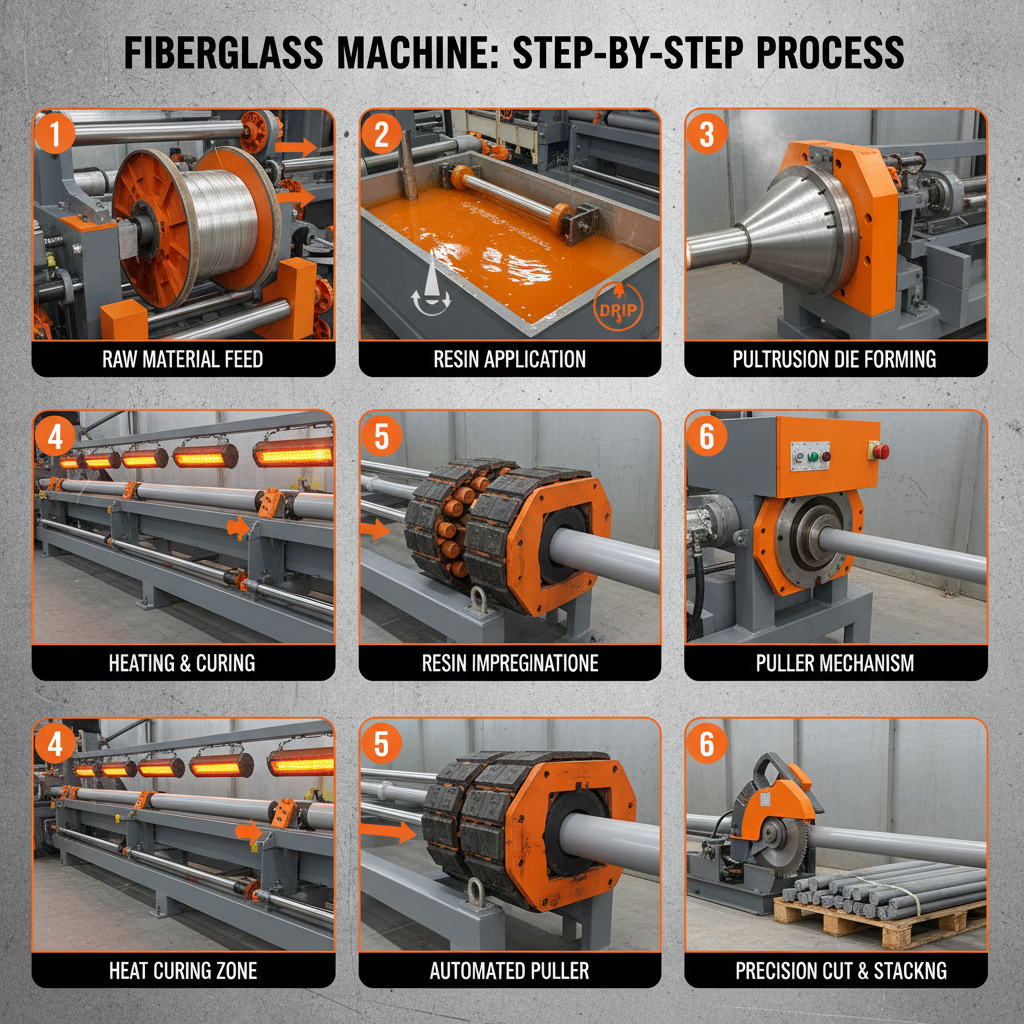
Several types of machines are employed in fiberglass manufacturing, each designed for specific processes and applications. Common categories include pultrusion machines, filament winding machines, spray-up machines, resin transfer molding (RTM) machines, and compression molding machines. Pultrusion machines are ideal for creating continuous, constant-profile composite parts like rods, tubes, and beams. Filament winding machines are used to produce high-strength, lightweight structures like tanks and pressure vessels. Spray-up machines are cost-effective for larger, simpler parts, while RTM machines offer higher precision and quality for complex shapes. Compression molding machines are suitable for high-volume production of parts with consistent properties.
Key Takeaway: The choice of fiberglass machine depends heavily on the desired product's shape, size, strength requirements, and production volume.
Fiberglass Machine Applications Across Industries
The versatility of fiberglass materials translates to a wide range of applications. The automotive industry utilizes fiberglass for body panels, interior components, and structural parts, reducing vehicle weight and improving fuel efficiency. In the marine sector, fiberglass is used extensively in boat hulls, decks, and superstructures due to its corrosion resistance and strength. Construction benefits from fiberglass in roofing materials, panels, and structural supports. Aerospace applications leverage the lightweight properties of fiberglass for aircraft components and interiors. Furthermore, industries like chemical processing, sports equipment manufacturing, and wind energy all rely on fiberglass for specialized components.
Industry-Specific Applications:
• Automotive: Body panels, interior trim, structural components.
• Marine: Boat hulls, decks, superstructures.
• Construction: Roofing, panels, structural supports.
• Aerospace: Aircraft components, interiors.
Choosing the Right Fiberglass Machine: Key Considerations
Selecting the appropriate fiberglass machine involves careful consideration of several factors. The production volume required is a primary factor; high-volume production may necessitate automated machines, while lower volumes may be suitable for manual or semi-automated processes. The complexity of the part dictates the precision and capabilities of the machine. Material costs and machine maintenance should be factored into the overall cost of ownership. Finally, operator skill level and safety features are crucial considerations for ensuring efficient and safe operation. Investing in a reliable machine from a reputable supplier, like HK Mesh Machine, ensures long-term performance and support.
Advantages of Using Fiberglass Machines
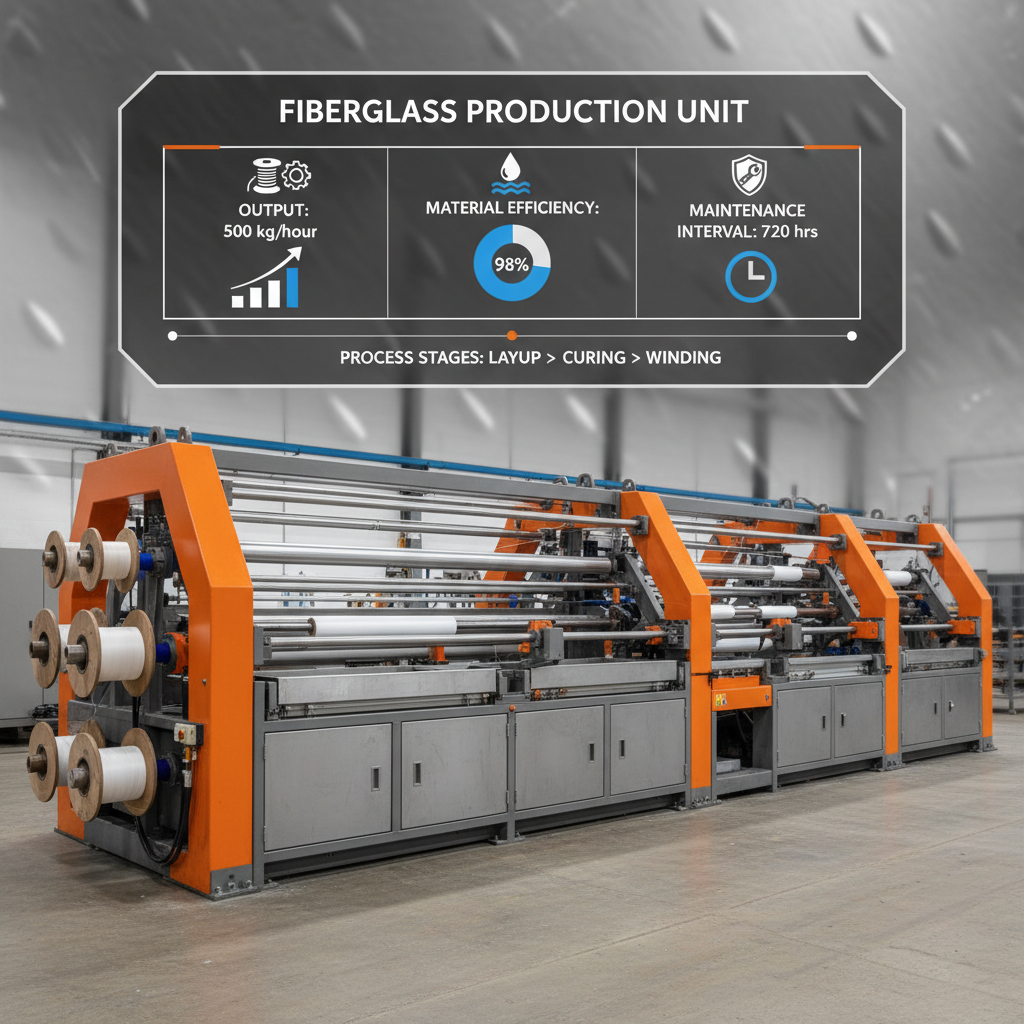
Fiberglass machines offer numerous benefits over traditional manufacturing methods. These include reduced material waste due to precise control over resin and fiberglass application. Increased production speed is achievable through automated processes. The resulting parts exhibit high strength-to-weight ratio, contributing to improved performance in various applications. Corrosion resistance is a key benefit, making fiberglass ideal for harsh environments. Furthermore, fiberglass machines allow for design flexibility, enabling the creation of complex shapes and customized parts.
Future Trends in Fiberglass Machine Technology
The field of fiberglass manufacturing is continuously evolving. Current trends include the integration of advanced robotics for greater automation and precision. The development of new resin systems with enhanced properties, such as improved fire resistance and toughness, is ongoing. AI-powered process control is being implemented to optimize machine parameters and reduce defects. The use of sustainable materials and environmentally friendly manufacturing processes is also gaining prominence. These advancements will continue to drive innovation and efficiency in the fiberglass industry.
Conclusion: Investing in Fiberglass Manufacturing Technology
Fiberglass machines are essential for producing high-quality, durable, and lightweight composite materials used across a vast spectrum of industries. Selecting the right machine requires careful consideration of your specific needs and production goals. HK Mesh Machine offers a comprehensive range of fiberglass machines and expert support to help you optimize your manufacturing processes. Investing in advanced fiberglass technology is a crucial step toward achieving enhanced productivity, product quality, and long-term success.
Frequently Asked Questions (FAQs)
What maintenance is required for a fiberglass machine?
Regular maintenance is crucial for ensuring the longevity and optimal performance of a fiberglass machine. This includes daily cleaning to remove resin buildup, weekly lubrication of moving parts, and periodic inspection of hoses, seals, and electrical connections. Resin pumps and spray guns require more frequent cleaning and maintenance. Following the manufacturer’s recommended maintenance schedule is essential to prevent costly repairs and downtime. Furthermore, proper storage of materials and a clean working environment contribute significantly to machine health.
What safety precautions should be taken when operating a fiberglass machine?
Safety is paramount when operating fiberglass machines. Always wear appropriate personal protective equipment (PPE), including a respirator, gloves, eye protection, and protective clothing. Ensure adequate ventilation to avoid inhaling resin fumes. Follow proper procedures for handling and disposing of hazardous materials. Lockout/tagout procedures should be implemented during maintenance. Regular safety training for operators is essential to minimize the risk of accidents and injuries. Always consult the machine’s safety manual for specific guidelines.
How does automation impact the cost-effectiveness of fiberglass production?
Automation significantly impacts the cost-effectiveness of fiberglass production in several ways. It reduces labor costs by minimizing manual intervention. Automated machines offer higher precision and consistency, leading to less material waste and fewer defects. Increased production speed results in higher output and faster return on investment. While the initial investment in automated equipment may be substantial, the long-term cost savings and efficiency gains often outweigh the upfront expense.
What are the environmental considerations in fiberglass manufacturing?
Fiberglass manufacturing presents several environmental considerations. Resin fumes can contribute to air pollution, so proper ventilation and emission control systems are essential. Waste materials, including fiberglass scrap and resin containers, require responsible disposal. The use of sustainable resin systems and bio-based materials is gaining traction to reduce the environmental footprint. Implementing closed-loop recycling systems for resin and fiberglass can minimize waste and promote resource conservation.