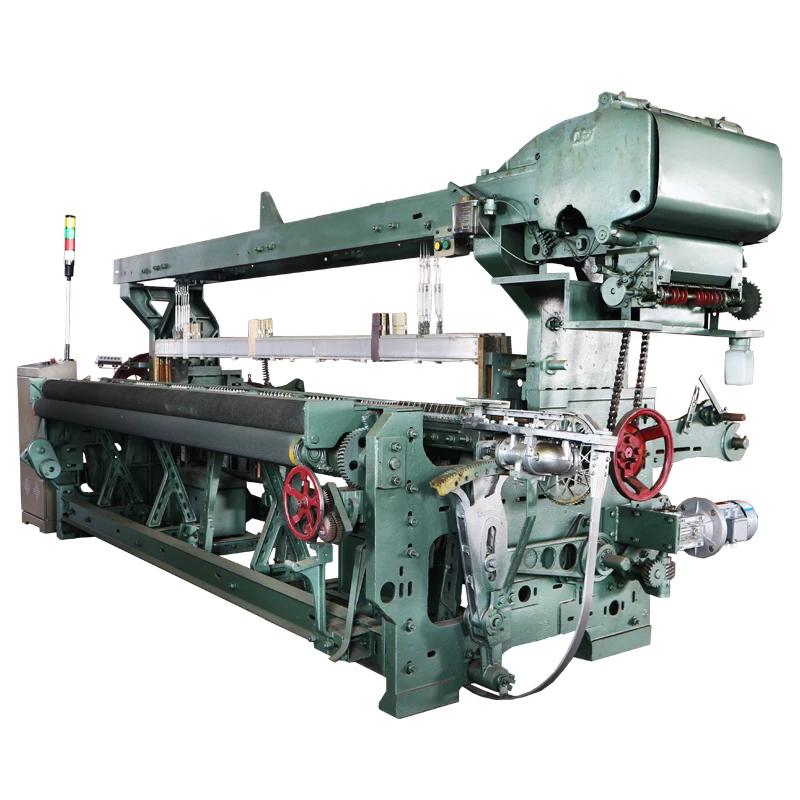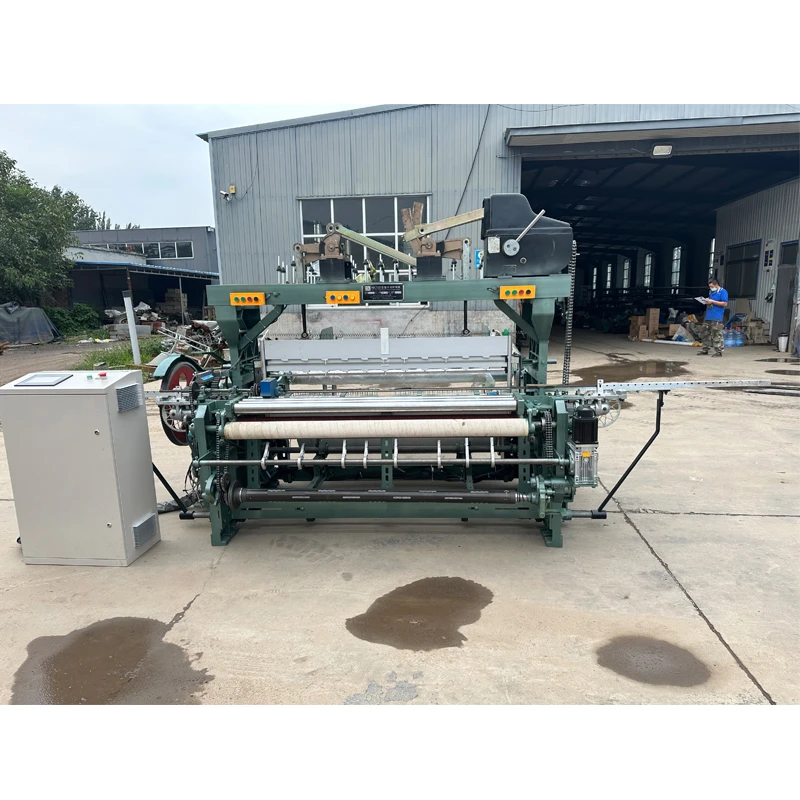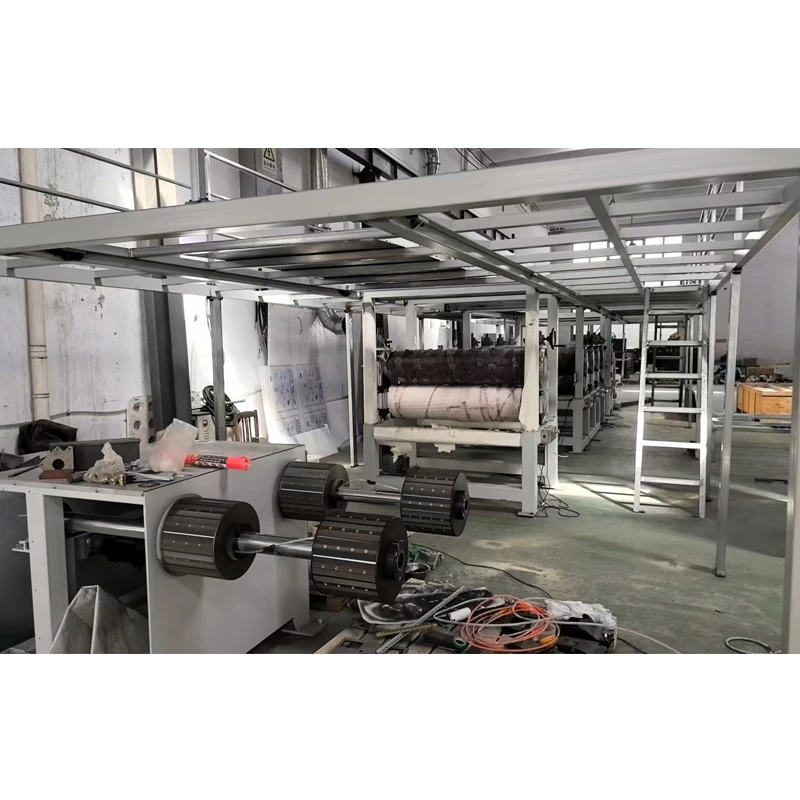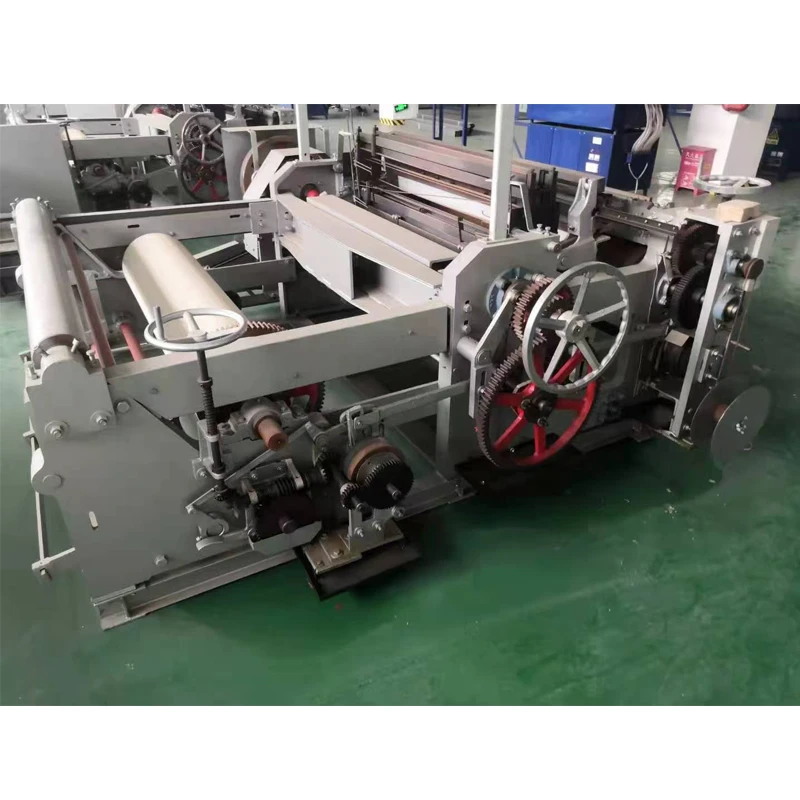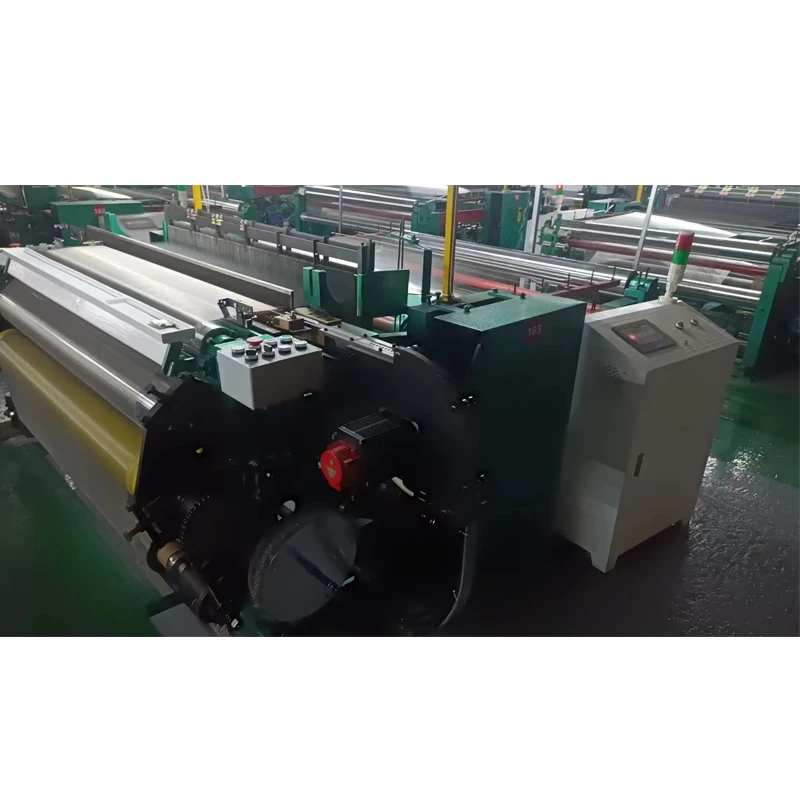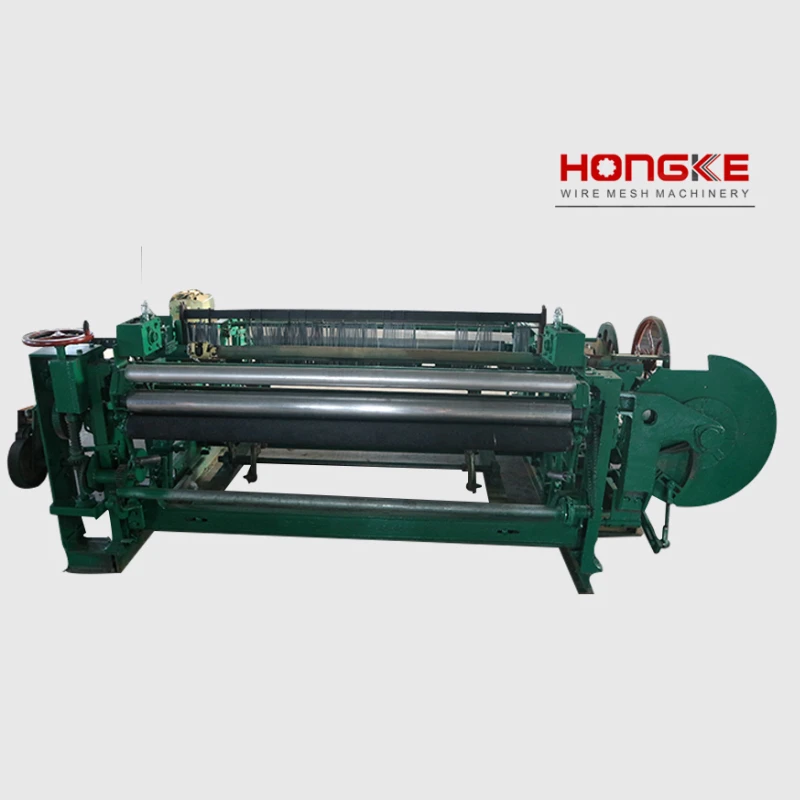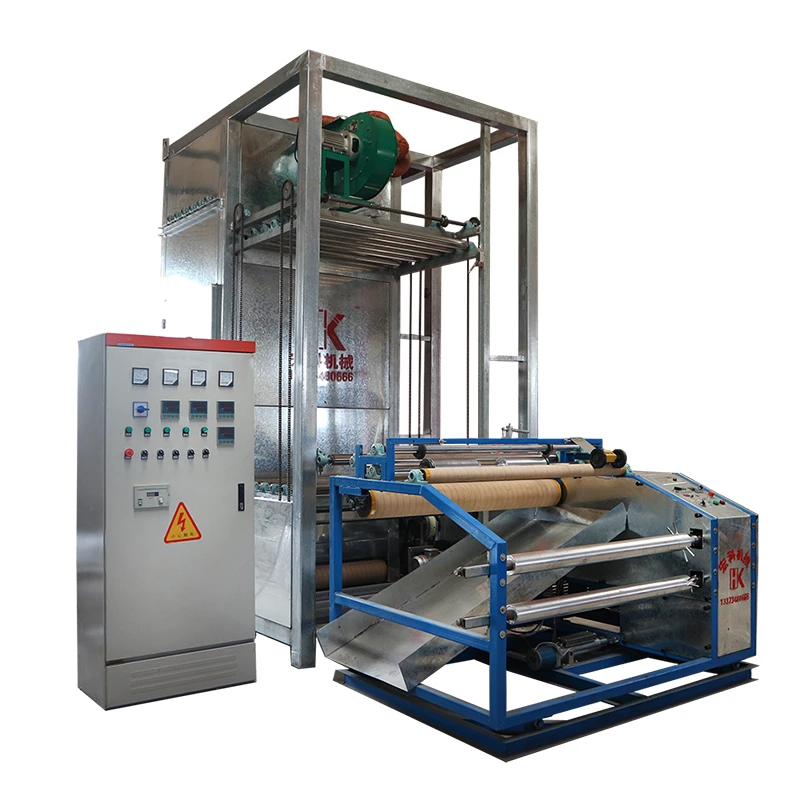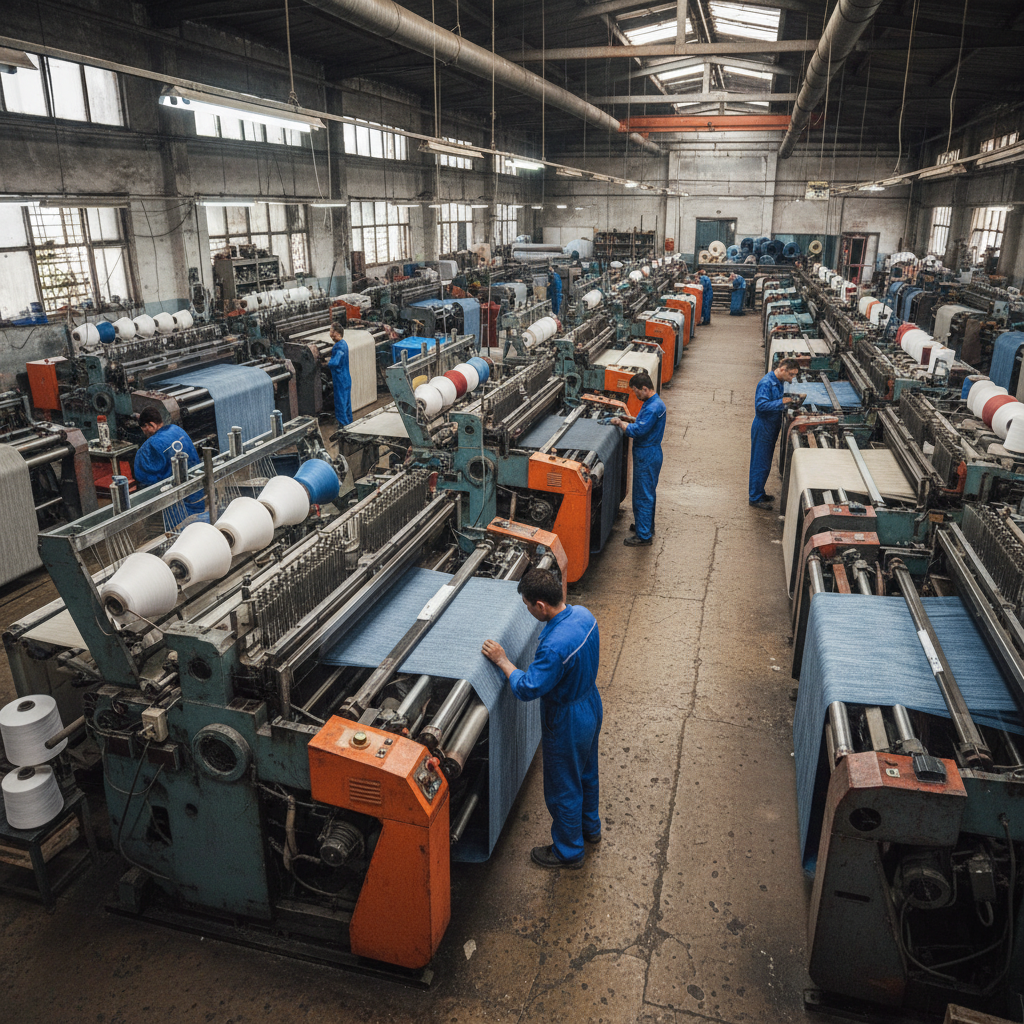



Fiberglass Mesh Machine MOQ and Delivery Lead Time Terms
Procurement parameters for the Fiberglass Mesh Machine center strictly on minimum order quantities and delivery schedules tied directly to model designations. Industrial importers evaluate supply terms using the discrete model variants 150 Type, 230 Type, 255 Type, 285 Type, 300 Type, and 330 Type without assuming unverified volume discounts. Production schedules remain dependent on factory capacity and slot allocation rules.
Logistical assessments incorporate the physical dimensions L4m*W1.75M*H1.25 m and L4m*W1.8M*H1.45 m as baseline variables for freight planning. Commercial communications must align quotation requests with these exact model numbers.
Establishing Baseline Ordering Parameters for Equipment Models
Operational Scope for Initial Unit Configurations
Baseline ordering parameters rely exclusively on six designated variants when structuring initial industrial requisitions.
Factory spatial planning utilizes physical measurements as linear and vertical limits for freight handling. Equipment footprints are evaluated against either L4m*W1.75M*H1.25 m or L4m*W1.8M*H1.45 m during site integration reviews.
Logistics and Footprint Verification Matrix
Procurement teams map exact order volumes to specific machinery identifiers to secure accurate manufacturing schedules.
| model | size | Verification Status |
|---|---|---|
| 150 Type | L4m*W1.75M*H1.25 m | Pending baseline logistics check |
| 230 Type | L4m*W1.8M*H1.45 m | Pending baseline logistics check |
| 255 Type | L4m*W1.75M*H1.25 m | Pending baseline logistics check |
| 285 Type | L4m*W1.8M*H1.45 m | Pending baseline logistics check |
| 300 Type | L4m*W1.75M*H1.25 m | Pending baseline logistics check |
| 330 Type | L4m*W1.8M*H1.45 m | Pending baseline logistics check |
Structuring Lead Time Inquiries for Specific Machine Sizes
Structuring Production Slot Allocations and Lead Time Schedules
Production schedules and manufacturing slot allocation requests map directly to the two recorded size configurations, establishing the framework for time-phased delivery inquiries. Procurement teams coordinate manufacturing queues by matching requested output volumes against factory production capacity without assuming unverified delivery timelines.
Communication templates guide procurement managers when drafting scheduling inquiries to manufacturing facilities. Such correspondence specifies the exact model list from 150 Type up to 330 Type, ensuring that queue allocation parameters remain anchored to documented unit designations. When communication channels are opened with production planners, specific inquiries must separate machine model variants from physical footprint measurements to prevent scheduling ambiguities during factory queue assignment.
Scheduling Inquiry Parameters and Queue Allocation Criteria
- Alignment of production slot requests with discrete equipment designations.
- Separation of manufacturing queue timelines from unverified freight transit estimates.
- Verification of model availability across the entire designated machinery range.
Factory output slots are assigned on a rolling basis, depending on current plant capacity and raw material staging schedules. Transport logistics and delivery milestones remain contingent on formal written confirmation from the manufacturer after the formal request for quotation is submitted.
Managing Specification Gaps and Documentation Requirements
Assessing Technical Documentation Status
Technical files provided lack certification numbers, designated issuing bodies, and independent testing reports entirely. Procurement teams record these specific documentary gaps prior to advancing formal supply agreements.
Official validation records remain absent from the documentation package. Compliance claims are omitted under these conditions.
| Model Field | Size Parameter Field | Missing Evidence Item |
|---|---|---|
| 150 Type | L4m*W1.75M*H1.25 m | Absence of certification numbers and independent testing reports |
| 230 Type | L4m*W1.8M*H1.45 m | Unspecified issuing bodies for compliance documentation |
| 255 Type | L4m*W1.75M*H1.25 m | Unverified validation records in technical files |
| 285 Type | L4m*W1.8M*H1.45 m | Missing third-party test verification data |
| 300 Type | L4m*W1.75M*H1.25 m | Absence of official accreditation documentation |
| 330 Type | L4m*W1.8M*H1.45 m | Unrecorded testing standards in supply dossier |
Tracking Communication Gaps
Vendor communications require structured tracking of what specific verification records remain absent from technical files. Designated machine variants are logged during operational reviews to determine whether required verification records are present in current dossiers.
Evaluating Commercial Terms and Delivery Milestones
Comparative Commercial Review Frameworks
Conditional comparison frameworks align disparate supplier bids against uniform specifications by locking in exact equipment identities and footprint constraints.
When quotes are evaluated on this standardized baseline, purchasing teams isolate transport feasibility from unverified performance claims. Linear and vertical boundaries dictate whether incoming machine offers match designated plant layouts.
Model Availability and Freight Compatibility Parameters
Supplier quotation lists must reflect the exact six discrete variants alongside corresponding physical measurements to prevent transport mismatch during facility integration.
| model | size | Procurement Verification Parameter |
|---|---|---|
| 150 Type | L4m*W1.75M*H1.25 m | Transport clearance and floor space under review. |
| 230 Type | L4m*W1.8M*H1.45 m | Transport clearance and floor space under review. |
| 255 Type | L4m*W1.75M*H1.25 m | Transport clearance and floor space under review. |
| 285 Type | L4m*W1.8M*H1.45 m | Transport clearance and floor space under review. |
| 300 Type | L4m*W1.75M*H1.25 m | Transport clearance and floor space under review. |
| 330 Type | L4m*W1.8M*H1.45 m | Transport clearance and floor space under review. |
Logistics coordinators cross-reference these physical measurements against transport clearance limits.
Drafting Formal Request for Quotation Fields for Production Lines
Structuring Quotation Frameworks
Procurement documentation must remain exclusively anchored to verified equipment identifiers rather than projected volume tiers.
Mandatory RFQ Parameters
When compiling formal inquiry sheets for manufacturing lines, purchasing agents should list precise technical constraints without assuming unsupported discounts.
| Field Identifier | Specified Parameter Value | Verification Status |
|---|---|---|
| model | 150 Type | Pending Confirmation |
| model | 330 Type | Pending Confirmation |
| size | L4m*W1.75M*H1.25 m | Pending Confirmation |
| size | L4m*W1.8M*H1.45 m | Pending Confirmation |
Factory queue allocation and logistics schedules require direct written responses from suppliers before any commercial commitments are finalized.
Executing Supply Agreement Verifications and Next Steps
Checklist and Verification Protocols
Project operations directors cross-check incoming supplier proposals against the complete collection of documented parameters to prevent specification drift.
The six designated types—150 Type, 230 Type, 255 Type, 285 Type, 300 Type, and 330 Type—form the primary column headers for this review.
Operational Action Items
Immediate steps require compiling supplier disclosures regarding spatial constraints matching L4m*W1.75M*H1.25 m and L4m*W1.8M*H1.45 m.
Execution teams finalize supply terms only after written verification reconciles all model identifiers against factory output queue records.
Frequently Asked Questions
Minimum order quantities and delivery schedules depend directly on current production slot availability at the manufacturing facility. Project operations directors must map requested output volumes against factory queue capacity. Delivery timelines remain contingent on formal written scheduling confirmation issued after submitting a request for quotation.
Requisitions must utilize the exact designations covering six discrete variants. These specific machinery identifiers separate output categories during factory queue assignment. Procurement managers verify that all quotation requests match this designated nomenclature without assuming unverified volume discounts.
Plant layout planning incorporates specific spatial dimensions as linear and vertical limits for handling freight. The physical footprint variables serve exclusively as boundary markers for transport logistics and floor space review. Transport clearance and machinery positioning remain tied strictly to these recorded physical measurements.
Commercial evaluations maintain strict adherence to documented facts by aligning unit configurations across uniform specification baselines. Procurement teams cross-check proposed terms against verified baseline parameters without introducing unverified performance traits. Quotation reviews rely exclusively on documented machinery designations and physical footprint limits.
Project operations directors initiate supply verification by cross-checking incoming vendor proposals against documented baseline facts. Procurement teams track missing verification records using structured documentary checklists. Finalizing supply agreements requires formal written confirmation of manufacturing slots and delivery milestones from the supplier.
Conclusion
Procurement teams are directed to dispatch the structured request for quotation using only the verified model designations 150 Type, 230 Type, 255 Type, 285 Type, 300 Type, and 330 Type alongside the recorded physical dimensions L4m*W1.75M*H1.25 m and L4m*W1.8M*H1.45 m.
Execution of commercial correspondence relies strictly on these parameters.