


Fiberglass Mesh Production Line: A Comprehensive Guide
Fiberglass mesh is a versatile material widely used in construction, automotive, and various industrial applications. A reliable fiberglass mesh production line is crucial for manufacturers aiming to meet growing market demands efficiently and with consistent quality. This article will delve into the components, process, and key considerations when selecting a production line, providing a detailed overview for businesses in the fiberglass mesh industry. Investing in the right equipment ensures optimal production capacity, reduces waste, and ultimately, boosts profitability.
Understanding the Components of a Fiberglass Mesh Production Line
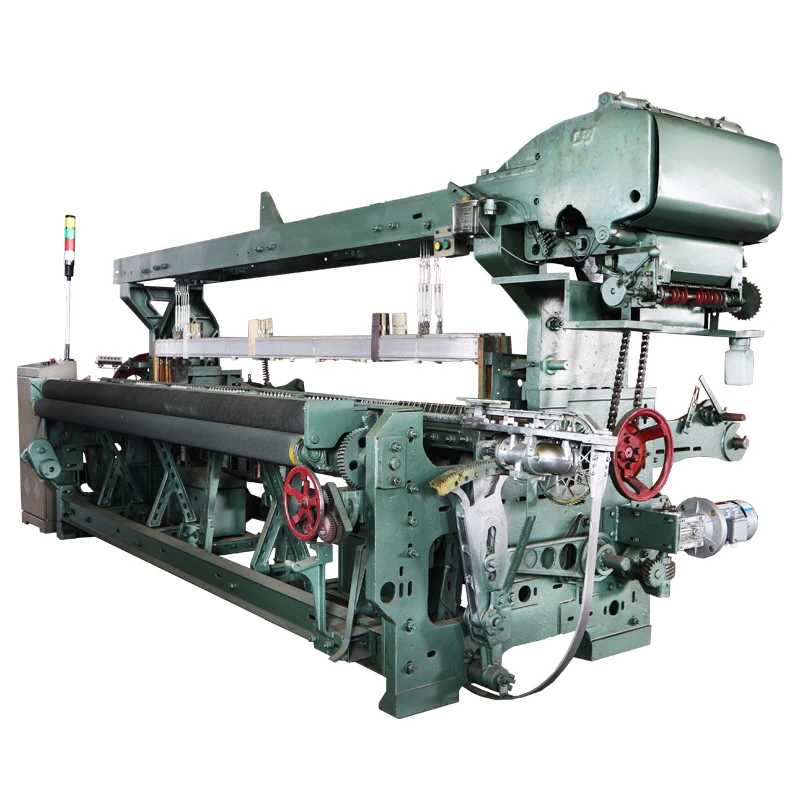
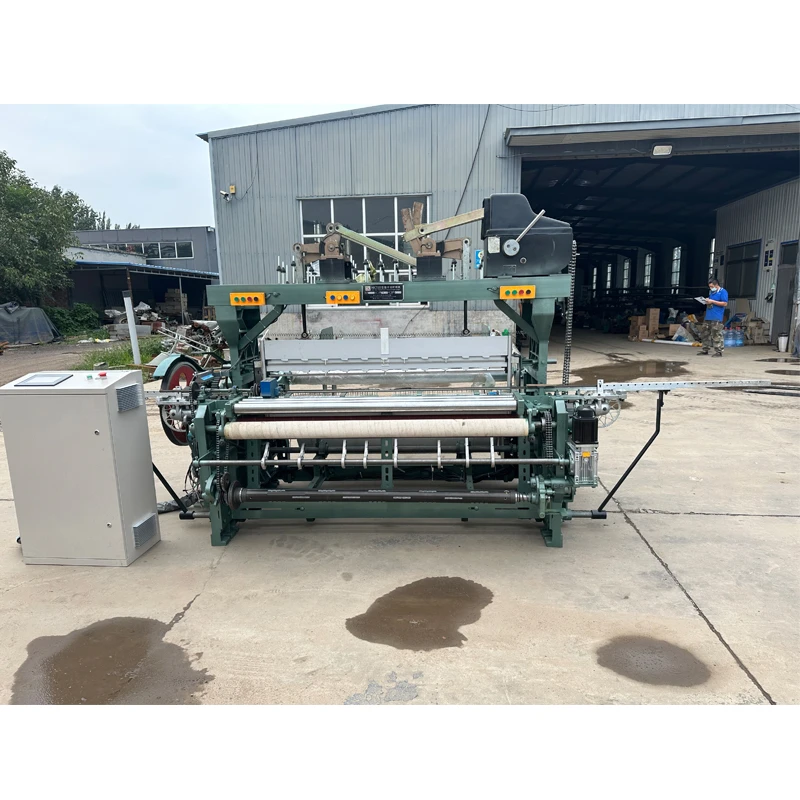
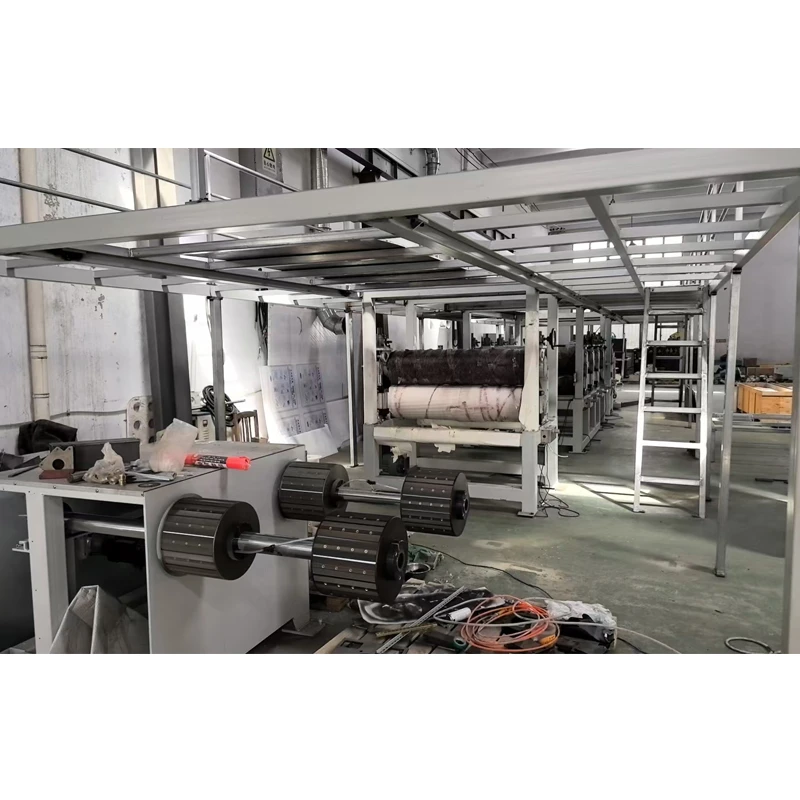
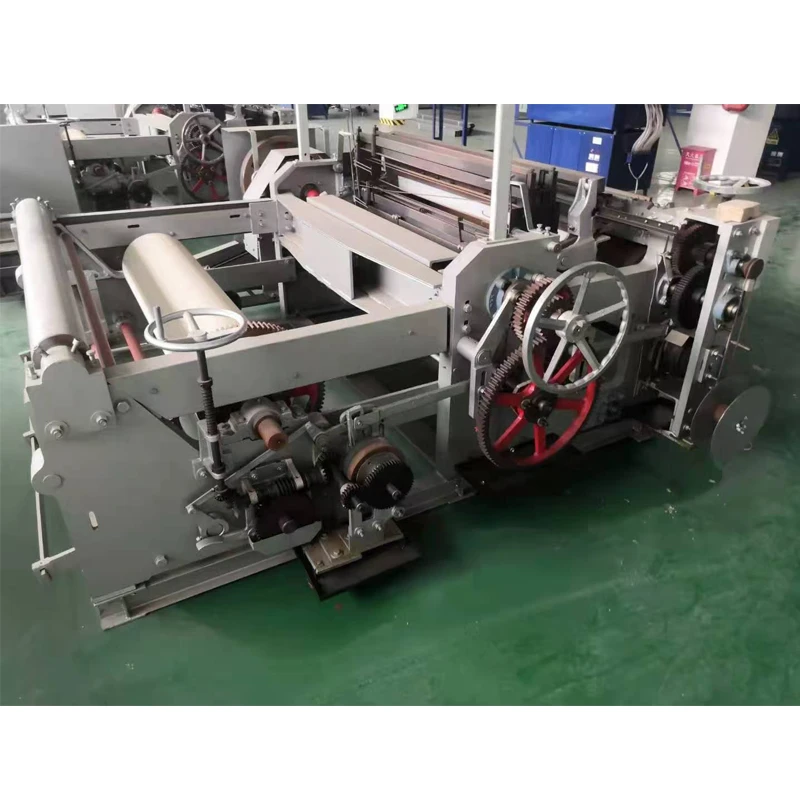
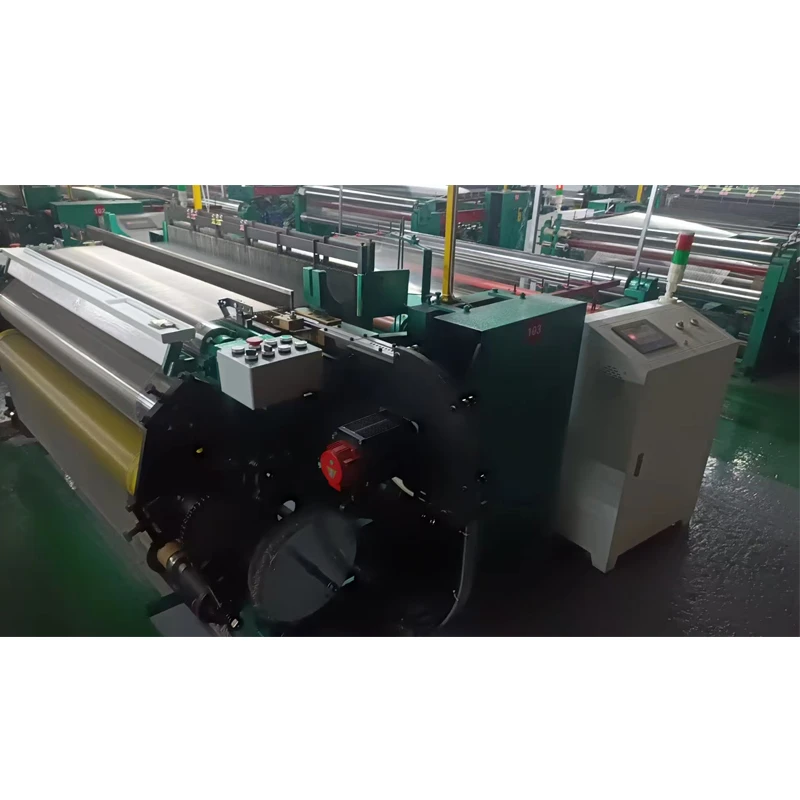
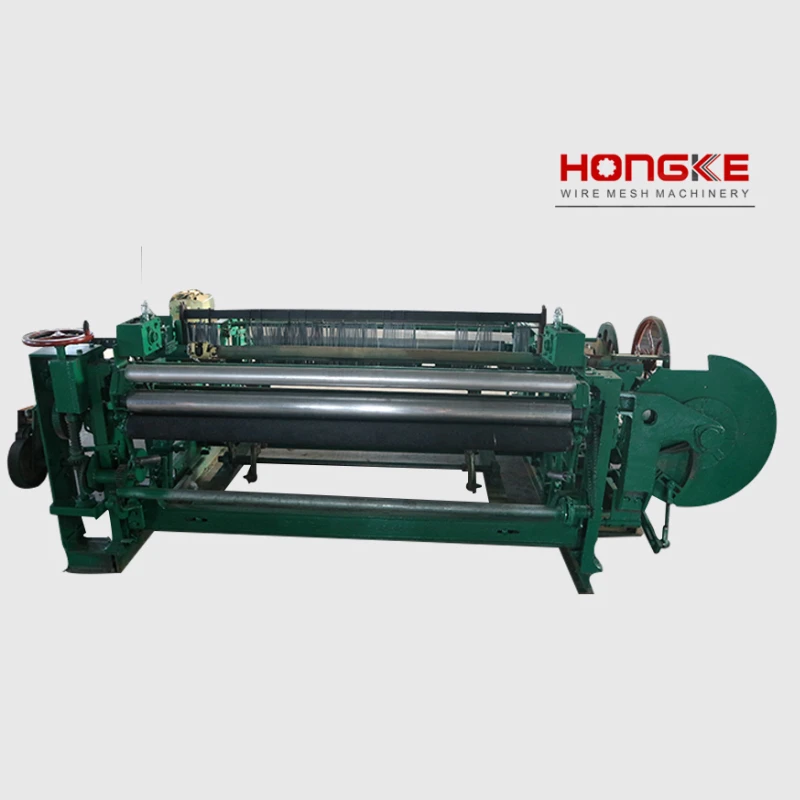
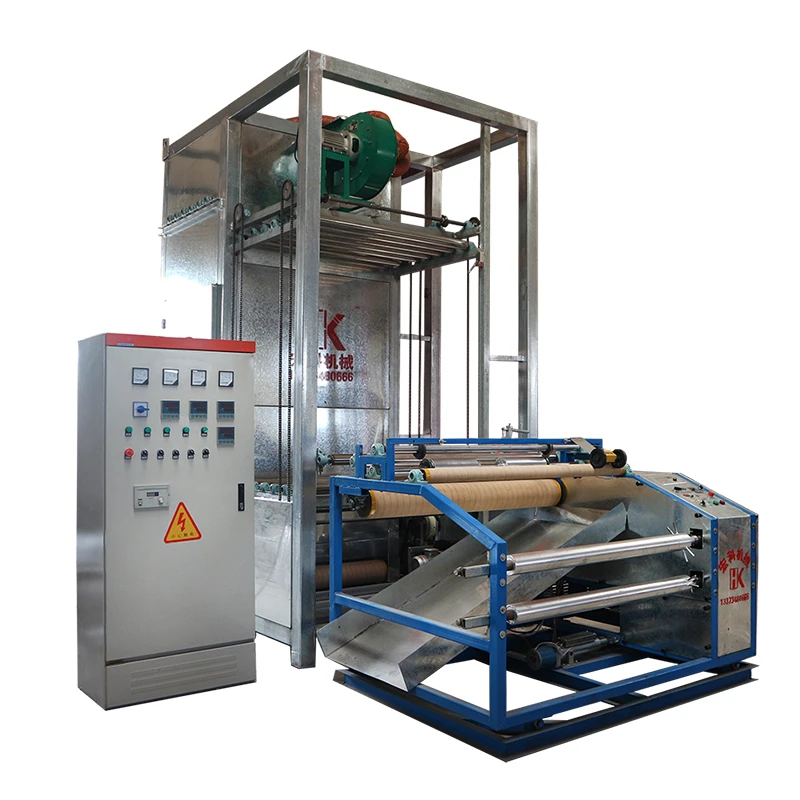
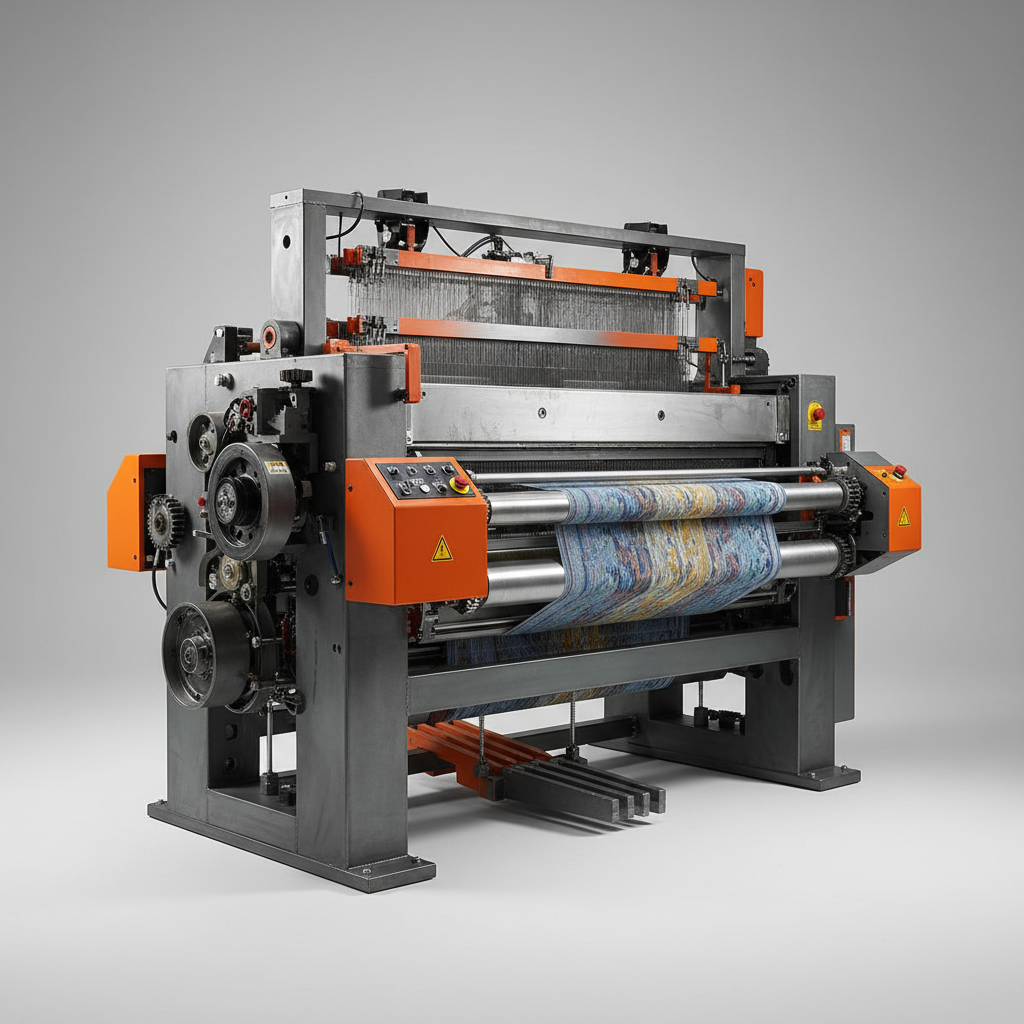
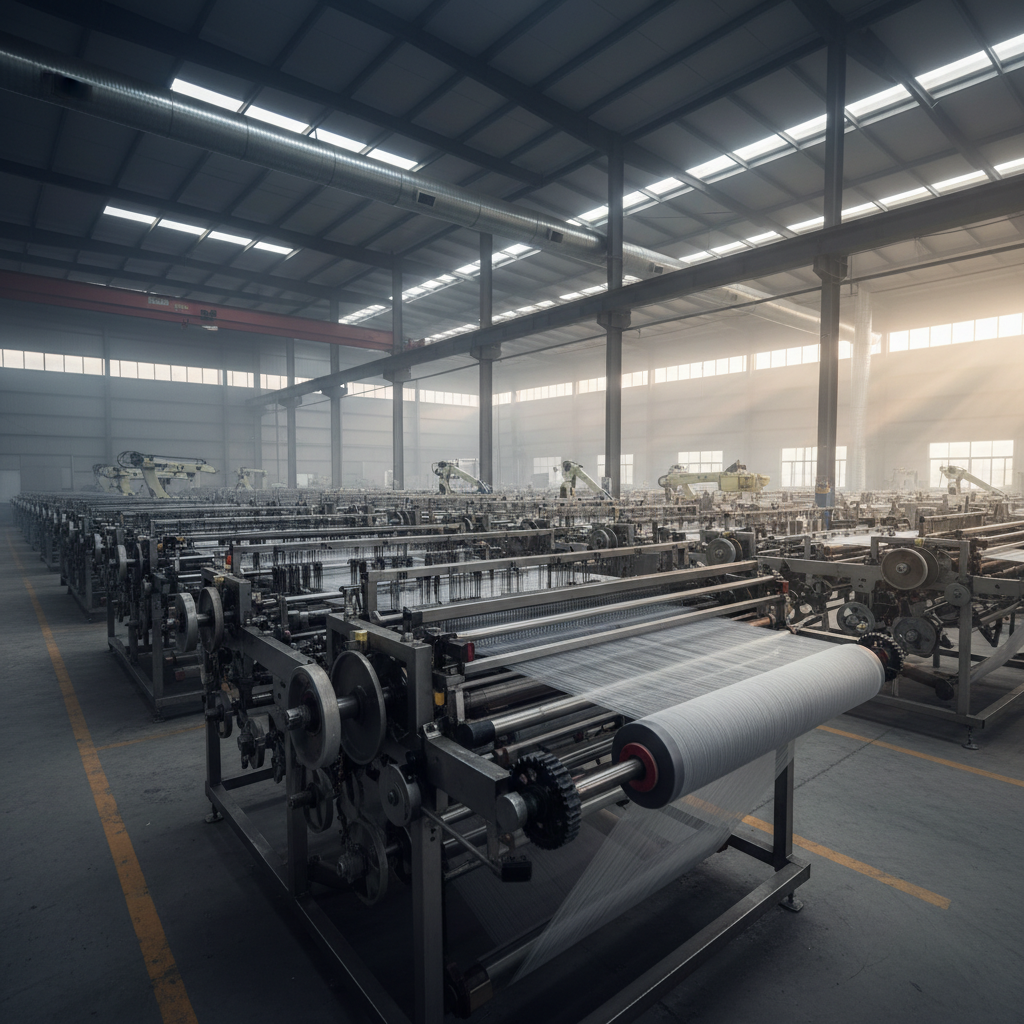
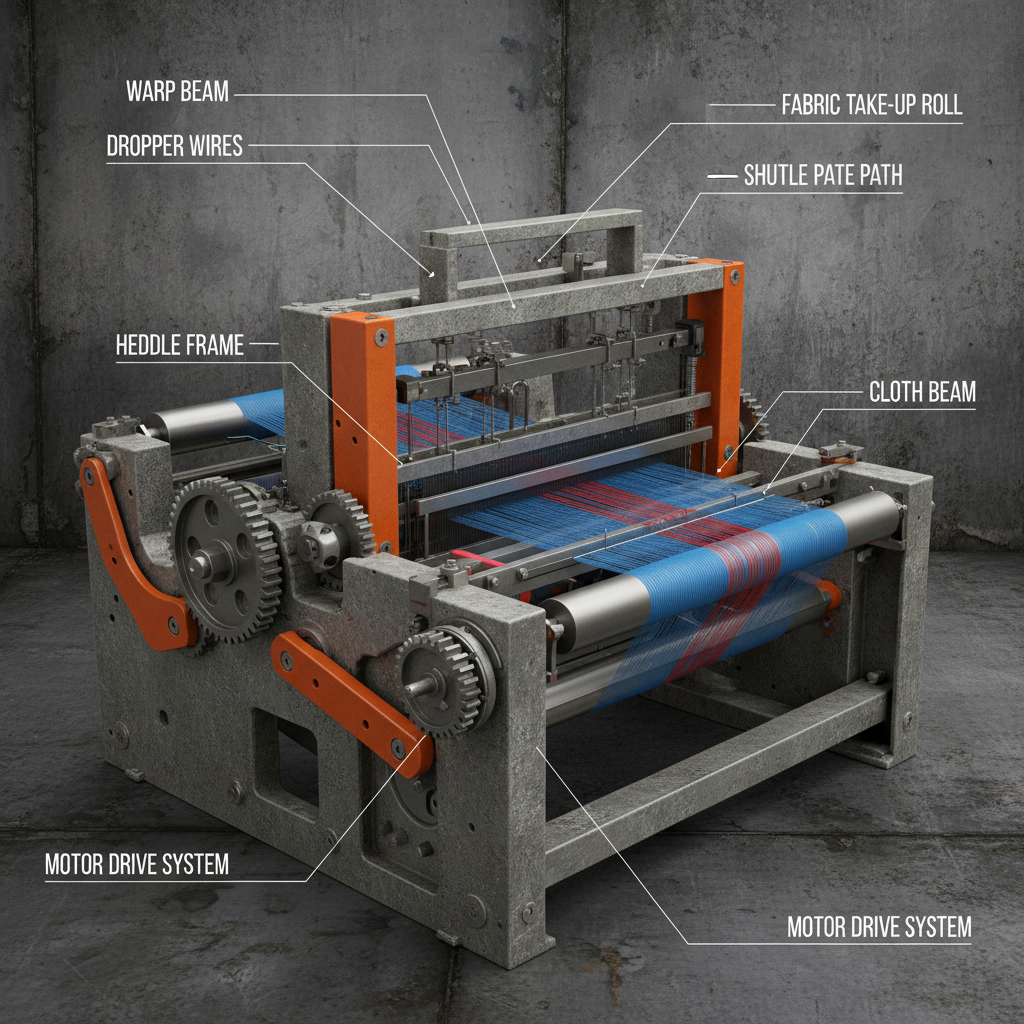
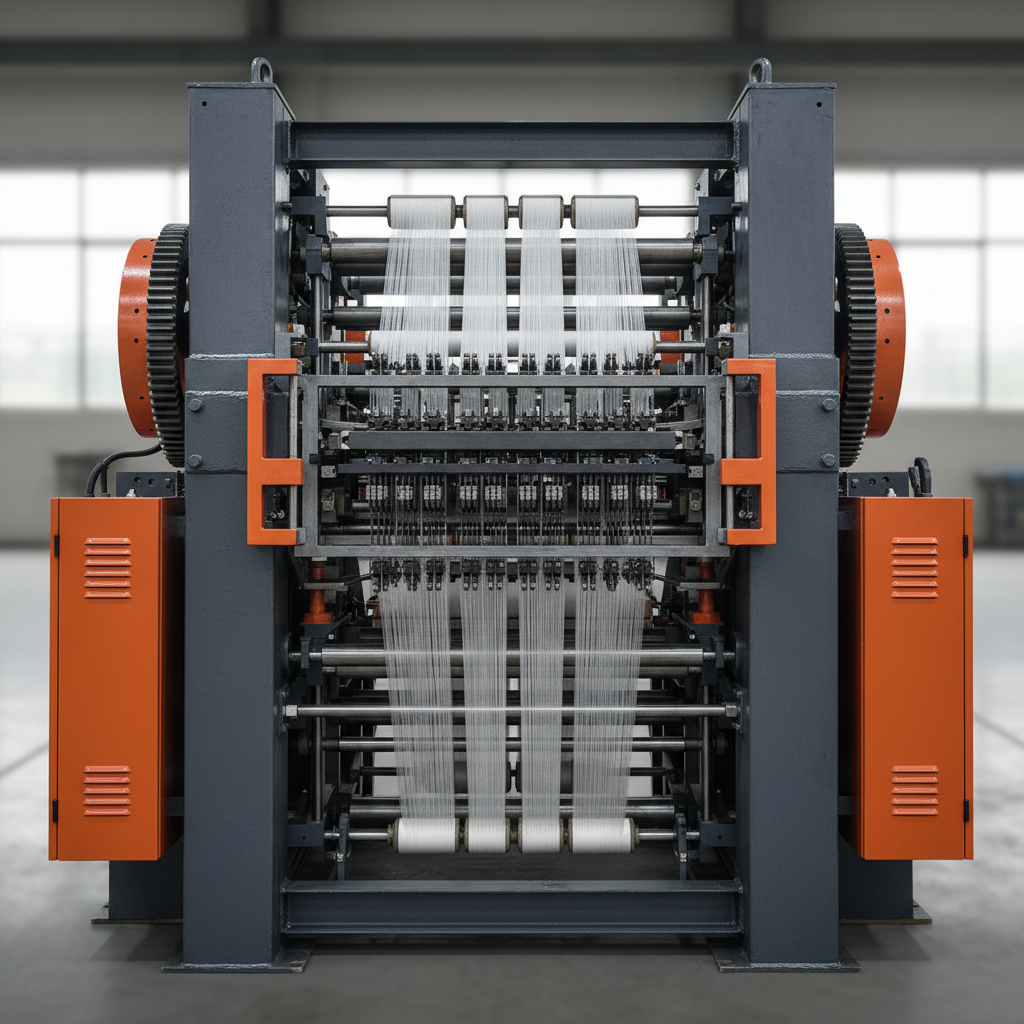
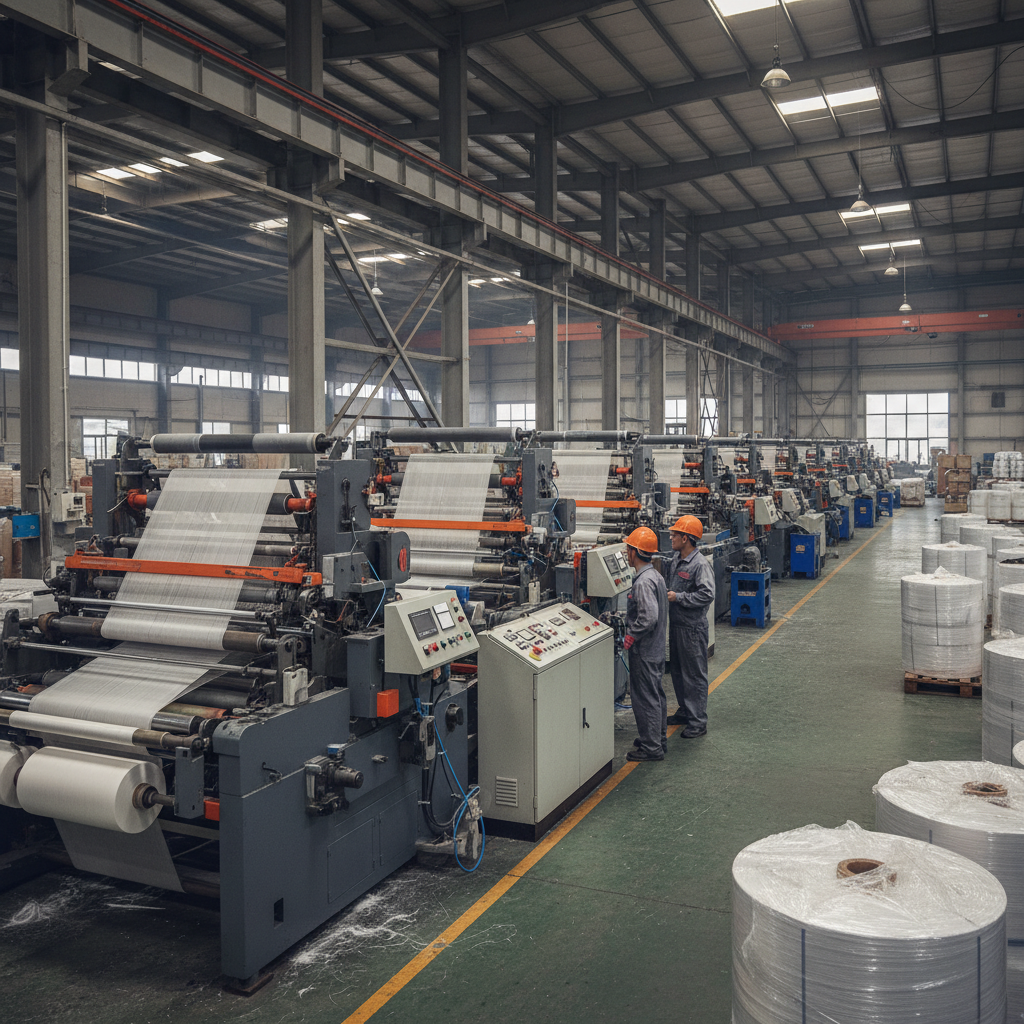
A typical fiberglass mesh production line comprises several key components working in synergy. These include unwinding machines for fiberglass yarn, weaving machines (often utilizing jacquard or multi-axial weaving techniques), coating systems to apply binding agents, drying ovens to cure the coating, and finally, winding and cutting machines to prepare the finished mesh for packaging. The weaving machine is arguably the heart of the line, determining the mesh’s structure and density. The coating system ensures durability and structural integrity. Modern lines often incorporate automated controls and quality monitoring systems for increased efficiency and precision. Selecting a complete, integrated system from a reputable manufacturer, like HK Mesh Machine, ensures seamless operation and minimizes compatibility issues.
Key Components: Unwinding machines, weaving machines, coating systems, drying ovens, winding and cutting machines, automated control systems, quality monitoring systems.
The Fiberglass Mesh Production Process: A Step-by-Step Overview
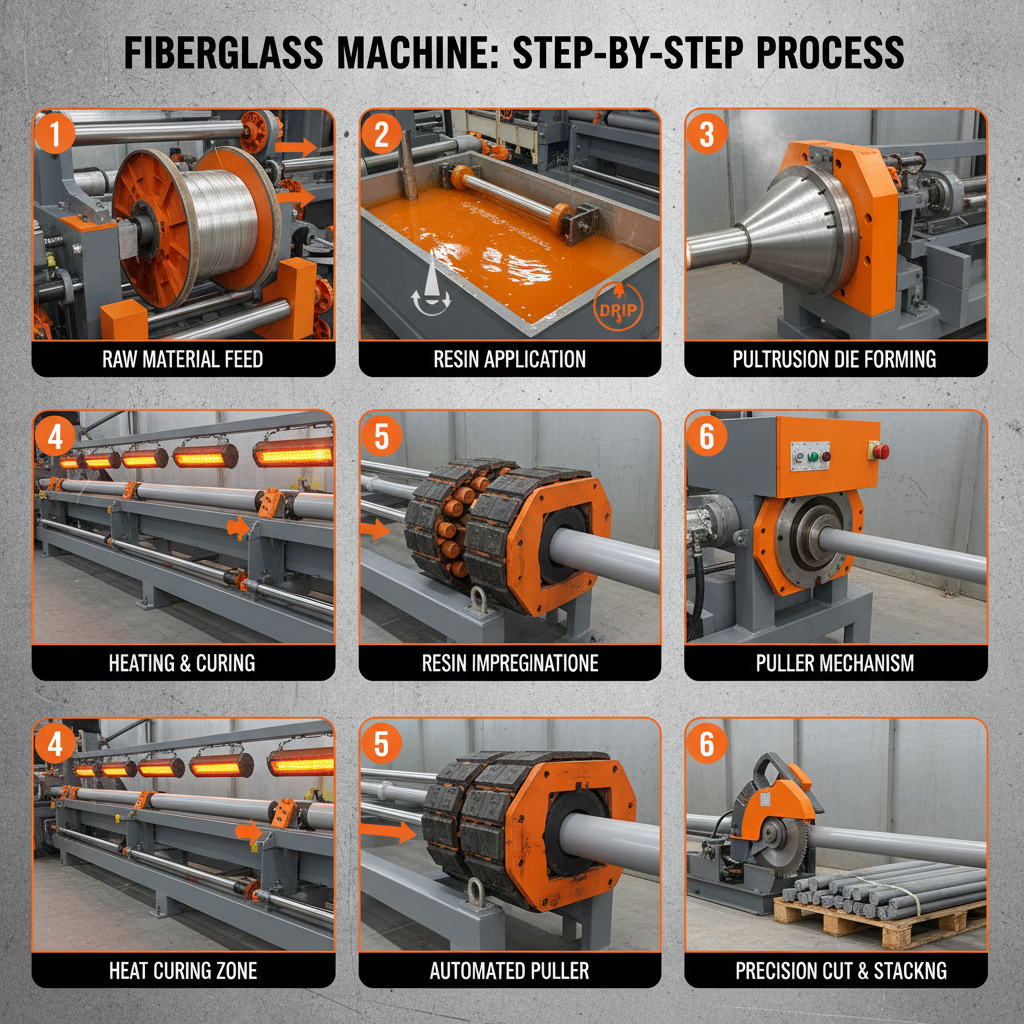
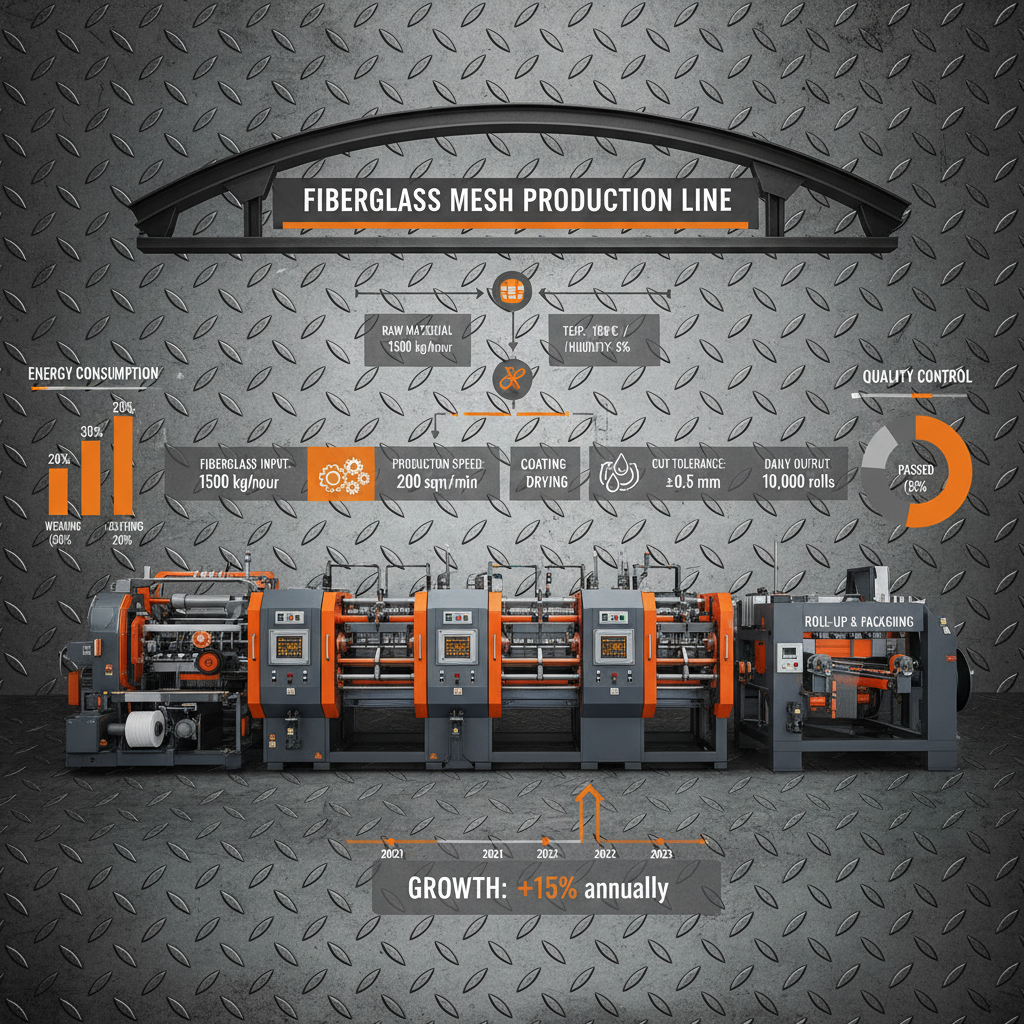
The production process begins with unwinding the fiberglass yarn from spools. The yarn is then fed into the weaving machine, where it's interlaced to create the mesh structure. Following weaving, the mesh undergoes a coating process, typically with a resin or polymer binder, to enhance its strength and dimensional stability. This coating is then cured in a drying oven using controlled temperature and humidity. Finally, the cured mesh is wound onto rolls and cut to the desired dimensions, ready for packaging and shipment. Automation throughout the process – from yarn unwinding to mesh cutting – significantly improves production speed and reduces labor costs.
Production Steps:
• Yarn Unwinding
• Weaving
• Coating
• Drying
• Winding & Cutting
Fiberglass Mesh Production Line Specifications & Capabilities
Fiberglass mesh production lines vary significantly in terms of capacity, mesh size range, and automation level. Here's a comparative overview of typical specifications, showcasing differences between basic and advanced models:
Key Considerations When Selecting a Fiberglass Mesh Production Line
Choosing the right production line requires careful consideration of several factors. First, assess your production volume requirements to determine the necessary capacity. Second, consider the range of mesh sizes you need to produce. Third, evaluate the level of automation you desire, balancing initial investment with long-term labor savings. Fourth, look for a manufacturer with a proven track record of reliability and excellent after-sales support. Finally, ensure the line meets all relevant safety and quality standards. Investing in a robust and well-supported fiberglass mesh production line from a trusted supplier like HK Mesh Machine is a critical step toward building a successful and efficient manufacturing operation.
Maintaining and Optimizing Your Fiberglass Mesh Production Line
Regular maintenance is crucial for maximizing the lifespan and efficiency of your fiberglass mesh production line. This includes routine cleaning of all components, lubrication of moving parts, and inspection for wear and tear. Promptly address any issues that arise to prevent them from escalating into costly repairs. Additionally, optimizing process parameters such as weaving speed, coating viscosity, and drying temperature can significantly improve product quality and reduce waste. Consider implementing preventative maintenance schedules and training your staff on proper operation and maintenance procedures.
Conclusion: Investing in a Reliable Fiberglass Mesh Production Line
Investing in a quality fiberglass mesh production line is a strategic move for any manufacturer looking to compete in today's market. By carefully considering your needs, selecting a reputable supplier, and implementing a robust maintenance program, you can ensure a consistent supply of high-quality fiberglass mesh, optimize production efficiency, and maximize your return on investment.
Frequently Asked Questions (FAQs)
What is the typical lead time for a fiberglass mesh production line?
Lead times can vary depending on the complexity of the line and the manufacturer's current workload. Generally, you can expect a lead time of 6-12 weeks for a standard production line, while customized solutions may take longer. It's essential to discuss your specific requirements and delivery schedule with the supplier upfront to ensure timely delivery. Factors such as customization, machine testing, and shipping logistics influence the final lead time.
What kind of after-sales support can I expect?
Reputable manufacturers offer comprehensive after-sales support, including installation assistance, operator training, technical support, and readily available spare parts. Some providers also offer remote diagnostics and preventative maintenance programs. It's crucial to choose a supplier that provides responsive and reliable support to minimize downtime and ensure smooth operation of your production line. HK Mesh Machine is known for excellent customer service and support.
What are the typical power requirements for a fiberglass mesh production line?
Power requirements vary depending on the size and automation level of the production line. A basic semi-automatic line may require 10-15 kW, while a fully automated line could require 30 kW or more. It's important to accurately assess your facility's power capacity and ensure it can handle the load. The manufacturer will provide detailed power specifications for the specific production line you are considering.
What safety features are typically included in a fiberglass mesh production line?
Modern fiberglass mesh production lines incorporate several safety features to protect operators. These include emergency stop buttons, safety guards on moving parts, light curtains to prevent accidental access to hazardous areas, and overload protection systems. Compliance with relevant safety standards, such as CE certification, is also crucial. Proper training on safety procedures is essential for all operators.