


Understanding Spinning and Weaving Machines: A Comprehensive Guide
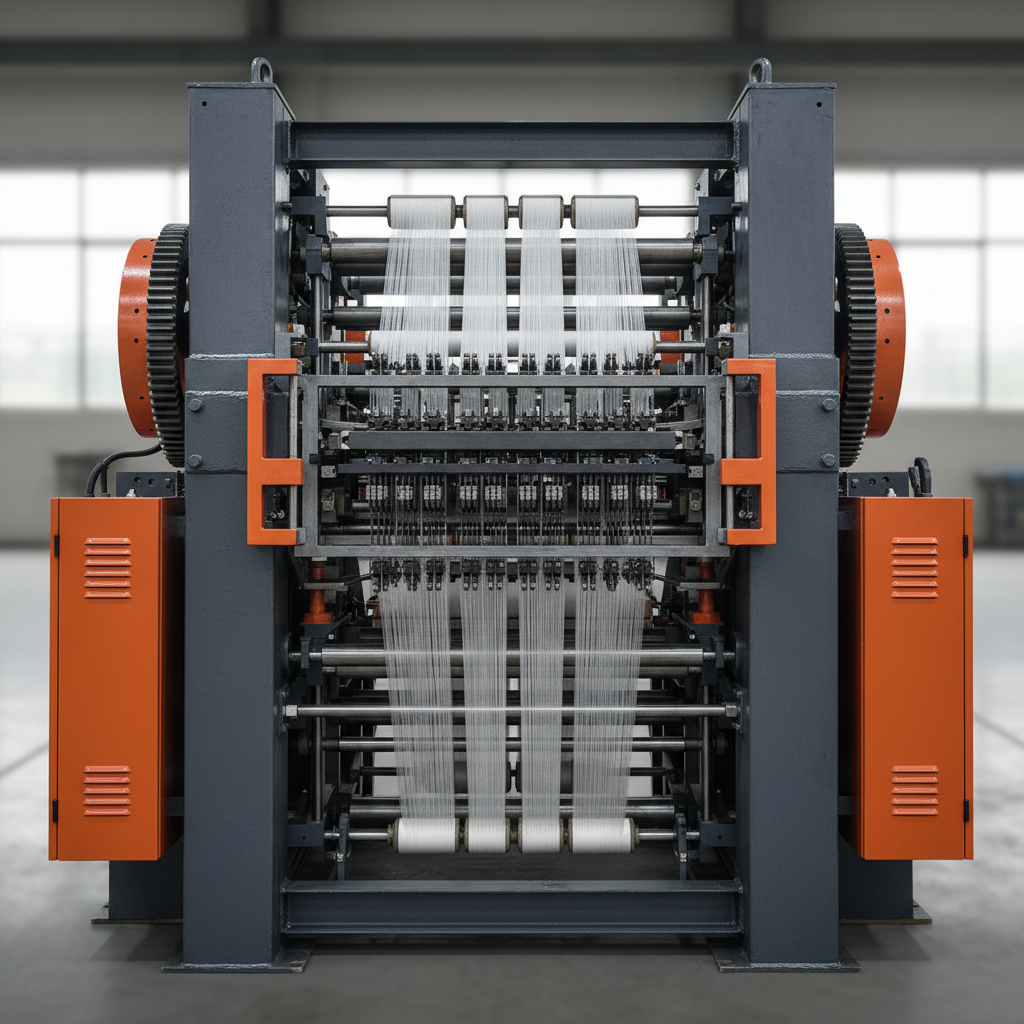
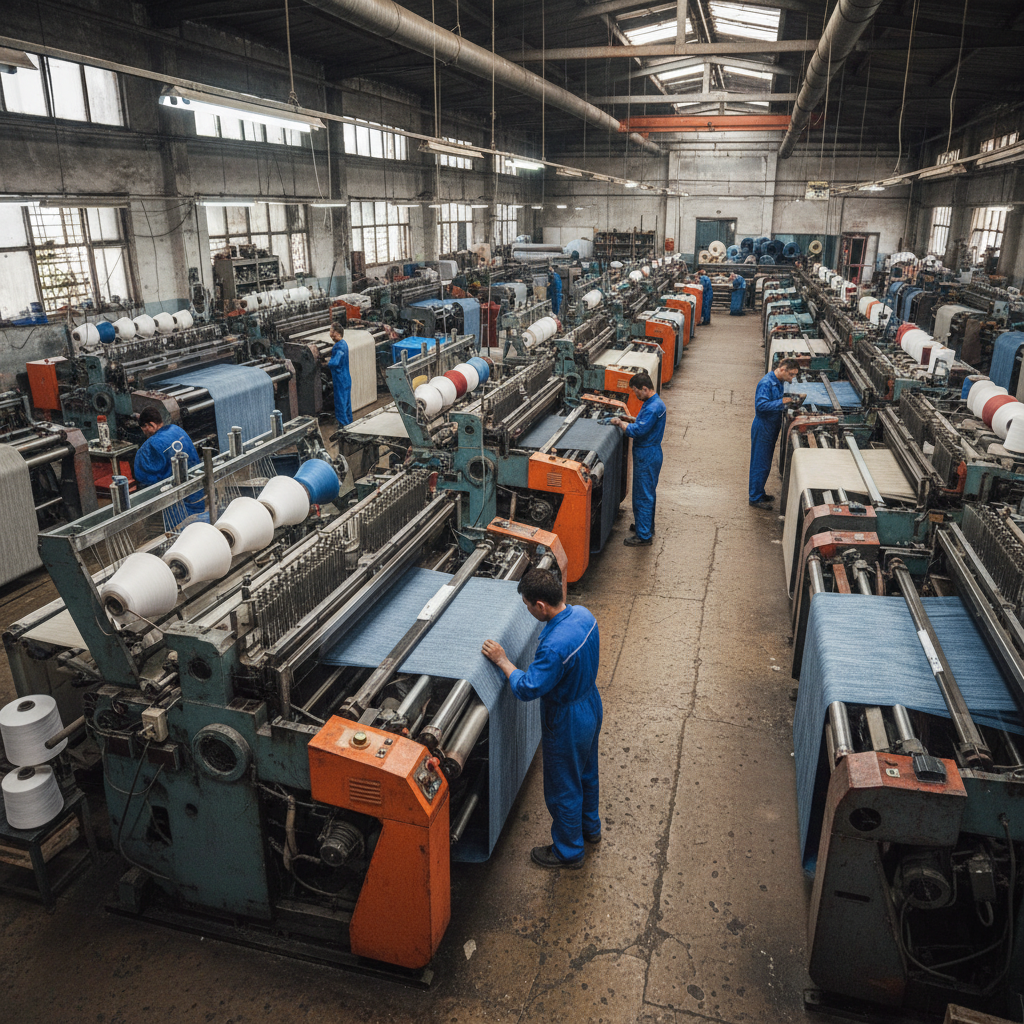
The textile industry relies heavily on efficient and reliable machinery for the production of fabrics. Spinning and weaving machines are at the heart of this process, transforming raw fibers into finished textiles. This article provides an in-depth look at these machines, their functionalities, types, advancements, and considerations for selecting the right equipment. We will explore the nuances of both spinning and weaving technologies, offering valuable insights for businesses in the textile sector.
What are Spinning Machines and How Do They Work?
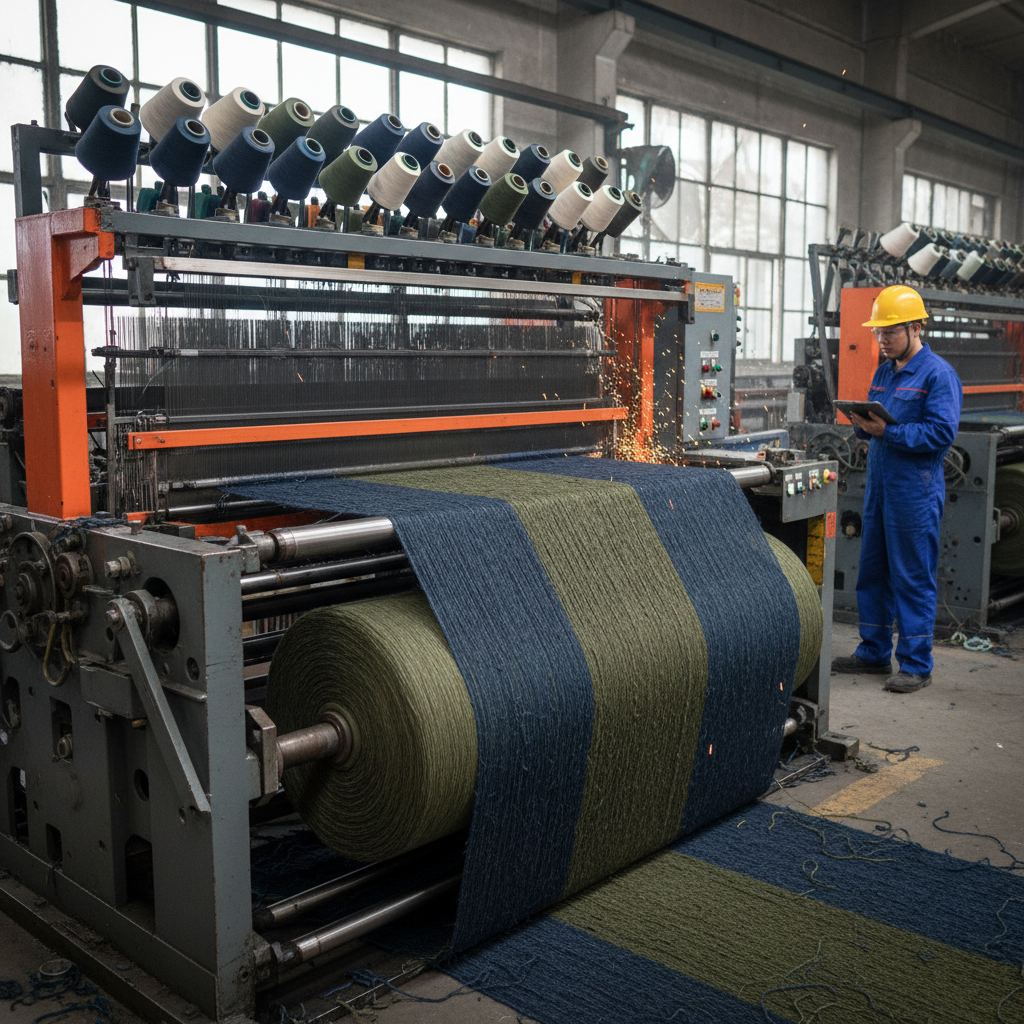
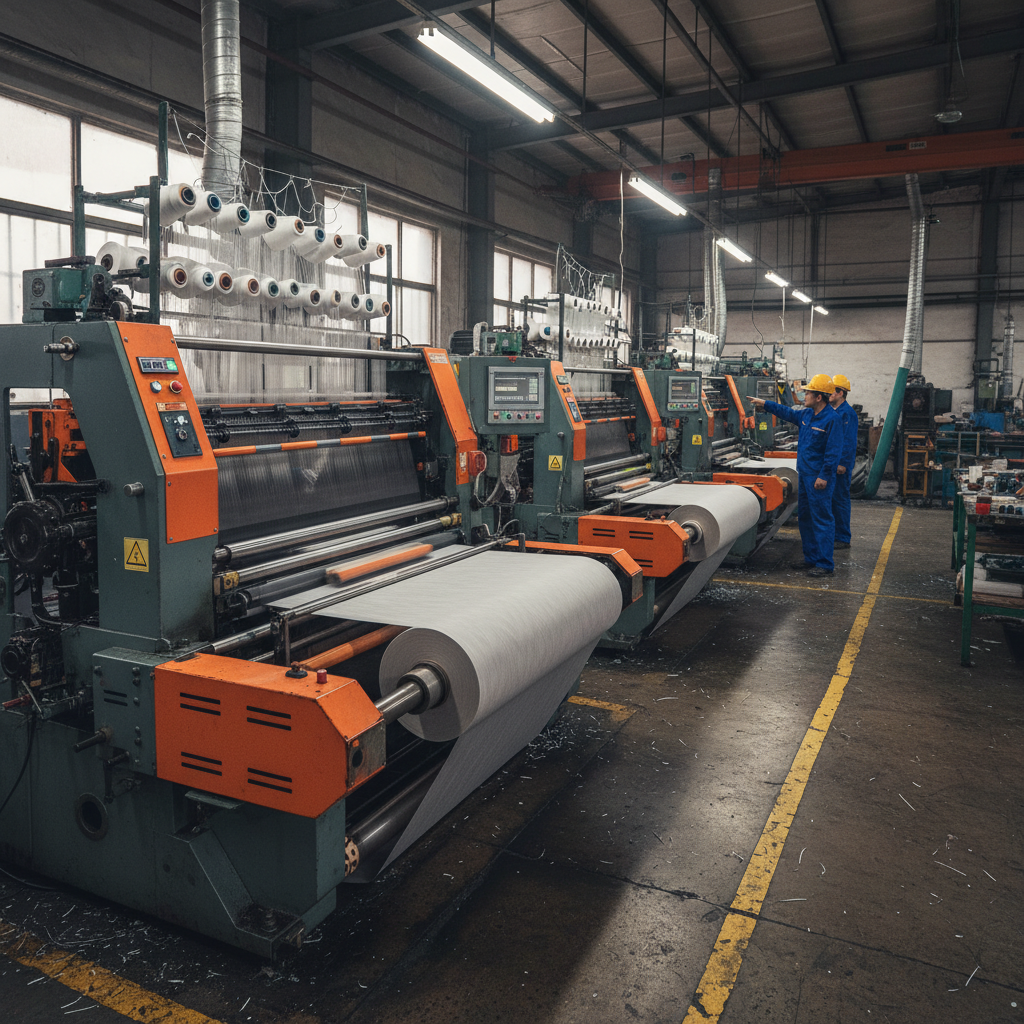
Spinning machines are designed to convert raw fibers – such as cotton, wool, flax, or synthetic materials – into yarn or thread. The process involves cleaning, carding, drawing, and twisting the fibers together to create a continuous strand. There are various types of spinning machines, each suited for different fiber types and yarn characteristics. Ring spinning, open-end spinning, and air-jet spinning are among the most common methods. The choice of spinning method significantly impacts the yarn's strength, texture, and overall quality. Modern spinning machines are often automated and feature sophisticated control systems for precise yarn production.
Exploring Different Types of Weaving Machines
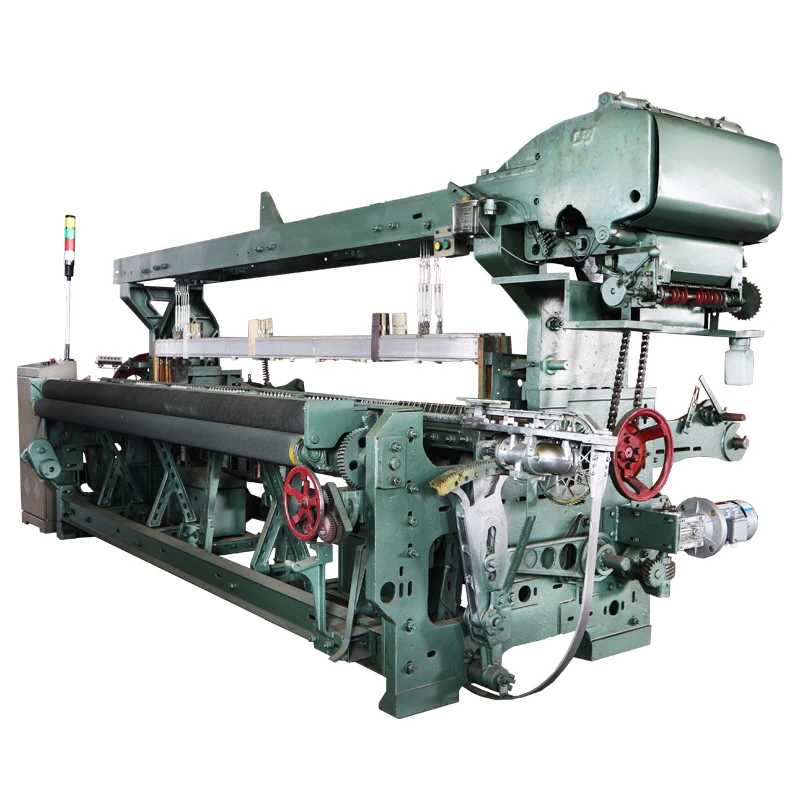
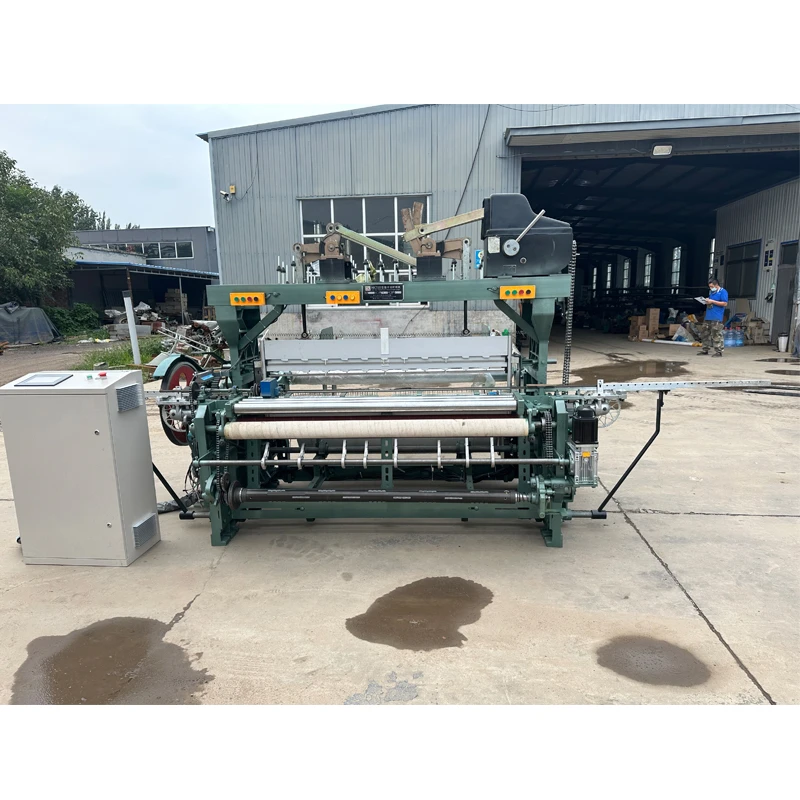
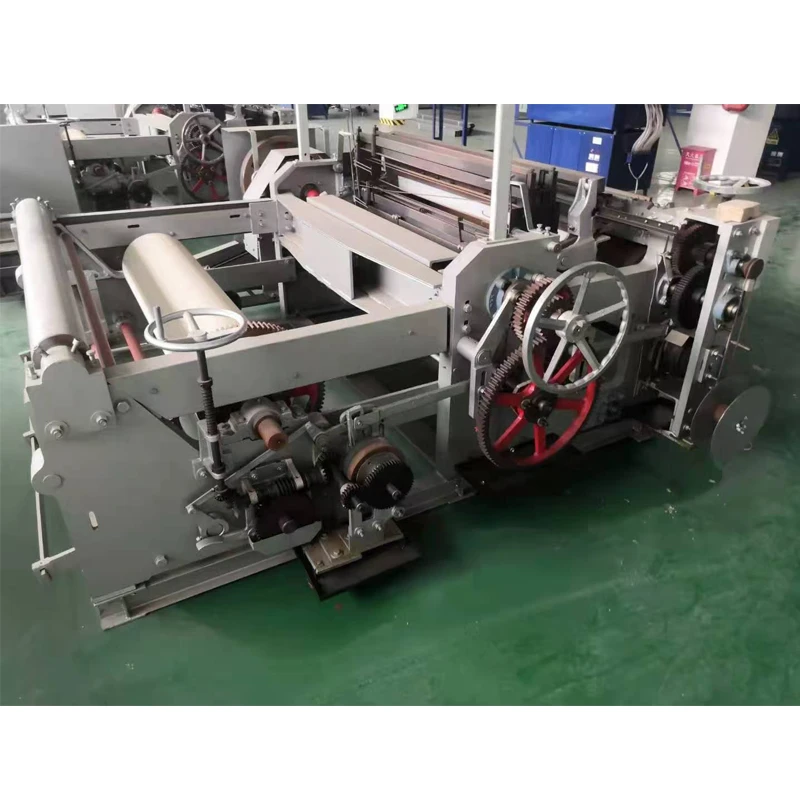
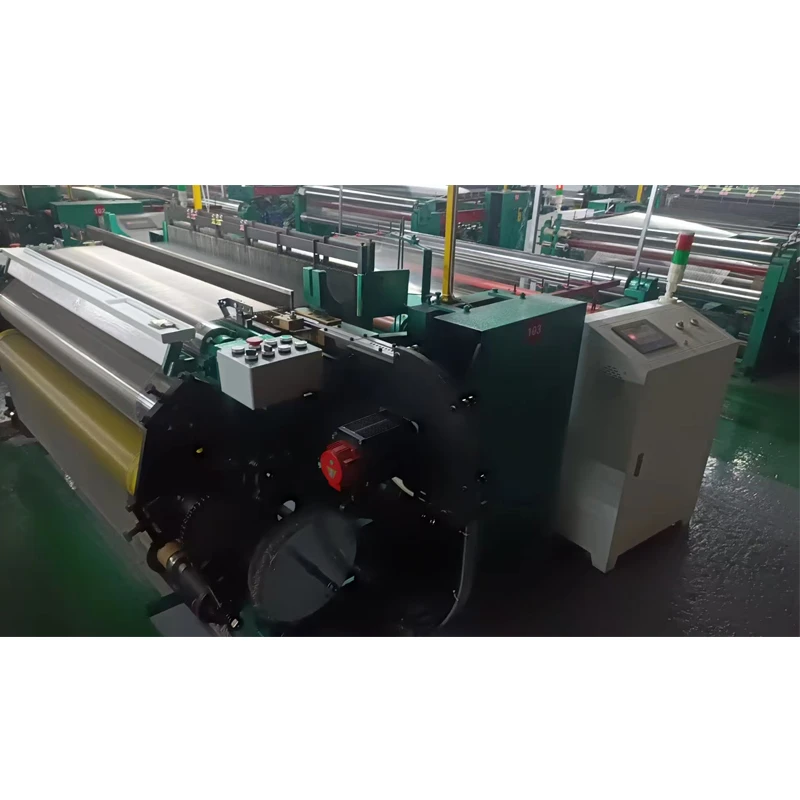
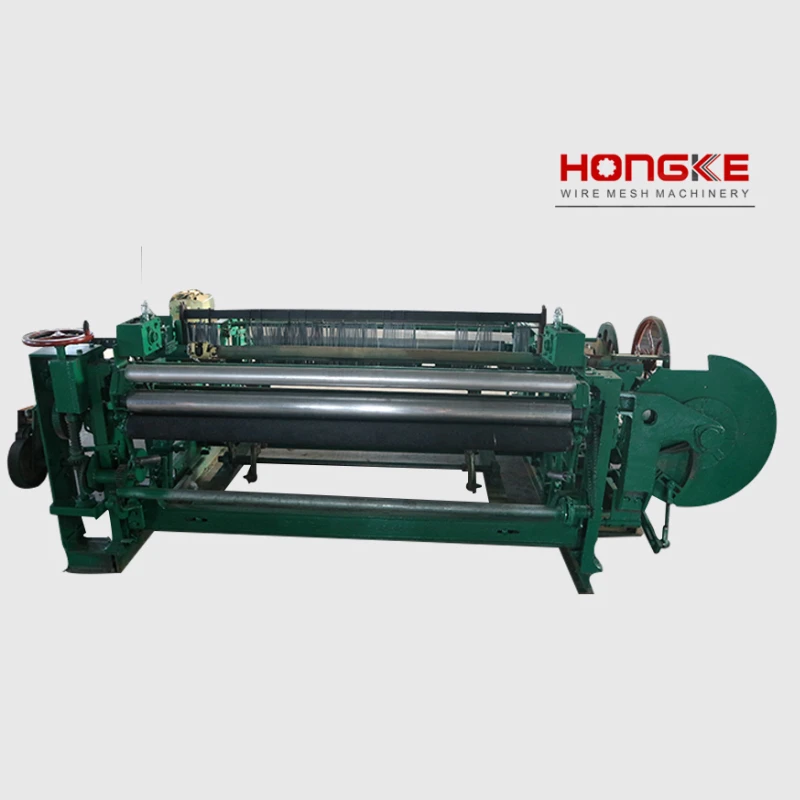
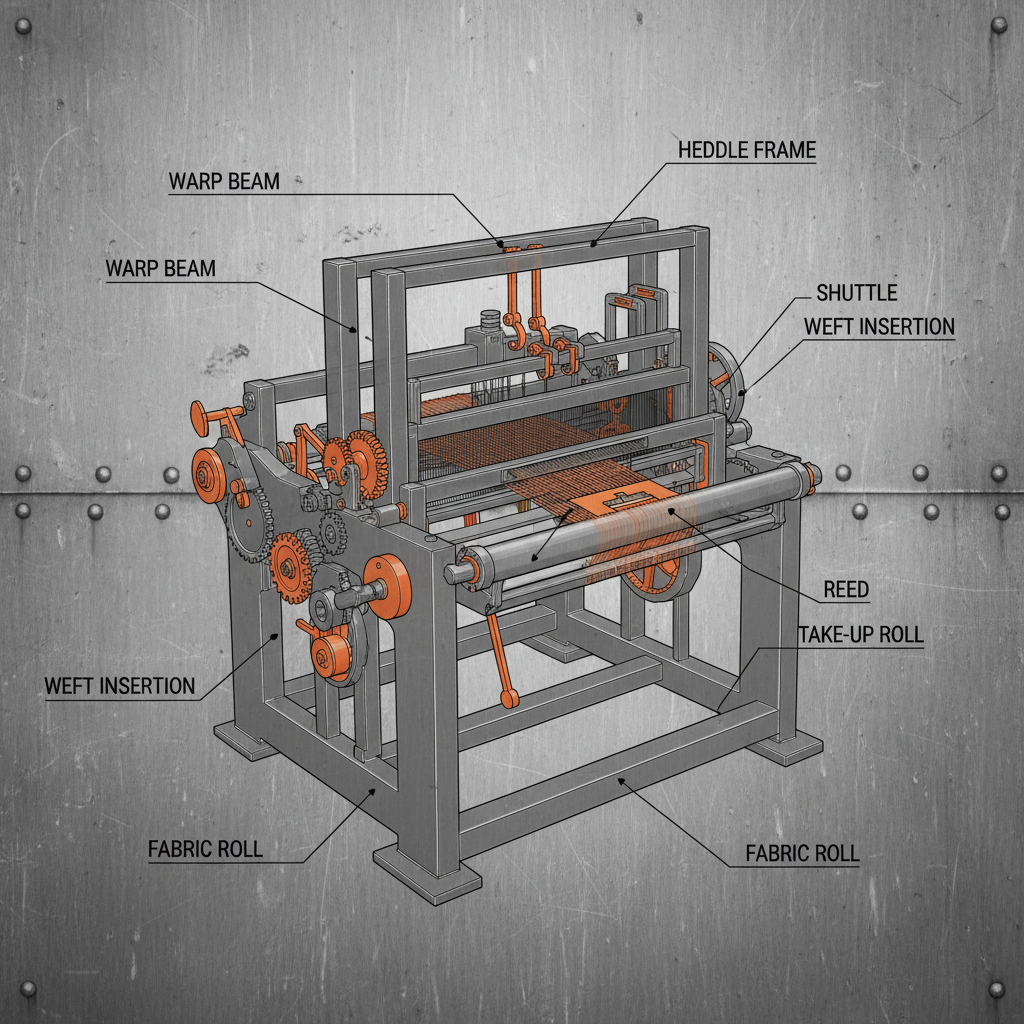
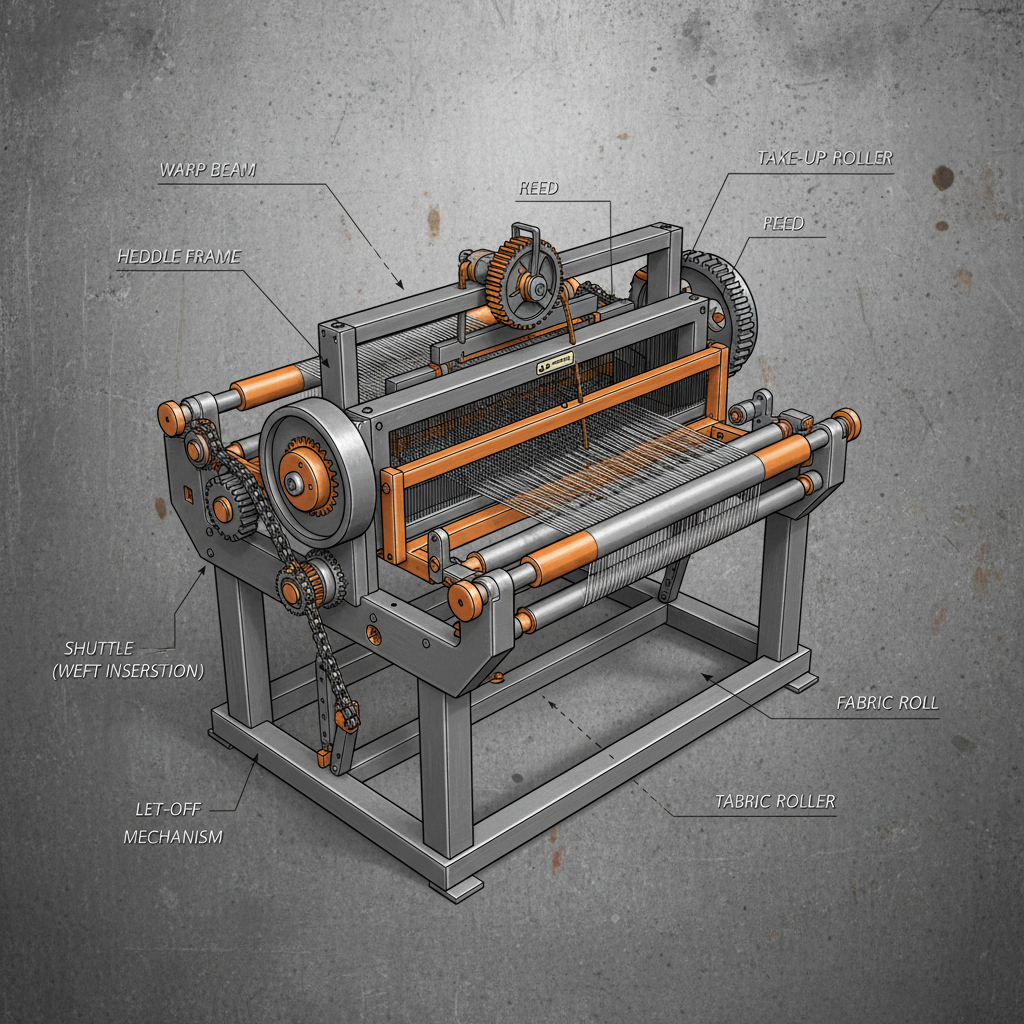
Weaving machines interlace two sets of yarns – the warp and the weft – to create fabric. The warp yarns run lengthwise, while the weft yarns run widthwise. Different weaving machines create different fabric structures, such as plain weave, twill weave, and satin weave. Common types of weaving machines include shuttle looms, rapier looms, air-jet looms, and water-jet looms. Each type utilizes a different method for inserting the weft yarn, influencing the speed, efficiency, and fabric characteristics. Understanding the distinctions between these machines is crucial for producing the desired fabric types.
Key Takeaway: Weaving machines determine the fabric’s structure and pattern, while spinning machines create the yarn that is used to weave the fabric.
Spinning and Weaving Machines: A Comparative Overview
While both spinning and weaving are essential processes in textile manufacturing, they serve distinct purposes. Spinning focuses on fiber-to-yarn conversion, requiring machinery that manipulates individual fibers. Weaving, on the other hand, concentrates on interlacing yarns to form fabric, necessitating machines capable of precise yarn handling and pattern creation. The speed, automation level, and energy efficiency of these machines are constantly improving due to ongoing technological advancements. Investing in modern spinning and weaving machines can significantly boost production capacity and reduce operational costs.
Advancements in Spinning and Weaving Technology
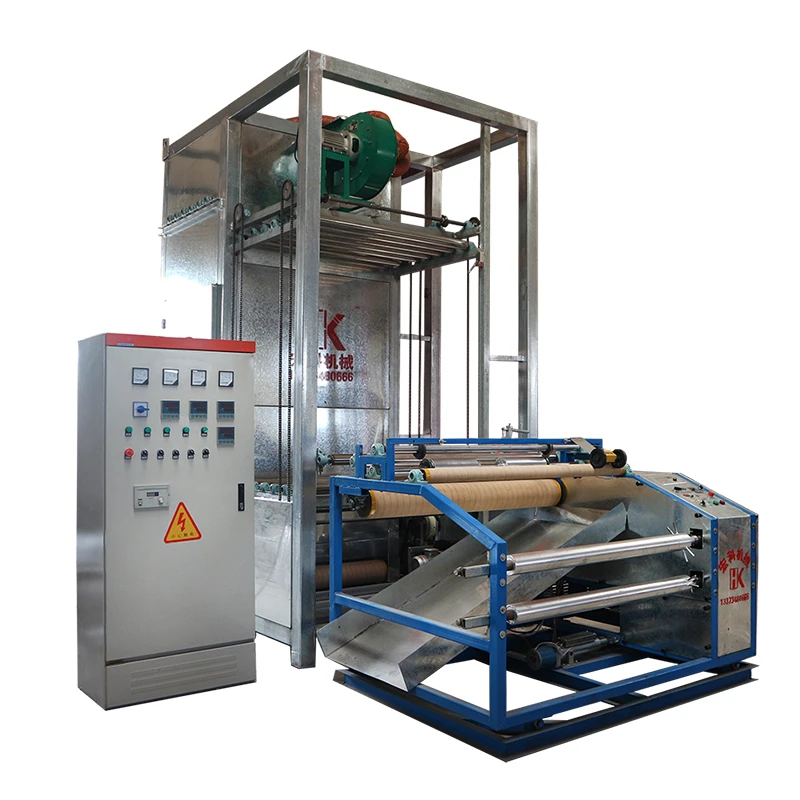
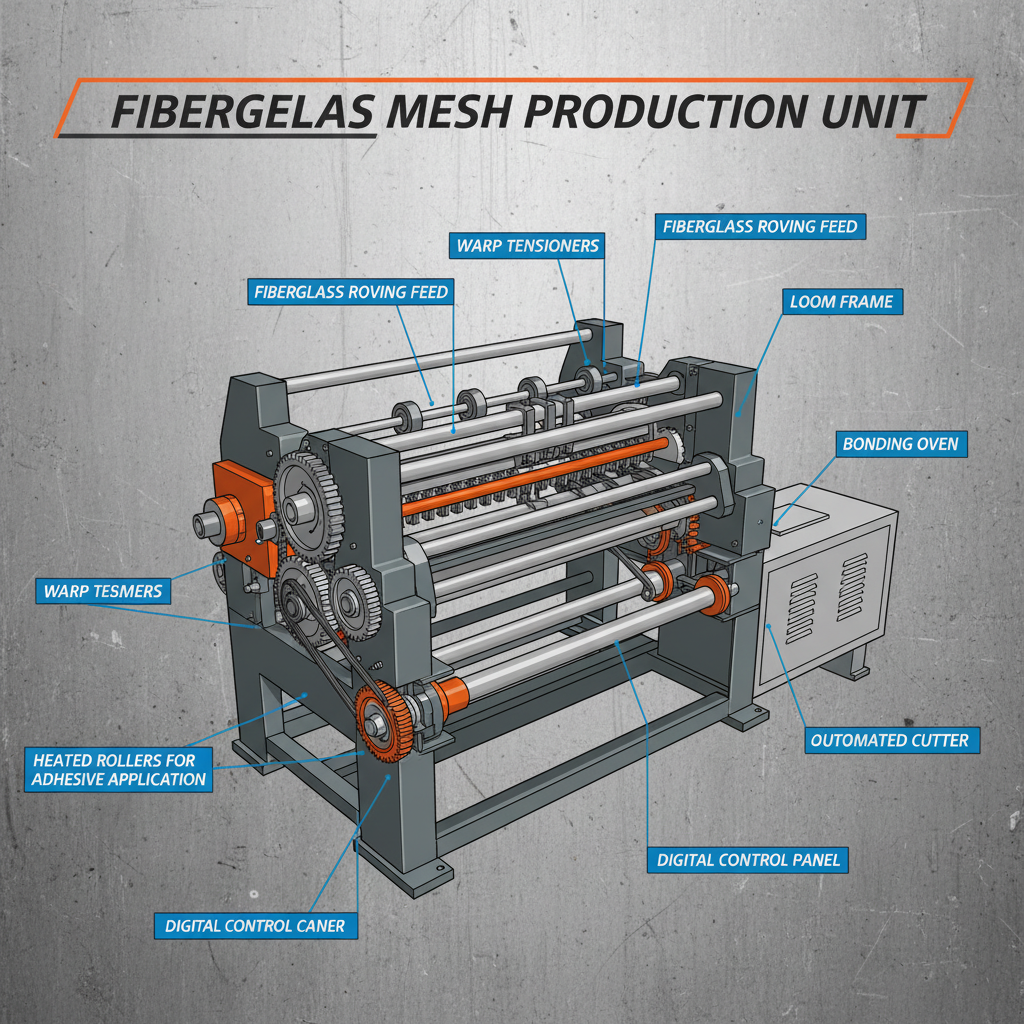
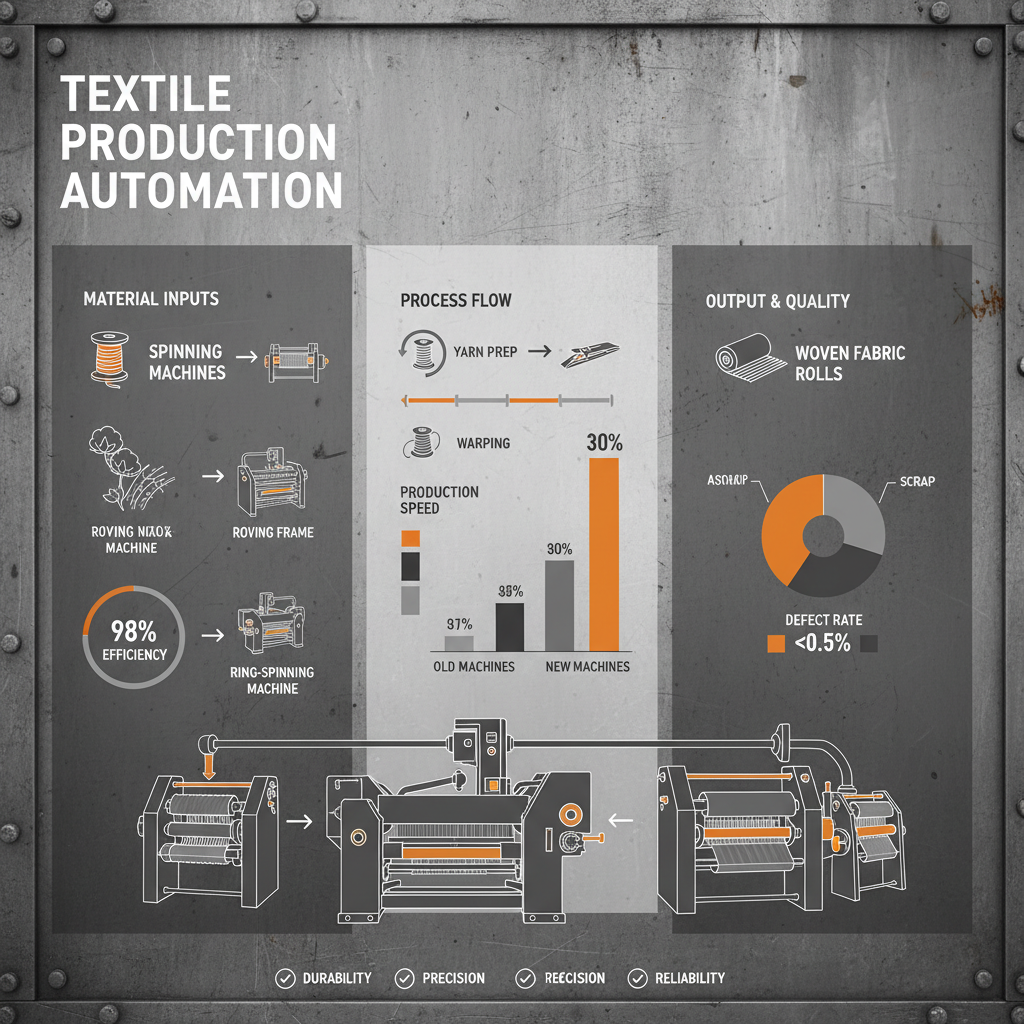
The textile machinery industry is continuously innovating. Recent advancements include the development of more energy-efficient machines, increased automation through robotics and AI, and the integration of sensor technology for real-time monitoring and control. These innovations lead to reduced production costs, improved product quality, and greater flexibility in manufacturing. For example, digital control systems allow for precise adjustments to machine settings, optimizing yarn and fabric properties. HK Mesh Machine, for example, has been pushing the boundaries of efficiency and quality in the textile sector.
Selecting the Right Spinning and Weaving Machines
Choosing the right machinery requires careful consideration of several factors, including the type of fibers being processed, the desired fabric characteristics, production volume, and budget. It’s vital to assess your specific needs and research available options thoroughly. Consider factors such as machine efficiency, maintenance requirements, and the availability of technical support. Partnering with a reputable supplier like HK Mesh Machine can provide expert guidance and ensure a successful investment.
Conclusion: Optimizing Textile Production with Advanced Machinery
Investing in modern spinning and weaving machines is crucial for textile manufacturers seeking to enhance efficiency, improve product quality, and maintain a competitive edge. By understanding the different types of machines, their functionalities, and the latest technological advancements, businesses can make informed decisions that drive success in the dynamic textile industry.
Frequently Asked Questions (FAQs)
What is the typical lifespan of a weaving machine?
The lifespan of a weaving machine can vary significantly depending on the type of machine, usage intensity, and maintenance practices. Generally, a well-maintained weaving machine can operate effectively for 15-20 years or more. However, regular inspections, lubrication, and timely replacement of worn parts are essential to maximize its longevity. Modern machines with advanced features and robust construction tend to have longer lifespans than older models. Consider preventative maintenance programs to extend the life of your equipment.
How can I reduce downtime with my spinning machines?
Reducing downtime requires a proactive approach. Implement a regular maintenance schedule, train operators on proper machine operation, and keep a stock of essential spare parts. Invest in machines with advanced diagnostics capabilities that can identify potential issues before they lead to breakdowns. Remote monitoring systems can also provide early warnings of malfunctions. Conducting regular inspections, and preventative maintenance is key to a smooth and efficient production cycle.
What factors should I consider when choosing between different types of spinning machines?
Several factors come into play. The type of fiber you're using is crucial – different spinning methods are better suited to different fibers. Consider the desired yarn quality and properties (strength, fineness, evenness). Also, factor in production volume, energy efficiency, and the level of automation required. Finally, evaluate the initial investment cost and ongoing maintenance expenses. Consult with experts and explore different options to determine the best fit for your specific needs.