


Fiberglass Machine Price: A Comprehensive Guide
When considering investing in fiberglass products, understanding the cost of the machines that create them is paramount. The fiberglass machine price can vary dramatically based on capacity, automation levels, and features. This article provides a detailed overview of the factors influencing pricing, different machine types, and what to expect when budgeting for a fiberglass production setup. We’ll explore everything from basic manual machines to highly sophisticated automated lines.
Factors Influencing Fiberglass Machine Price
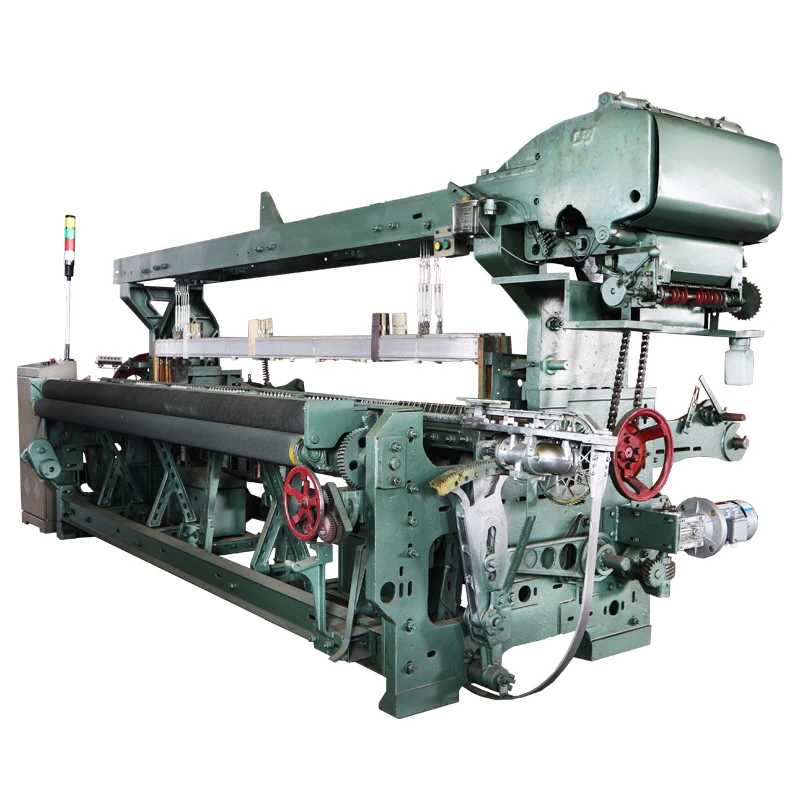
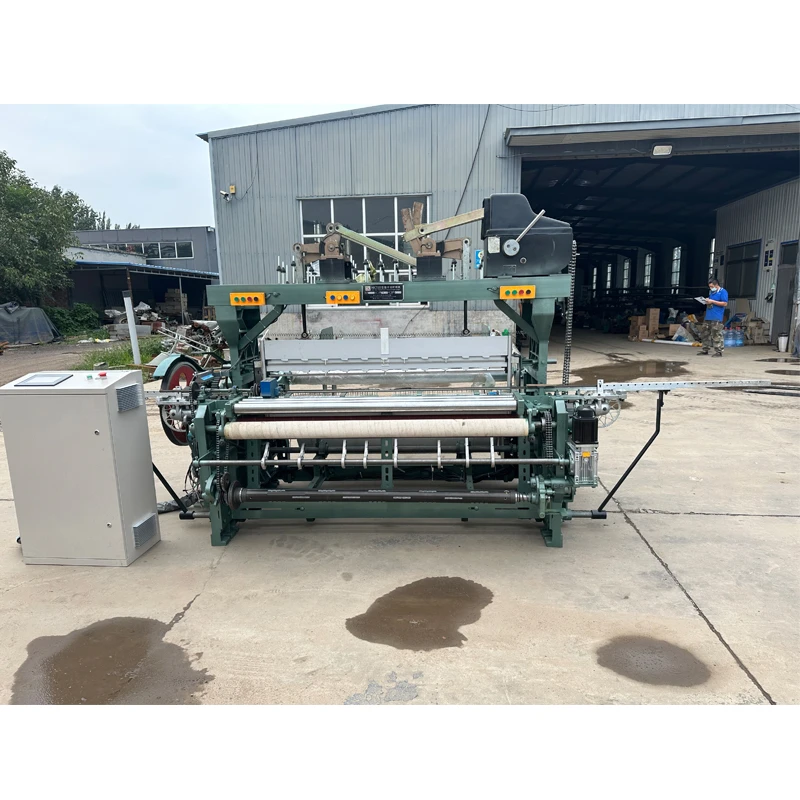
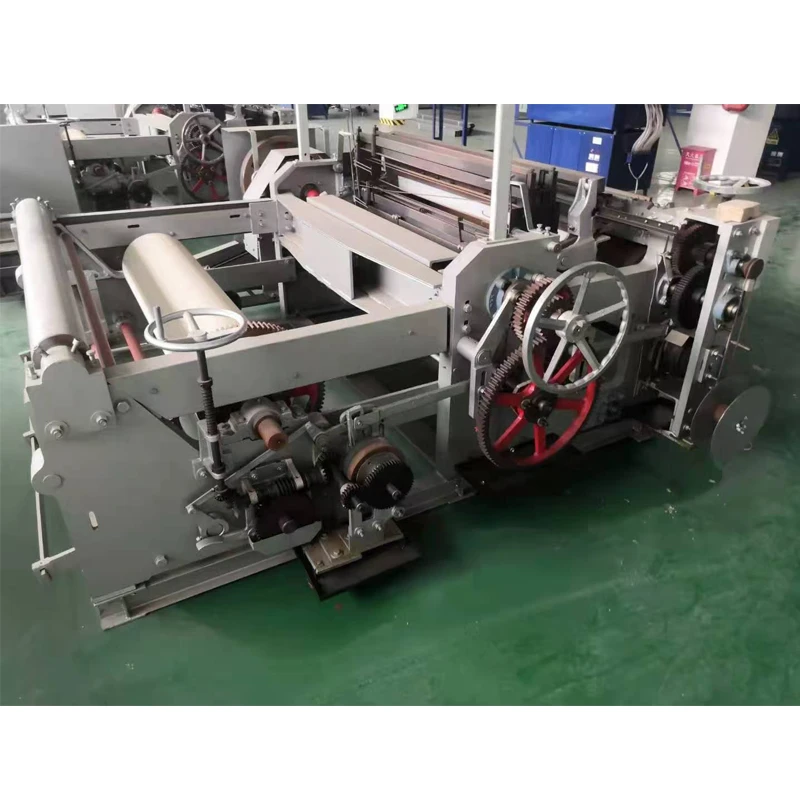
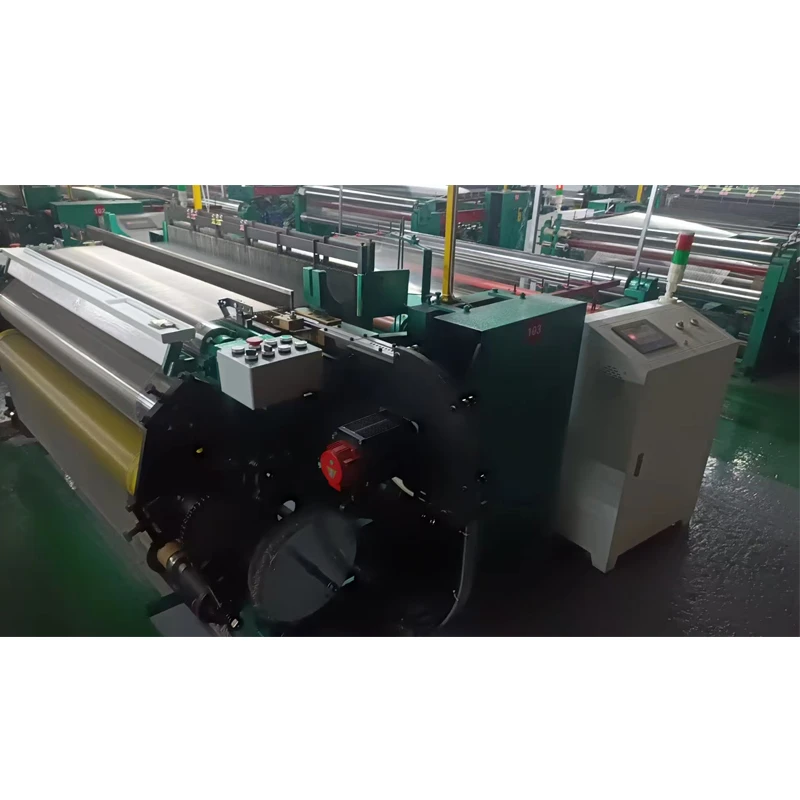
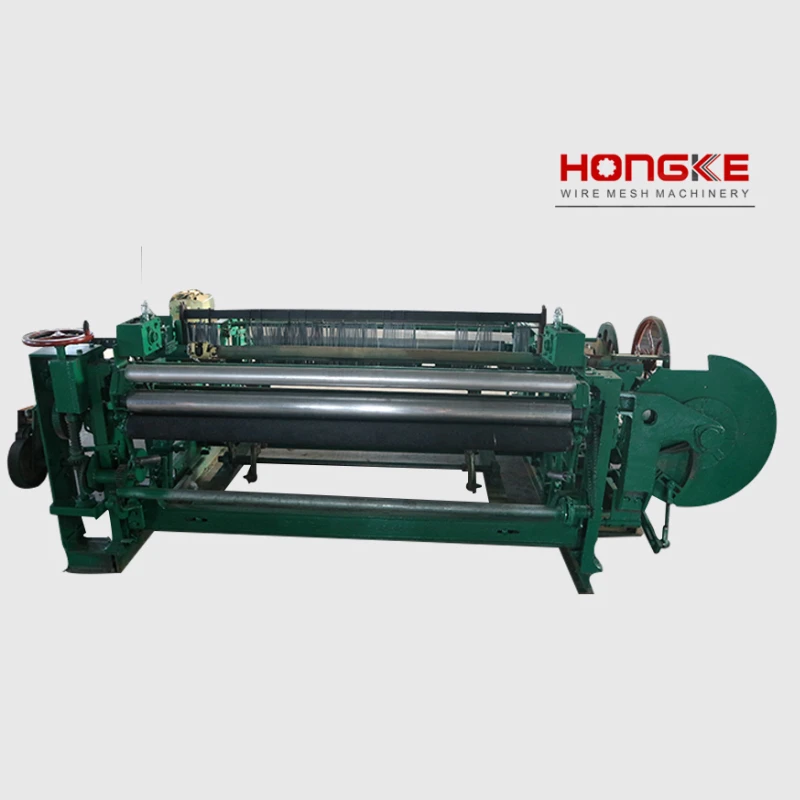
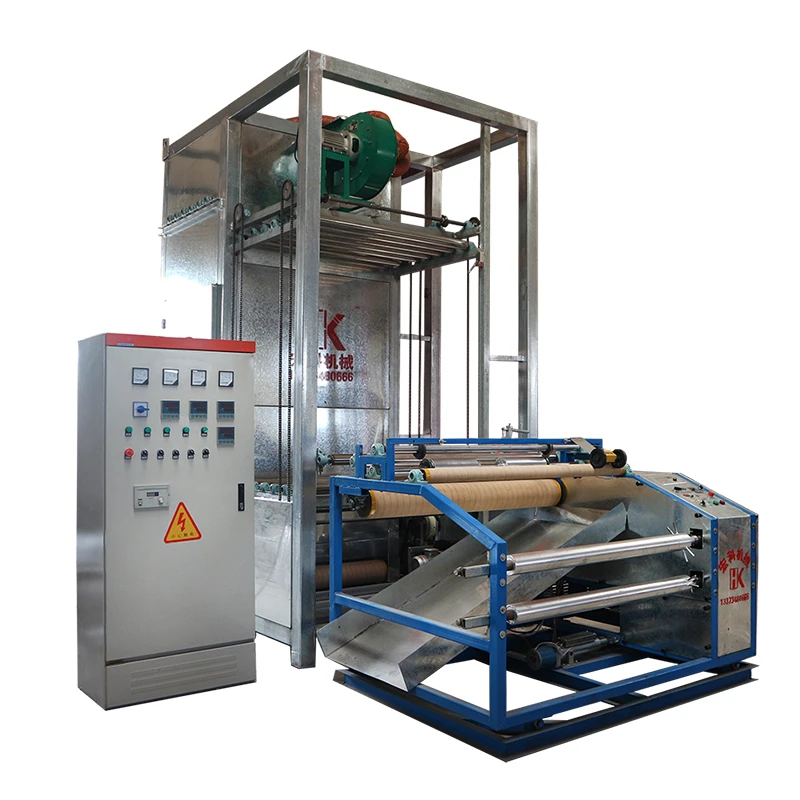
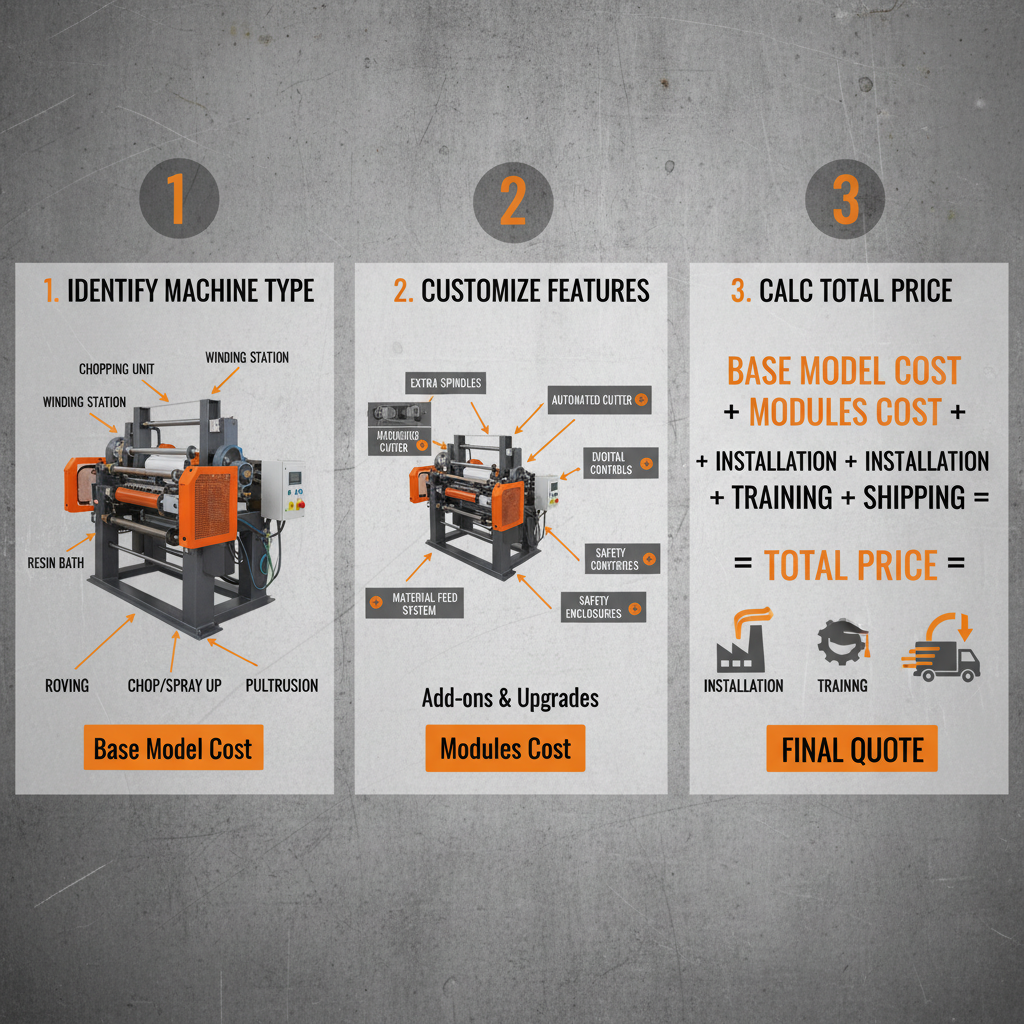
Several key factors contribute to the final price of a fiberglass machine. These include the level of automation, the machine’s capacity (how much material it can process), the specific type of fiberglass product it's designed to create (sheets, profiles, pipes, etc.), and the manufacturer’s reputation and after-sales service. Higher automation, such as robotic fiber placement, significantly increases the price. Larger capacity machines are also more expensive due to increased material costs and more complex engineering. Machines designed for specialized fiberglass products often require custom tooling and engineering, further increasing the price. Exploring options with HK Mesh Machine can provide clarity on these price variations.
Key Considerations: Automation level, production capacity, product type, manufacturer reputation, and after-sales support are all critical factors when evaluating fiberglass machine prices.
Types of Fiberglass Machines and Their Price Ranges
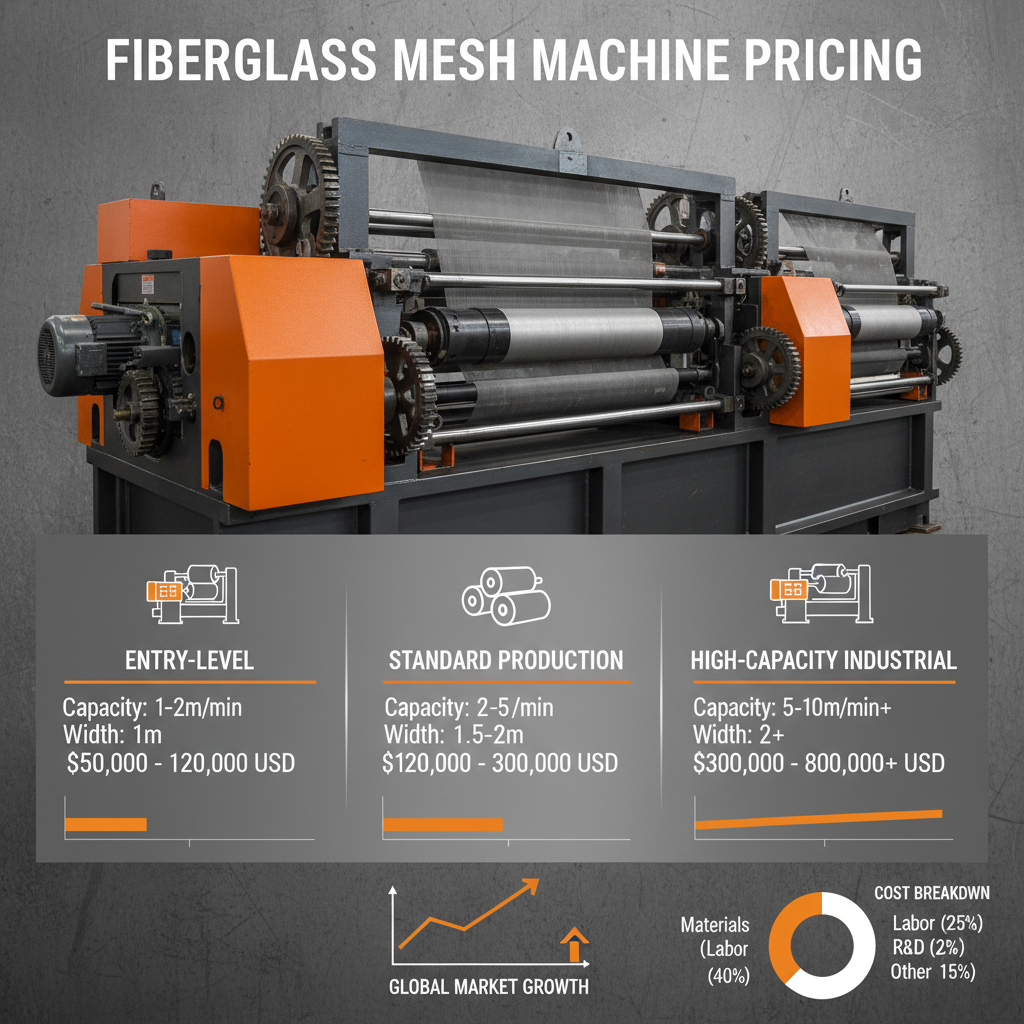
The type of fiberglass machine dramatically impacts its price. Here’s a breakdown of common machine types and their approximate price ranges:
Understanding Total Cost of Ownership
The fiberglass machine price is just the initial investment. It’s crucial to factor in the total cost of ownership. This includes installation costs, training for operators, ongoing maintenance (parts, labor), energy consumption, and potential tooling replacements. A seemingly cheaper machine might have higher long-term costs due to frequent repairs or inefficient operation. Consider the availability of local support and spare parts when evaluating different suppliers.
Total Cost of Ownership Components:
• Initial Machine Purchase Price
• Installation and Commissioning
• Operator Training
• Routine Maintenance (Parts & Labor)
• Energy Consumption
• Tooling Costs (Replacement)
Comparing Machine Prices and Features
When comparing fiberglass machine prices, don't solely focus on the upfront cost. Evaluate the features offered, the machine's build quality, the supplier's reputation, and the level of after-sales support. A machine with advanced features might justify a higher price if it improves efficiency and reduces labor costs. Look for machines with robust construction, reliable components, and user-friendly controls.
Negotiating the Best Price for Your Fiberglass Machine
Negotiating the price is often possible, especially for larger orders or established buyers. Research market prices beforehand, and be prepared to discuss your specific requirements with the supplier. Consider asking about potential discounts for bundled purchases (e.g., machine plus tooling). Building a strong relationship with the supplier can also lead to more favorable pricing and support. Contact HK Mesh Machine for a quote tailored to your needs.
Conclusion: Investing Wisely in Fiberglass Machinery
Choosing the right fiberglass machine requires careful consideration of price, features, and total cost of ownership. By understanding the factors that influence pricing and conducting thorough research, you can make an informed investment that meets your production needs and budget. A quality machine from a reputable supplier, like HK Mesh Machine, will deliver long-term value and contribute to the success of your fiberglass manufacturing operation.
Frequently Asked Questions (FAQs)
What is the typical lead time for a fiberglass machine order?
Lead times can vary significantly depending on the machine's complexity and the manufacturer’s current workload. Generally, standard machines may have a lead time of 4-8 weeks, while customized machines can take 3-6 months or longer. It's crucial to inquire about lead times upfront to accurately plan your production schedule. Factors such as material availability and shipping logistics can also affect the overall delivery time. It’s wise to place your order well in advance of your anticipated production start date.
What kind of training is typically provided with a fiberglass machine?
Most reputable fiberglass machine manufacturers offer comprehensive training programs for operators. This training typically covers machine operation, maintenance, troubleshooting, and safety procedures. Training can be conducted at the manufacturer’s facility, at the customer’s site, or remotely via online modules. The scope of training should be tailored to the specific machine and the operator’s skill level. Ask about the availability of ongoing technical support and refresher training.
What are the common maintenance requirements for fiberglass machines?
Regular maintenance is essential for ensuring the longevity and reliability of a fiberglass machine. Common maintenance tasks include lubricating moving parts, cleaning filters, inspecting belts and chains, and checking electrical connections. It’s important to follow the manufacturer’s recommended maintenance schedule and use only approved parts. Preventative maintenance can help to identify and address potential problems before they lead to costly downtime.
What safety features should I look for in a fiberglass machine?
Safety is paramount when operating fiberglass machinery. Look for machines equipped with safety guards, emergency stop buttons, and interlock systems to prevent accidental injuries. Proper ventilation is crucial to remove harmful fumes and dust. Ensure that operators receive thorough safety training and wear appropriate personal protective equipment (PPE), such as respirators, gloves, and eye protection. Regular safety inspections and adherence to safety protocols are essential.