


Maximizing Production Efficiency with a Fiberglass Mesh Machine
In the modern construction and industrial landscape, the demand for high-quality reinforcement materials has surged. Central to this production is the fiberglass mesh machine, a sophisticated piece of equipment designed to weave durable, alkali-resistant fiberglass fabrics. Whether used for External Thermal Insulation Composite Systems (ETICS) or concrete reinforcement, the precision of the machinery determines the final product's strength and longevity. Investing in the right technology not only ensures consistency in mesh density but also significantly reduces material waste. In this guide, we will explore the technical nuances and operational advantages of utilizing professional-grade machinery for fiberglass production.
How a Fiberglass Mesh Machine Works
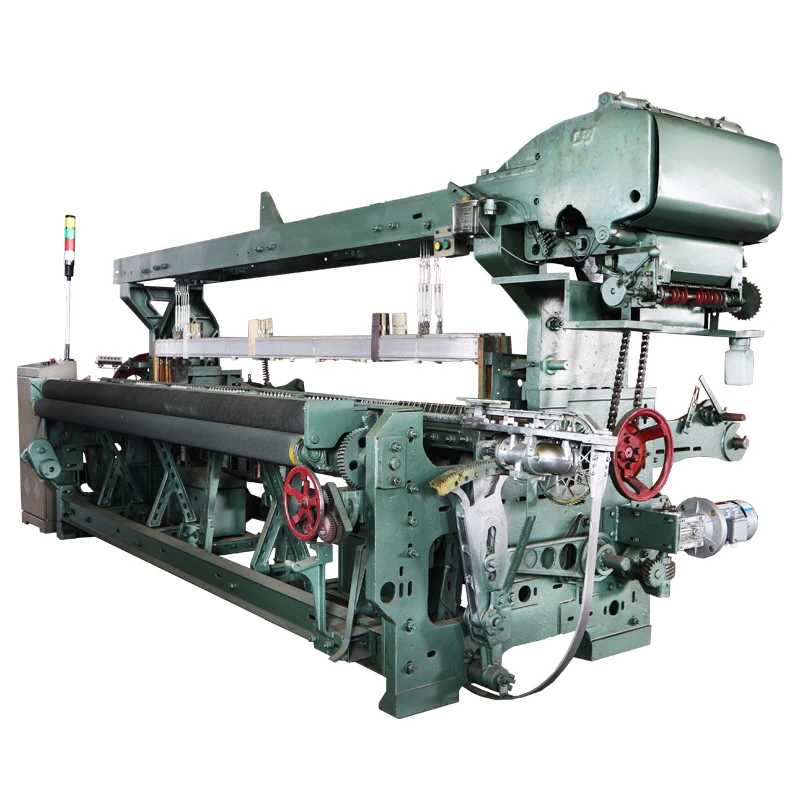
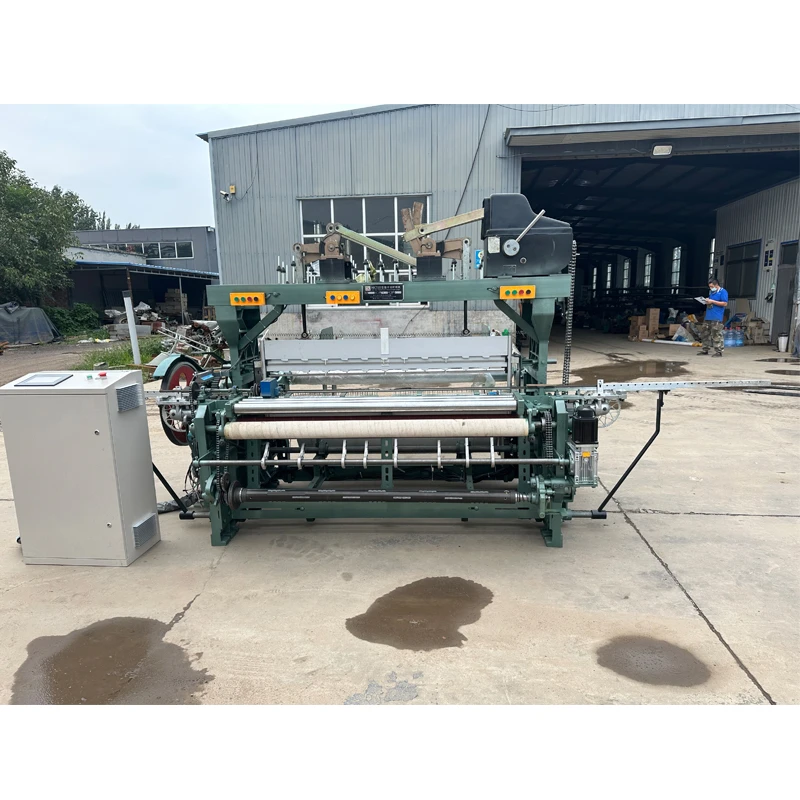
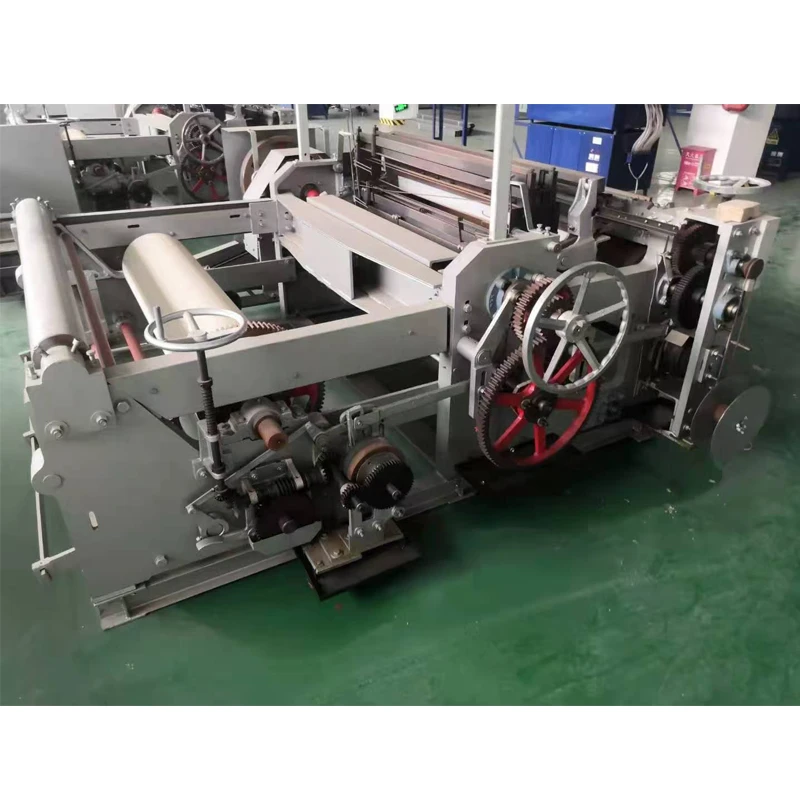
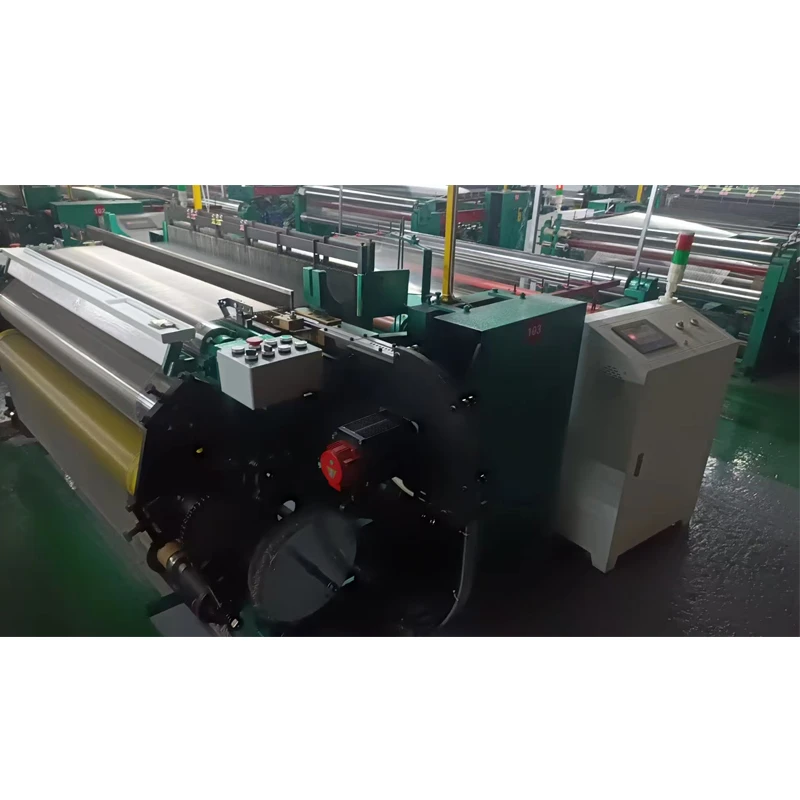
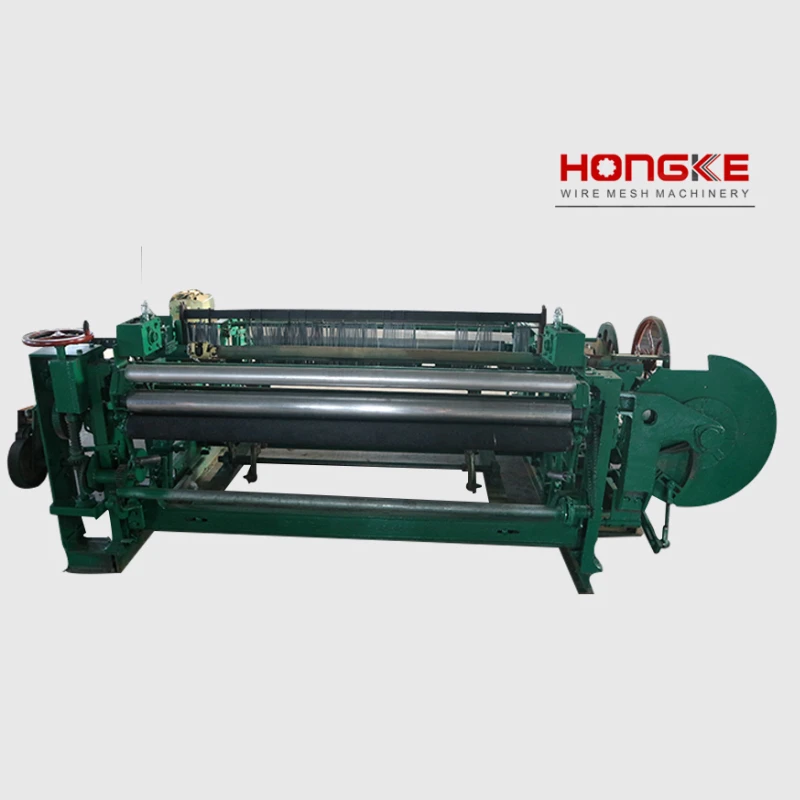
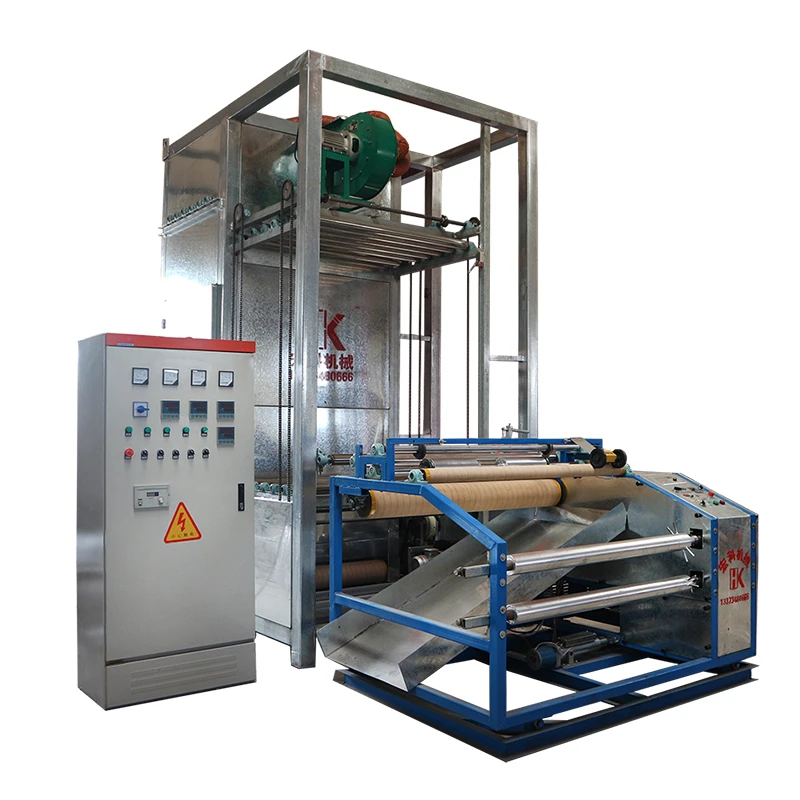
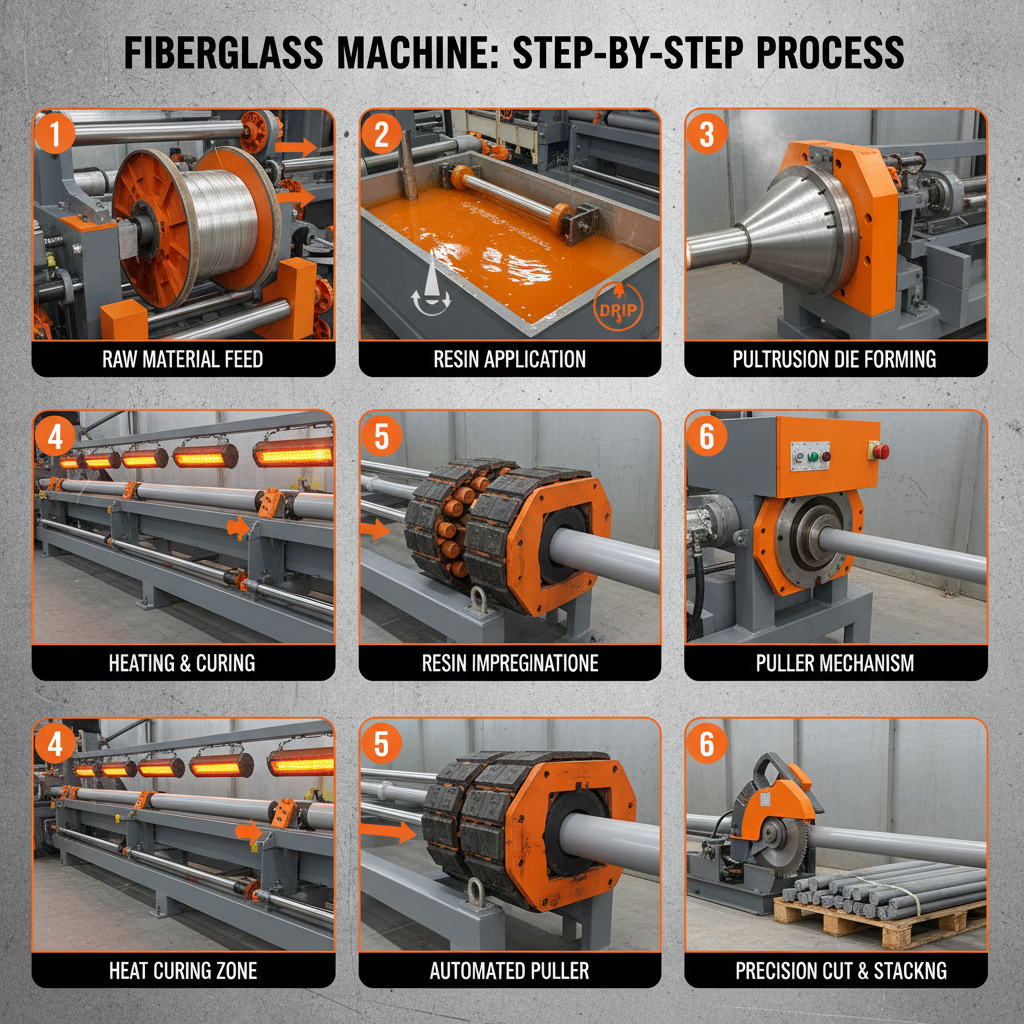
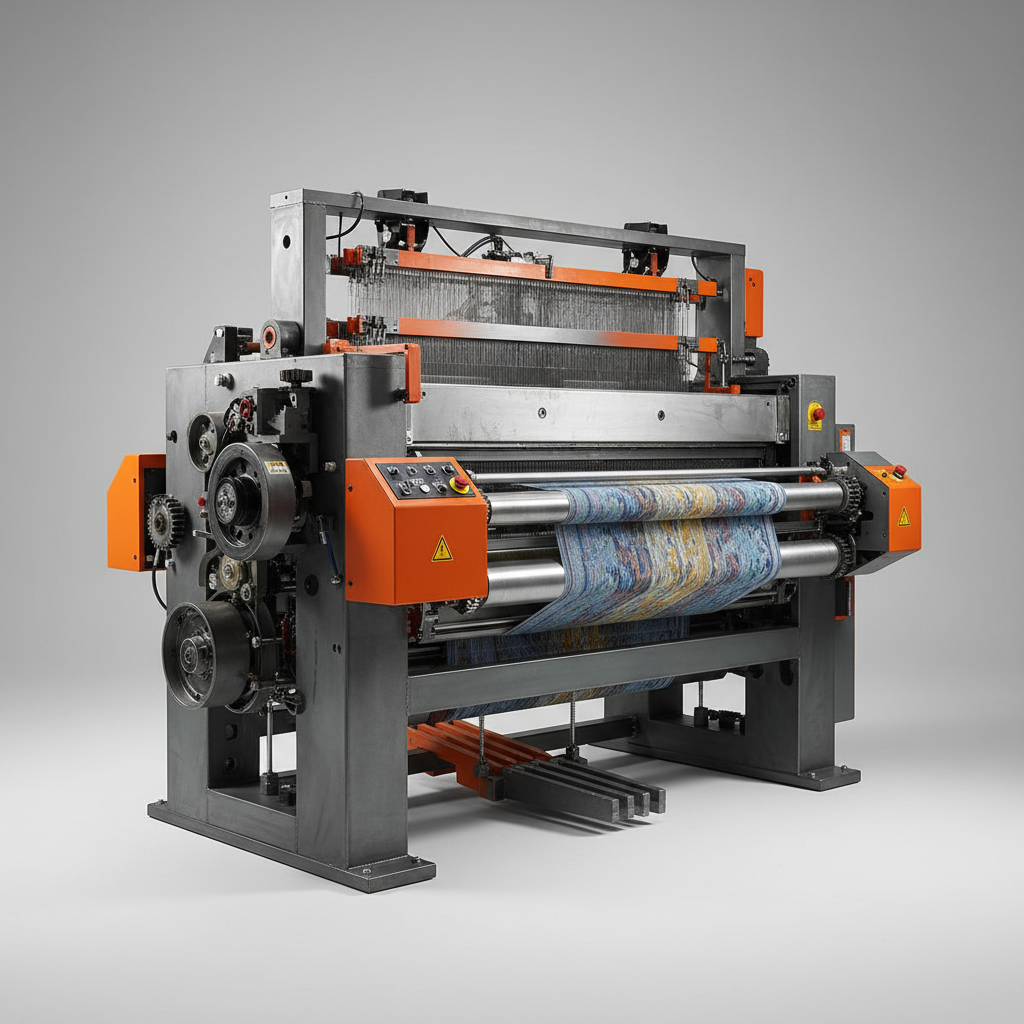
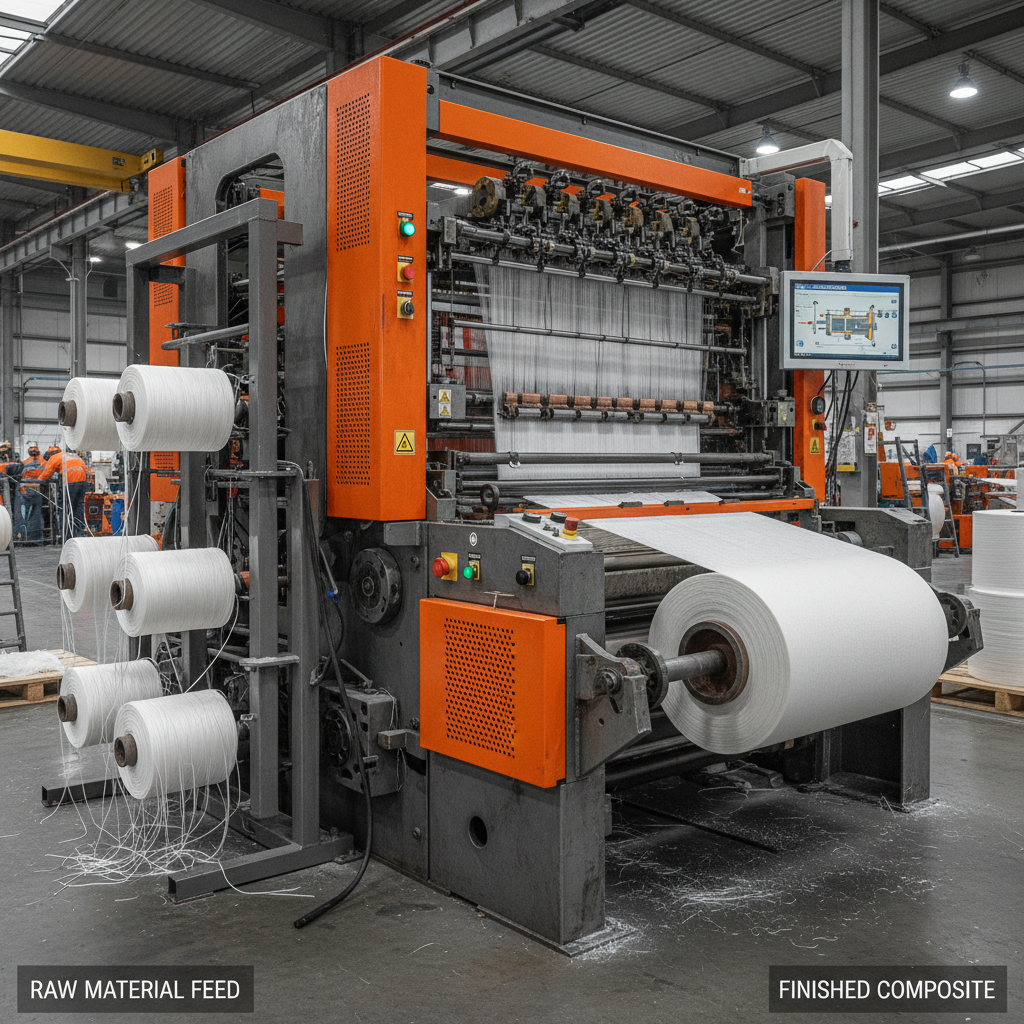
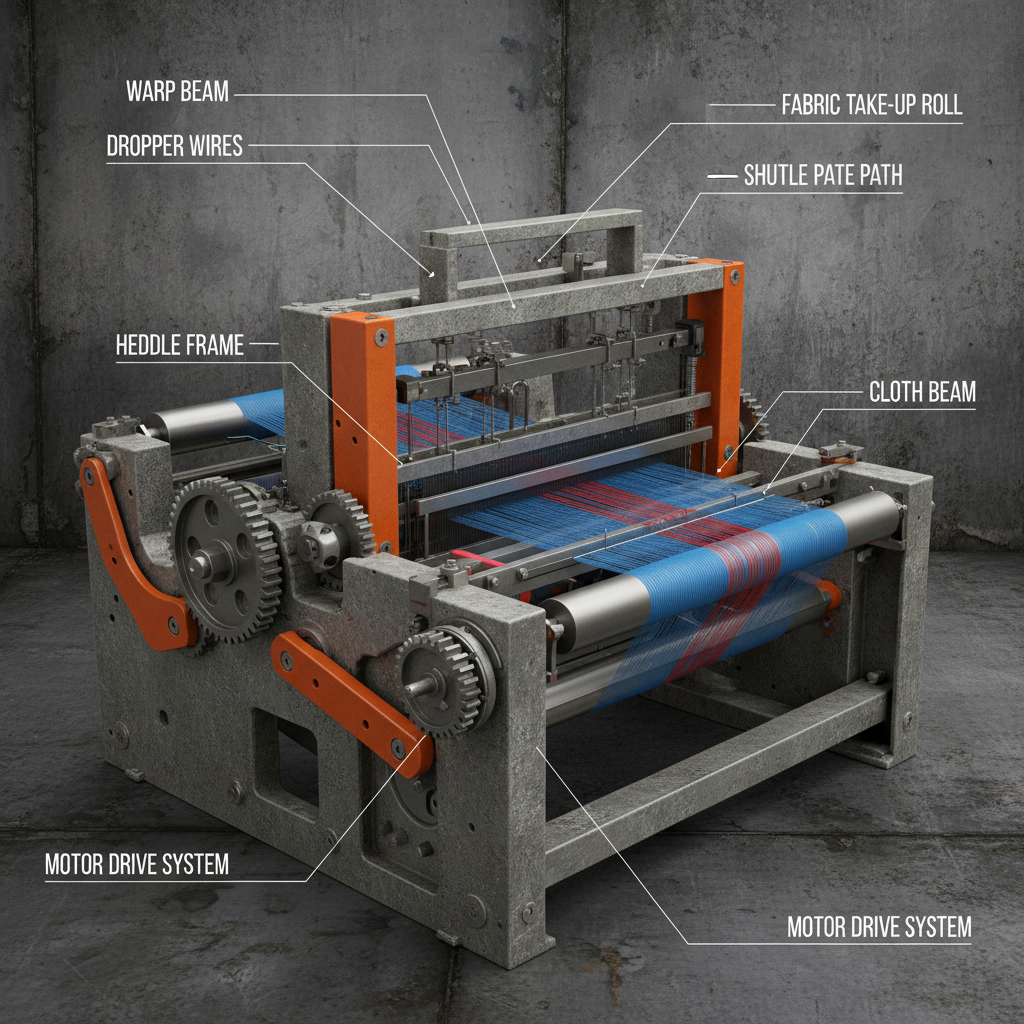
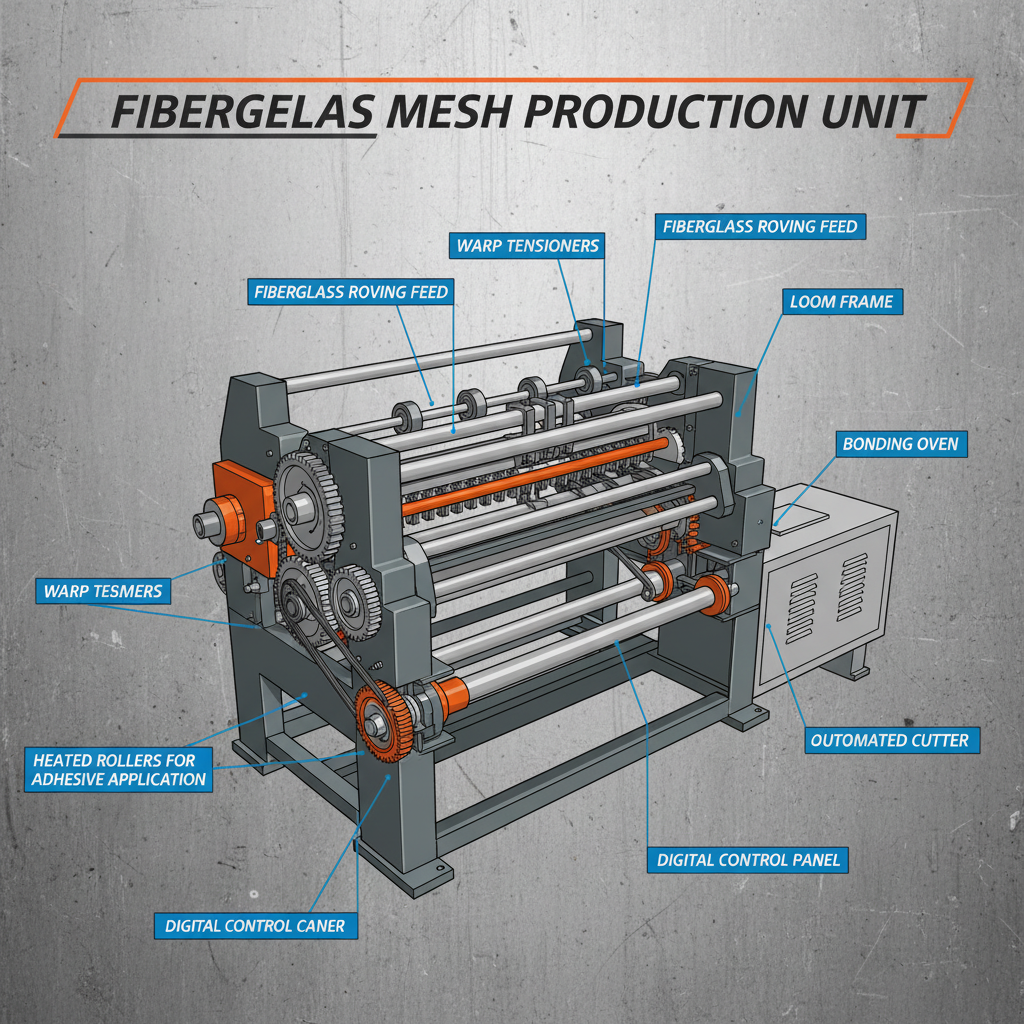
The operation of a fiberglass mesh machine is a seamless integration of mechanical precision and chemical engineering. The process begins with the feeding of fiberglass rovings, which are then sized and coated to ensure alkali resistance. The machine utilizes a weaving mechanism—typically a rapier or projectile system—to interlace the warp and weft yarns. Tension control is the most critical factor here; if the tension is uneven, the resulting mesh will have structural weak points. Modern machines incorporate automated sensors to monitor yarn breakage and tension in real-time, ensuring a flawless finish for every roll produced.
Technical Insight: The integration of PLC (Programmable Logic Controller) systems allows operators to adjust mesh aperture and weight instantaneously, enabling a single machine to produce multiple specifications of mesh without extensive downtime.
Key Advantages of High-Performance Fiberglass Mesh Machinery
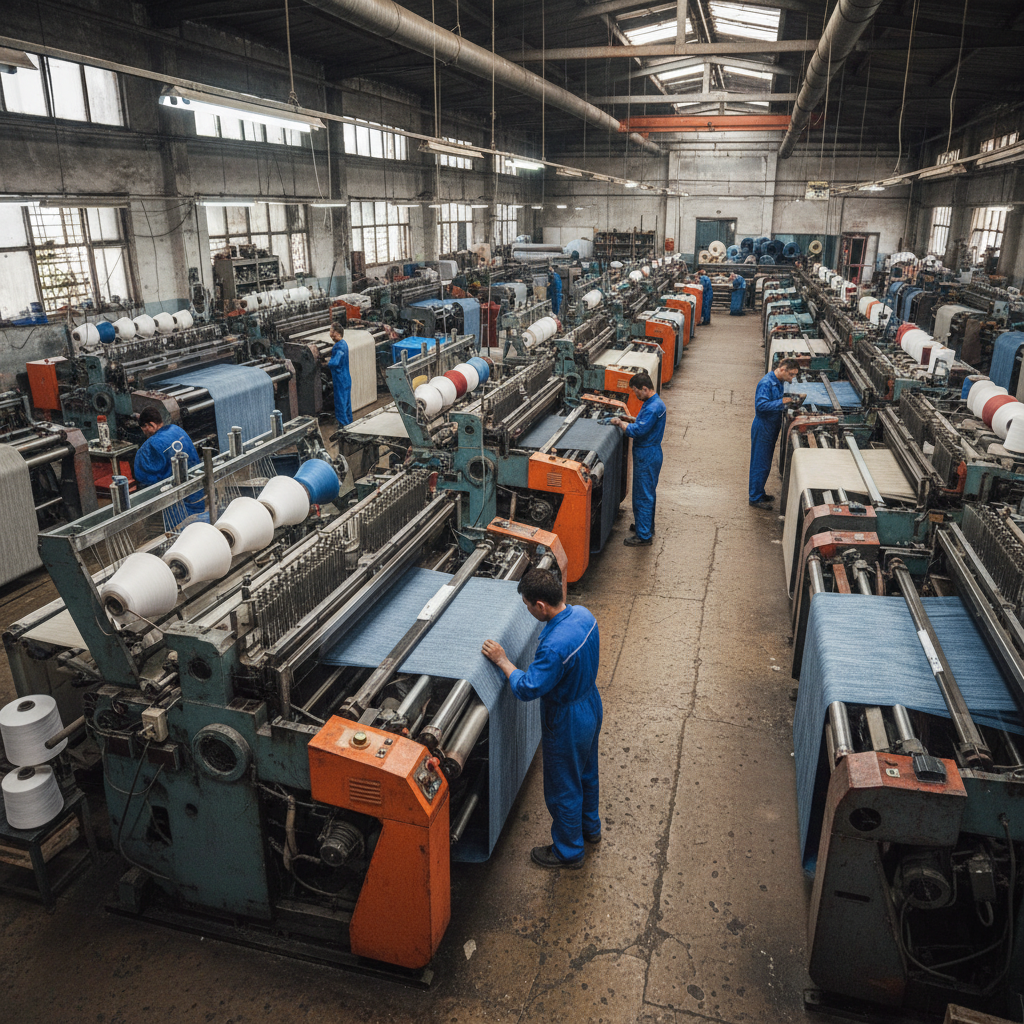
Choosing a professional fiberglass mesh machine provides a competitive edge in the global trade market. Firstly, increased output speed allows manufacturers to meet large-scale construction orders without compromising quality. Secondly, the reduction in manual intervention minimizes human error, leading to a lower defect rate. Furthermore, advanced energy-saving motors now integrated into these machines reduce overhead costs, making the production process more sustainable. The ability to produce high-density mesh with extreme precision ensures that the final product meets international building codes and safety standards.
Fiberglass Mesh Machine: Technical Specifications Comparison
When selecting equipment, it is essential to compare the capabilities of different machine tiers. Depending on your production volume—whether you are a boutique manufacturer or a large-scale industrial plant—the specifications will vary. Below is a detailed comparison between standard entry-level models and high-end industrial versions of the fiberglass mesh machine.
Essential Maintenance for Your Fiberglass Mesh Machine
To ensure the longevity of your fiberglass mesh machine, a strict maintenance schedule is non-negotiable. Because fiberglass particles are abrasive, they can wear down mechanical components faster than standard textiles. Regular lubrication of the weaving needles and gear systems prevents friction-induced overheating. Additionally, operators should frequently clean the dust collection systems to prevent fiber buildup, which can lead to fire hazards or machine jams. Calibration of the tension sensors every quarter ensures that the mesh weight remains consistent across different batches, maintaining the quality standard your customers expect.
Market Applications and ROI Analysis
The Return on Investment (ROI) for a high-quality fiberglass mesh machine is typically realized through waste reduction and market expansion. With the rise of "Green Building" initiatives, there is a growing demand for reinforced mesh that supports energy-efficient insulation. By diversifying the types of mesh produced—such as varying the weight from 45g to 160g—manufacturers can enter multiple market segments, from residential drywalling to heavy-duty industrial flooring. High-efficiency machines allow for lower per-unit costs, enabling businesses to offer competitive pricing while maintaining healthy profit margins.
Key Profit Drivers:
• Reduction in raw material waste through precision weaving
• Ability to produce customized mesh specifications for premium pricing
• Lower labor costs due to advanced automation
• Higher throughput capacity to meet urgent global demands
Conclusion: Future-Proofing Your Production
Investing in a top-tier fiberglass mesh machine is more than just a purchase; it is a strategic move toward industrial excellence. By combining automation, precision engineering, and sustainable practices, manufacturers can ensure their products remain relevant in a demanding global market. As construction technology evolves, the reliance on high-strength fiberglass reinforcement will only grow. Equip your facility with the best technology today to secure your position as a leader in the fiberglass industry.
Frequently Asked Questions (FAQs)
How do I choose the right fiberglass mesh machine for my business?
Choosing the right machine depends on three main factors: your required production volume, the variety of mesh specifications you plan to offer, and your budget. For startups, a semi-automatic machine may be sufficient to enter the market. However, for those aiming for high-volume export, a fully automatic industrial series is recommended to ensure consistency and lower labor costs. We suggest analyzing your target market's mesh weight requirements (e.g., 110g vs 160g) to ensure the machine's versatility meets those needs.
What is the average lifespan of a professional mesh machine?
A high-quality fiberglass mesh machine can last between 10 to 15 years if maintained correctly. The primary wear-and-tear components are the weaving needles and the drive belts, which should be replaced according to the manufacturer's guidelines. The structural frame and the main motors are designed for long-term industrial use. Implementing a daily cleaning routine and monthly lubrication schedule can extend the operational life of the machinery significantly and prevent costly unplanned downtime.
Can I customize the mesh size on a single machine?
Yes, most modern machines from HK Mesh Machine are designed for versatility. By adjusting the PLC settings and changing the warp/weft yarn density, you can produce various mesh aperture sizes and weights. While some extreme changes in mesh width may require hardware adjustments, the basic density and weight are easily customizable through the control panel, allowing you to switch between different product lines efficiently.
What are the energy requirements for running an industrial mesh machine?
Industrial-grade machines typically require a three-phase power supply to handle the torque needed for high-speed weaving. However, newer models are equipped with energy-efficient servo motors and frequency converters that optimize power consumption based on the machine's current load. This not only reduces electricity bills but also decreases the thermal load on the electrical components, leading to a more stable production environment. Always verify your local voltage standards with the equipment provider during the ordering process.