


Understanding the Functionality of a Mosquito Net Weaving Machine
The global demand for mosquito nets is consistently high, driven by the need to combat malaria and other vector-borne diseases. This demand fuels a significant market for mosquito net weaving machines. These specialized machines are critical for efficiently producing the netting essential for public health initiatives and personal protection. Understanding how these machines work, their various types, and what to look for when purchasing one is crucial for businesses operating in this sector. We'll explore the intricacies of mosquito net weaving machinery, covering technological advancements and key considerations for optimal production.
How Does a Mosquito Net Weaving Machine Work?
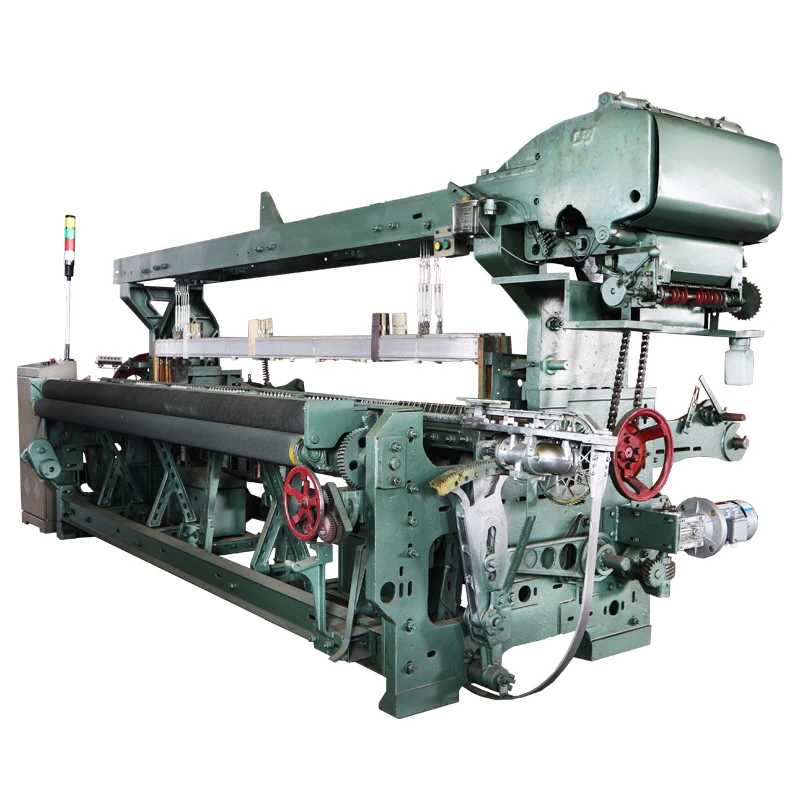
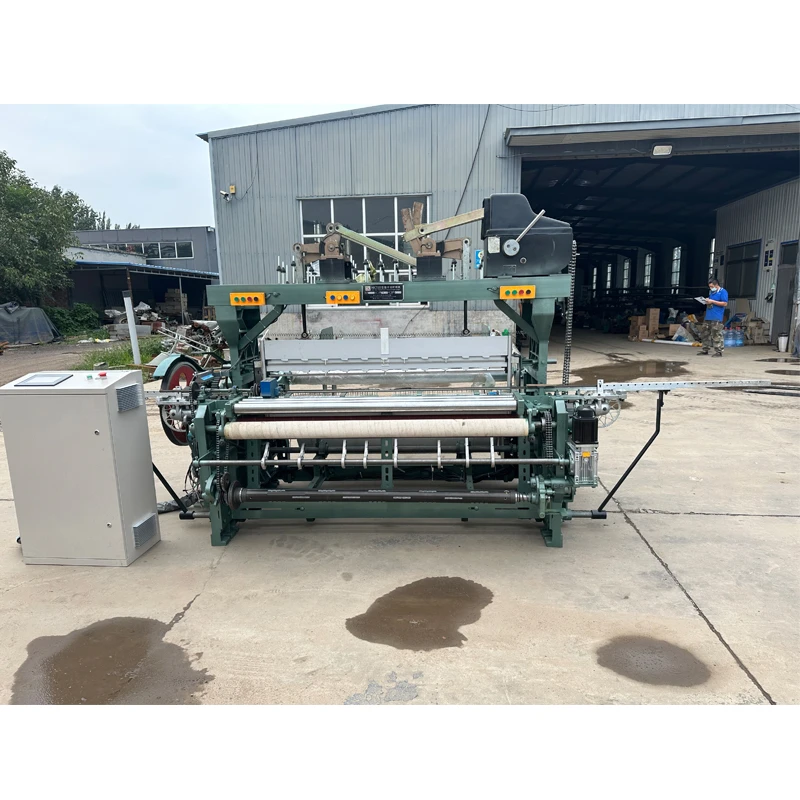
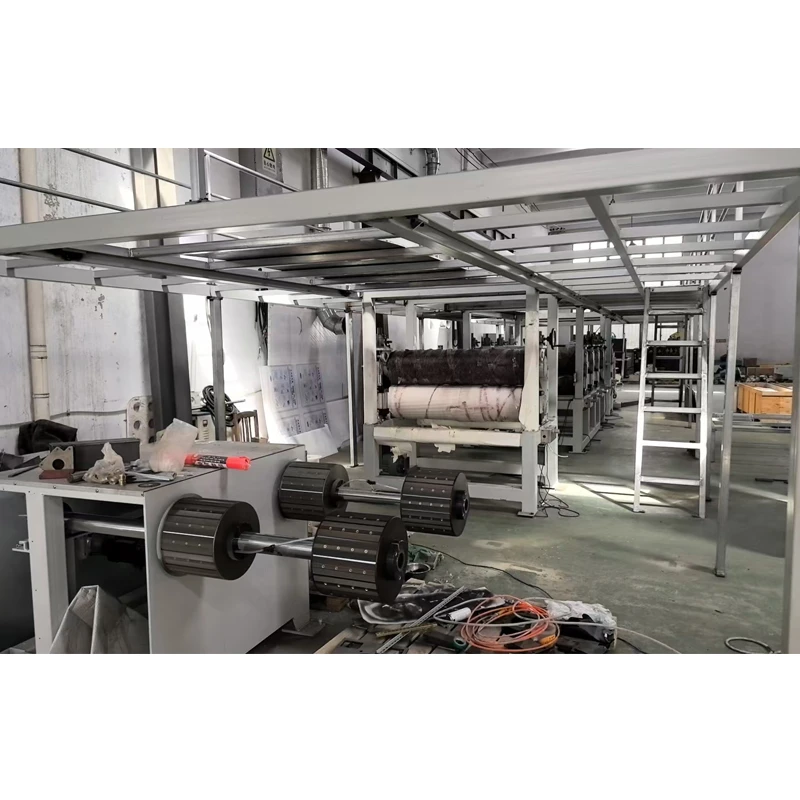
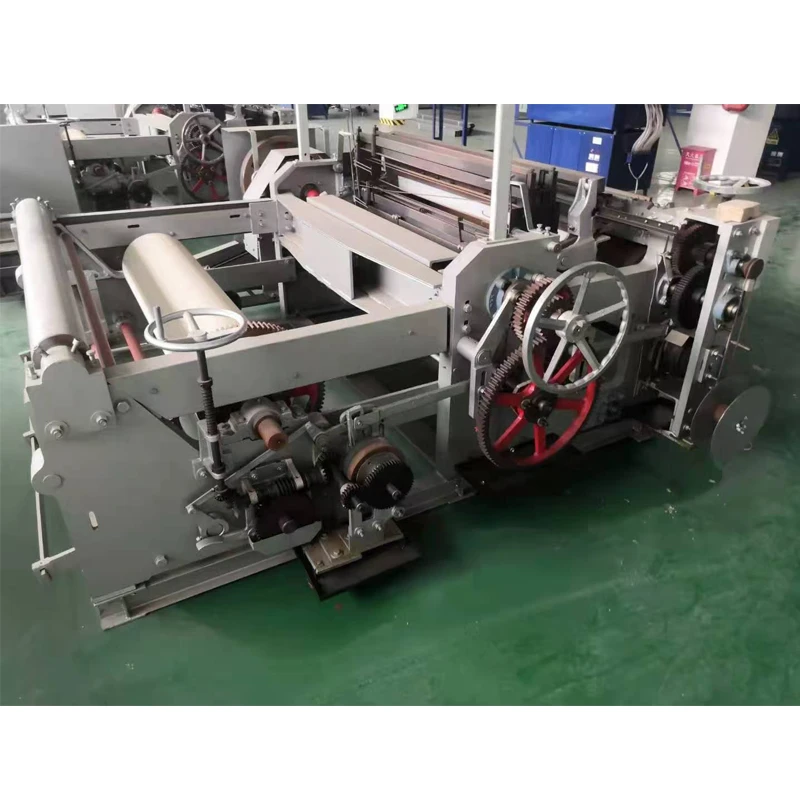
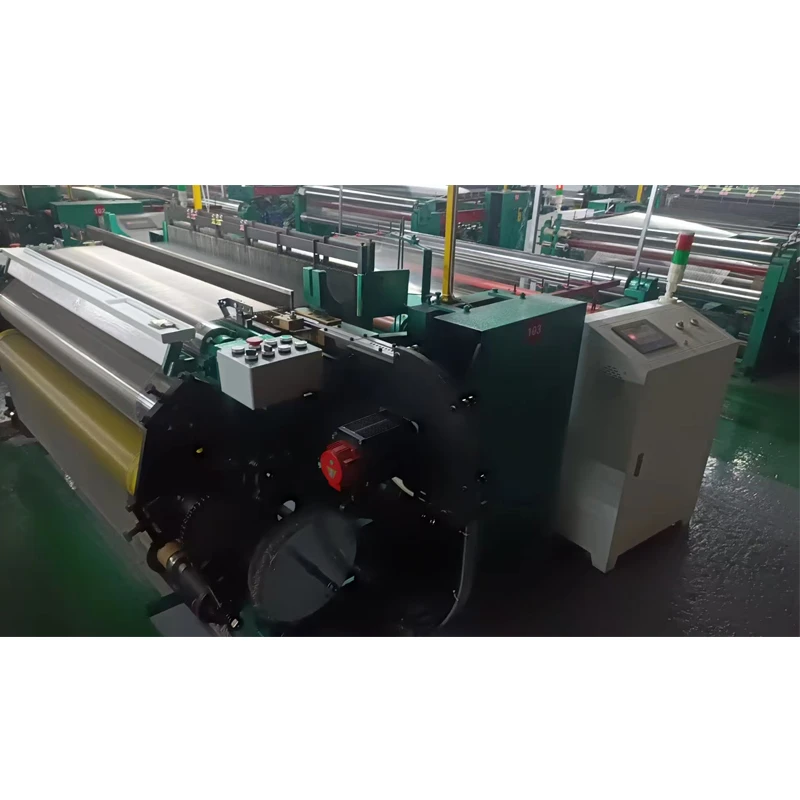
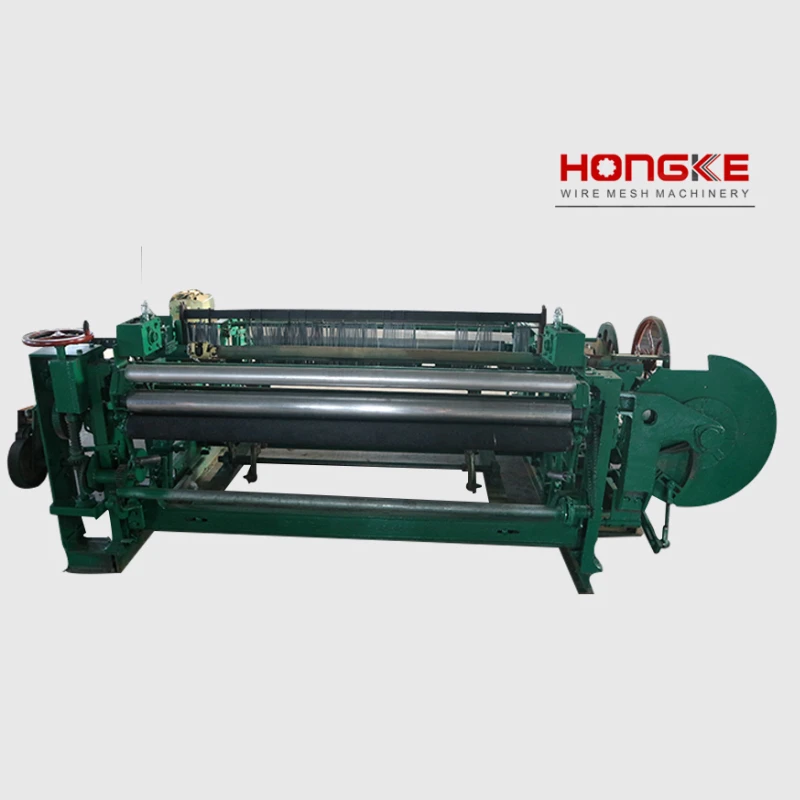
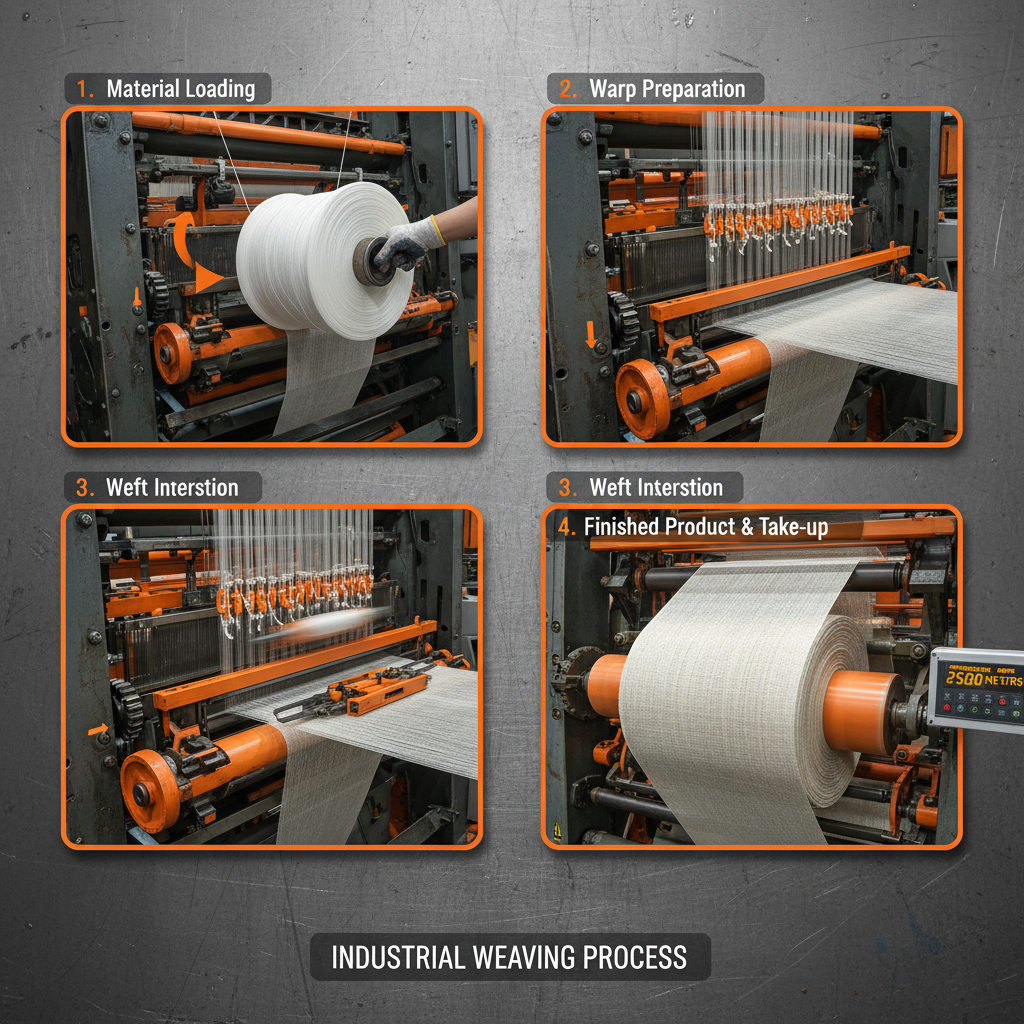
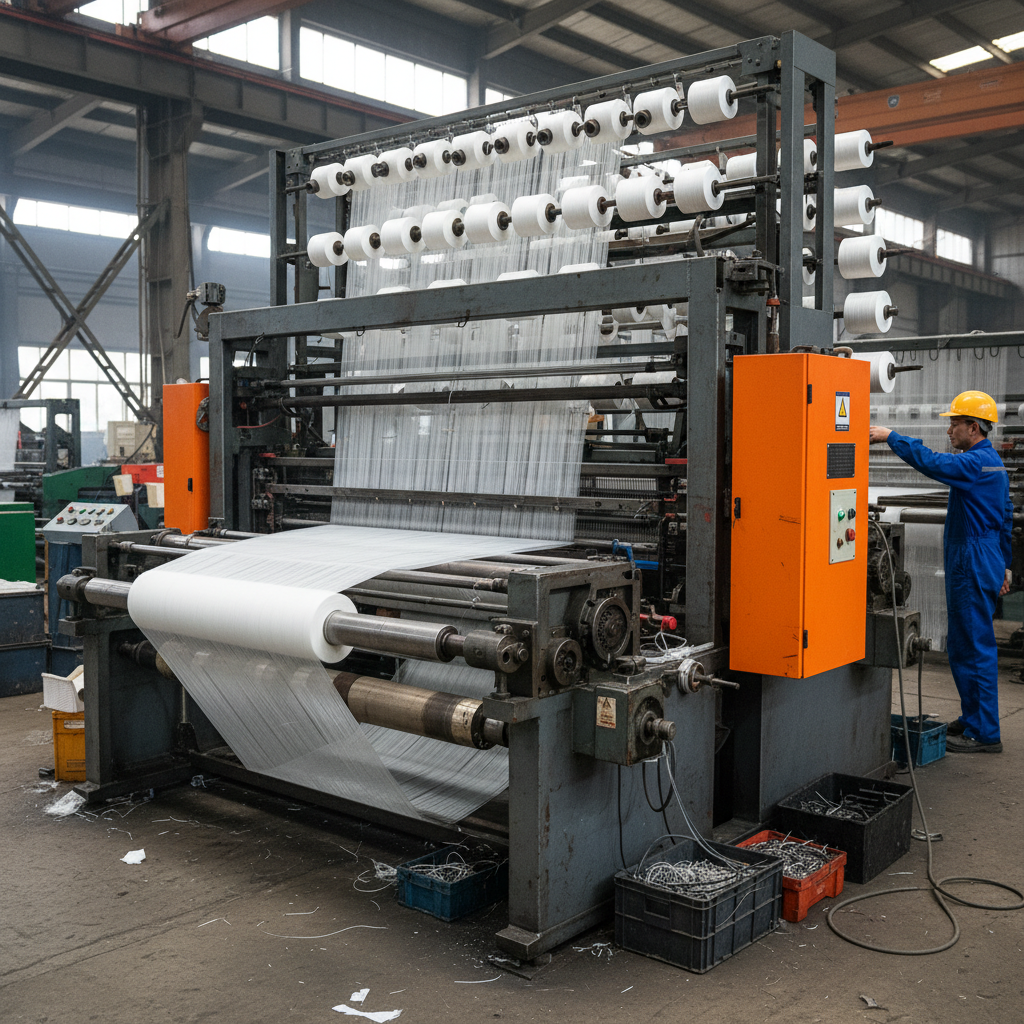
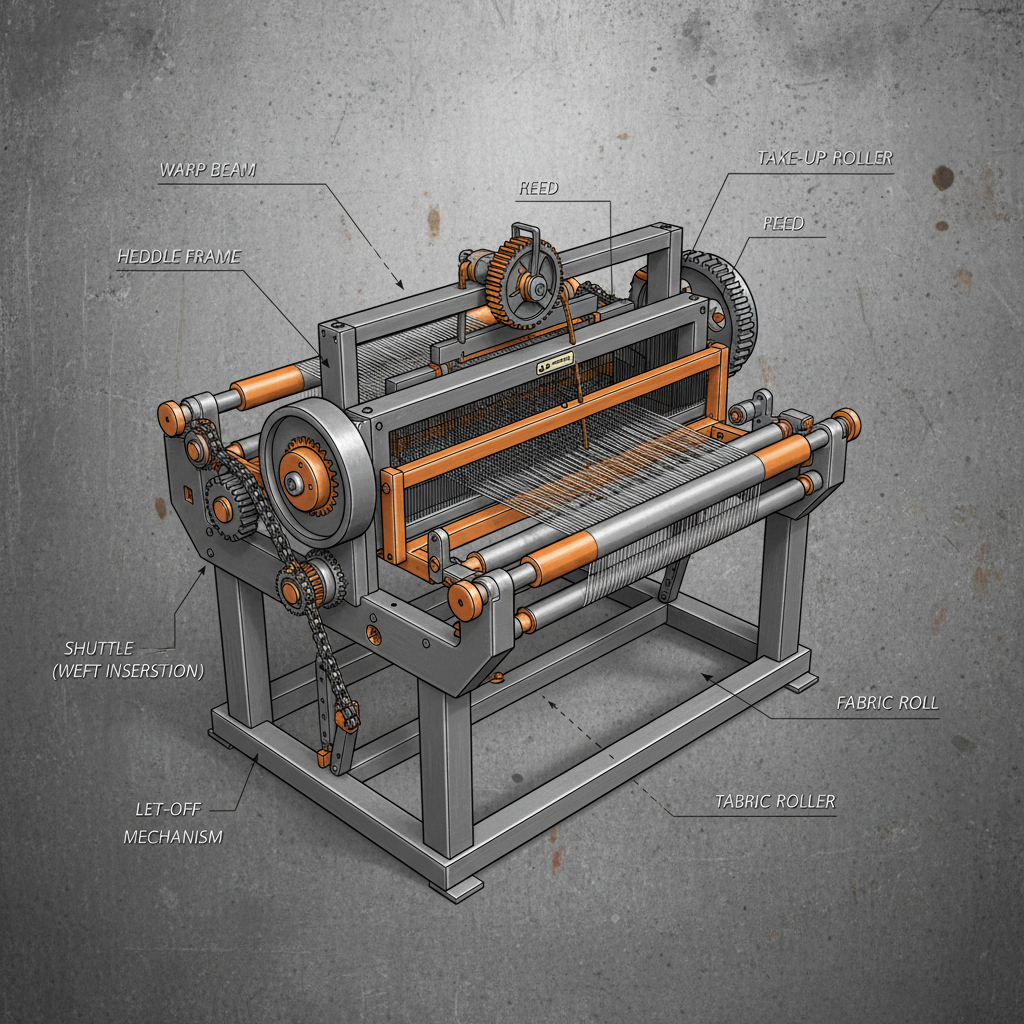
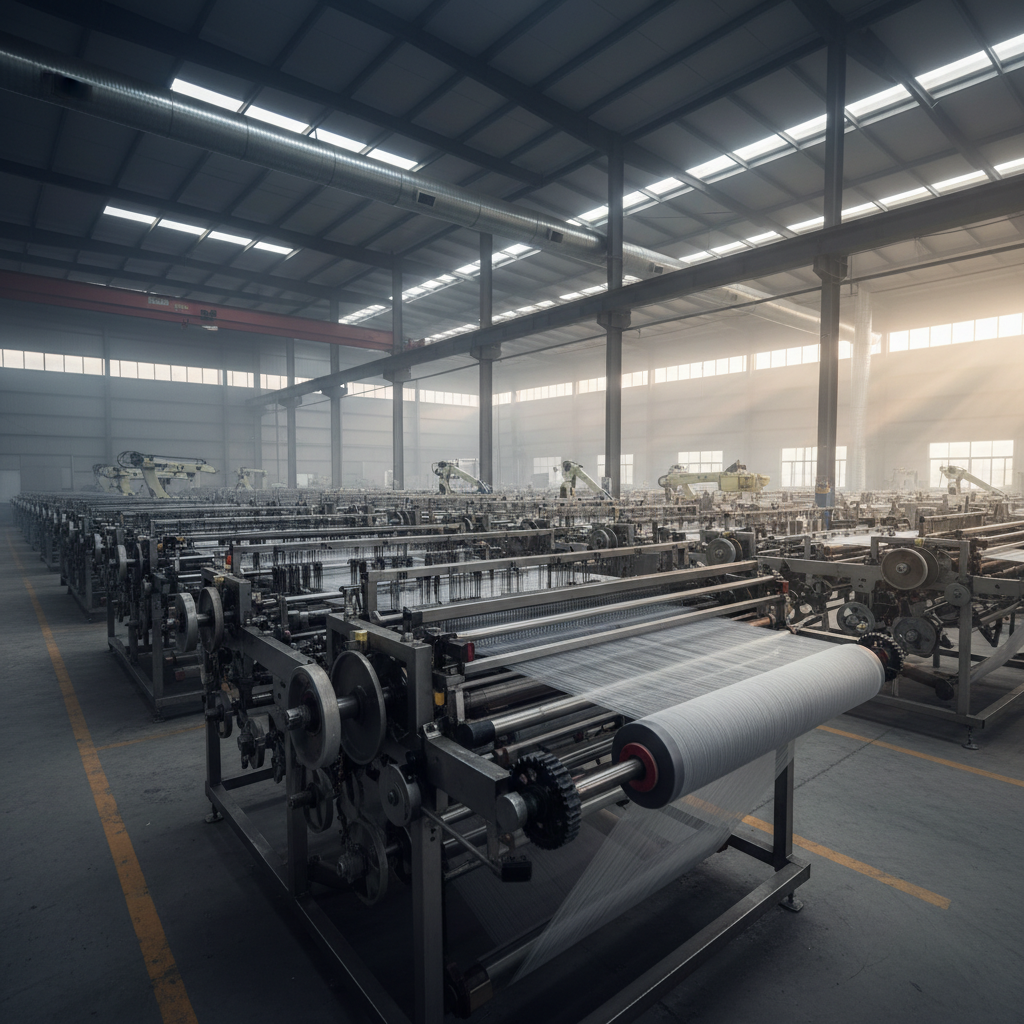
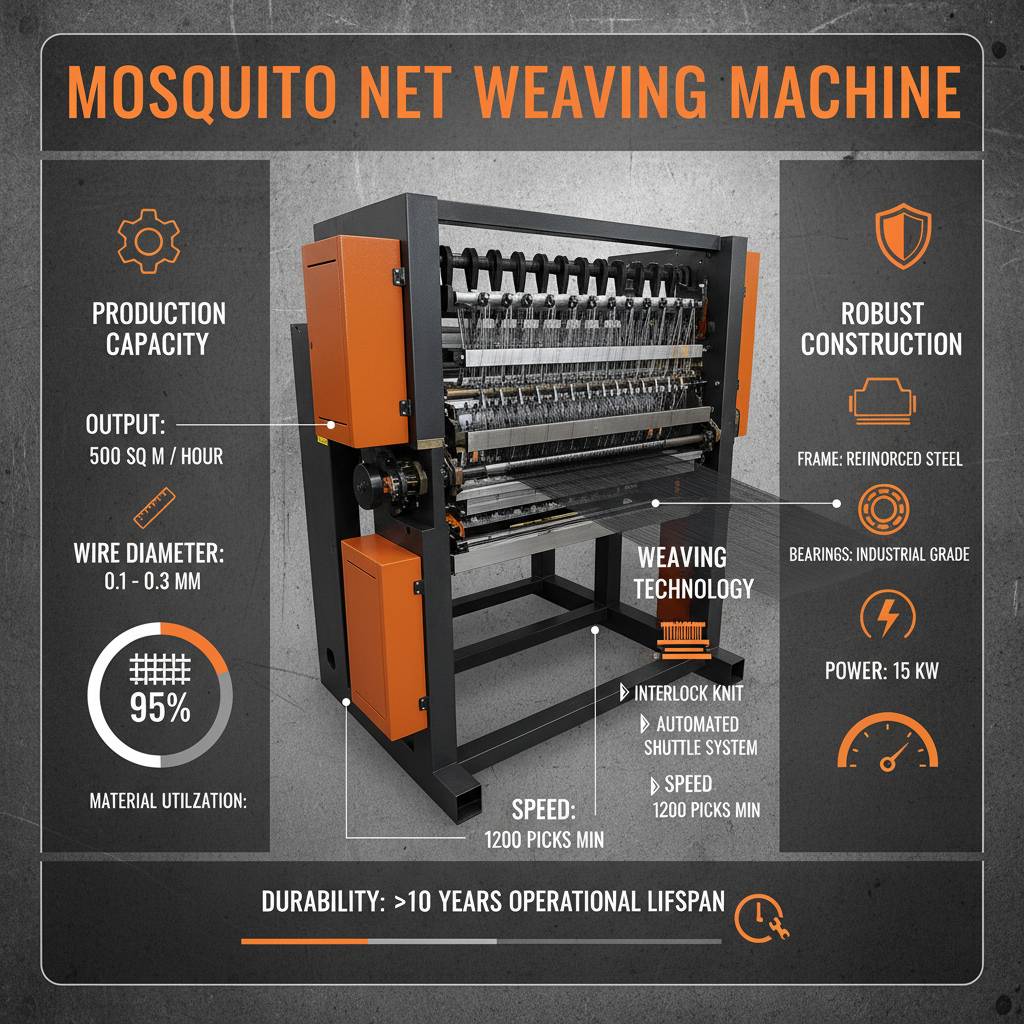
At its core, a mosquito net weaving machine automates the interlacing of threads – typically polyester or polyethylene – to create a mesh fabric. The process generally involves unwinding yarn from multiple spools, guiding it through a series of reeds and heddles that control the warp and weft, and then a shuttle or other mechanism that interlocks the threads. Modern machines often incorporate computer-controlled systems for precise pattern creation and speed adjustments. The key components working in harmony include the yarn let-off system, the weaving mechanism (shuttle, rapier, or air-jet), the take-up roll, and the control panel. Optimizing the tension of the yarn and maintaining consistent speed are vital for producing high-quality, uniform netting.
Key Considerations: Maintaining yarn tension and ensuring consistent speed are essential for quality netting. Regular maintenance of all machine components is also critical for reliable performance.
Types of Mosquito Net Weaving Machines
There are several types of mosquito net weaving machines available, each with its own advantages and disadvantages. The most common include shuttle machines, rapier machines, and air-jet machines. Shuttle machines are the oldest and most basic type, relying on a shuttle to carry the weft yarn across the warp. Rapier machines use a rapier to insert the weft, allowing for faster speeds and more complex patterns. Air-jet machines use jets of air to propel the weft yarn, offering even higher speeds and reduced noise. The choice of machine depends on production volume, desired quality, and budget. HK Mesh Machine specializes in providing high-quality, adaptable solutions.
Machine Type Comparison:
• Shuttle Machines: Lower cost, simpler operation, slower speeds.
• Rapier Machines: Medium cost, faster speeds, versatile pattern capabilities.
• Air-Jet Machines: Higher cost, highest speeds, reduced noise, complex operation.
Key Features to Consider When Purchasing a Mosquito Net Weaving Machine
Selecting the right machine requires careful consideration of several factors. Production capacity is paramount – assess your current and projected demand. Automation level is another crucial aspect; fully automated machines offer higher efficiency but require more skilled operators. The type of yarn compatibility is also important, as some machines are better suited for certain materials. Additionally, consider the machine's energy efficiency, ease of maintenance, and the availability of spare parts and technical support. Investigating the manufacturer's reputation and after-sales service is highly recommended.
Market Trends and Future Innovations in Mosquito Net Weaving
The mosquito net industry is continually evolving. Current trends include a move towards longer-lasting insecticidal nets (LLINs) and a focus on more sustainable and environmentally friendly materials. Innovations in machine technology are also driving improvements in production efficiency and quality. These include the development of more precise control systems, faster weaving speeds, and reduced waste generation. Furthermore, manufacturers are increasingly offering customized machine solutions to meet specific client needs. Staying abreast of these developments is essential for maintaining a competitive edge.
Choosing the Right Partner: HK Mesh Machine
Selecting a reliable supplier is crucial for your mosquito net weaving operation. HK Mesh Machine offers a comprehensive range of high-quality machines, backed by expert technical support and a commitment to customer satisfaction. We specialize in providing tailored solutions to meet your specific production requirements. From initial consultation to installation and ongoing maintenance, we are dedicated to ensuring your success.
Conclusion: Investing in Quality Mosquito Net Weaving Technology
Investing in a robust and efficient mosquito net weaving machine from a trusted supplier like HK Mesh Machine is paramount for meeting the global demand for these essential products. By carefully considering your production needs and partnering with an experienced manufacturer, you can ensure a reliable and profitable operation.
Frequently Asked Questions (FAQs)
What is the typical production speed of a mosquito net weaving machine?
Production speed varies significantly depending on the type of machine, the yarn used, and the mesh density. Shuttle machines typically operate at lower speeds (around 20-40 meters per hour), while rapier machines can achieve 60-80 meters per hour. Air-jet machines are the fastest, often exceeding 100 meters per hour. These figures are estimates and can be influenced by several factors, including operator skill and machine maintenance. Contact HK Mesh Machine for specific speed data on our models.
What kind of maintenance is required for these machines?
Regular maintenance is crucial for ensuring the longevity and efficiency of your machine. This includes daily cleaning of yarn paths, lubrication of moving parts, and periodic inspection of belts, gears, and electronic components. It's also important to check and adjust yarn tension regularly. More extensive maintenance, such as replacing worn parts, should be performed by qualified technicians. HK Mesh Machine offers comprehensive maintenance services and readily available spare parts.
What materials are commonly used for mosquito net weaving?
The most common materials used for mosquito net weaving are polyester and polyethylene. Polyester offers greater strength and durability, while polyethylene is more cost-effective. The choice of material often depends on the desired quality, lifespan, and budget. Some machines are designed to work with specific materials, so it's important to confirm compatibility before purchasing.
What is the power consumption of a typical mosquito net weaving machine?
Power consumption varies based on the machine type and size. Smaller, shuttle machines may consume around 1-2 kilowatts, while larger, high-speed air-jet machines can consume 3-5 kilowatts or more. Energy-efficient models are available, which can help reduce operating costs. It’s important to factor in power consumption when calculating your overall production expenses.