



QUESTIONS & ANSWERS
Fiberglass Roving Machine: Woven Roving Machine FAQ on Integration, Spare Parts and Maintenance
Buyers and production managers frequently ask about how a fiberglass roving machine fits into an existing production line, which spare parts wear out first, and how to keep the machine running efficiently. This FAQ draws on the confirmed product details of Anping Hongke Wire Mesh Machinery Factory's Fiberglass Woven Roving Machine to answer those practical questions directly.
Fiberglass Roving Machine — Common Questions Answered
Whether you are evaluating a Fiberglass Woven Roving Machine for the first time or looking to optimize an existing setup, the questions below cover the topics that come up most often: how the machine is structured, how it integrates with upstream and downstream equipment, what the key operating parameters are, and how to approach everyday maintenance.
Machine Structure and Models
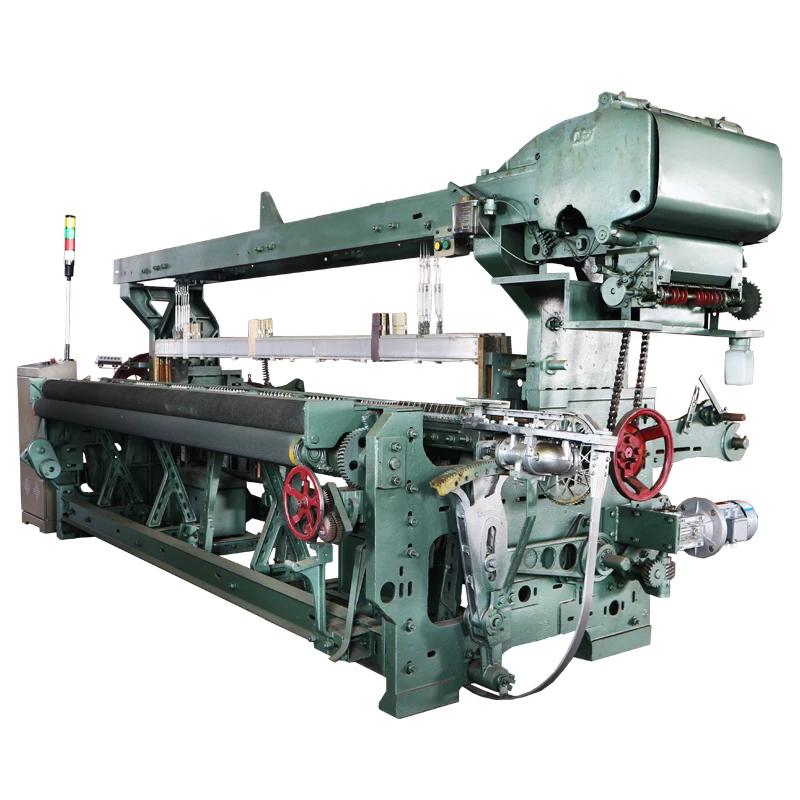
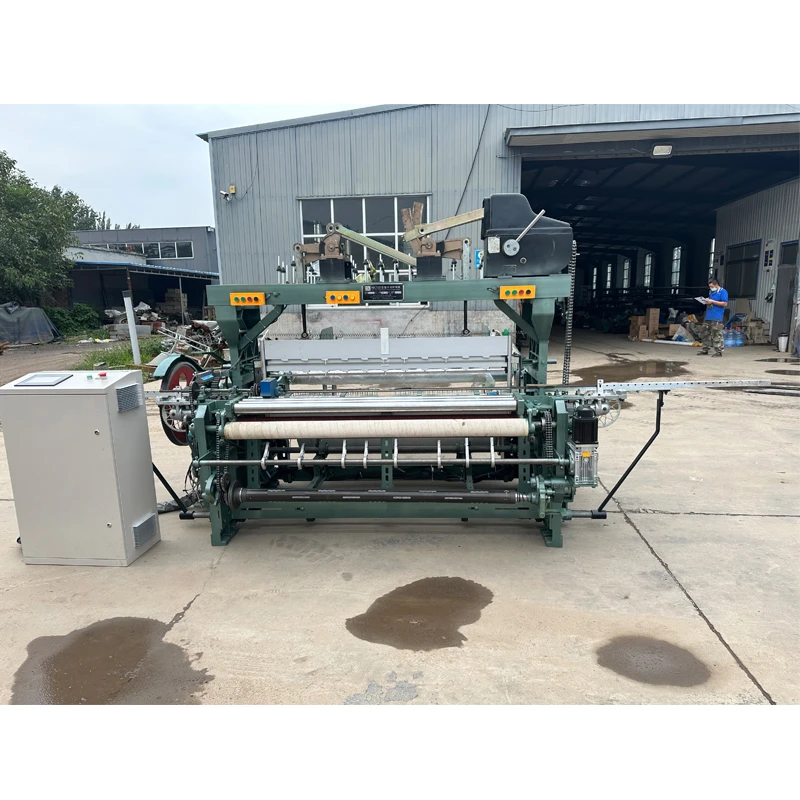
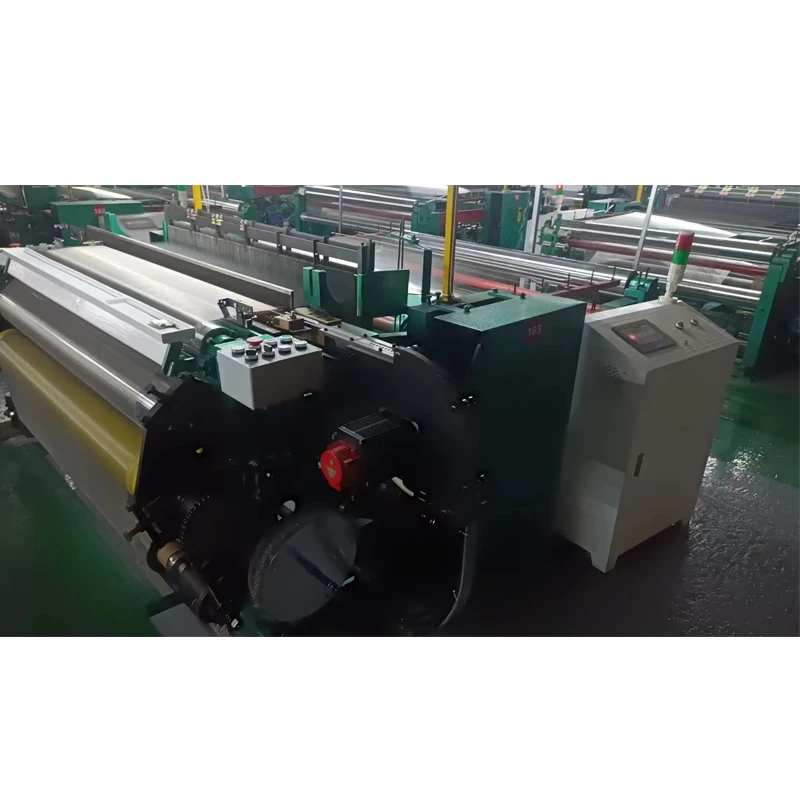
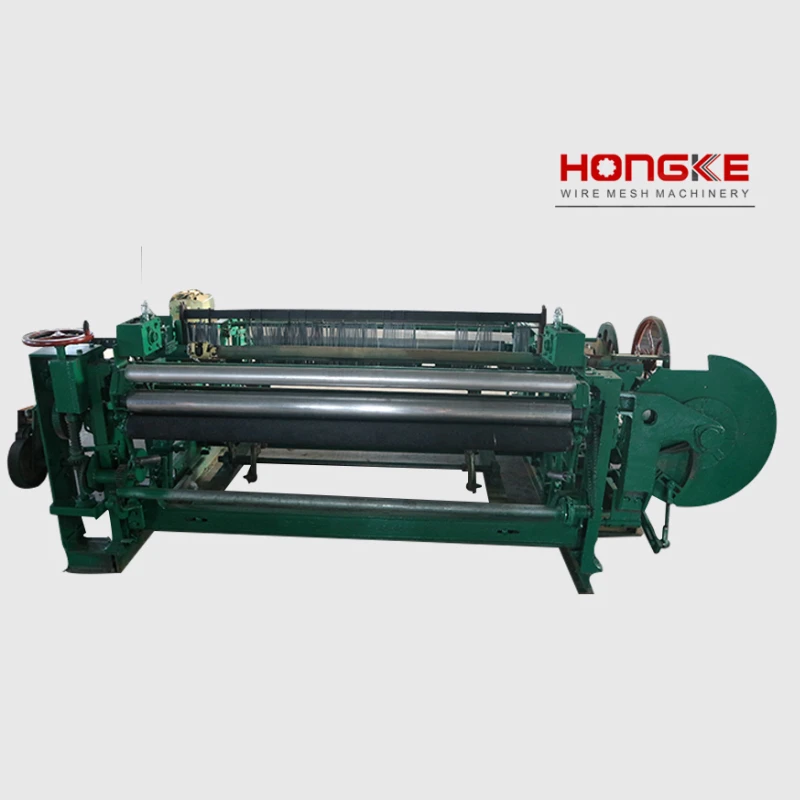
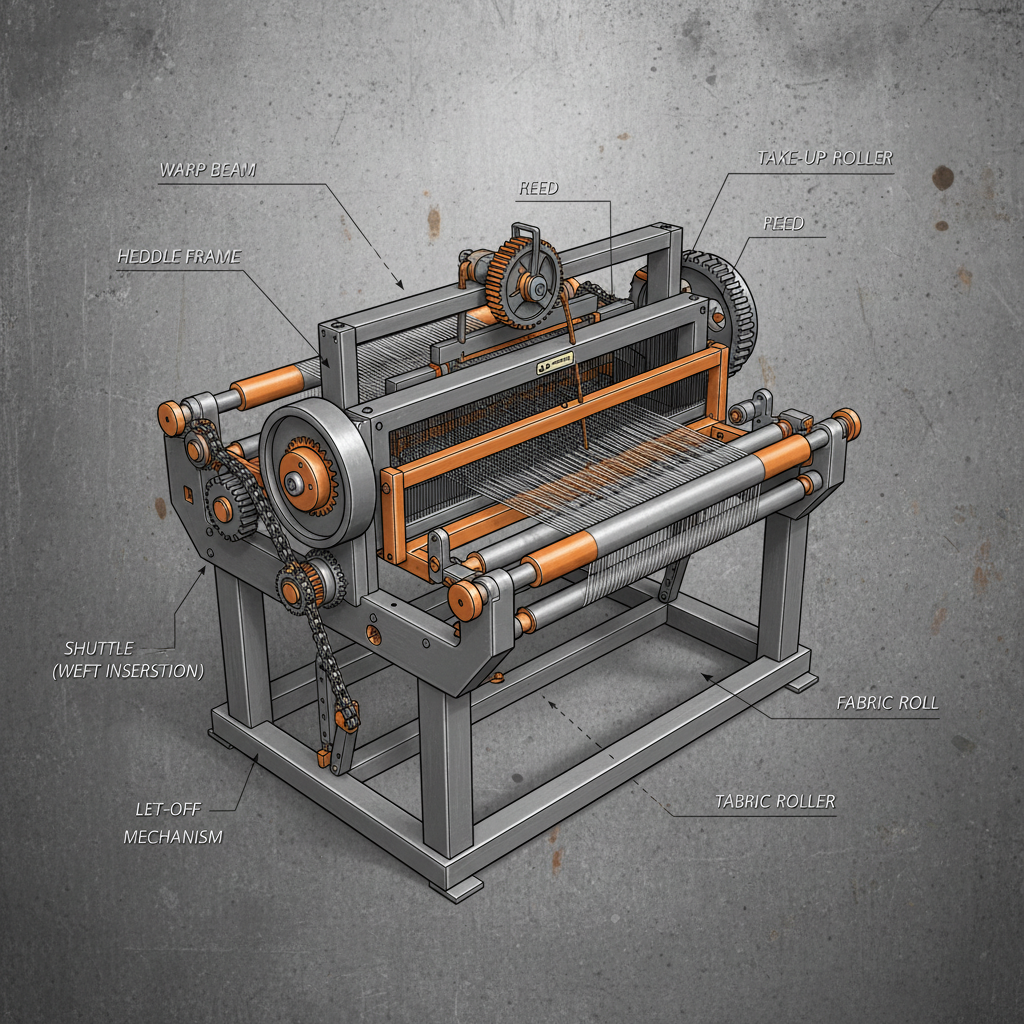
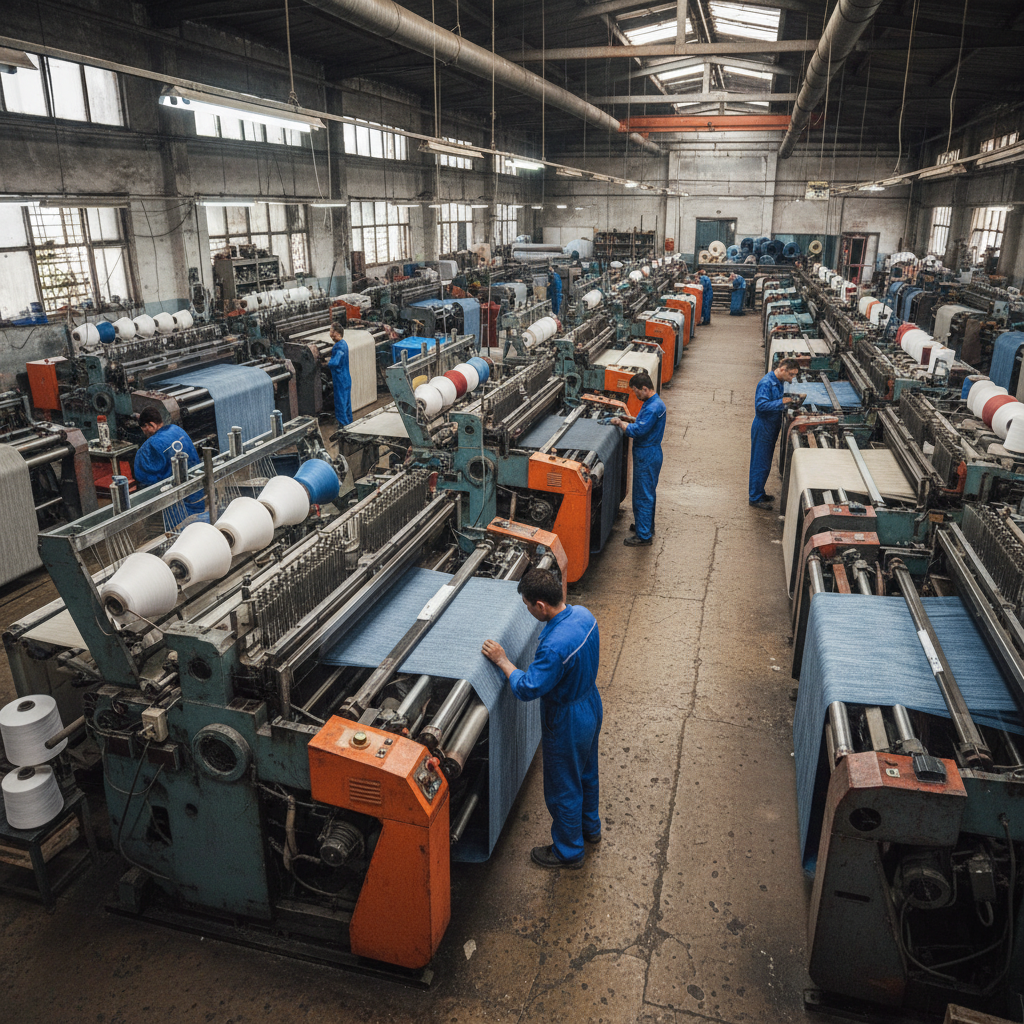
Anping Hongke Wire Mesh Machinery Factory's fiberglass roving machine production line is composed of two main assemblies: weaving machines and yarn racks. Two product families are available:
| Feature | 788 Weaving Machine | High-Speed Weaving Machine |
|---|---|---|
| Available widths (models) | 230, 255, 285, 300, 320 | 230, 260, 280, 320 |
| Machine size (example) | L 4 m × W 1.75 m × H 1.45 m | L 4.6 m × W 1.9 m × H 1.45 m |
| Power | 1.5 kW | 4 kW |
| Weight | 1.7 t | 3.2 t |
| Speed | 125–135 picks/min | 150–175 picks/min |
The yarn rack is built from the same component types regardless of which weaving machine it pairs with.
Integration and Process Flow
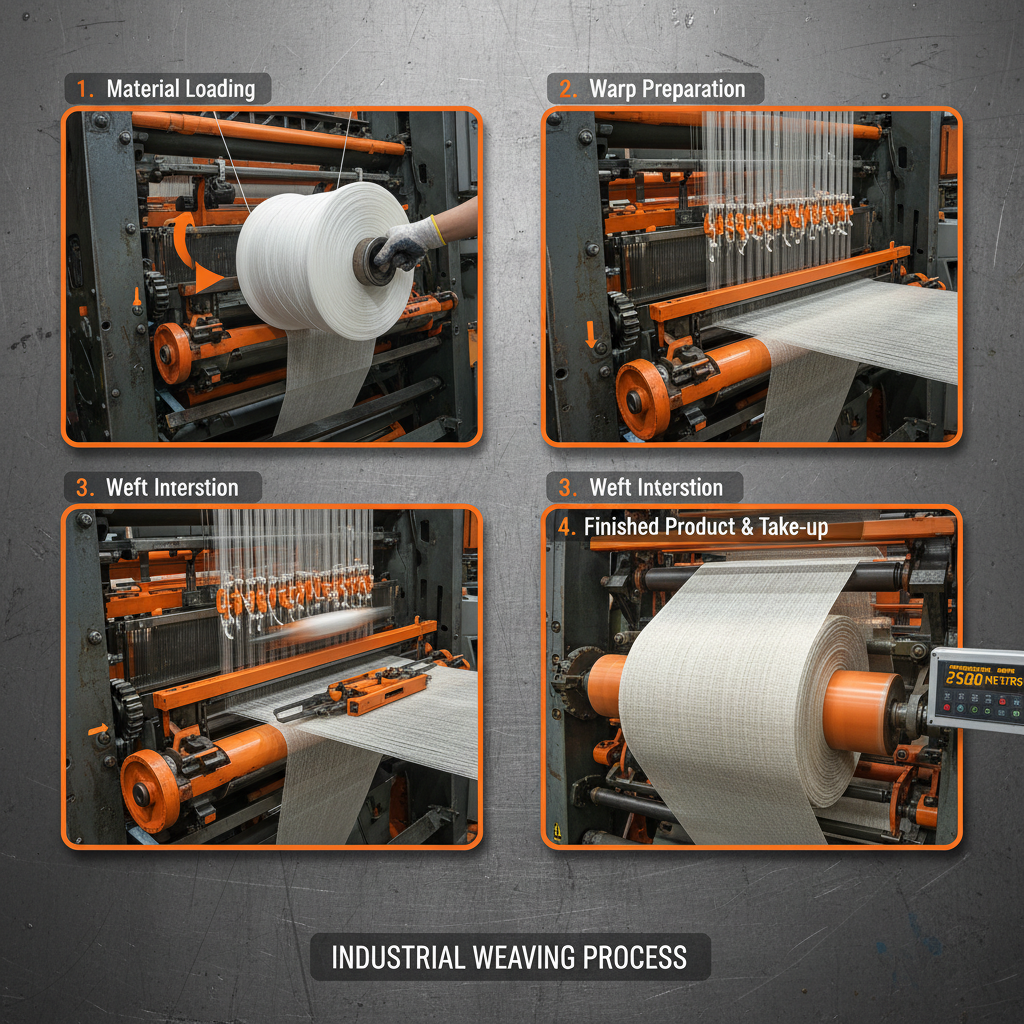
The yarn path follows a defined sequence: yarn leaves the spinning frame, passes through the porcelain eye and steel buckle, wraps halfway around the tension shaft, wraps halfway around the false warp axis, and then enters the weaving machine at the rear beam shaft. Understanding this routing is essential when installing the machine or tracing yarn-break incidents.
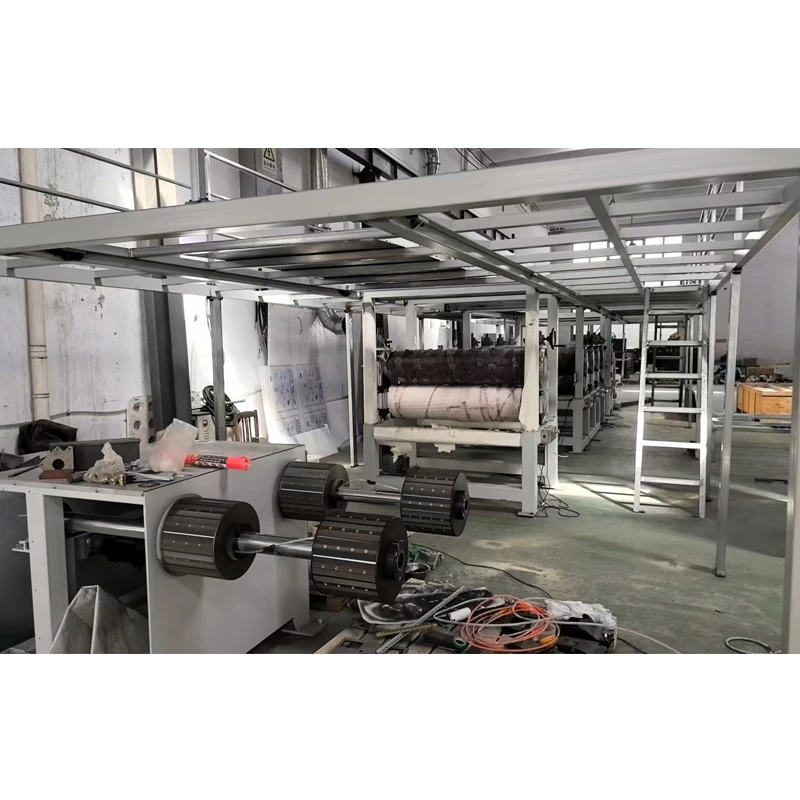
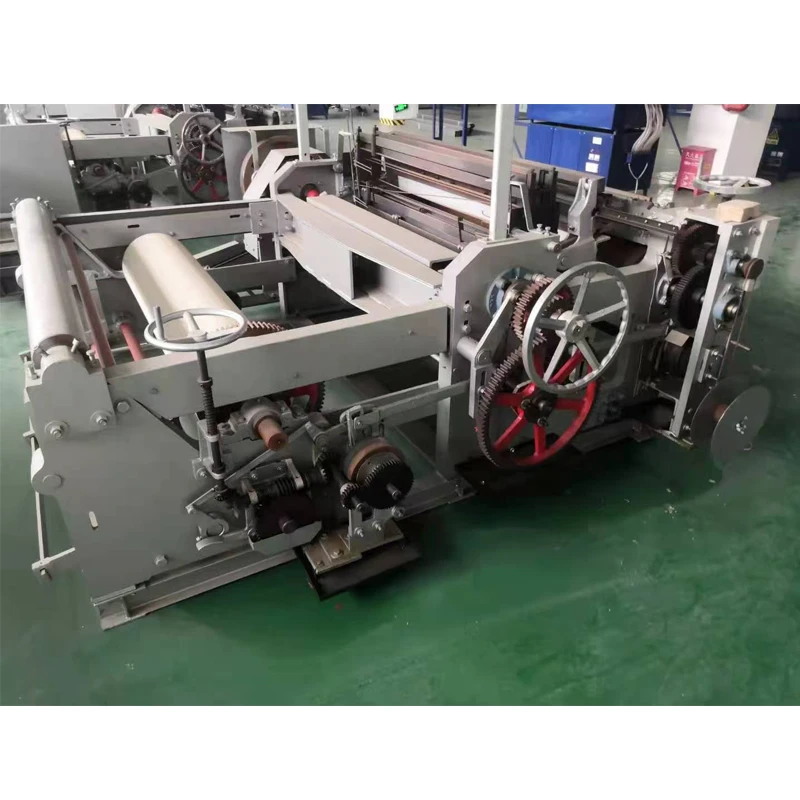
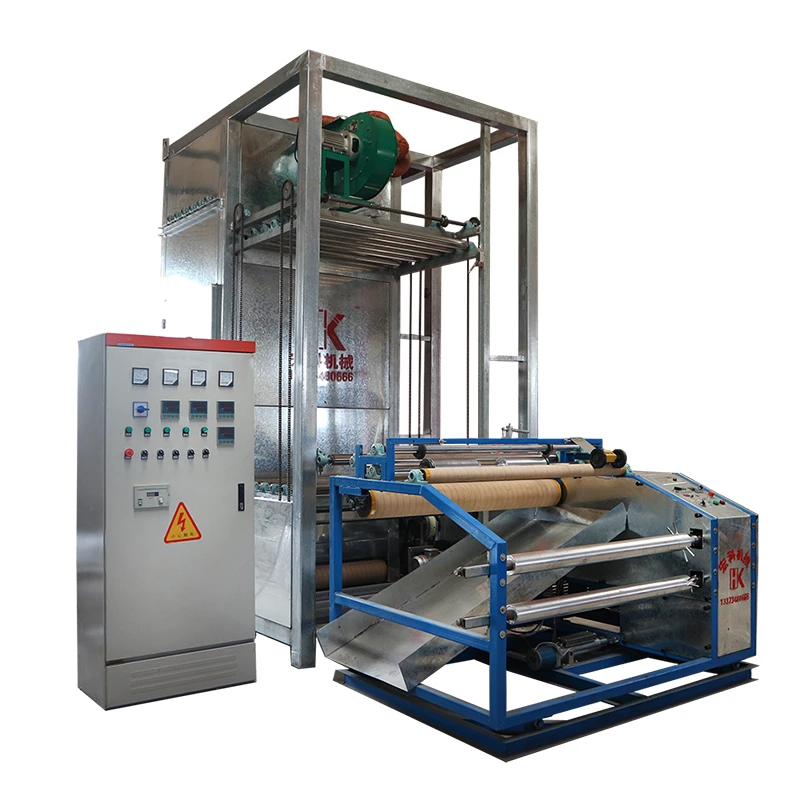
For complete fiberglass mesh production — as opposed to woven roving only — a warping machine and a glue coating machine are also required. The warping machine winds glass-fiber yarn onto a warp shaft at controlled tension before the weaving stage; the coating machine applies adhesive, dries, shapes, and winds the finished fabric after weaving. Buyers who need the full production line should confirm which upstream and downstream units are included in their order.
Key Operating Parameters
- Tension control: The 255-type 788 weaving machine uses a 45 kg magnetic powder brake; the equivalent warping machine uses a 40 kg magnetic powder brake with photoelectric protection and infrared stop.
- Speed range: 788 machines run at 125–135 picks/min; high-speed machines run at 150–175 picks/min.
- Oven temperature (coating stage): Generally 180–200 °C, controlled automatically.
- Winding tension (coating stage): 10 kg magnetic powder control with tension inflation axis.
These parameters are for the confirmed models; always verify against the documentation supplied with your specific machine.
Maintenance and Wear Parts
The manufacturer highlights that key components are made of high-quality materials and advanced manufacturing processes for high strength and wear resistance. In practice, the components most exposed to abrasion in a fiberglass roving machine are those in direct yarn contact: porcelain eyes, steel buckles, tension shafts, and false warp axis bearings. The magnetic powder brake (45 kg on the 255-type model) is a wear item that affects consistent tension and should be checked when tension irregularities appear. On the high-speed variant, the higher-power drive system (4 kW) means belt drives and motor couplings warrant periodic inspection.
For the coating machine, the glue tray, oven heating elements, and winding cutter are the components most likely to require scheduled servicing.
Performance and Product Quality
The fiberglass roving machine is designed to control warp and weft spacing precisely, with grid-size deviation kept within a very small range. The flat mesh surface and stable beating force of the 788 series suit applications that require consistent surface flatness. The high-speed series adds throughput for higher-volume runs. Both series can produce fiberglass square cloth across a range of specifications and densities — from lightweight electronic-packaging grades to heavier construction-reinforcement grades — by adjusting machine parameters.
For product specifications, model availability, and technical support, visit the [Fiberglass Woven Roving Machine](https://www.hkmeshmachine.com/fiberglass-woven-roving-machine.html) product page or contact Anping Hongke Wire Mesh Machinery Factory directly.
THE PEOPLE

About the author
THE COMPANY
Anping Hongke Wire Mesh Machinery Factory
Anping Hongke Wire mesh Machinery Factory established in 2008,we are professional wire mesh machine manufacturer,and has exported to Egypt,Turkey,India,Russian, Saudi Arabia,Romania, Kazakhstan and other countries. Our main products include fiberglass mesh machines,fiberglass window screen mesh machiney, Fiberglass Fireproof cloth production line,PE PPE PET window screen machine, Fiberglass Woven Roving machine,aluminum wire weaving machine, shuttle loom machine,second hand weaving looms,ect Anping Hongke Wire…
About Us ↗Visit company website ↗YOUR NEXT STEP
Bring your brief. Start a useful conversation.
Use case, specification, quantity and delivery window: make the next conversation specific.