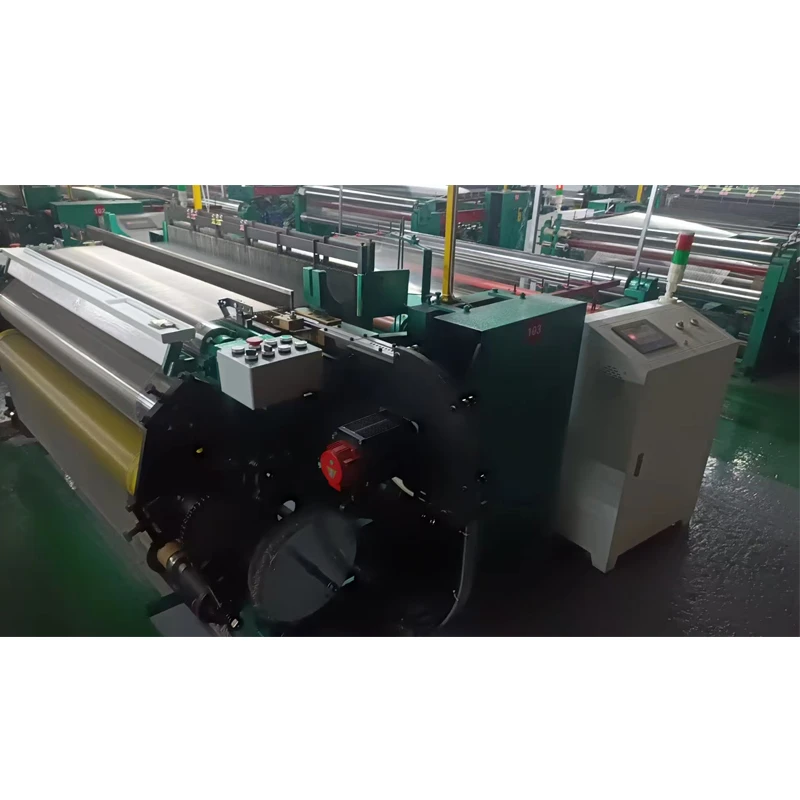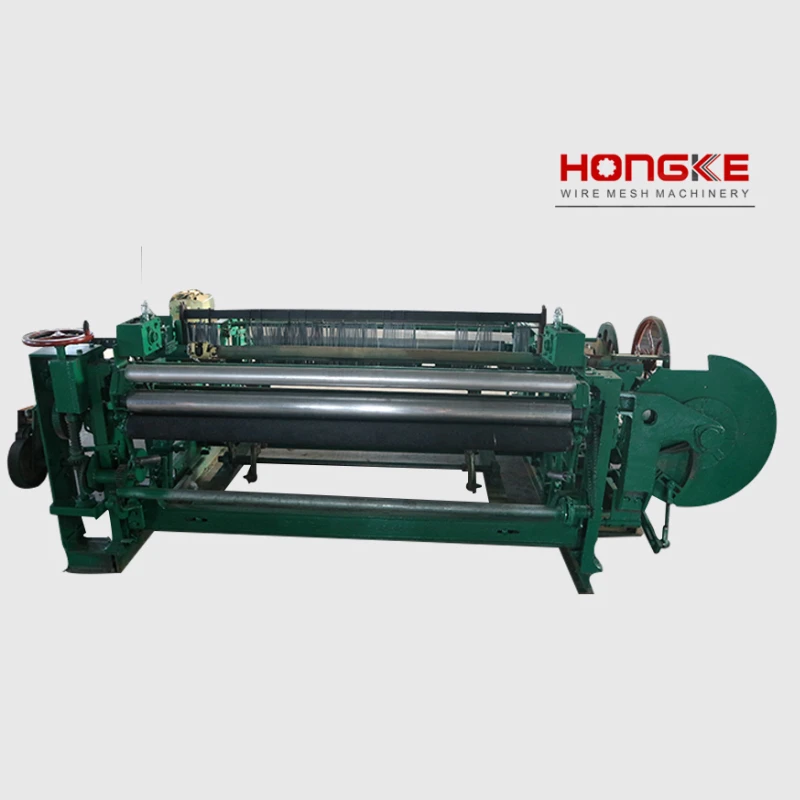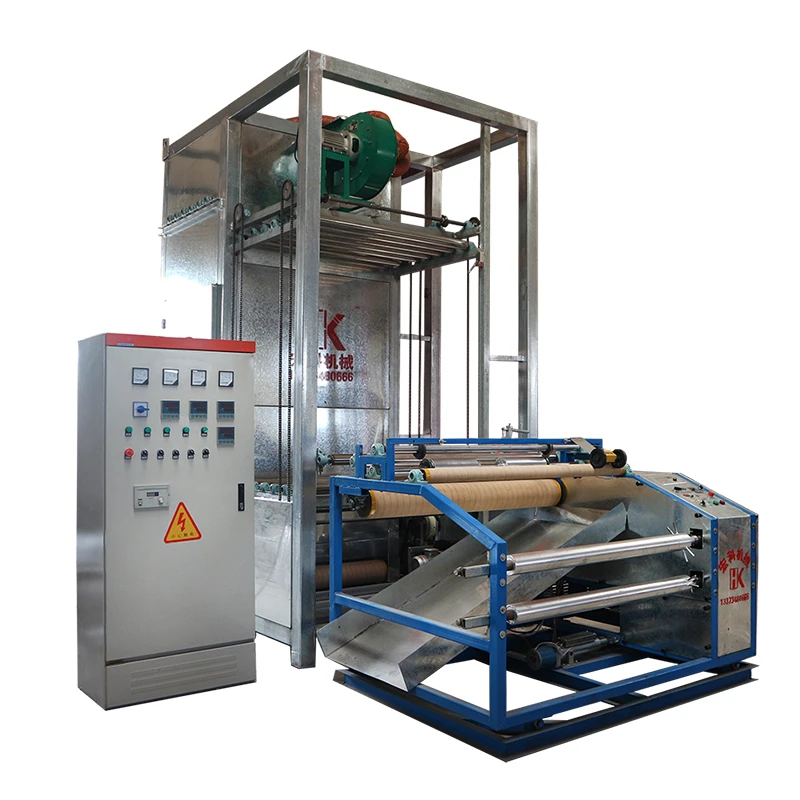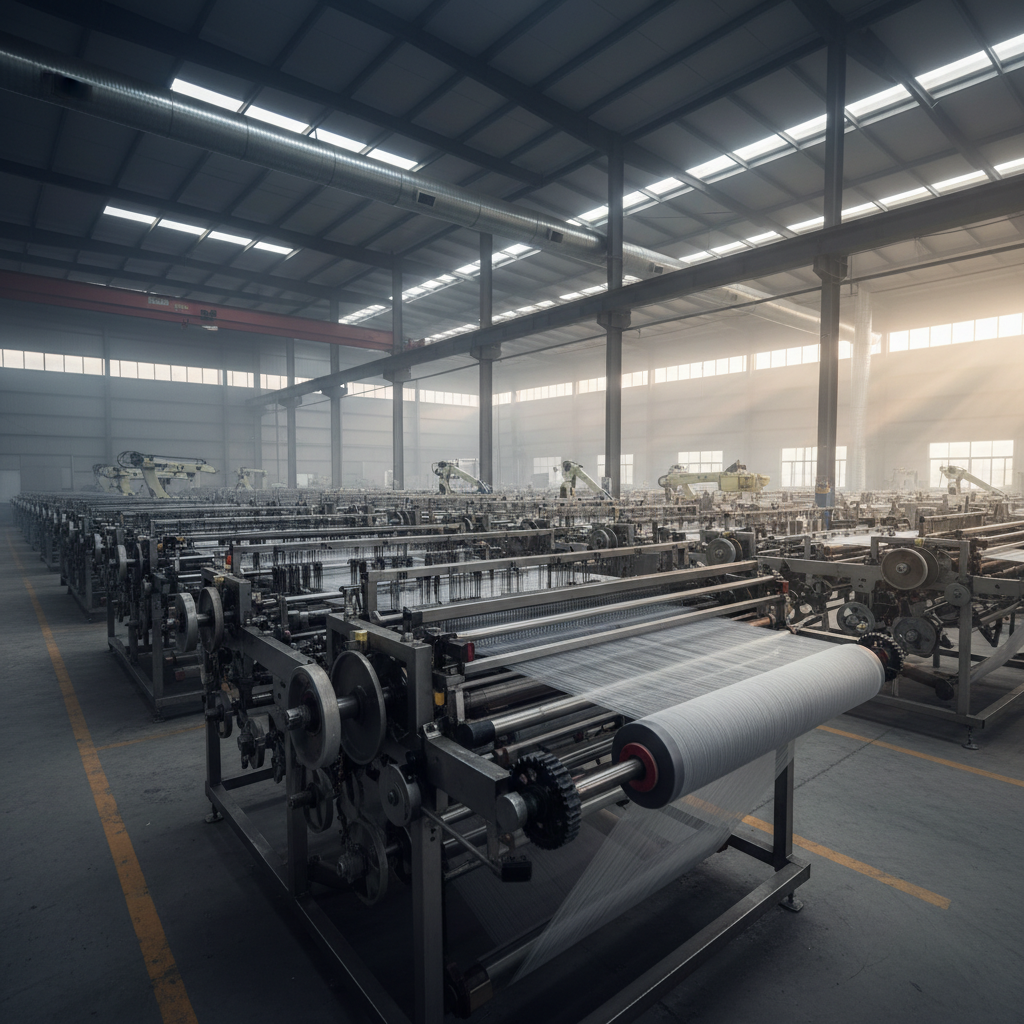



Industrial Weaving Machines: A Comprehensive Guide
The demand for woven fabrics is continuously growing across industries, from apparel and home textiles to technical applications. Efficient and reliable industrial weaving machines are critical for meeting this demand. This article explores the different types of industrial weaving machines, their applications, key features, and what to consider when making a purchase. We’ll delve into the advancements in this technology and how they're shaping the future of textile manufacturing. Understanding your options is the first step to optimizing your production process.
Types of Industrial Weaving Machines
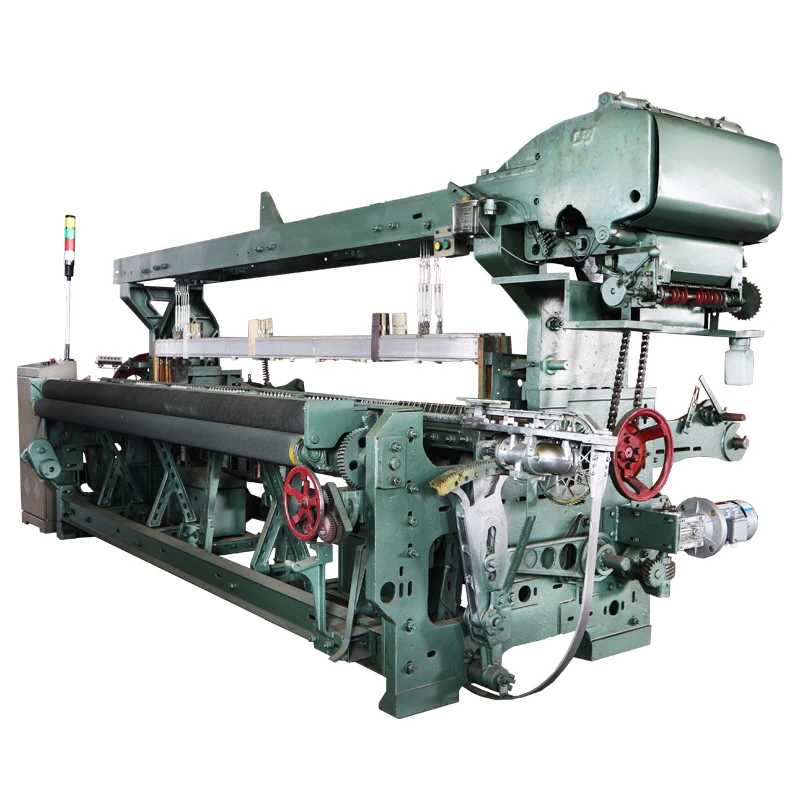
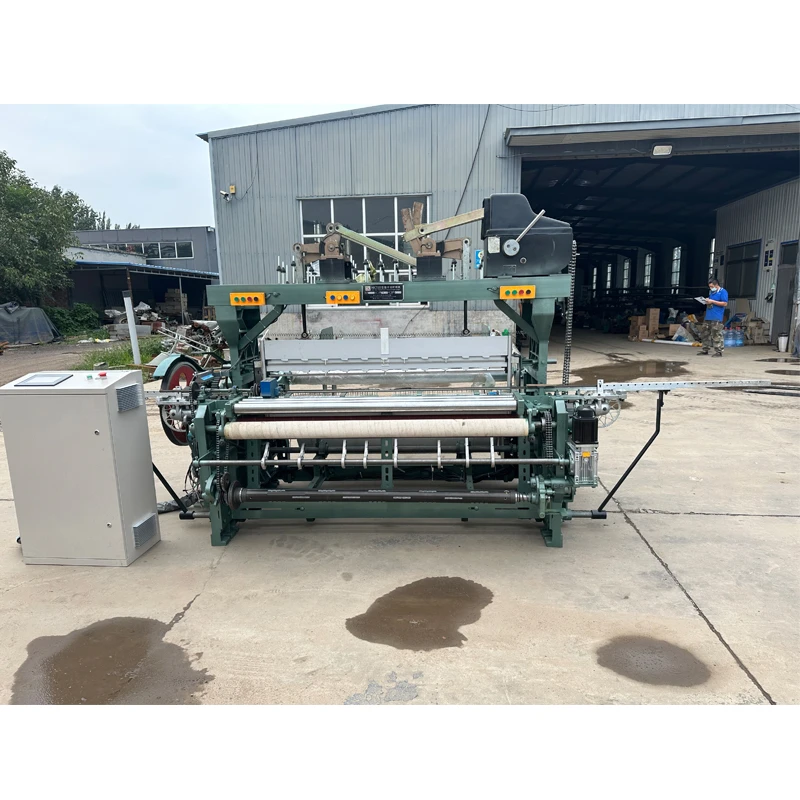
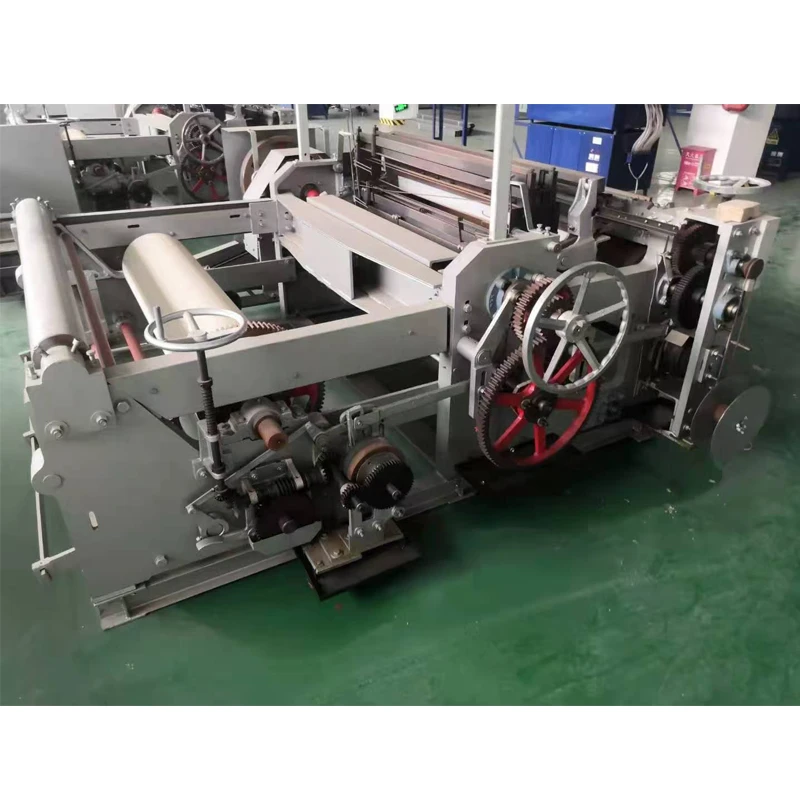
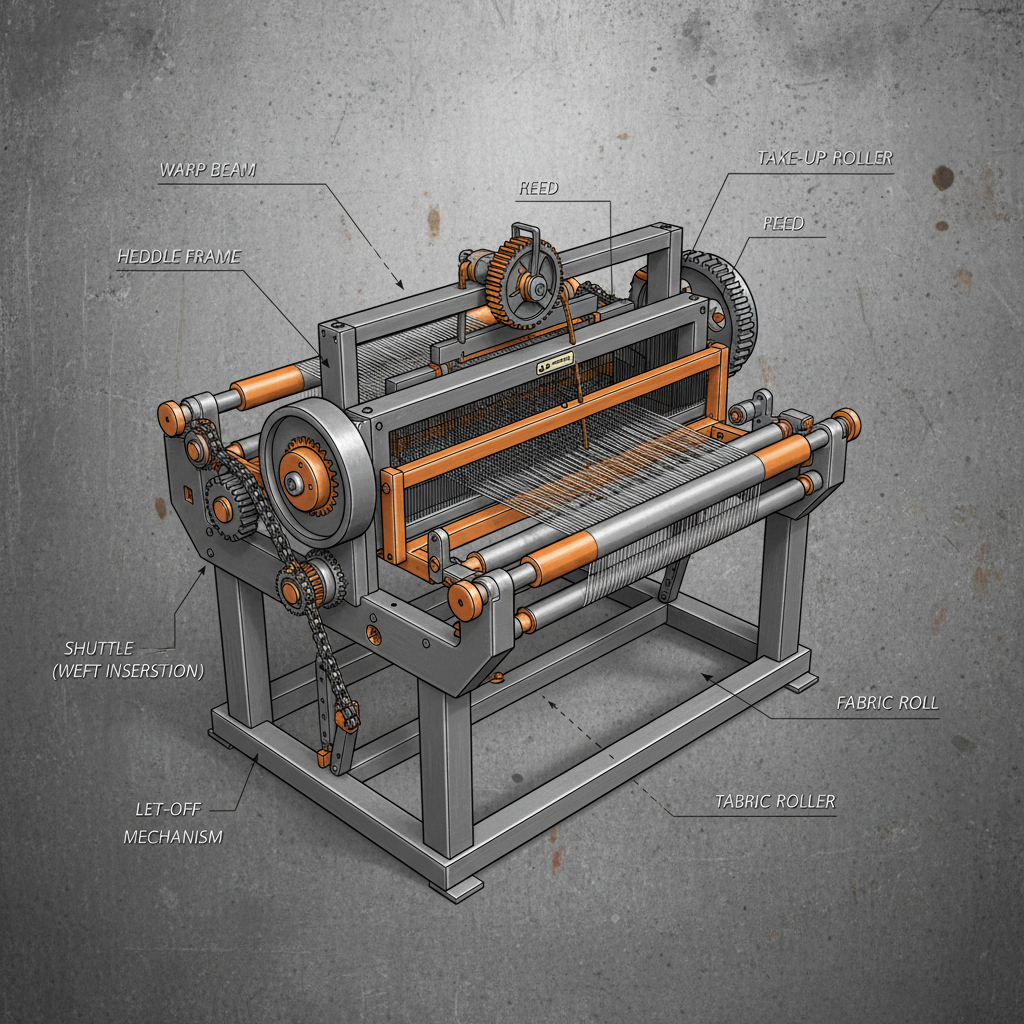
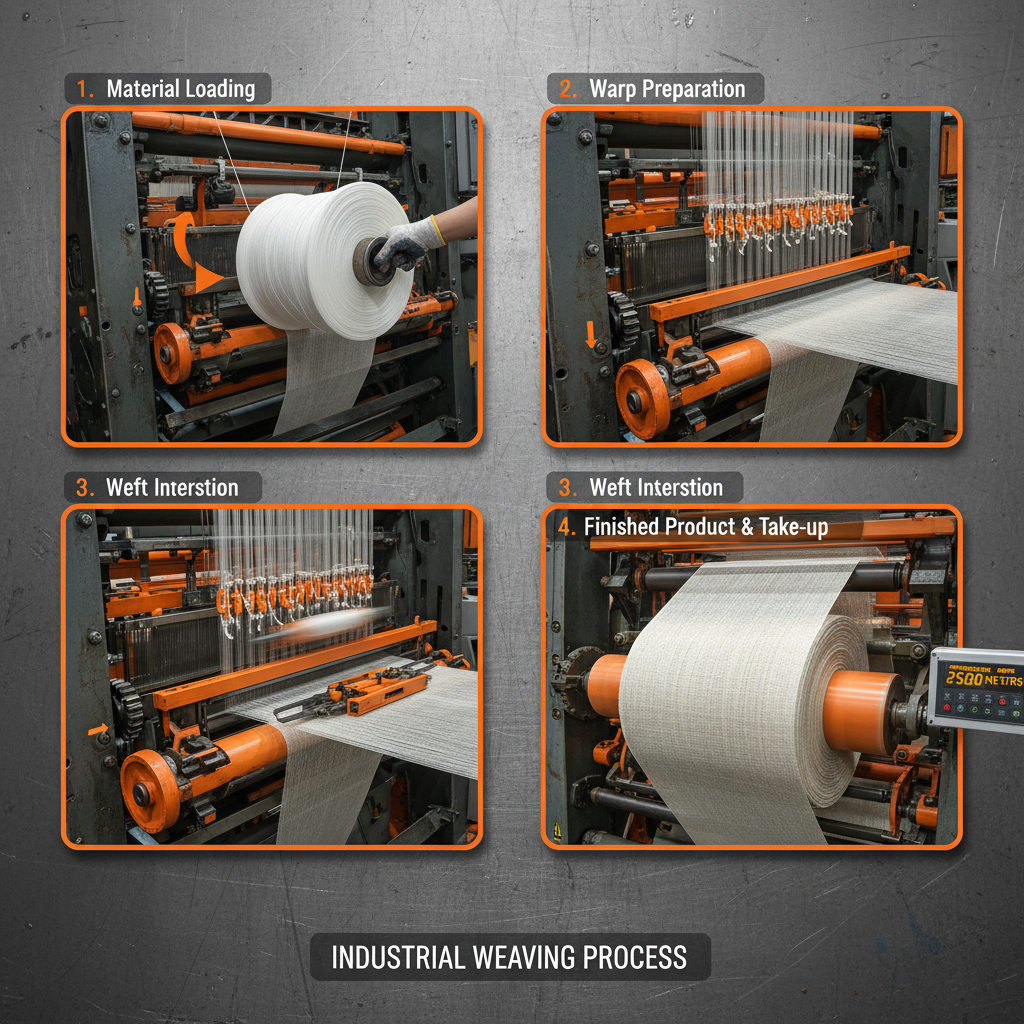
There's a diverse range of industrial weaving machines, each designed for specific fabric types and production volumes. Some of the most common types include:
- Rapier Weaving Machines: Known for their versatility and ability to weave a wide range of fabrics, from light to heavy weight.
- Shuttle Weaving Machines: Traditionally used for high-volume production of plain weave fabrics.
- Air-Jet Weaving Machines: Excellent for producing lightweight, high-density fabrics quickly.
- Water-Jet Weaving Machines: Ideal for weaving synthetic yarns like polyester and nylon.
- Projectile Weaving Machines: Combine characteristics of rapier and shuttle weaving, suitable for a variety of fabrics.
Applications of Industrial Weaving Machines
These machines are fundamental to numerous industries. The apparel industry utilizes them for producing fabrics like denim, cotton, and linen. Home textiles rely on these machines for creating materials for bedding, upholstery, and curtains. However, the application extends beyond textiles for clothing and home uses. Technical textiles, used in industries like automotive, aerospace, and construction, require specialized fabrics produced using advanced weaving machinery. They also play a critical role in creating geotextiles for soil stabilization and filtration.
Key Industries Served: Apparel, Home Textiles, Technical Textiles, Automotive, Aerospace, Construction, Agriculture
Key Features to Consider When Purchasing Industrial Weaving Machines
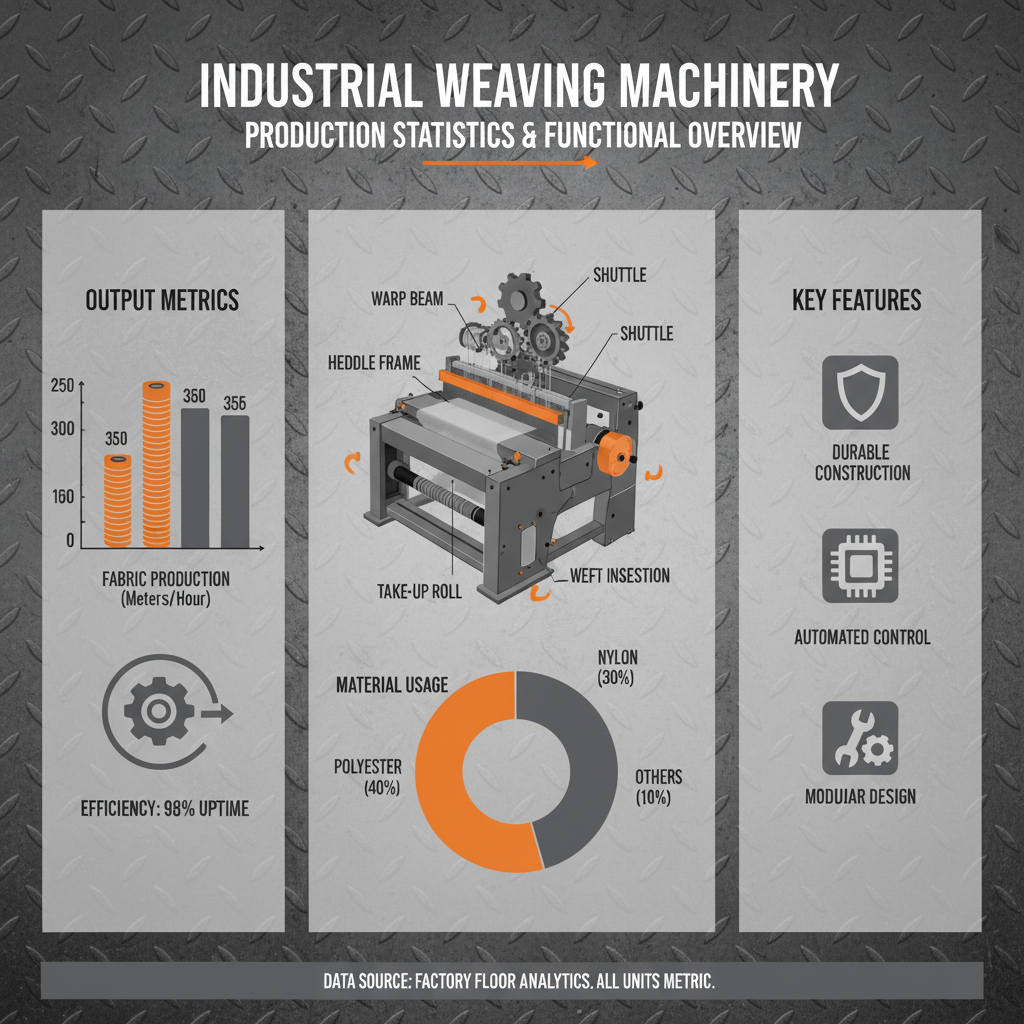
Choosing the right industrial weaving machine requires careful consideration of several factors. Key features include production speed, the range of fabrics it can handle, automation level, energy efficiency, and the availability of spare parts and technical support. The machine's control system (often PLC-based) is also vital, offering precision and ease of operation. Furthermore, consider the machine’s robustness and its ability to withstand continuous operation in a demanding industrial environment.
Essential Features Checklist:
• Production Speed & Capacity
• Fabric Versatility
• Automation Level
• Energy Efficiency
• Control System Precision
Comparing Popular Industrial Weaving Machine Types
Selecting the best machine hinges on understanding the strengths and weaknesses of each type. Below is a comparison table to help illustrate the differences:
The Future of Industrial Weaving Technology
The future of industrial weaving is leaning towards increased automation, intelligent control systems, and more sustainable practices. We're seeing advancements in sensor technology that allow for real-time monitoring of fabric quality and automated adjustments to optimize the weaving process. Furthermore, manufacturers are focusing on developing machines that consume less energy and reduce waste. These innovations will enhance productivity, lower costs, and minimize the environmental impact of textile production. HK Mesh Machine is at the forefront of this evolution, constantly striving to deliver cutting-edge solutions to meet the ever-changing needs of the industry.
Conclusion: Investing in Quality and Innovation
Investing in the right industrial weaving machine is a pivotal decision for any textile manufacturer. By carefully considering your specific needs, fabric types, and production goals, you can select a machine that optimizes your operations and delivers a significant return on investment. Prioritizing quality, innovation, and reliable support will ensure long-term success in the dynamic textile industry.
Frequently Asked Questions (FAQs)
What maintenance is required for industrial weaving machines?
Regular maintenance is crucial for ensuring the longevity and optimal performance of your weaving machine. This includes daily cleaning, lubrication of moving parts, inspection of belts and gears, and regular checks of the control system. Following the manufacturer's recommended maintenance schedule is vital. Preventive maintenance, such as replacing worn parts before they fail, can significantly reduce downtime and repair costs. It's also important to train personnel on proper maintenance procedures.
How can I improve the energy efficiency of my weaving process?
Several strategies can improve energy efficiency. Choose machines with energy-saving features, such as variable frequency drives (VFDs) and optimized motor designs. Implement proper insulation to minimize heat loss. Regularly maintain your machines to ensure they operate at peak efficiency. Optimize your production schedule to reduce idle time. Consider using renewable energy sources to power your facility. Small changes in operational practices can accumulate into significant energy savings.
What factors influence the production speed of a weaving machine?
Numerous factors affect production speed, including the type of machine, the yarn type and count, the fabric structure, and the operator's skill level. More advanced machines, like air-jet and projectile looms, generally offer higher speeds. Using high-quality yarn and optimized weaving parameters can also increase speed. Proper machine maintenance and regular adjustments are essential for maintaining optimal performance. The complexity of the fabric pattern also plays a role, with simpler weaves typically allowing for faster production.
What level of technical support does HK Mesh Machine provide?
HK Mesh Machine provides comprehensive technical support, including installation assistance, operator training, troubleshooting, and spare parts availability. Our team of experienced engineers is available to provide on-site or remote support to address any issues you may encounter. We also offer preventative maintenance programs to help you keep your machines running smoothly. We are committed to ensuring our customers receive the highest level of support throughout the lifespan of their equipment.