


Understanding Fabric Weaving Machines: A Comprehensive Guide
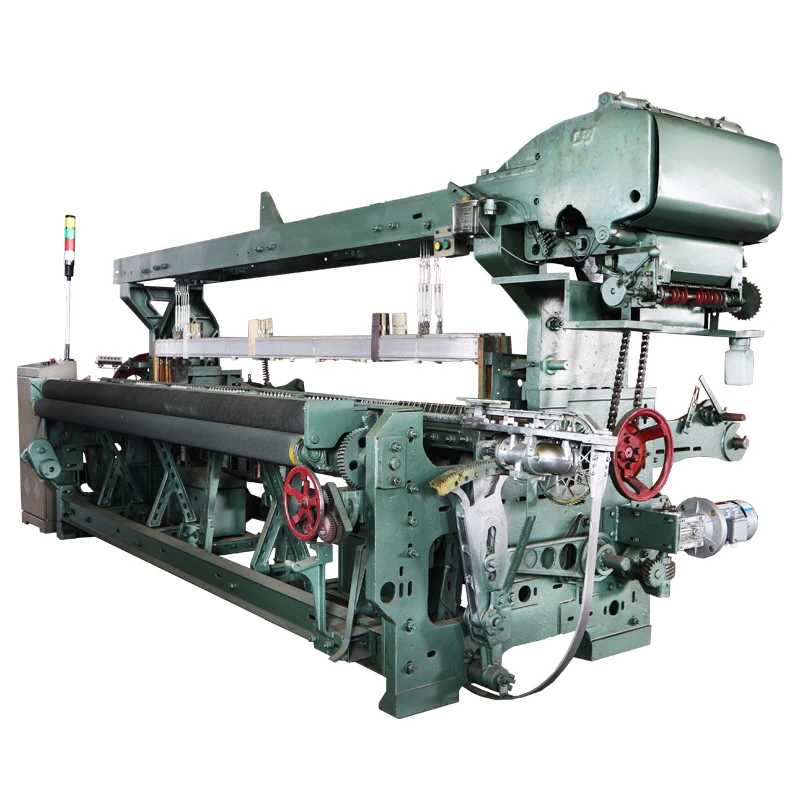
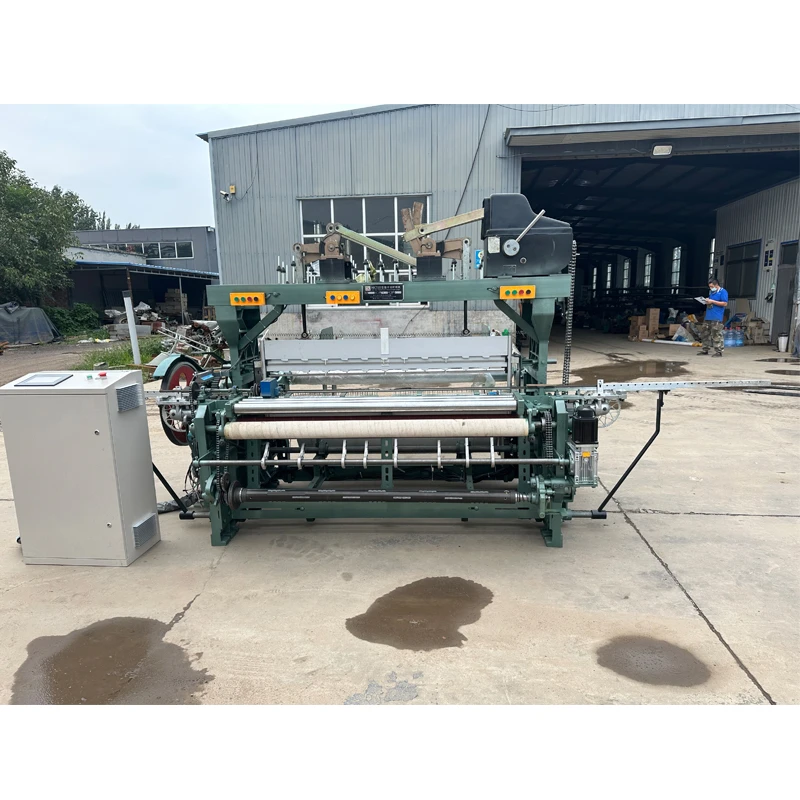
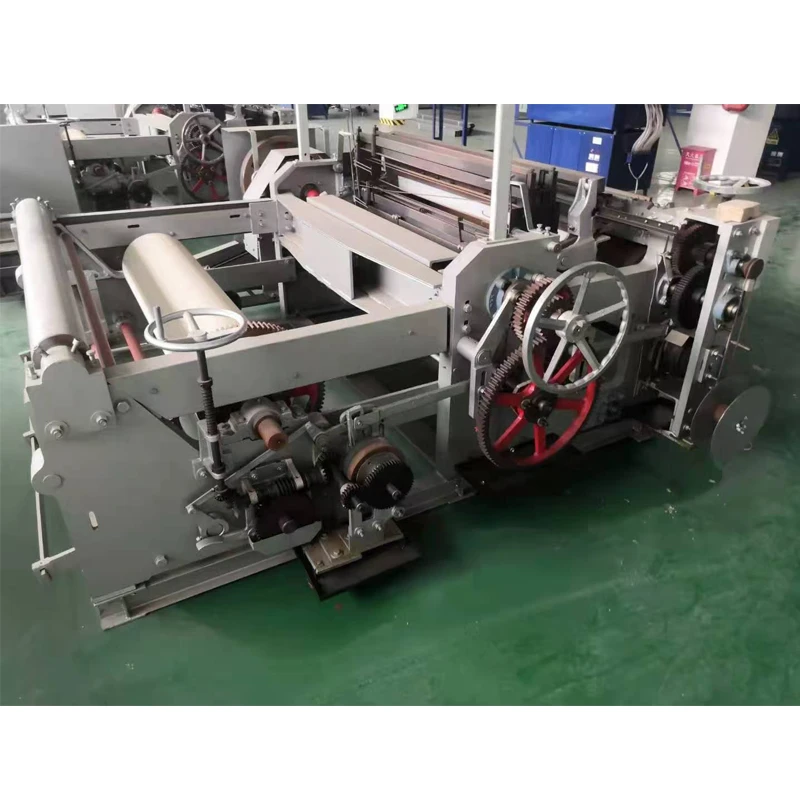
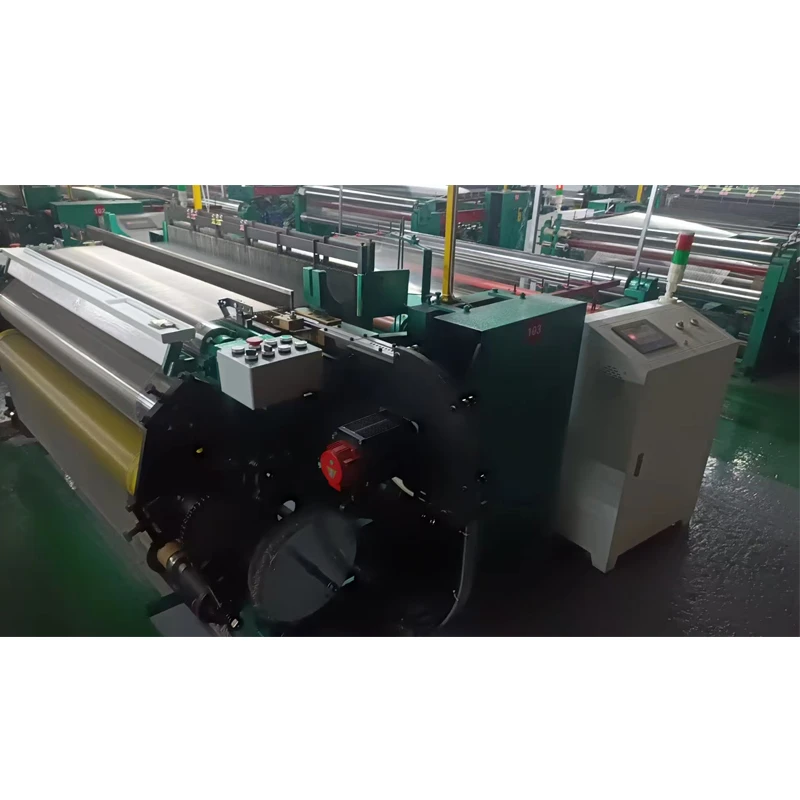
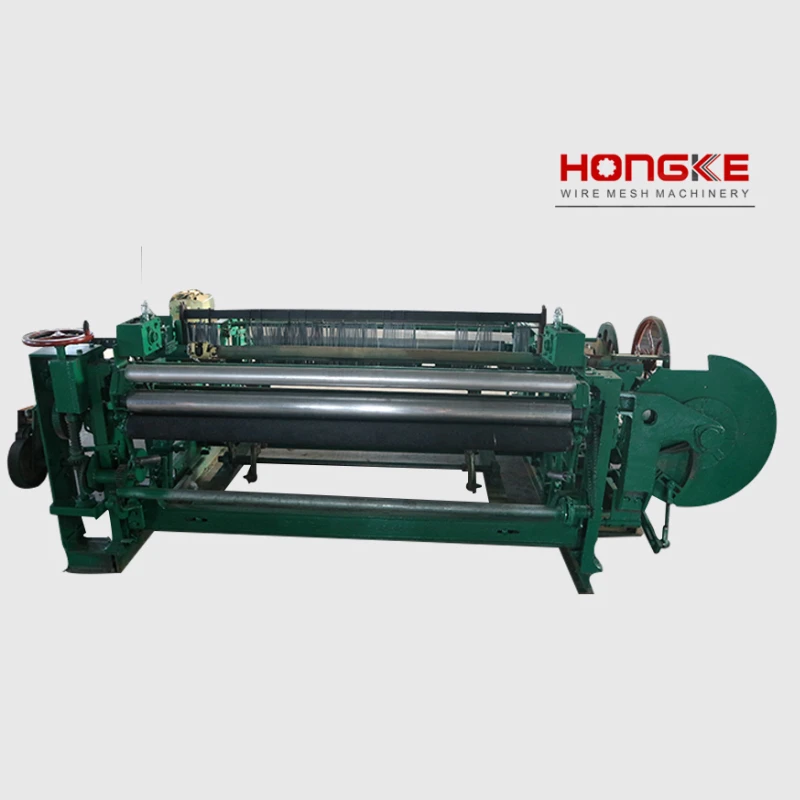
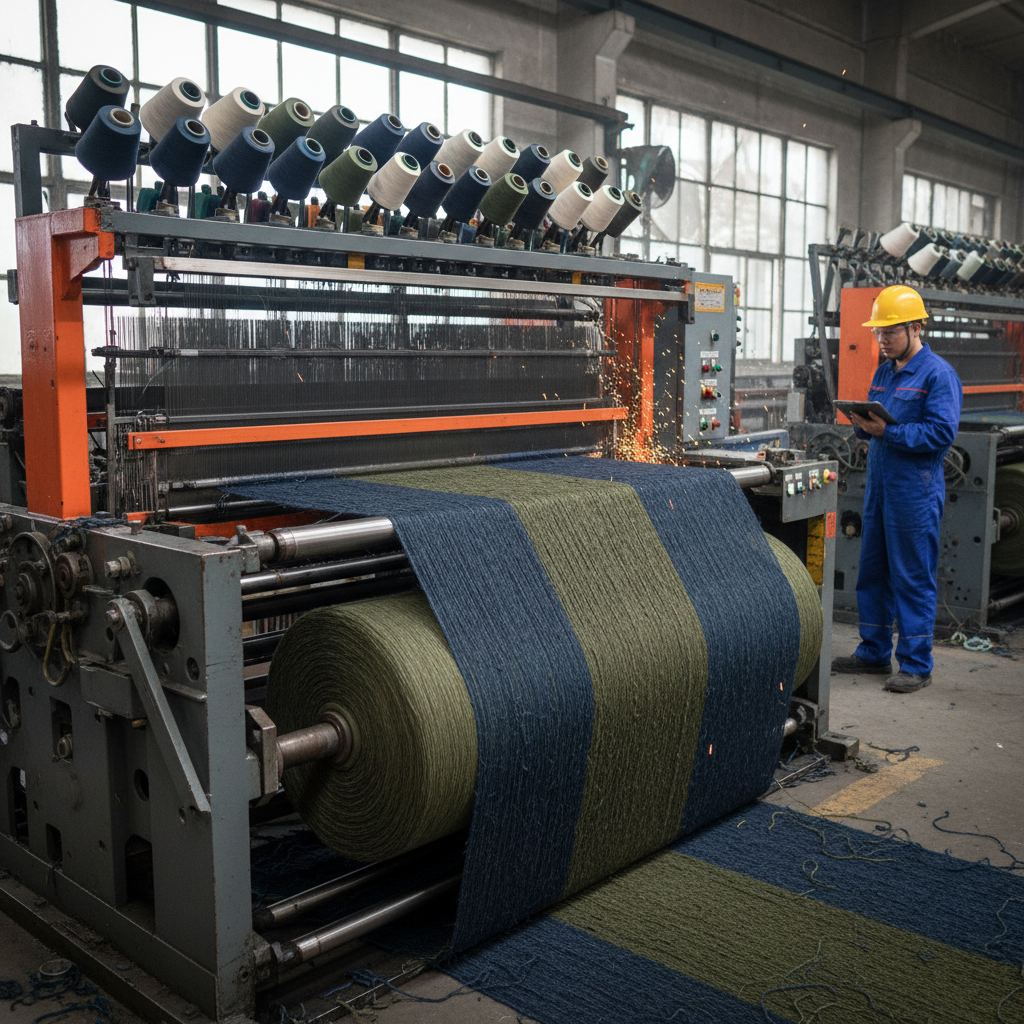
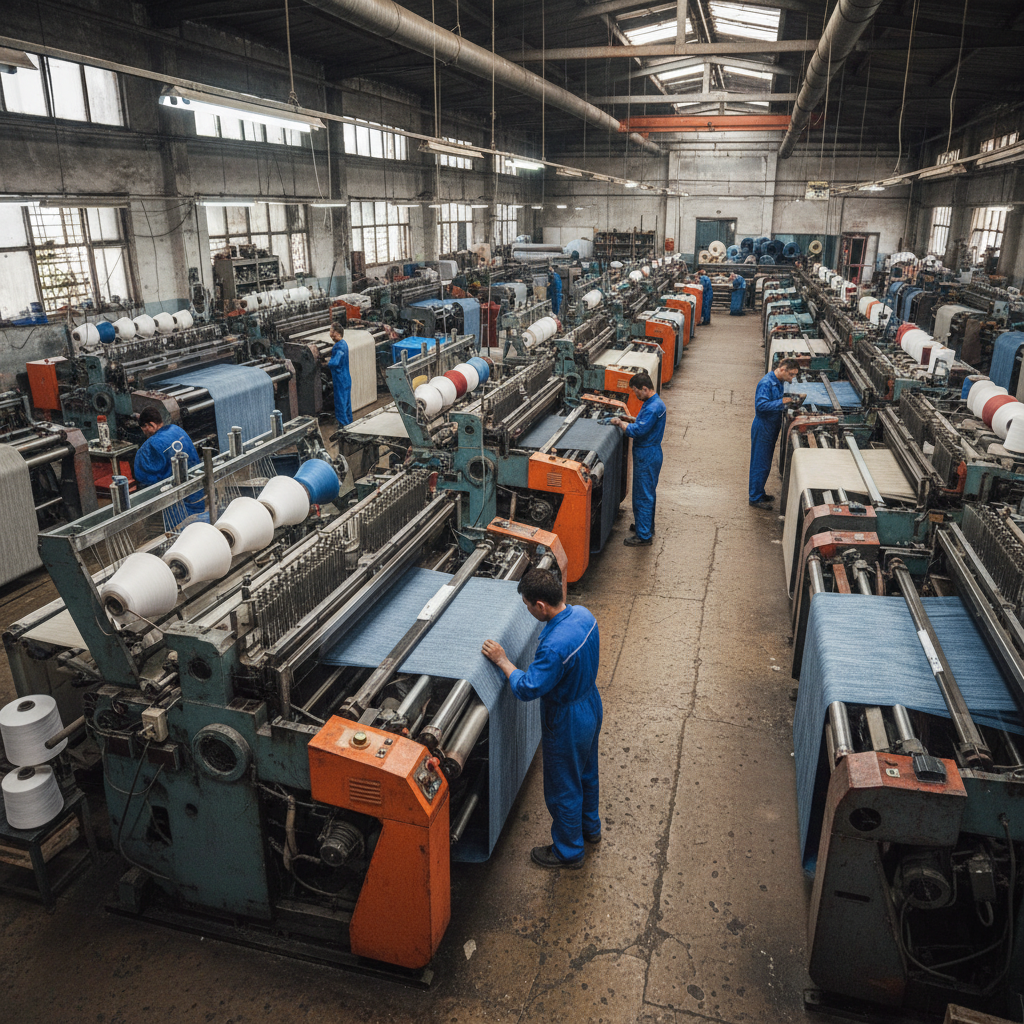
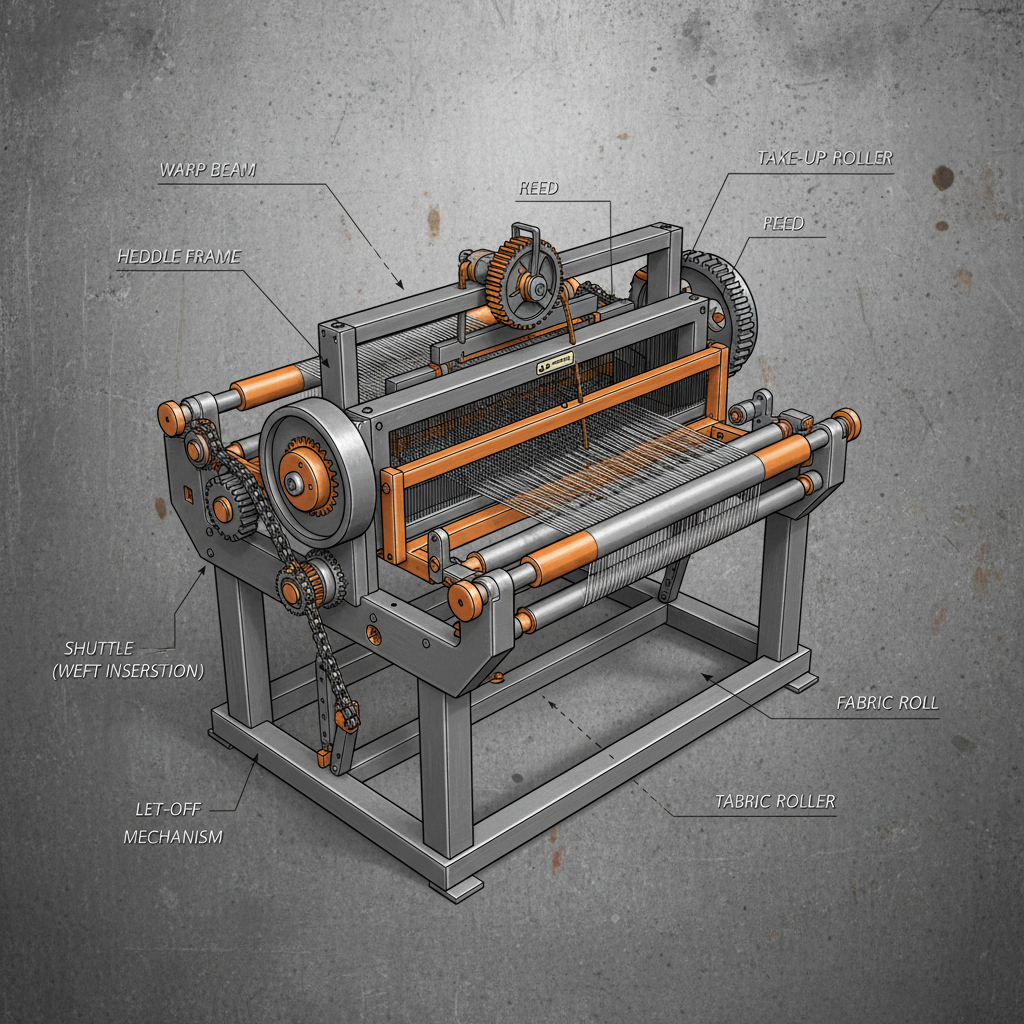
The world of textiles relies heavily on efficient and reliable machinery, and at the heart of it lies the fabric weaving machine. These machines are responsible for interlacing yarns to create a vast array of fabrics used in everything from clothing to industrial applications. This article delves into the types, applications, benefits, and future trends surrounding fabric weaving machines. Whether you're a textile manufacturer, a sourcing agent, or simply curious about the process, this guide will provide a thorough overview. Investing in the right weaving machine can significantly impact production efficiency and product quality.
Types of Fabric Weaving Machines
Fabric weaving machines come in a variety of designs, each suited for different types of fabrics and production scales. Some of the most common types include:
- Rapier Weaving Machines: Known for their versatility and ability to weave a wide range of fabrics, including complex patterns.
- Shuttle Weaving Machines: A traditional method, still used for certain fabrics but generally slower than other modern options.
- Air-Jet Weaving Machines: Utilizes jets of air to propel the weft yarn, allowing for high-speed production, particularly for lightweight fabrics.
- Water-Jet Weaving Machines: Uses jets of water to insert the weft yarn, suitable for synthetic fibers.
- Projectile Weaving Machines: Projectiles carry the weft yarn through the warp, offering a good balance of speed and versatility.
The choice of machine depends on factors like the type of fabric being produced, desired production speed, and budget.
Key Takeaway: Selecting the right weaving machine type is crucial for optimizing production efficiency and achieving desired fabric quality.
Applications of Fabric Weaving Machines
The applications of fabric weaving machines are incredibly diverse, encompassing numerous industries. From the apparel sector to technical textiles, these machines play a vital role. Common applications include:
- Apparel: Producing fabrics for clothing, including cotton, polyester, and blends.
- Home Textiles: Creating fabrics for curtains, upholstery, bedding, and towels.
- Industrial Textiles: Manufacturing fabrics for automotive interiors, filtration systems, and protective clothing.
- Technical Textiles: Producing specialized fabrics for medical, agricultural, and aerospace applications.
- Denim Production: Specialized weaving machines for creating the durable fabric used in jeans and other denim products.
The versatility of these machines allows for the creation of fabrics with varying weights, textures, and patterns, catering to a wide range of end-use requirements. HK Mesh Machine offers solutions for numerous of these applications.
Application Benefits:
• Wide range of fabric options
• Increased production capacity
• Improved fabric quality and consistency
• Reduced labor costs
Fabric Weaving Machine Comparison
Choosing the right fabric weaving machine depends on your specific needs. Here's a comparative overview of some popular types:
Benefits of Investing in Modern Fabric Weaving Machines
Investing in modern fabric weaving machines offers numerous benefits, including:
- Increased Productivity: Higher speeds and automation lead to increased output.
- Improved Fabric Quality: Precision engineering ensures consistent fabric quality.
- Reduced Labor Costs: Automated processes require fewer operators.
- Versatility: Ability to weave a wider range of fabrics and patterns.
- Reduced Waste: Optimized yarn usage and reduced defects minimize material waste.
These benefits translate into higher profitability and a competitive edge in the global textile market.
Future Trends in Fabric Weaving Technology
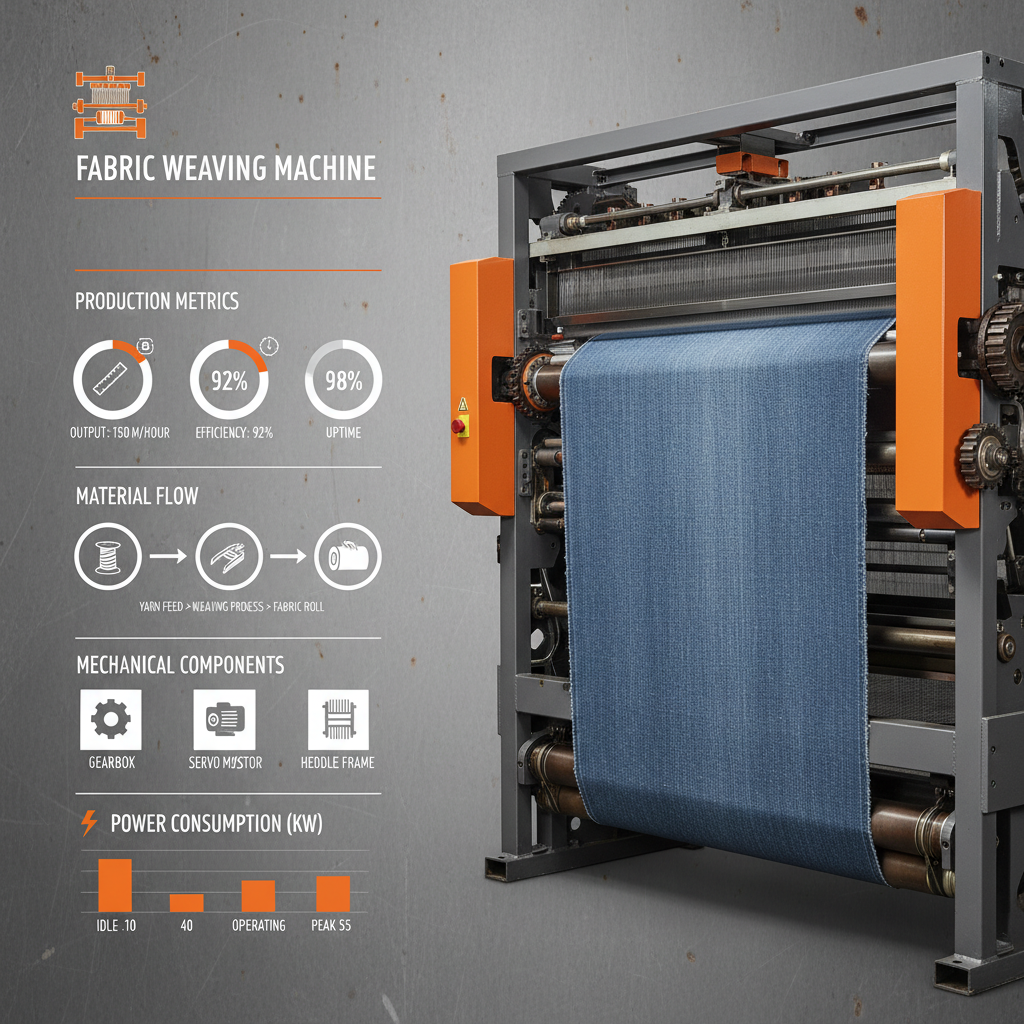
The fabric weaving industry is constantly evolving, with ongoing innovations aimed at improving efficiency, sustainability, and functionality. Some key trends include:
- Smart Weaving Machines: Incorporating sensors, data analytics, and AI to optimize performance and predict maintenance needs.
- Sustainable Weaving Technologies: Developing machines that reduce energy consumption and minimize waste.
- Advanced Materials: Weaving with innovative fibers, such as recycled materials and bio-based polymers.
- Digitalization and Automation: Integrating weaving machines into fully automated production lines.
These advancements promise to revolutionize the textile industry, making it more efficient, sustainable, and responsive to changing market demands.
Conclusion: Investing in a Sustainable and Efficient Future
Choosing the right fabric weaving machine is a critical decision for any textile manufacturer. By considering factors such as fabric type, production volume, and budget, you can select a machine that meets your specific needs and helps you achieve your business goals. Embracing new technologies and sustainable practices will ensure a competitive edge in the evolving textile landscape. HK Mesh Machine is dedicated to providing innovative and reliable solutions for the textile industry.
Frequently Asked Questions (FAQs)
What maintenance is required for a fabric weaving machine?
Regular maintenance is crucial for ensuring the longevity and optimal performance of your fabric weaving machine. This includes daily cleaning, lubrication of moving parts, inspection of belts and gears for wear and tear, and periodic replacement of worn components. Following the manufacturer's maintenance schedule is essential. Neglecting maintenance can lead to breakdowns, reduced efficiency, and costly repairs. Preventative maintenance is significantly more cost-effective than reactive repairs. The team at HK Mesh Machine can provide comprehensive maintenance support and training.
What is the typical lead time for ordering a new fabric weaving machine?
Lead times can vary depending on the machine type, customization requirements, and current production schedules. Generally, lead times range from 4 to 12 weeks. Complex machines with custom specifications may require longer lead times. It's best to place your order well in advance of your anticipated production start date. HK Mesh Machine provides accurate lead time estimates and keeps customers informed throughout the production process.
Are training programs available for operating fabric weaving machines?
Yes, most reputable manufacturers, like HK Mesh Machine, offer comprehensive training programs for operators. These programs cover machine operation, maintenance, troubleshooting, and safety procedures. Proper training is essential for maximizing machine performance and preventing accidents. Training can be conducted at the manufacturer's facility or on-site at the customer's location.
What safety features are commonly found on fabric weaving machines?
Modern fabric weaving machines are equipped with various safety features to protect operators. These include emergency stop buttons, safety guards and interlocks, light curtains, and overload protection systems. Proper safety training is crucial to ensure operators understand how to use these features effectively and prevent accidents. Compliance with relevant safety standards is also essential.