


Maximizing Production with a High-Efficiency Mosquito Net Machine
In the global effort to combat mosquito-borne diseases and improve indoor comfort, the demand for high-quality netting has surged. Investing in a professional mosquito net machine is the most effective way for manufacturers to scale their production while maintaining rigorous quality standards. Whether you are targeting the residential market or industrial-grade screening, the right machinery ensures precision, speed, and material efficiency. In this comprehensive guide, we will explore the technical advantages, operational benefits, and selection criteria for choosing the best netting equipment to grow your business.
Advanced Technology in Modern Mosquito Net Machine Design
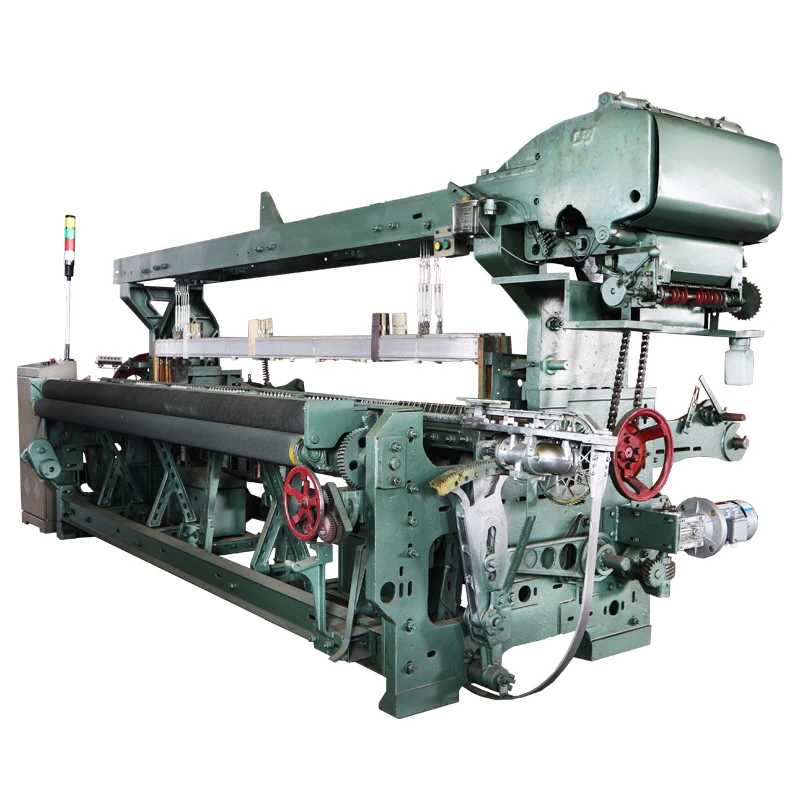
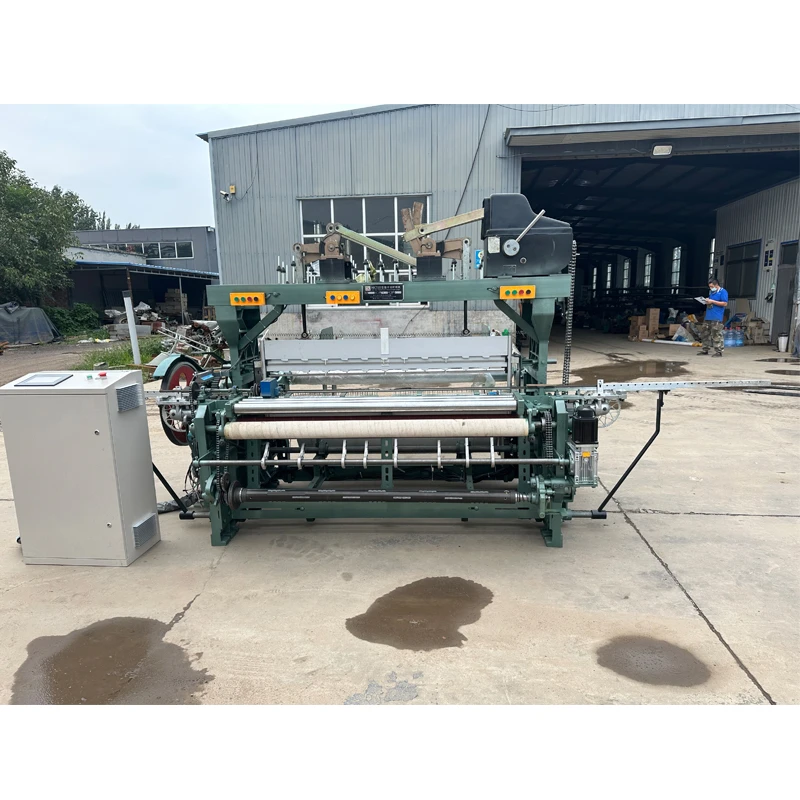
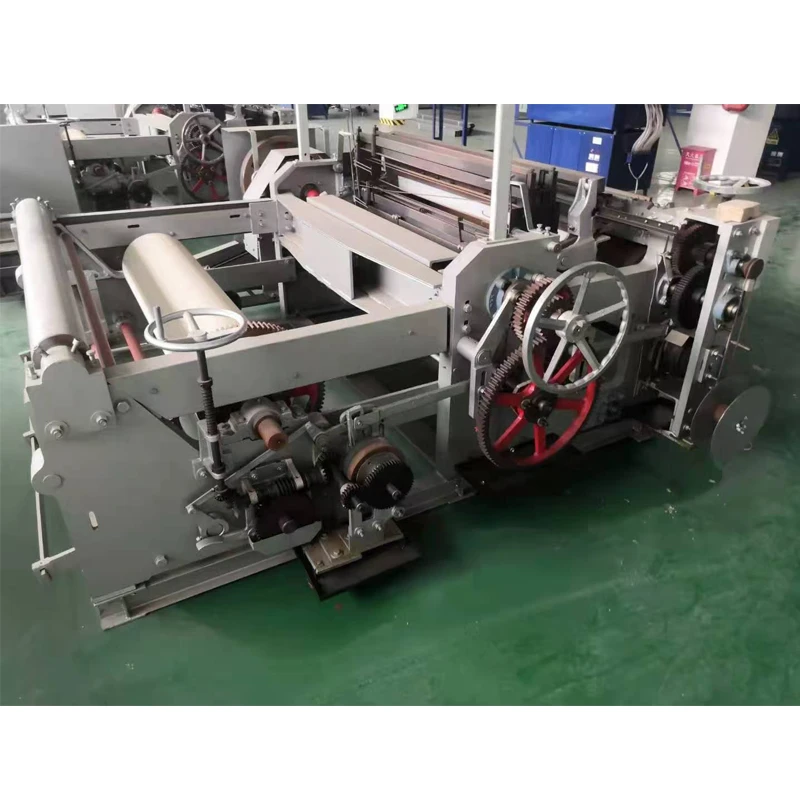
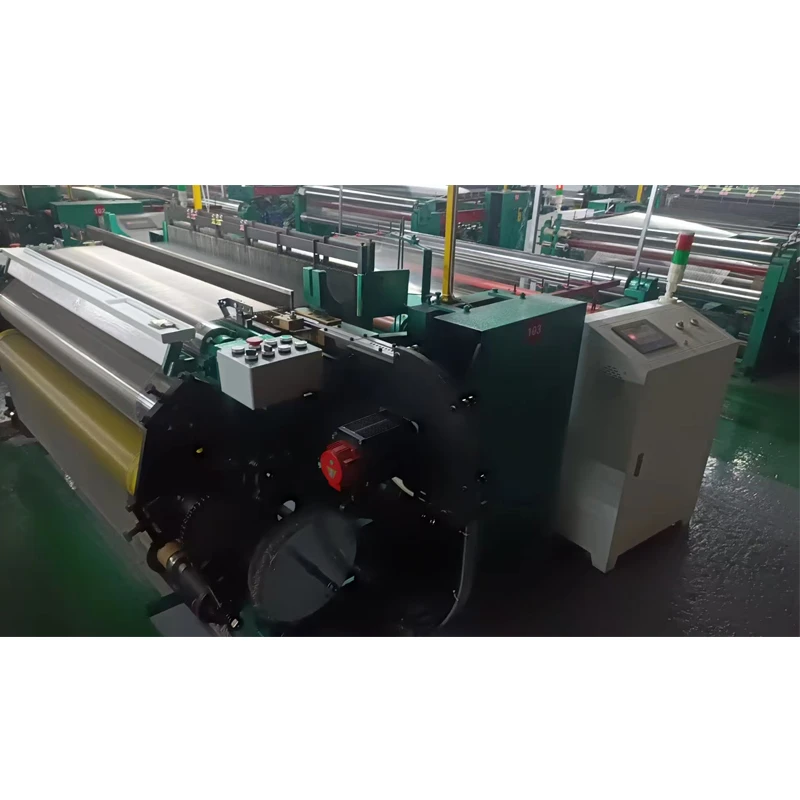
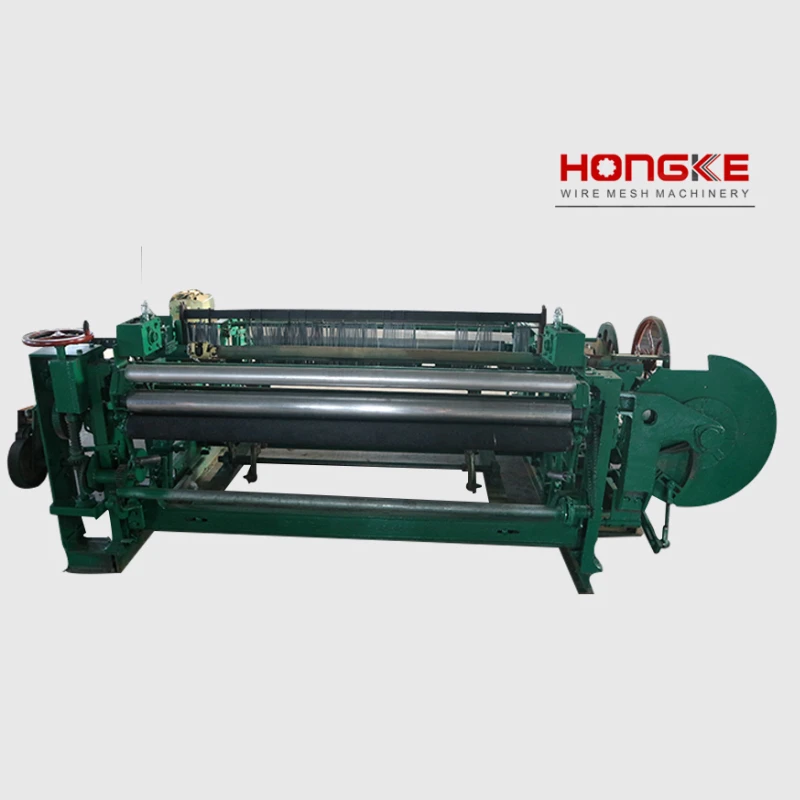
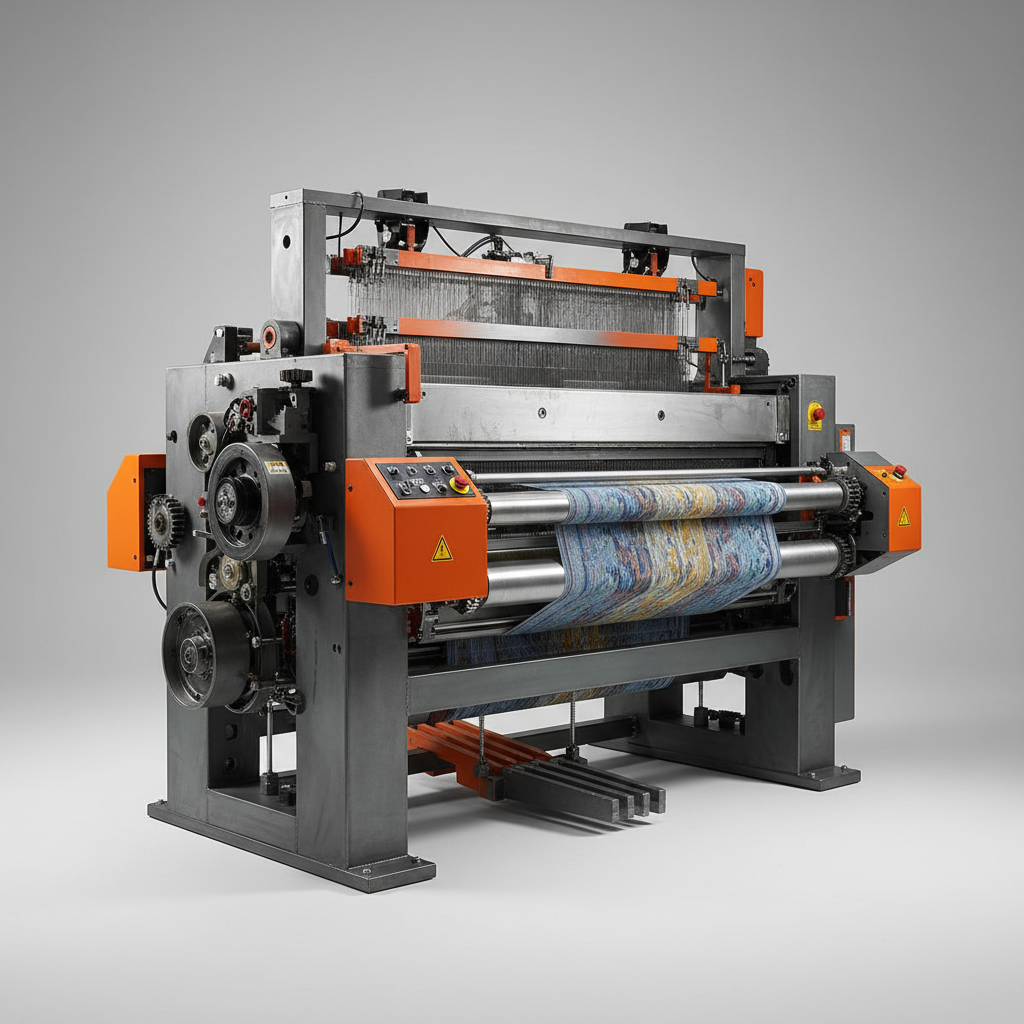
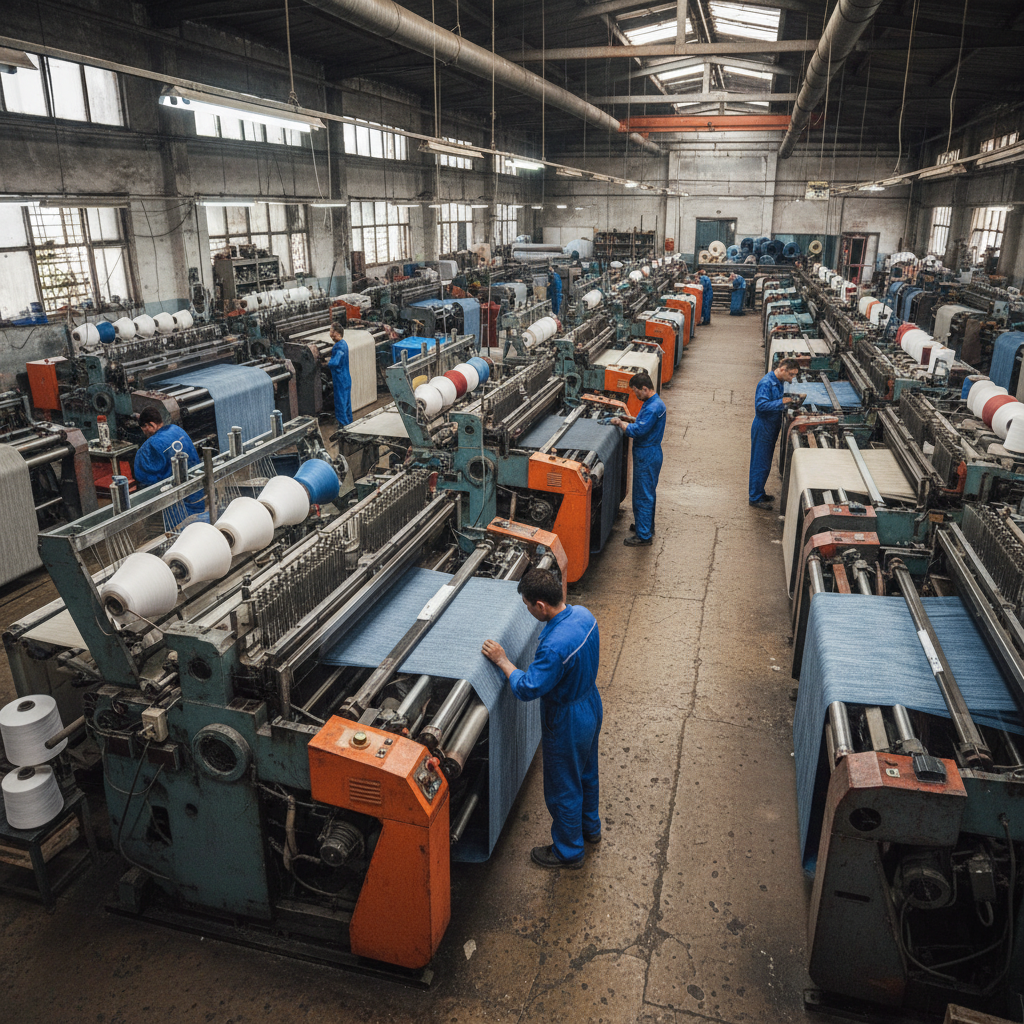
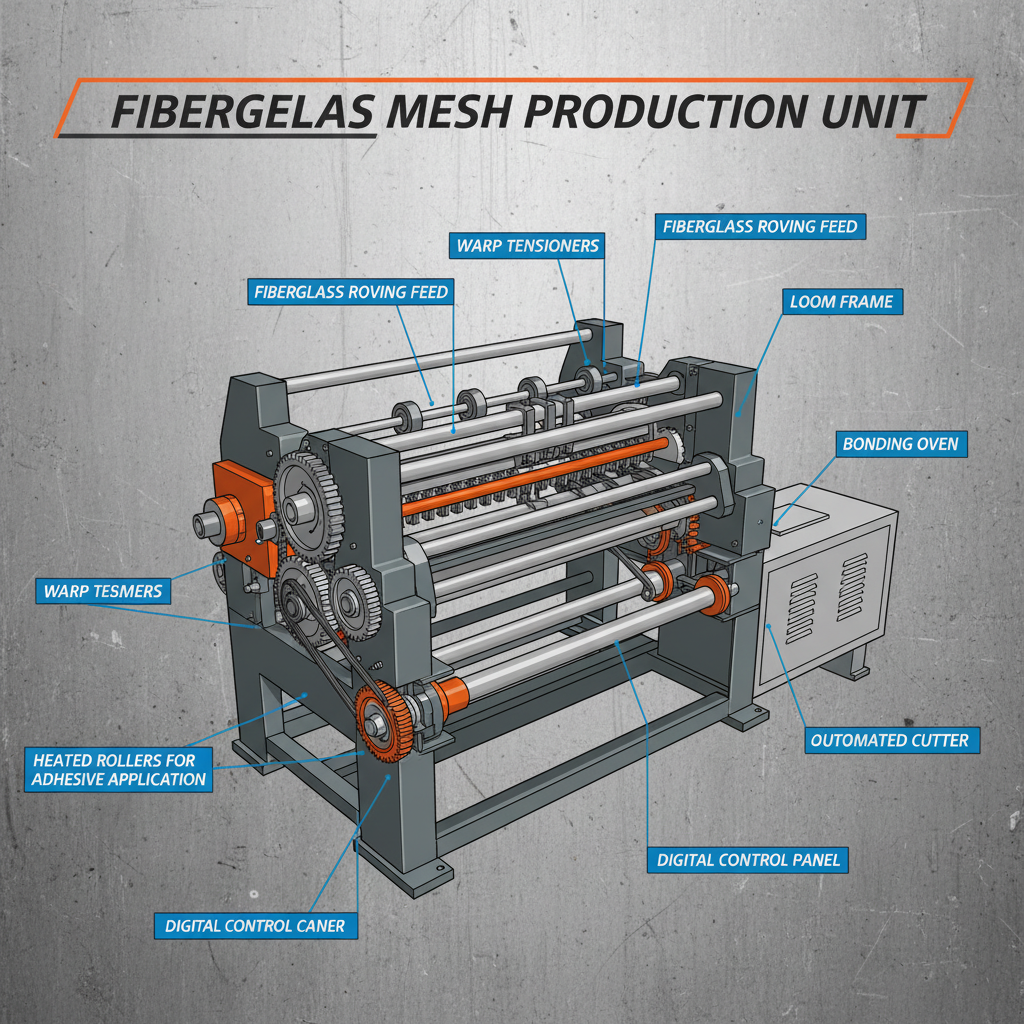
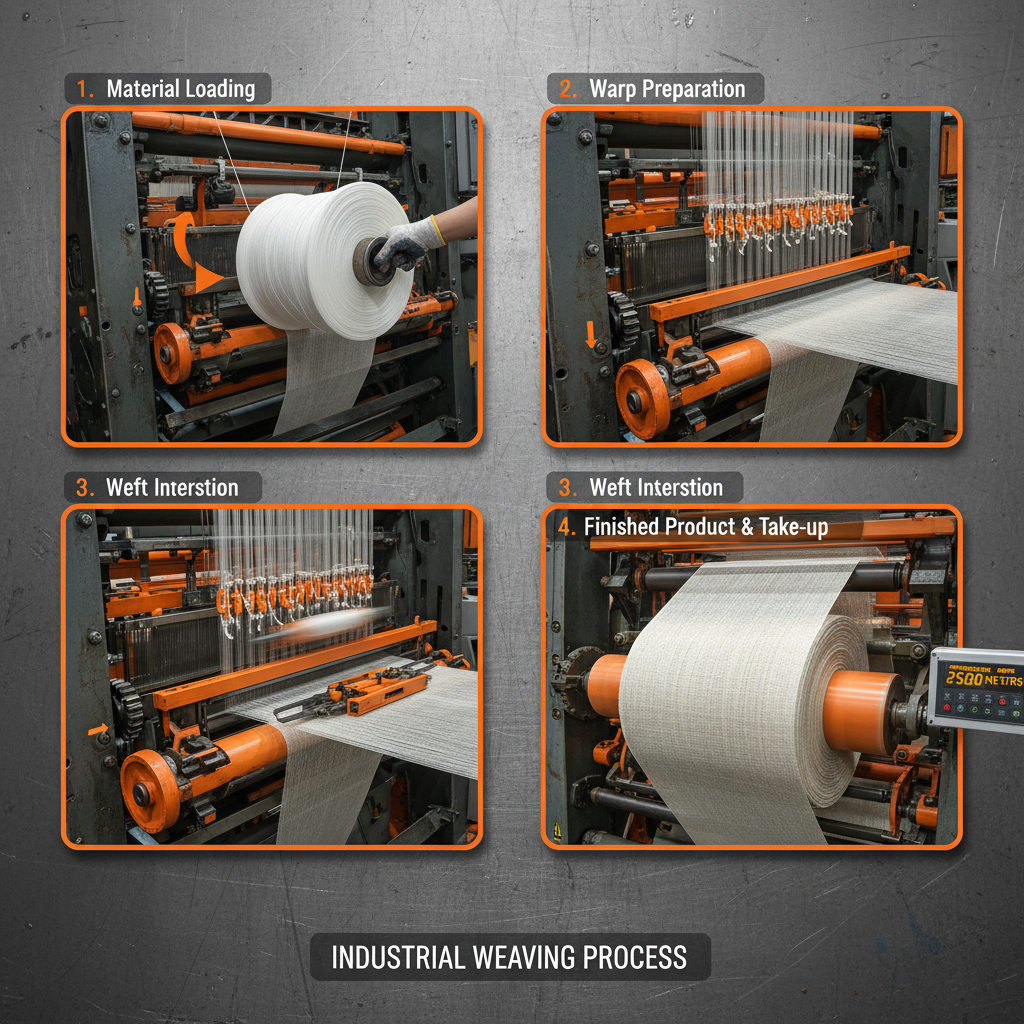
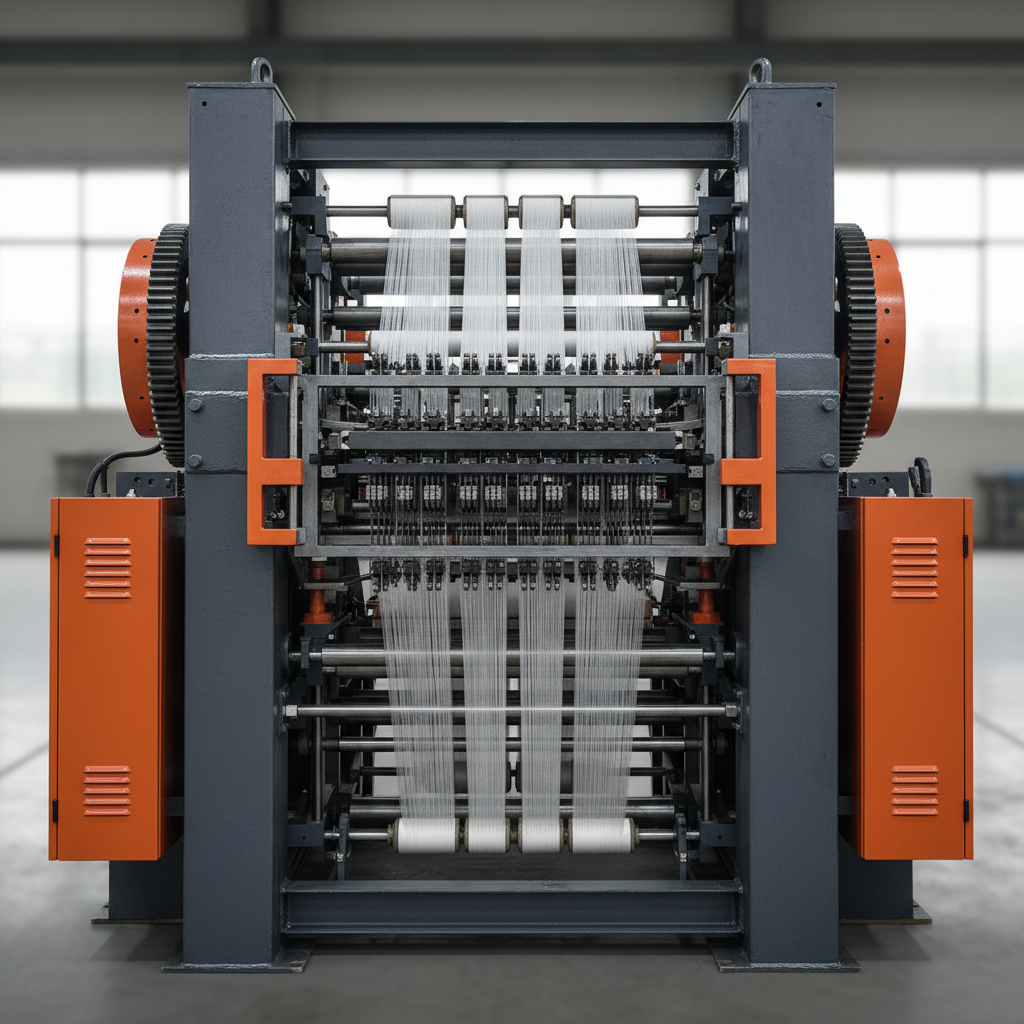
Modern mosquito net machine systems have evolved from simple looms to fully automated industrial powerhouses. Today's machinery utilizes PLC (Programmable Logic Controller) systems to manage tension and weave density with micron-level precision. This automation reduces human error, minimizes fabric waste, and significantly increases the output per hour. By integrating high-speed shuttles and advanced electronic sensors, these machines can handle various raw materials, from traditional polyester to reinforced fiberglass, ensuring that the resulting mesh is both durable and breathable.
Technical Insight: High-speed automation in netting machines allows for the production of "no-see-um" mesh, which features a tighter weave to block even the smallest insects without sacrificing airflow.
Optimizing Yield with the Right Mosquito Net Machine
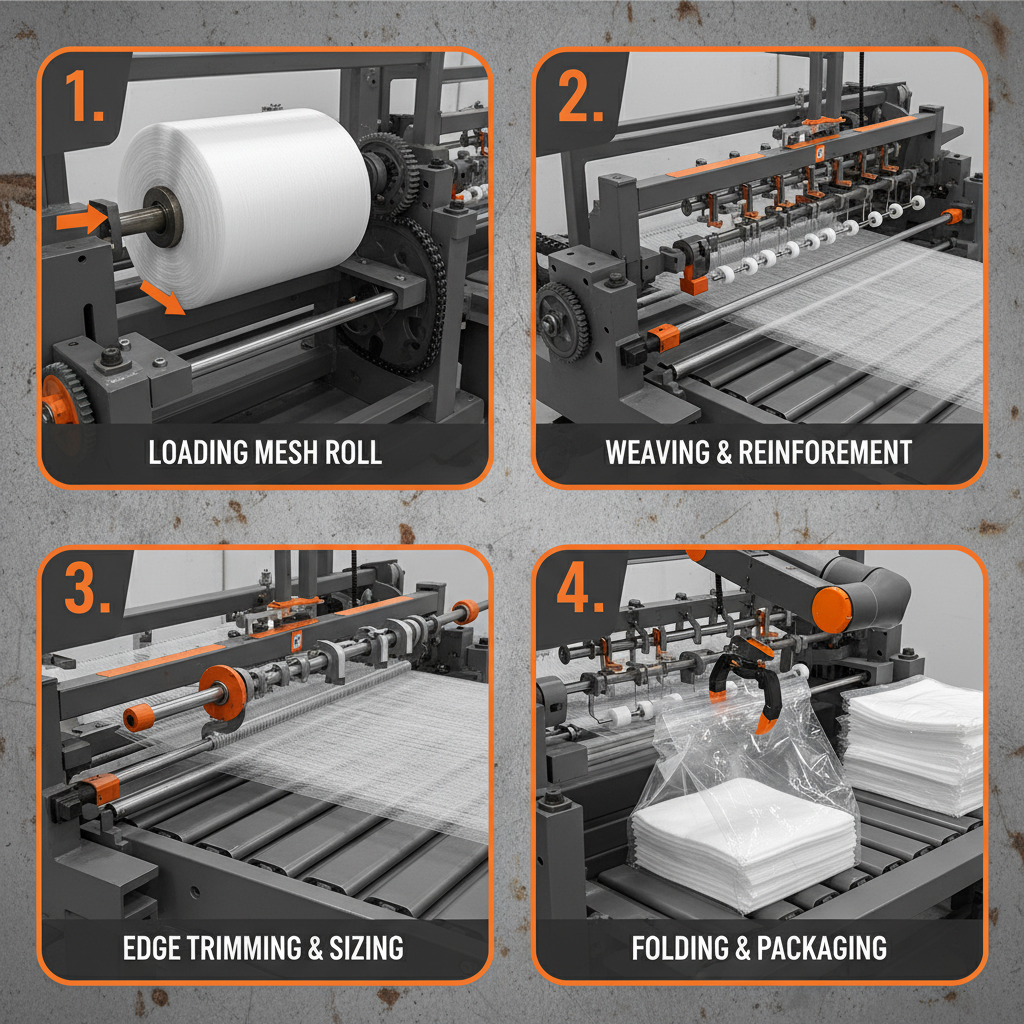
Efficiency in textile production is measured by the ratio of raw material to finished product. A top-tier mosquito net machine optimizes this yield through precise edge control and synchronized winding systems. When the tension is perfectly calibrated, the fabric avoids sagging or over-stretching, which prevents defects and costly re-works. For businesses looking to scale, the ability to switch between different mesh sizes quickly is a competitive advantage, allowing for a diverse product catalog including window screens, bed nets, and outdoor patio enclosures.
Comparative Analysis: Manual vs. Automated Mosquito Net Machine
For many entrepreneurs, the transition from manual or semi-automatic setups to a fully automated mosquito net machine is a turning point. While manual machines have lower upfront costs, they cannot compete with the consistency and volume of automated systems. Automated machines provide a standardized hole size across the entire roll, which is critical for meeting international health and safety certifications for insect prevention.
Key Applications of the Mosquito Net Machine in Global Trade
The versatility of a high-grade mosquito net machine extends far beyond simple bed nets. In the current trade climate, there is a significant demand for industrial-grade screening used in food processing plants to keep pests out of sterile environments. Additionally, the rise of sustainable architecture has increased the need for large-scale, durable insect screens for eco-resorts and greenhouses. By utilizing a multi-functional machine, manufacturers can pivot their production to meet these various niche markets, ensuring a steady revenue stream regardless of seasonal fluctuations.
Technical Specifications of the Premium Mosquito Net Machine
When selecting a mosquito net machine, understanding the technical specifications is crucial for ensuring the equipment matches your production goals. Key metrics include the weaving width, the maximum speed of the shuttle, and the power consumption. A machine that offers a wide adjustable width allows for the production of everything from narrow strips to wide curtains. Below are the typical specifications for an industry-leading automated netting system:
Conclusion: Future-Proofing Your Netting Business
Choosing a professional mosquito net machine is more than just a purchase; it is a strategic investment in the health and comfort of people worldwide. By prioritizing automation, precision, and versatility, manufacturers can reduce operational costs while increasing the quality of their mesh. As global demand continues to rise, those who utilize the most advanced machinery will lead the market in efficiency and profitability. Invest in the right technology today to ensure a sustainable and scalable tomorrow.
Frequently Asked Questions (FAQs)
How do I maintain a mosquito net machine for long-term use?
Regular maintenance is essential for preventing downtime. First, ensure that all moving parts are lubricated weekly to reduce friction and wear. Second, clean the machine of lint and fiber debris daily, as these can clog sensors or interfere with the weave. Third, calibrate the tension settings periodically to ensure fabric consistency. Finally, check the electrical connections and the PLC software for updates. Following a strict maintenance schedule can extend the life of your machine by several years and keep production speeds at their peak.
Can one machine handle different types of netting materials?
Yes, most professional-grade machines are designed for versatility. By adjusting the tension settings and swapping the shuttle components, a single mosquito net machine can typically process polyester, nylon, and fiberglass yarns. However, it is important to ensure that the material's thickness is compatible with the machine's specified range. High-end models feature quick-change systems that allow operators to switch materials with minimal downtime, making them ideal for businesses with a diverse product line.
What is the average return on investment (ROI) for automated netting machinery?
While the initial cost of an automated machine is higher than a manual one, the ROI is typically realized within 12 to 24 months. This is achieved through three main factors: a drastic reduction in labor costs, a significant increase in daily output, and a decrease in material waste. Additionally, the higher quality of the finished product allows manufacturers to charge a premium price and enter more lucrative export markets. When factoring in the reduction of defective products, the automated system becomes the most cost-effective choice for any growth-oriented business.
How do I choose the right mesh size for my production?
Choosing the mesh size depends entirely on your target market. For bed nets in malaria-prone regions, a tighter weave is required to block smaller insects. For home window screens, a balance between visibility, airflow, and insect blocking is key. A versatile mosquito net machine allows you to adjust the weave density via the PLC panel. We recommend analyzing your local market demand and producing a variety of samples to test the effectiveness of different hole sizes before committing to large-scale production runs.