


Understanding the Industrial Weaving Machine Landscape
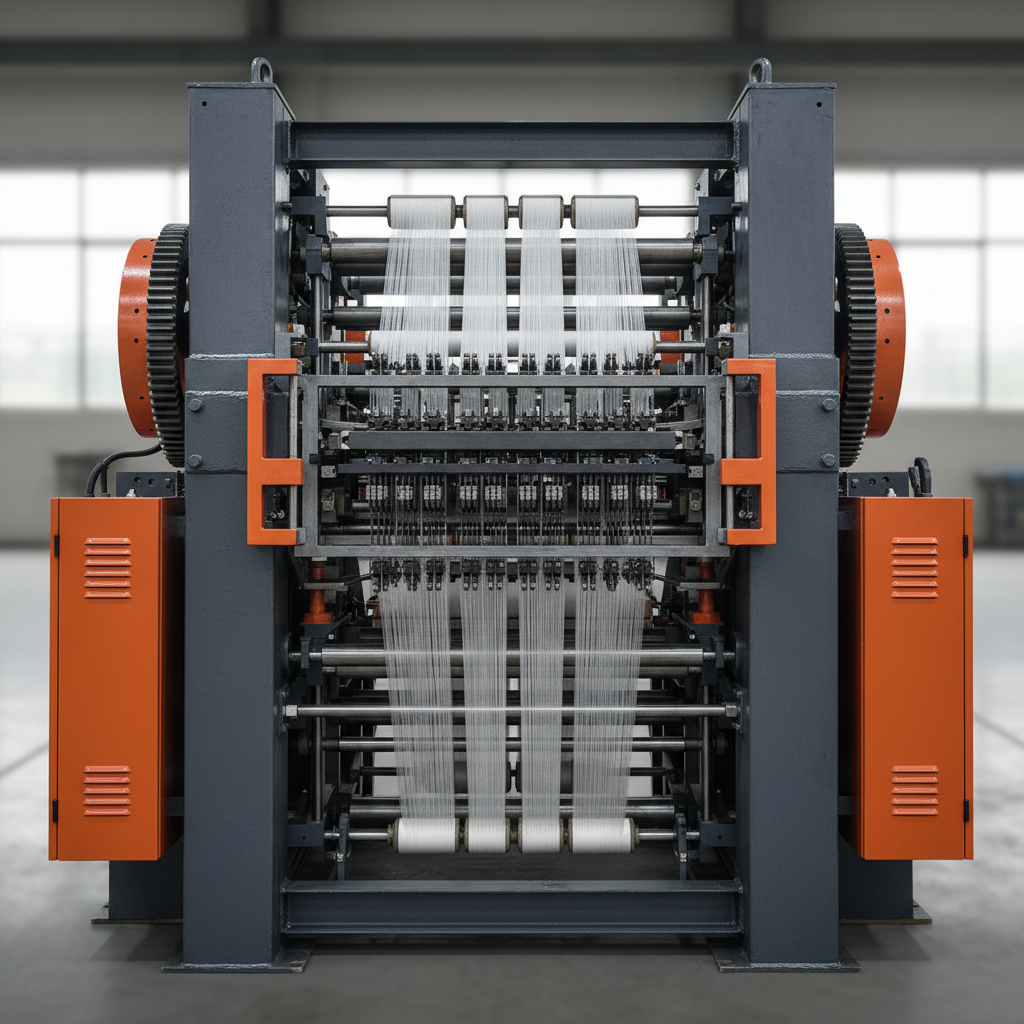
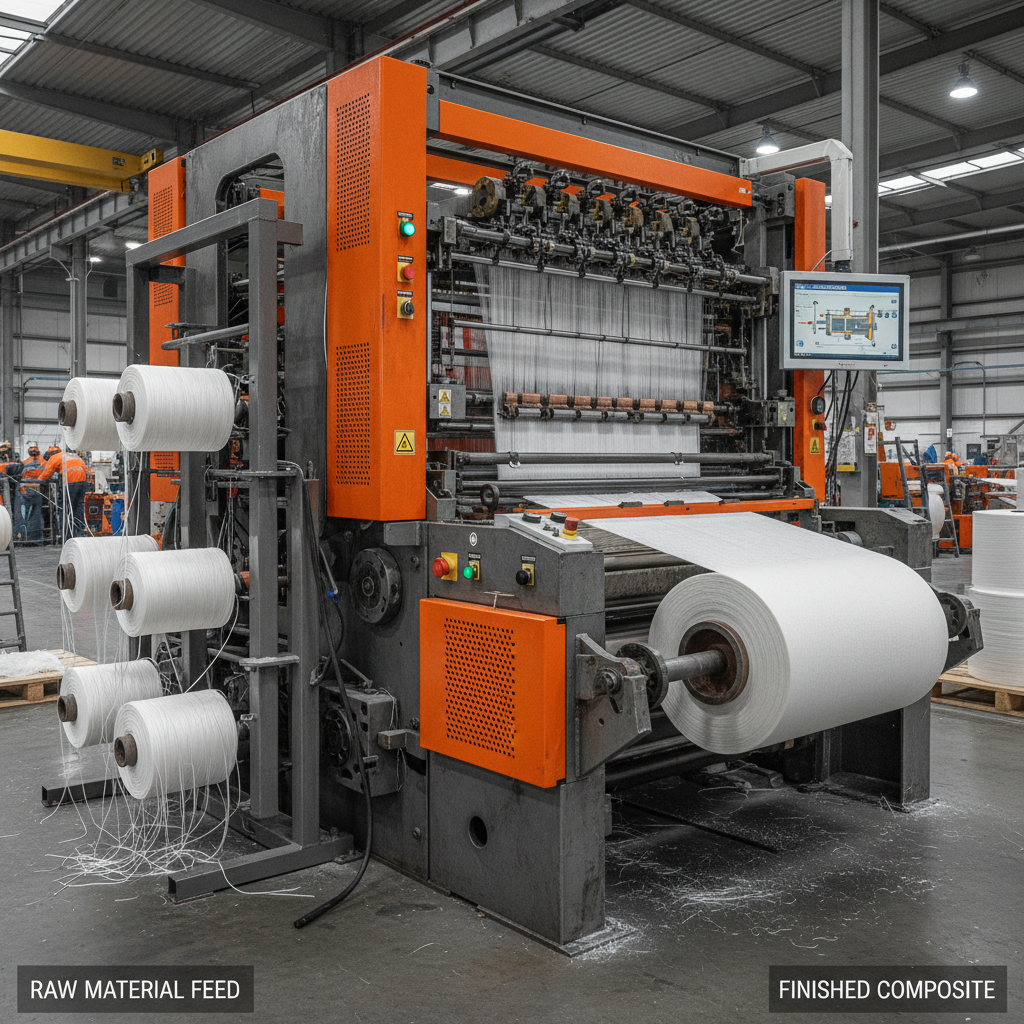
In the dynamic world of textile production, the industrial weaving machine stands as a cornerstone of efficiency and innovation. From producing robust materials for industrial applications to crafting intricate fabrics for apparel, these machines are vital. This article delves into the various aspects of industrial weaving machines, exploring their types, applications, technological advancements, and key considerations for businesses looking to invest. We'll cover everything from basic principles to the latest innovations, providing a comprehensive overview for anyone involved in textile manufacturing.
Types of Industrial Weaving Machines
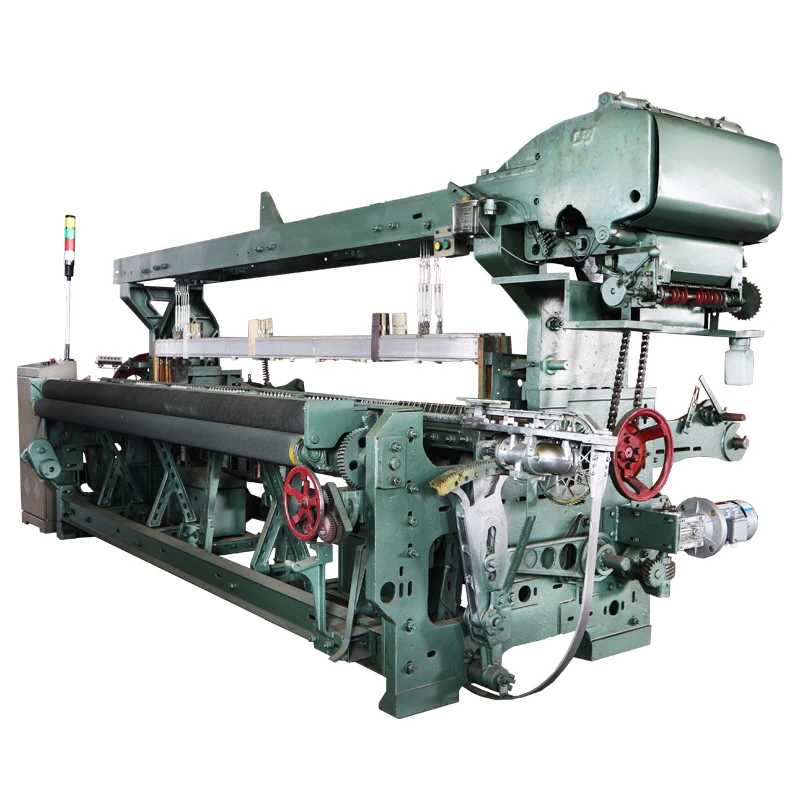
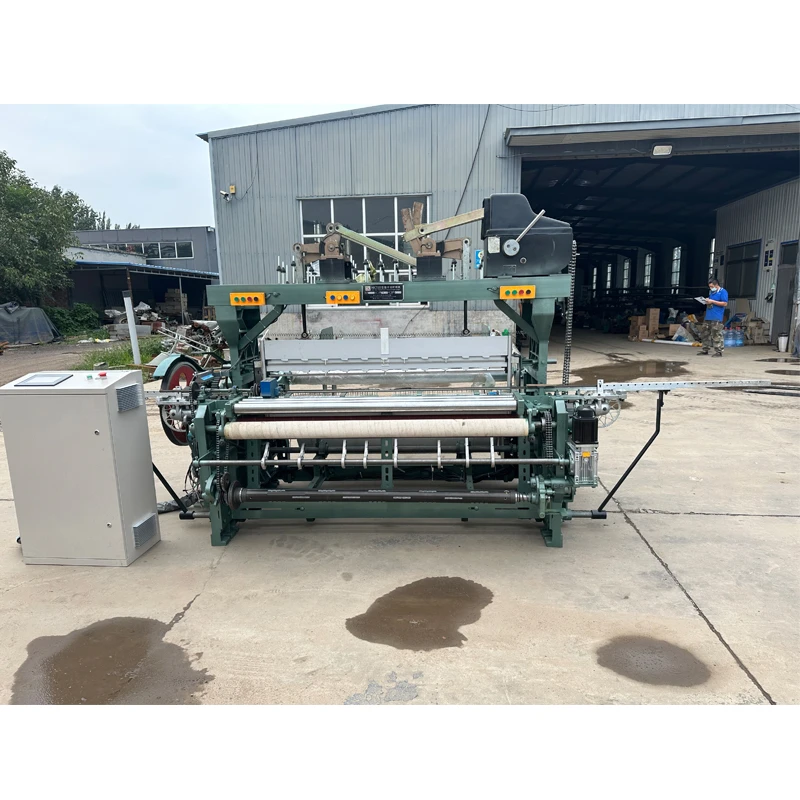
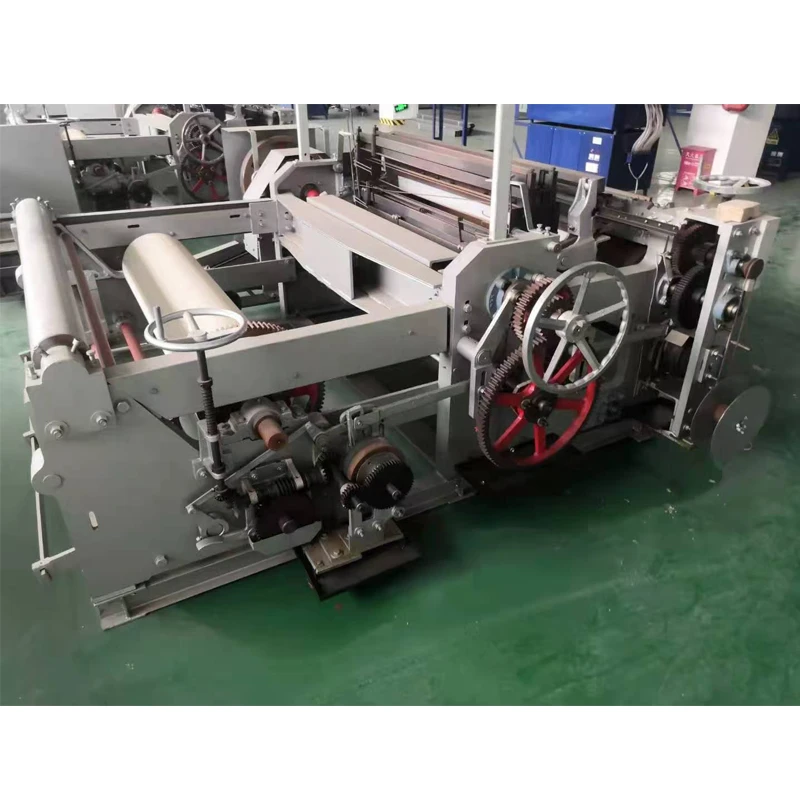
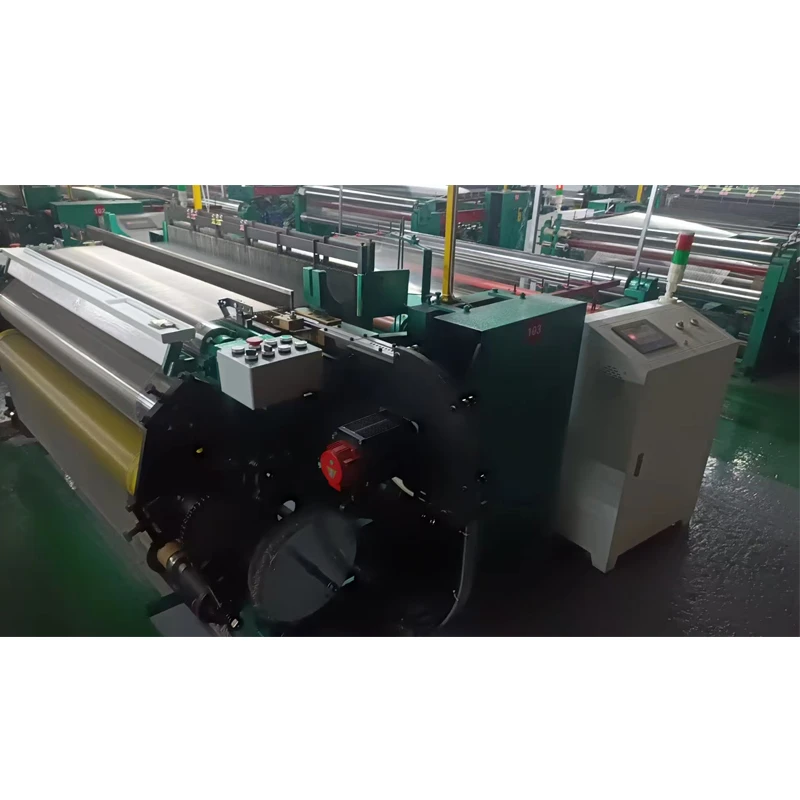
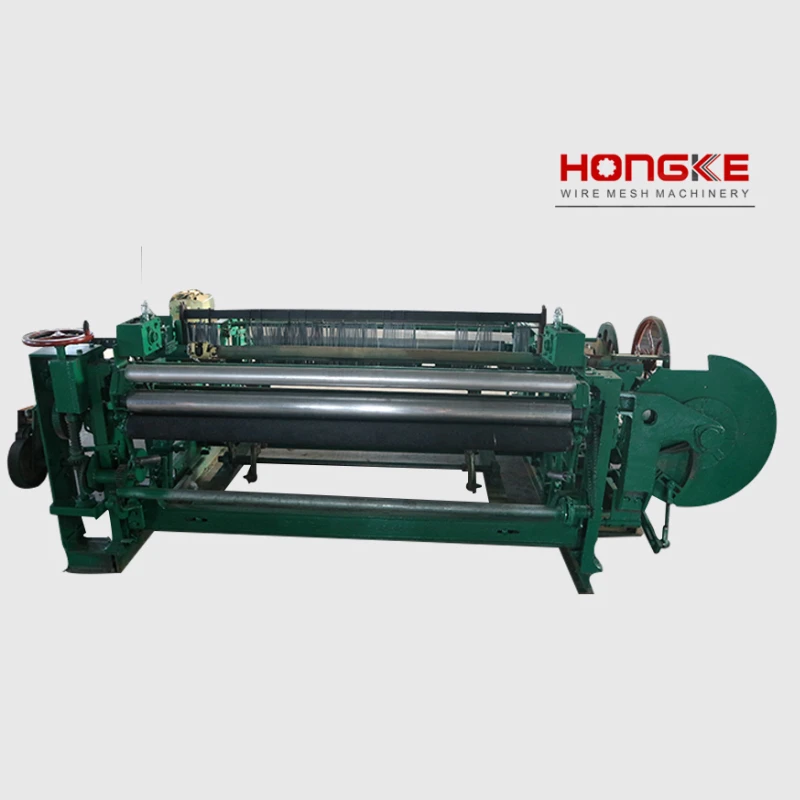
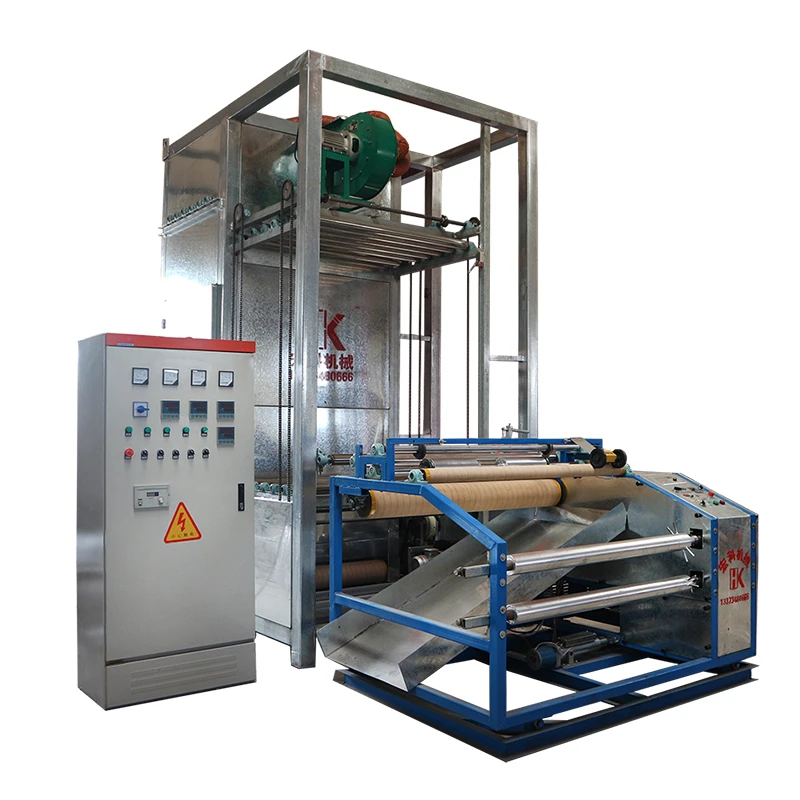
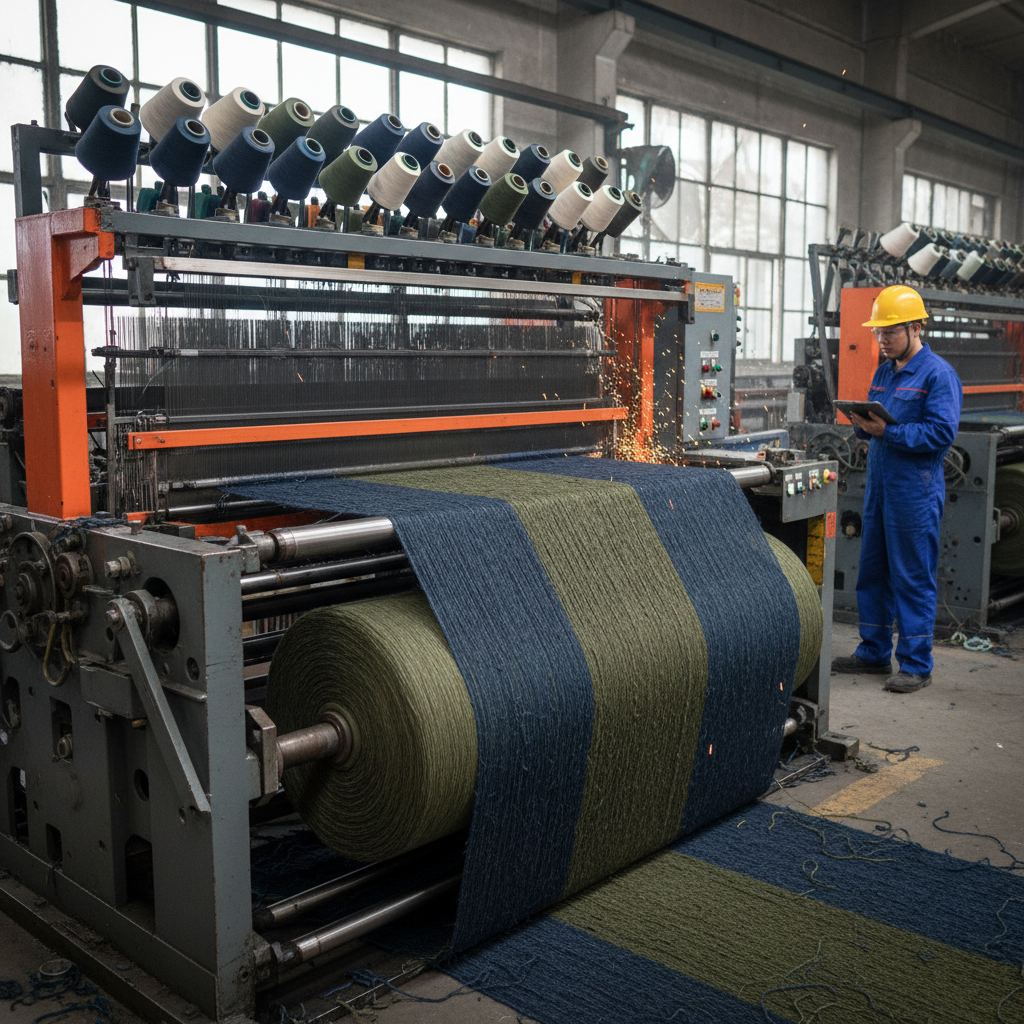
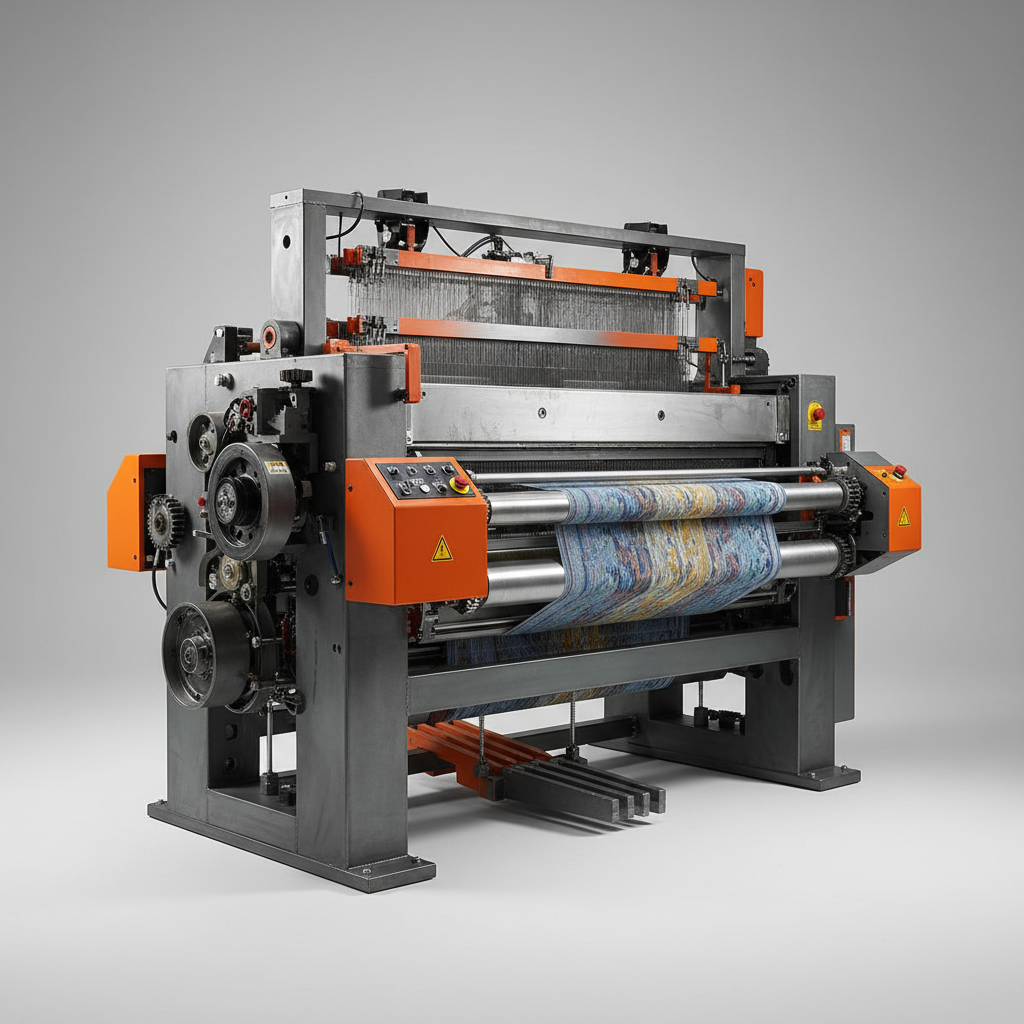
The industrial weaving machine market encompasses a wide range of designs, each suited to specific fabric types and production needs. Common types include shuttle looms, rapier looms, air-jet looms, and water-jet looms. Shuttle looms are traditional and versatile but generally slower. Rapier looms offer higher speeds and the ability to weave complex patterns. Air-jet and water-jet looms are known for their high production rates, particularly with synthetic fibers. Understanding the strengths and weaknesses of each type is crucial when selecting a machine for your operation. HK Mesh Machine specializes in delivering a diverse array of solutions to meet varied weaving demands.
Key Highlights: Modern weaving machines are increasingly incorporating automation, advanced sensors, and computer control systems for enhanced precision and efficiency.
Applications Across Industries
Industrial weaving machines are essential across numerous sectors. The automotive industry utilizes woven fabrics for upholstery, airbags, and tire cords. The construction industry relies on woven materials for geotextiles, reinforcement fabrics, and protective coverings. Apparel manufacturers depend on weaving machines for producing a vast range of fabrics, from cotton to synthetic blends. Furthermore, specialized applications include the production of filters, medical textiles, and industrial packaging. The adaptability of weaving machines allows them to meet the diverse needs of these industries.
Application Sectors:
• Automotive Industry
• Construction Industry
• Apparel Manufacturing
• Medical Textile Production
Weaving Machine Industrial: Key Features and Technologies
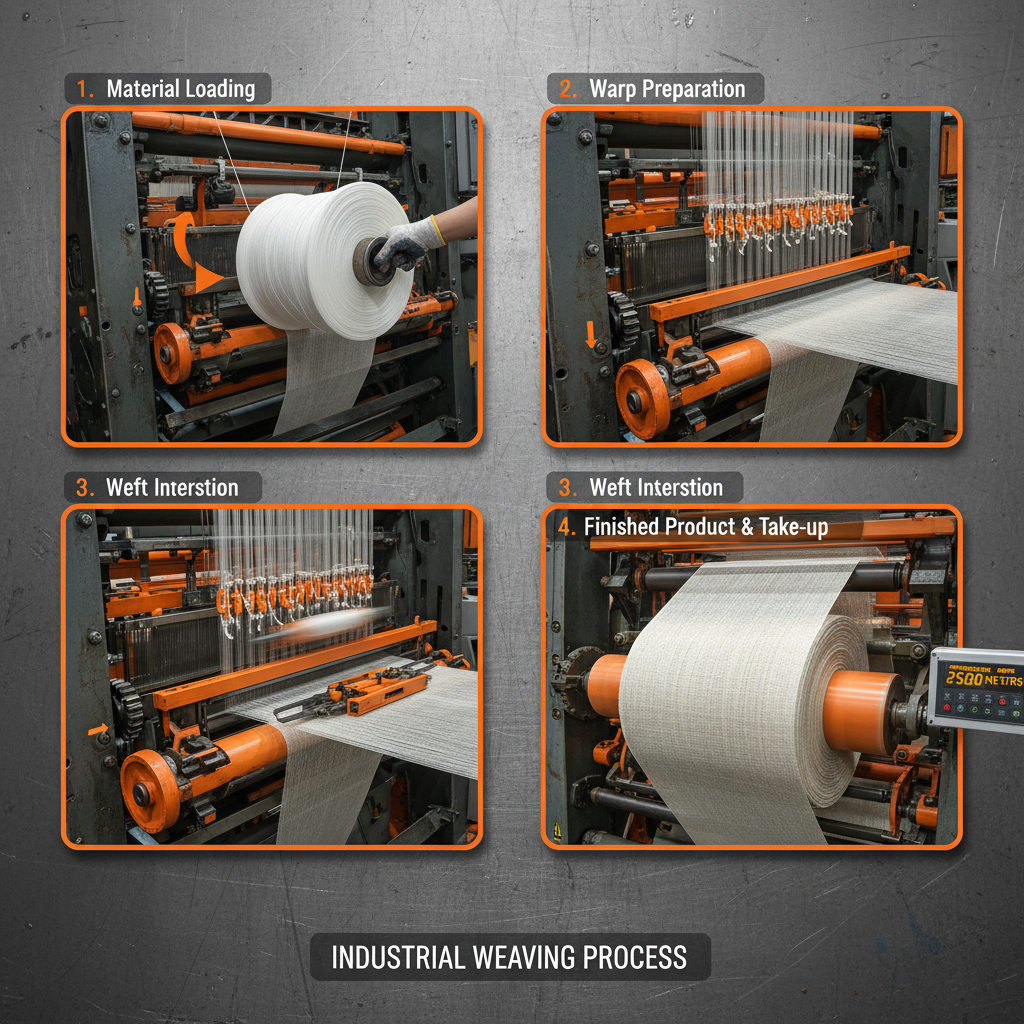
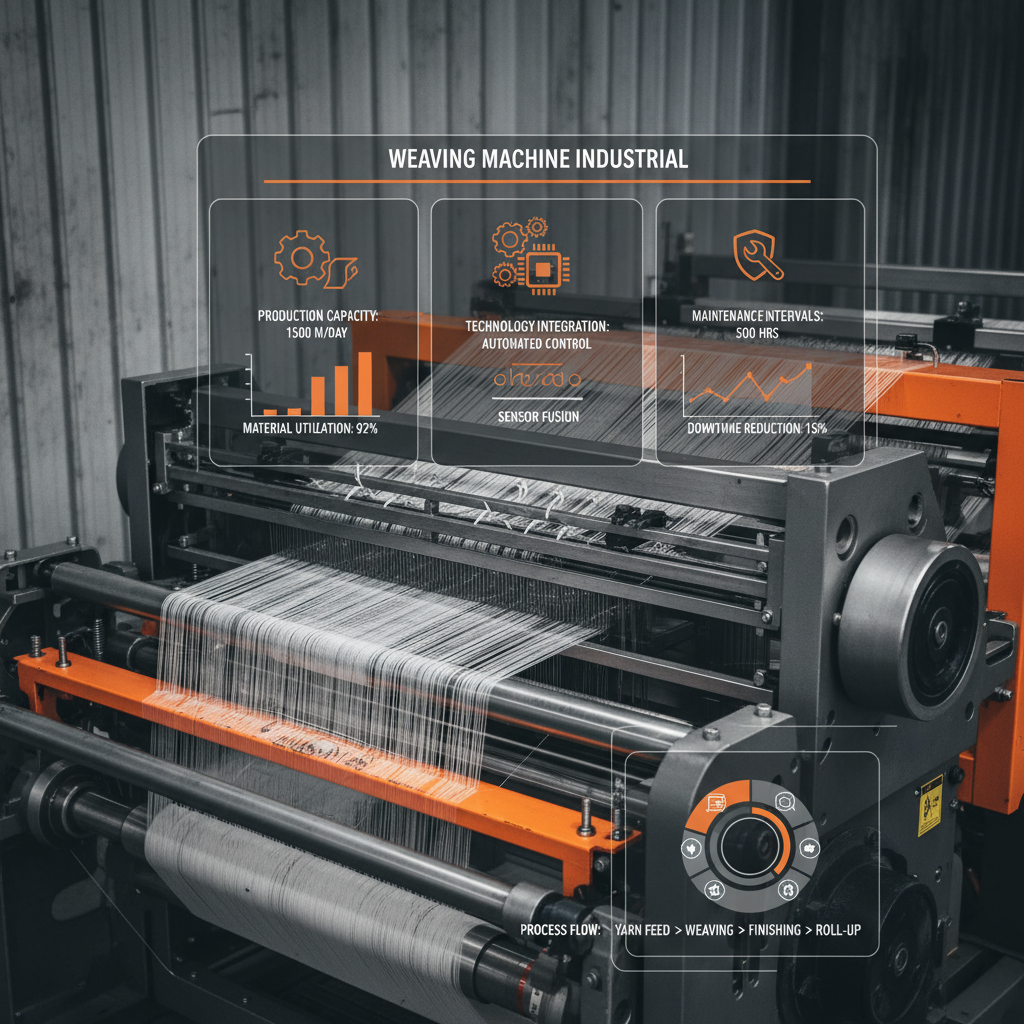
Modern weaving machine industrial models boast a range of advanced features. Electronic take-up systems ensure consistent fabric density. Dobby and Jacquard mechanisms enable the creation of intricate patterns. Automated fault detection systems minimize downtime and reduce waste. Furthermore, many machines are now equipped with programmable logic controllers (PLCs) for precise control and flexibility. These technological advancements contribute to increased productivity, improved fabric quality, and reduced operating costs.
Factors to Consider When Purchasing a Weaving Machine
Selecting the right weaving machine requires careful consideration of several factors. Fabric type, production volume, budget, and available space are all important. It’s essential to assess your specific needs and choose a machine that aligns with your business goals. Consider the cost of maintenance, spare parts availability, and the level of technical support provided by the manufacturer. HK Mesh Machine offers expert guidance to help you make an informed decision.
Future Trends in Industrial Weaving Technology
The future of industrial weaving is driven by innovation. We are seeing a growing trend towards intelligent machines equipped with AI-powered sensors and predictive maintenance capabilities. Sustainable weaving practices, utilizing recycled materials and reducing energy consumption, are also gaining prominence. Furthermore, the integration of 3D weaving technology promises to revolutionize the production of complex structures. These advancements will lead to greater efficiency, reduced costs, and more sustainable textile manufacturing processes.
Conclusion: Investing in the Future of Weaving
Investing in a modern industrial weaving machine is crucial for businesses seeking to remain competitive in the evolving textile industry. By carefully considering your needs, exploring the latest technologies, and partnering with a reputable supplier like HK Mesh Machine, you can optimize your production processes and achieve sustainable growth. Embrace innovation and invest in the future of weaving.
Frequently Asked Questions (FAQs)
What is the typical payback period for an industrial weaving machine?
The payback period varies depending on factors such as the machine's cost, production volume, labor savings, and fabric selling price. However, a well-chosen machine can typically pay for itself within 3-7 years. Increased production capacity, reduced waste, and lower labor costs contribute to a faster return on investment. Conducting a thorough cost-benefit analysis is crucial before making a purchase.
What level of technical expertise is required to operate and maintain these machines?
While modern weaving machines are increasingly automated, some level of technical expertise is still required for operation and maintenance. Training programs offered by machine manufacturers, like HK Mesh Machine, can equip operators with the necessary skills. Routine maintenance tasks can often be performed by trained technicians, while more complex repairs may require specialized engineers.
How can I minimize downtime and maximize machine uptime?
Preventive maintenance is key to minimizing downtime. Regularly inspect and lubricate moving parts, replace worn components, and follow the manufacturer's recommended maintenance schedule. Implement a robust fault detection system and train operators to identify and address minor issues promptly. Keeping a stock of essential spare parts on hand can also reduce repair times.

Pervious