


Fiberglass Wrapping Machine: A Comprehensive Guide
In the realm of packaging and industrial applications, the efficient and secure wrapping of fiberglass products is paramount. A fiberglass wrapping machine is designed to automate this process, ensuring product integrity, reducing labor costs, and streamlining operations. This article delves into the world of fiberglass wrapping machines, exploring their types, benefits, applications, and key considerations for choosing the right solution. We will explore how these machines contribute to efficient fiberglass handling and improved production workflows.
Understanding Fiberglass Wrapping Machines
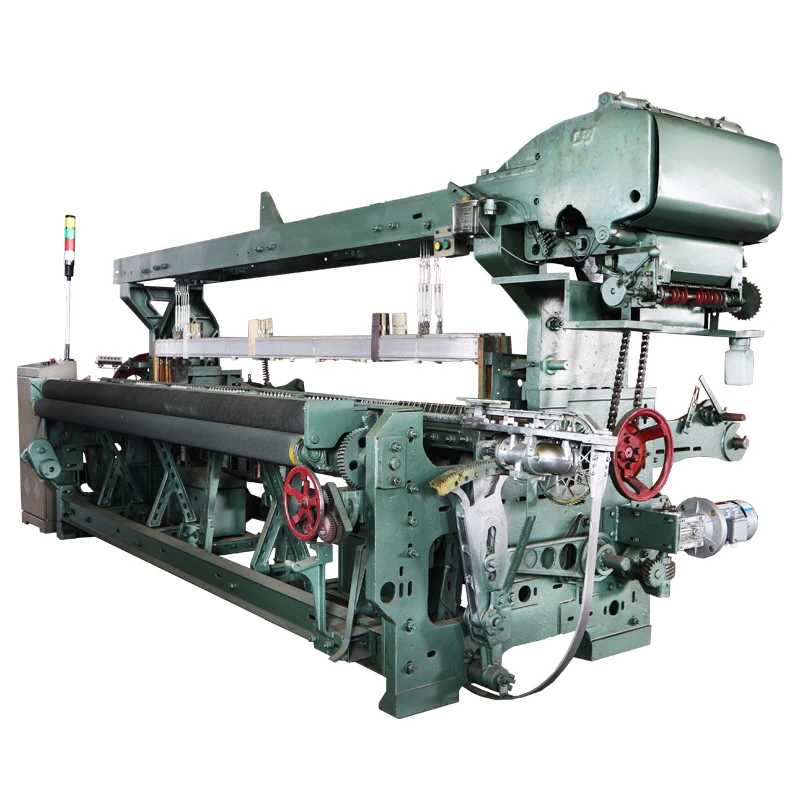
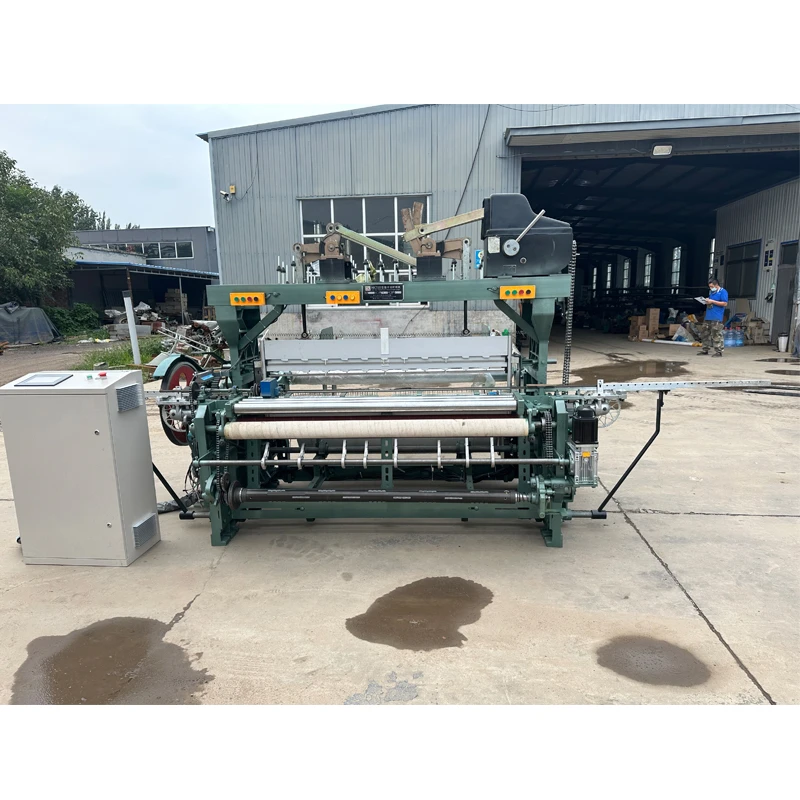
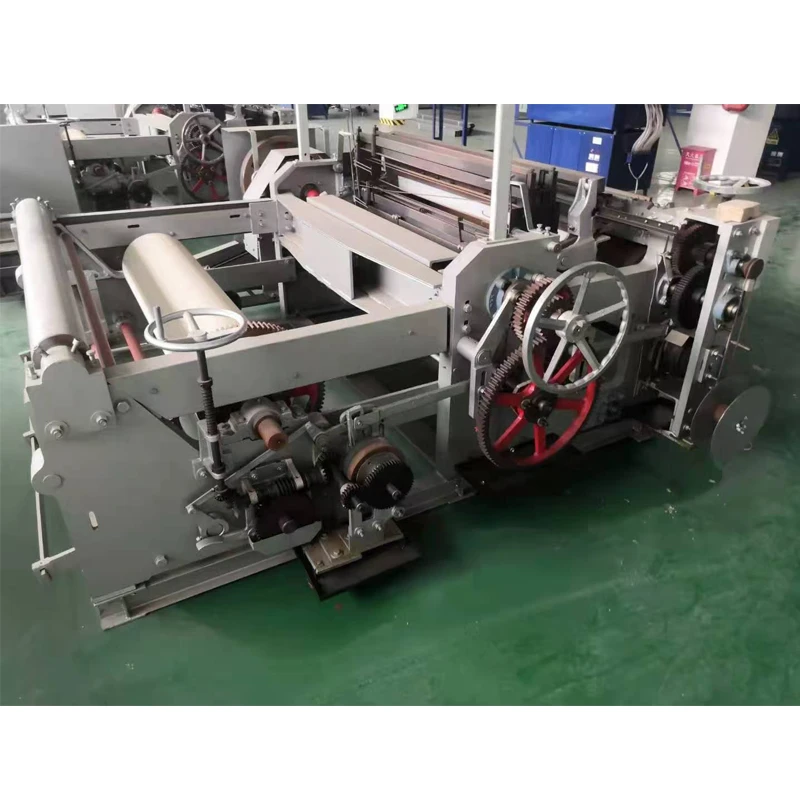
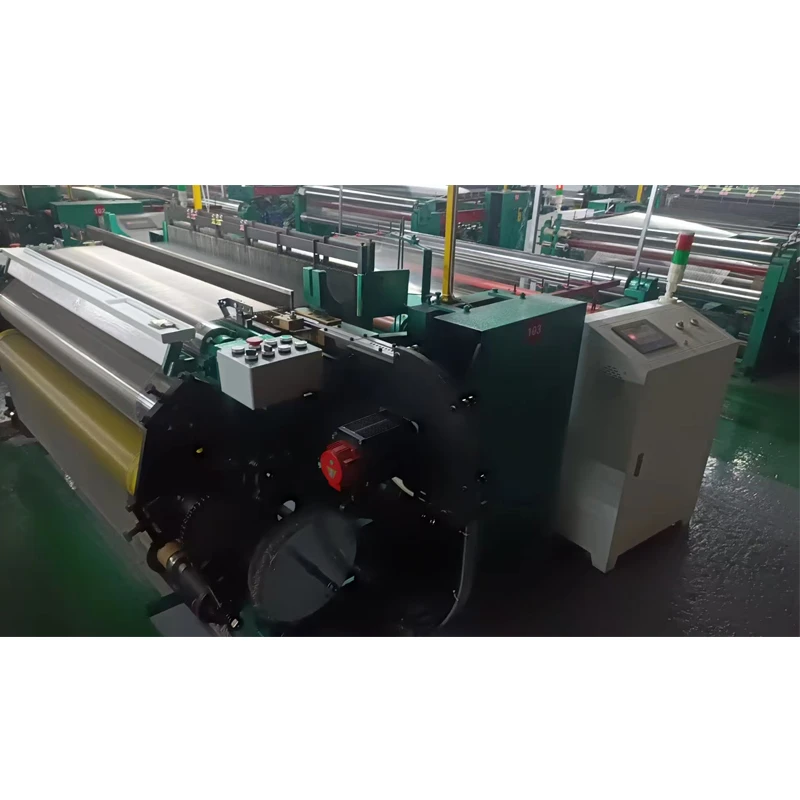
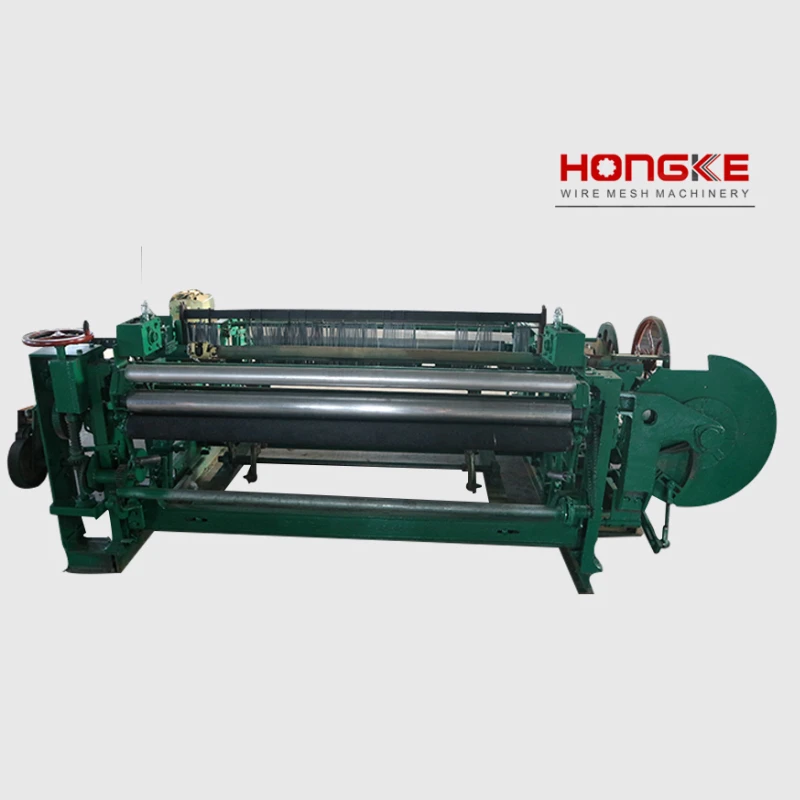
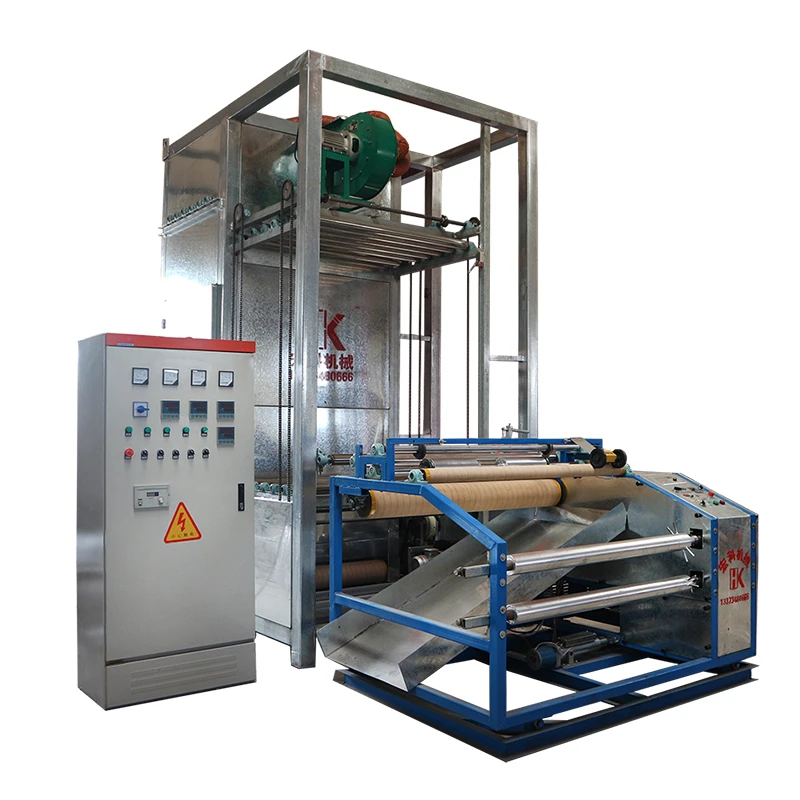
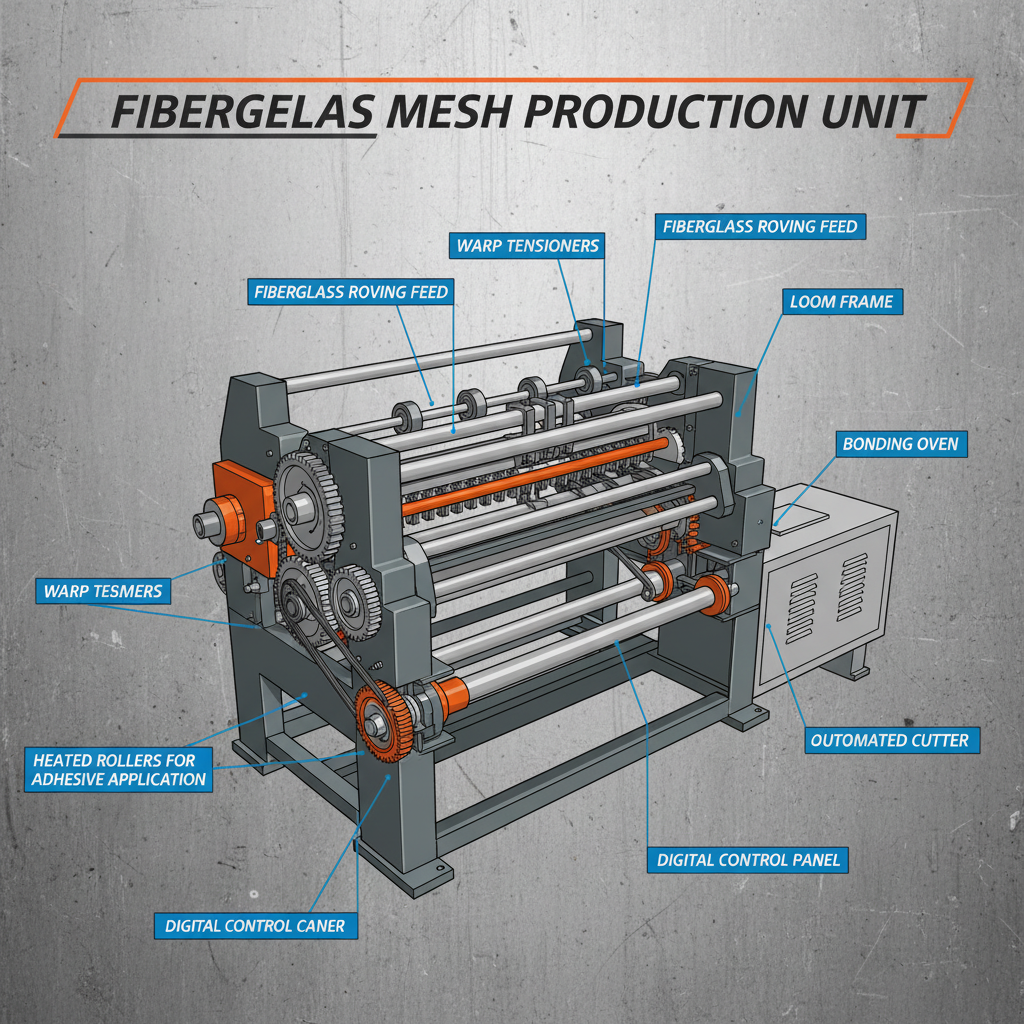
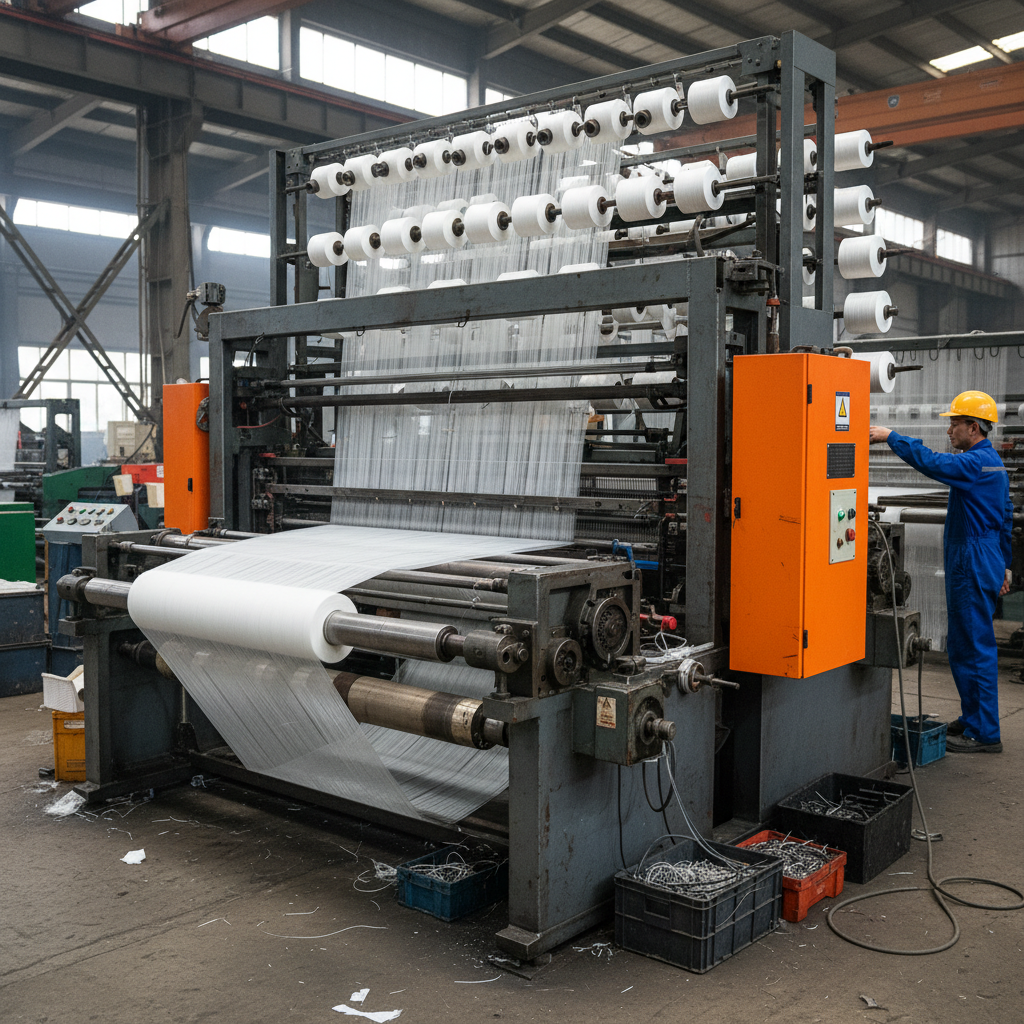
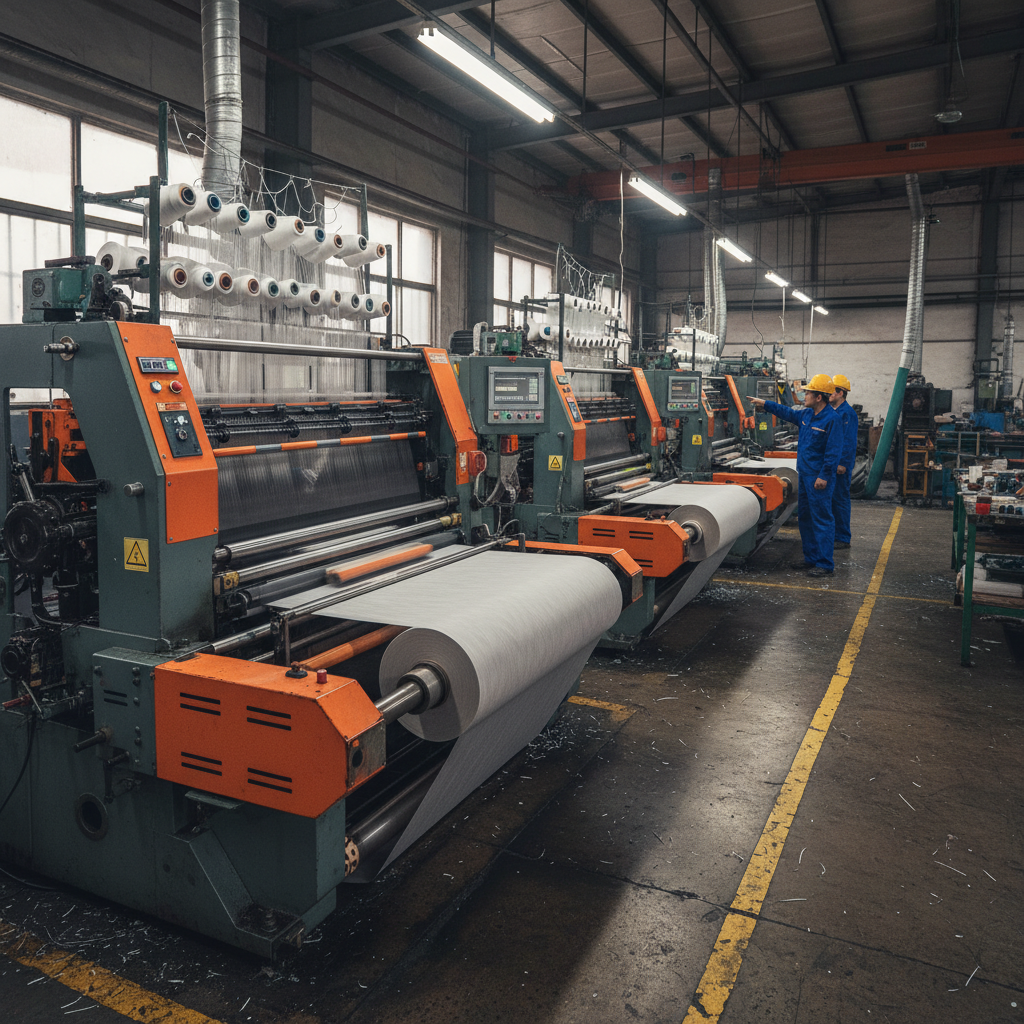
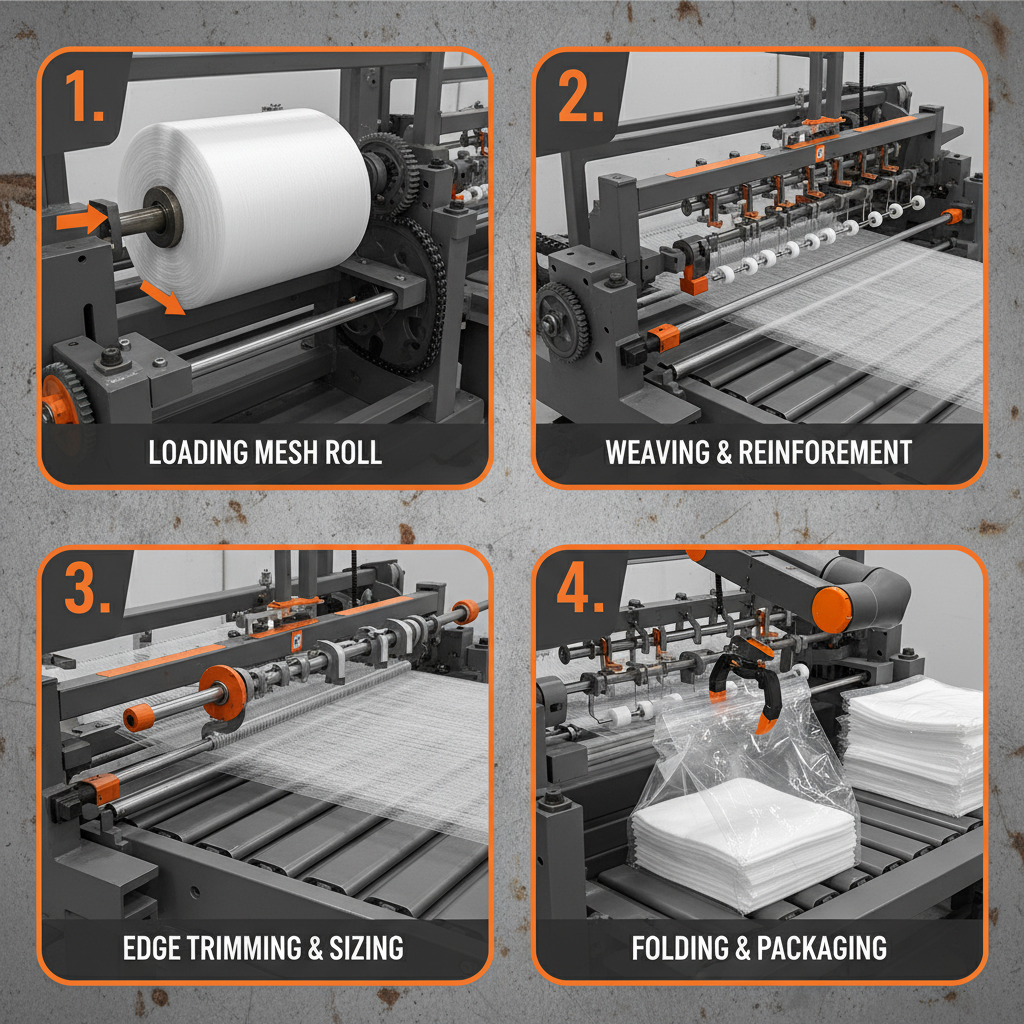
Fiberglass wrapping machines are specialized equipment utilized to enclose fiberglass products in protective materials like polyethylene (PE) film, shrink film, or other suitable wrapping solutions. These machines come in various configurations, ranging from semi-automatic models requiring operator intervention to fully automated systems capable of handling high-volume production. The primary purpose is to shield the fiberglass from damage during transit, storage, and handling, while also providing a professional and secure presentation. The choice of wrapping material often depends on the specific application and level of protection required. A well-maintained fiberglass wrapping machine is an investment in quality control and customer satisfaction.
Key Benefits: Automate the wrapping process, minimize labor costs, protect fiberglass products from damage, improve product presentation, increase production efficiency.
Types of Fiberglass Wrapping Machines
Several types of fiberglass wrapping machines cater to different production needs. Semi-automatic machines require an operator to load the fiberglass product and initiate the wrapping cycle, while fully automatic machines handle the entire process with minimal human intervention. Horizontal wrapping machines are ideal for long, cylindrical fiberglass components, whereas vertical wrapping machines are suited for various shapes and sizes. Shrink wrapping machines utilize heat to tightly conform the wrapping film around the product, providing a secure and tamper-evident seal. Understanding these distinctions is crucial for selecting the right machine for your specific requirements. HK Mesh Machine provides a diverse range of models to fit various applications.
Machine Type Comparison:
• Semi-Automatic: Lower initial cost, requires operator involvement.
• Fully Automatic: High throughput, minimal labor, higher initial cost.
• Horizontal: Best for long, cylindrical products.
• Vertical: Versatile for various shapes and sizes.
Key Considerations When Choosing a Fiberglass Wrapping Machine
Selecting the appropriate fiberglass wrapping machine requires careful consideration of several factors. Production volume is a primary determinant – high-volume operations necessitate fully automated systems. Product dimensions and shapes dictate the type of machine (horizontal vs. vertical). Wrapping material compatibility ensures the machine can handle the desired film type. Budget constraints influence the choice between semi-automatic and fully automatic models. Finally, future scalability should be considered to accommodate potential growth in production capacity. Consulting with experts at HK Mesh Machine can provide valuable insights into selecting the optimal solution.
Applications of Fiberglass Wrapping Machines
Fiberglass wrapping machines find extensive use across diverse industries. The construction sector relies on these machines to protect fiberglass pipes and profiles during transport. The automotive industry utilizes them for wrapping fiberglass components used in vehicle manufacturing. The marine industry employs them to protect fiberglass hulls and boat parts. Furthermore, these machines are valuable in the production of fiberglass insulation, reinforcing bars, and other composite materials. Effective wrapping ensures product quality and minimizes the risk of damage during shipping and handling.
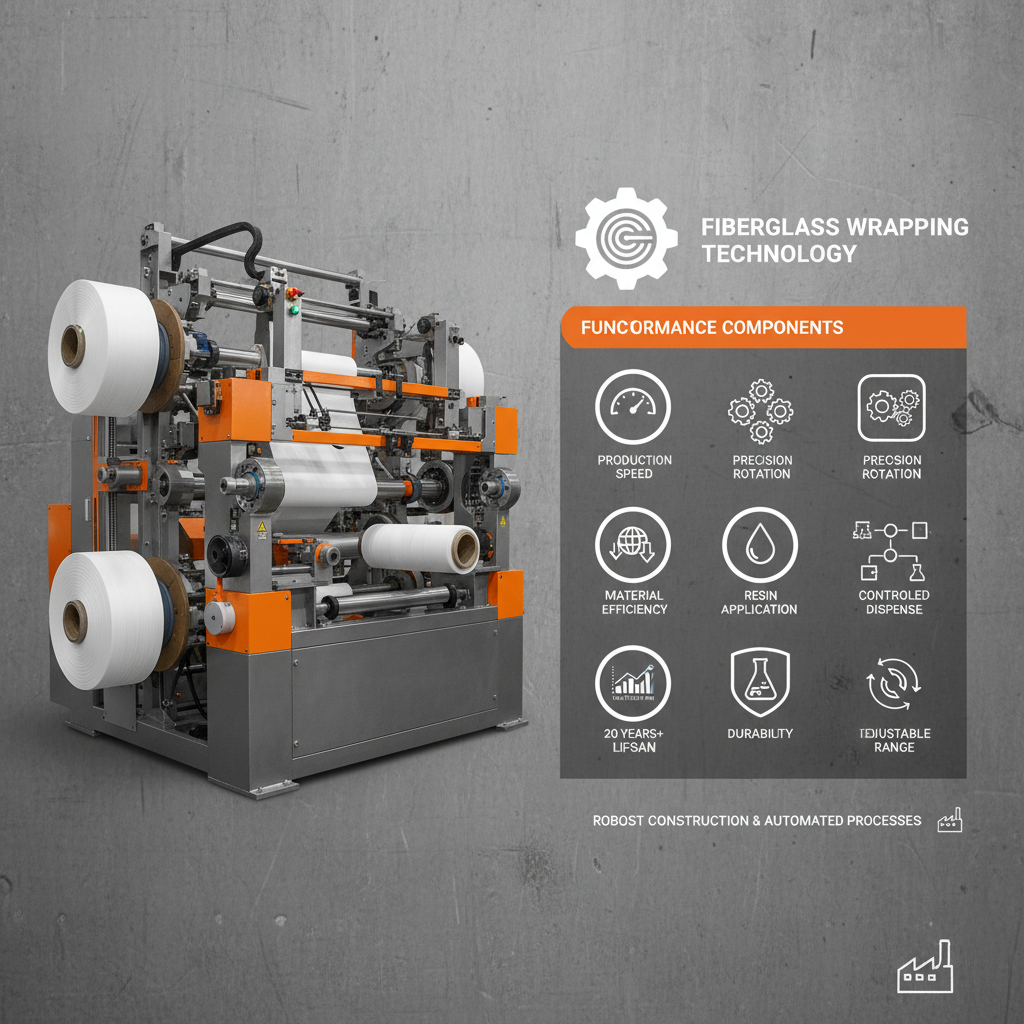
Fiberglass Wrapping Machine Specifications - Example
Below is an example of specifications for a typical fully automatic fiberglass wrapping machine:
Conclusion: Optimizing Your Fiberglass Operations
Investing in a fiberglass wrapping machine is a strategic decision for businesses seeking to enhance efficiency, reduce costs, and ensure product protection. From semi-automatic to fully automated models, a range of solutions are available to meet diverse needs. By carefully considering factors such as production volume, product dimensions, and budget, you can select the ideal machine to optimize your fiberglass operations. Contact HK Mesh Machine today for a consultation and a tailored solution.
Frequently Asked Questions (FAQs)
What types of wrapping materials are commonly used with fiberglass?
Polyethylene (PE) film is a widely used option due to its cost-effectiveness and good protective qualities. Shrink film offers a tighter, more secure wrap, providing enhanced protection against moisture and damage. Other materials, such as specialized barrier films, may be used for specific applications requiring higher levels of protection against environmental factors or chemicals. The choice of material depends on the specific requirements of the product and its intended use. HK Mesh Machine can advise on compatible materials for our machines.
How much maintenance is required for a fiberglass wrapping machine?
Regular maintenance is crucial for ensuring optimal performance and longevity. This typically includes daily cleaning of the machine, periodic lubrication of moving parts, and inspection of belts and rollers for wear and tear. Preventative maintenance schedules, as outlined in the machine's manual, should be followed diligently. More extensive maintenance, such as replacing worn components, may be required periodically. Proper maintenance minimizes downtime and maximizes the machine's lifespan.
What safety features are typically included in a fiberglass wrapping machine?
Fiberglass wrapping machines are designed with several safety features to protect operators. These include emergency stop buttons, safety guards to prevent access to moving parts, and overload protection systems. Some machines also feature interlocks that prevent operation if safety guards are not properly in place. Proper training on machine operation and safety procedures is essential for all personnel. Ensuring that all safety features are functioning correctly is paramount.
What is the typical lead time for ordering a custom fiberglass wrapping machine?
Lead times for custom fiberglass wrapping machines can vary depending on the complexity of the design and the manufacturer's current workload. Typically, the lead time ranges from 8 to 16 weeks. Factors influencing the lead time include the availability of components, the extent of customization, and the manufacturer's production schedule. It's best to discuss your specific requirements with HK Mesh Machine to obtain an accurate estimate.