


Fiberglass Mesh Weaving Machine: A Comprehensive Guide
The demand for fiberglass mesh is steadily increasing across various industries, from construction and automotive to chemical and marine applications. This surge in demand has led to a greater need for efficient and reliable fiberglass mesh weaving machines. This article provides an in-depth look at these machines, their types, applications, and key considerations for selecting the right one for your business. We will explore the technology behind these machines and why choosing a quality machine like those offered by HK Mesh Machine is crucial for optimal production.
Understanding Fiberglass Mesh Weaving Machines
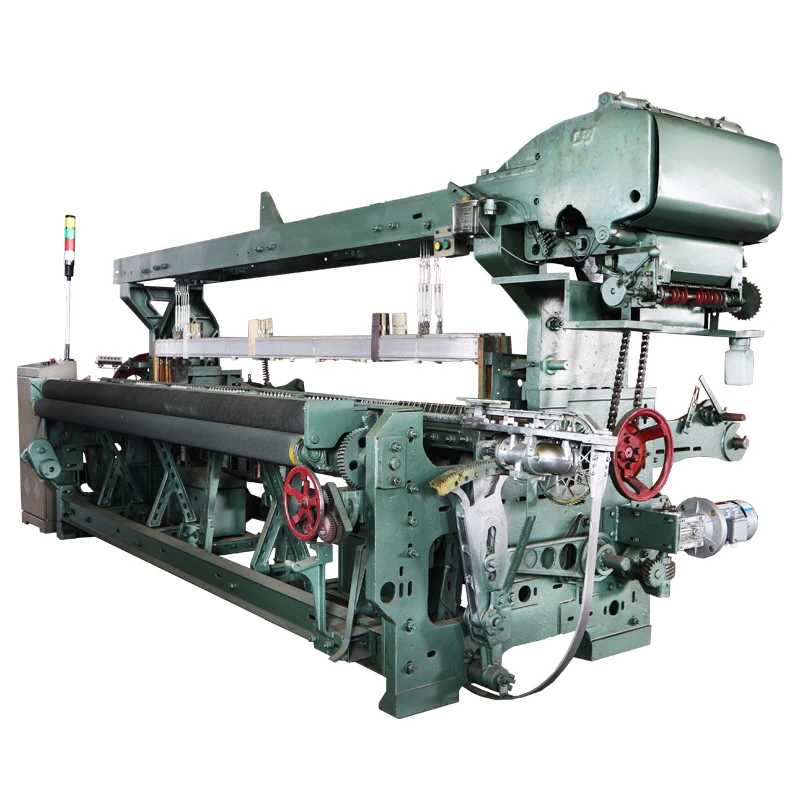
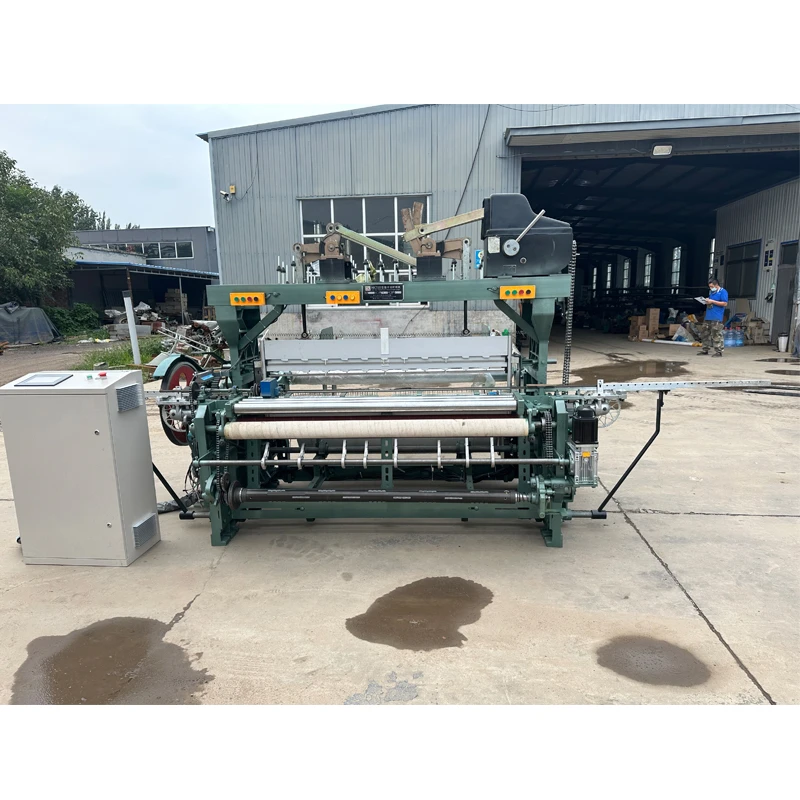
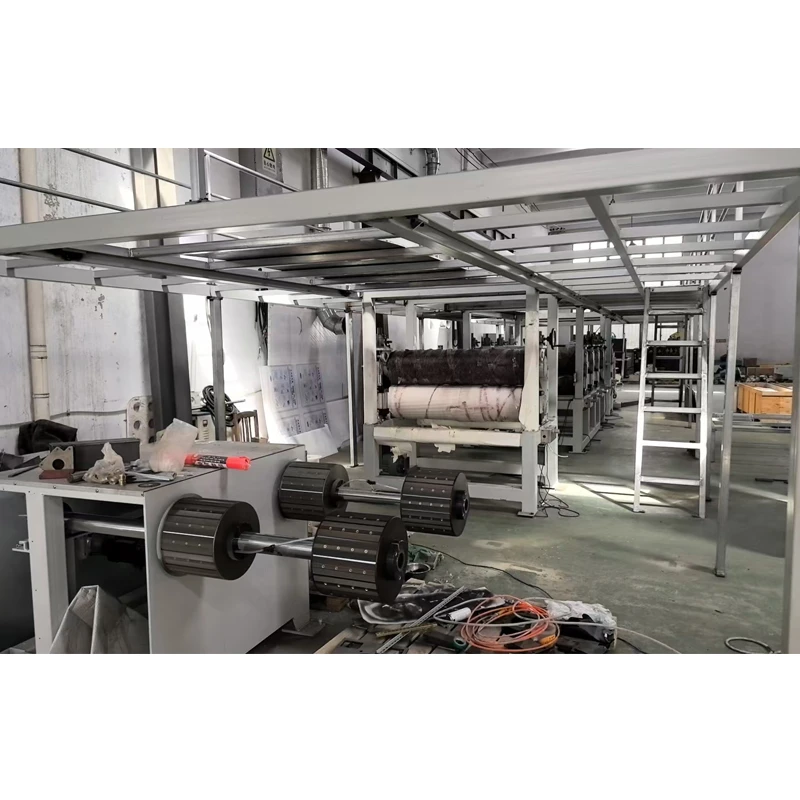
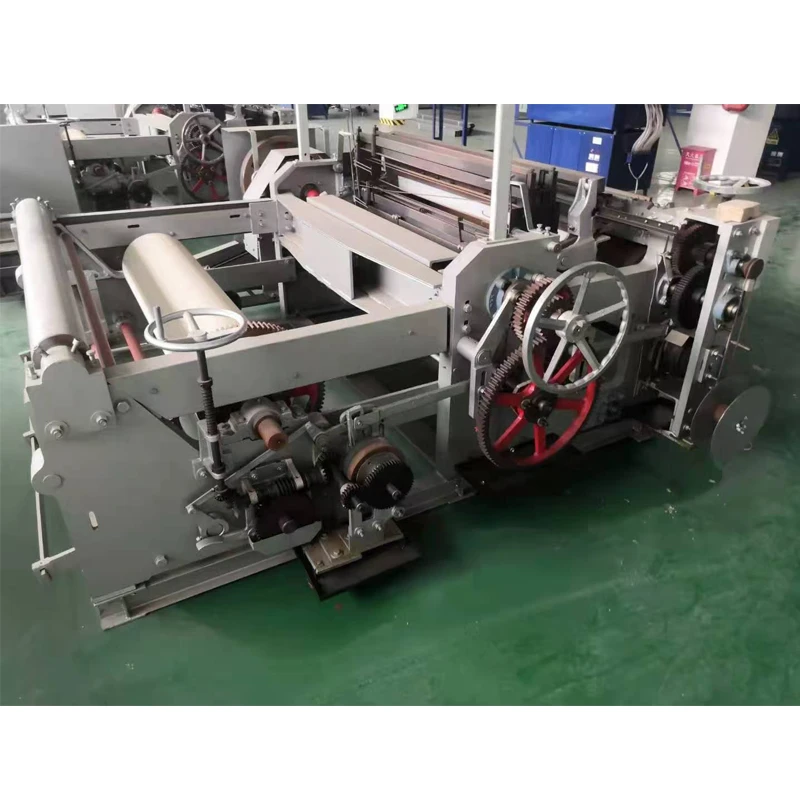
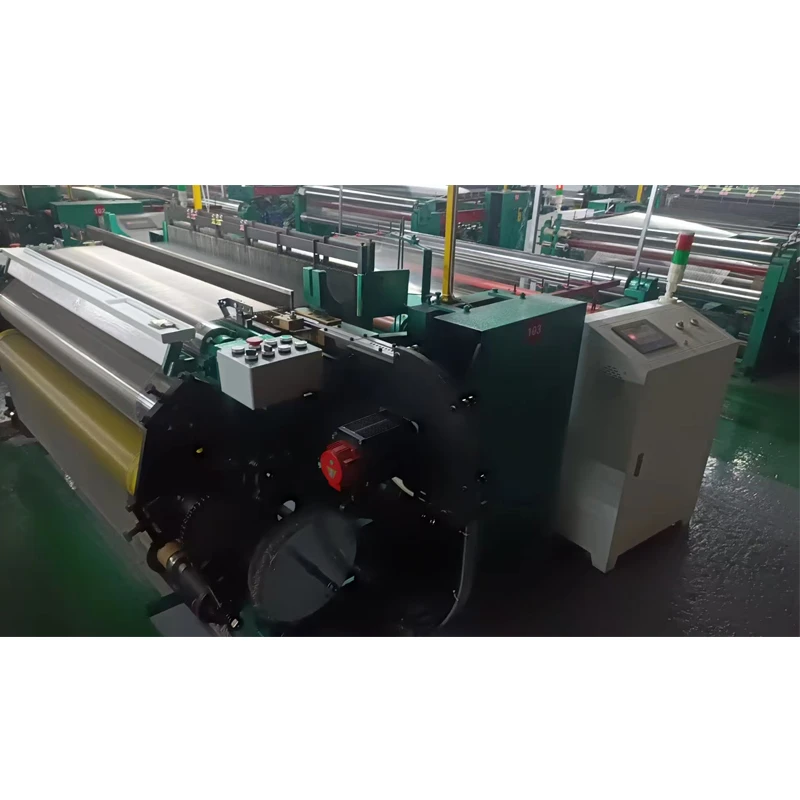
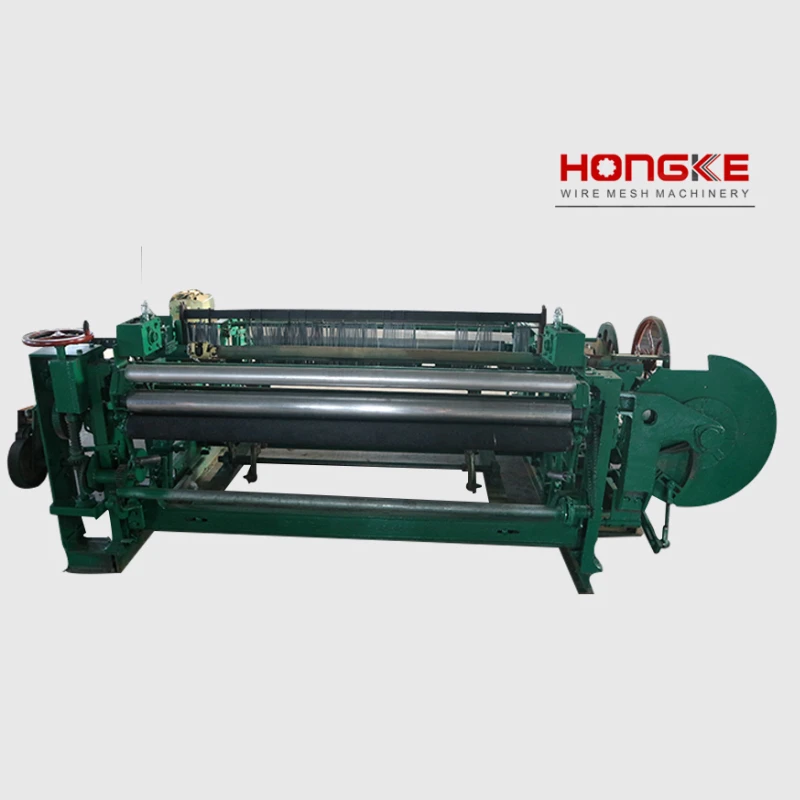
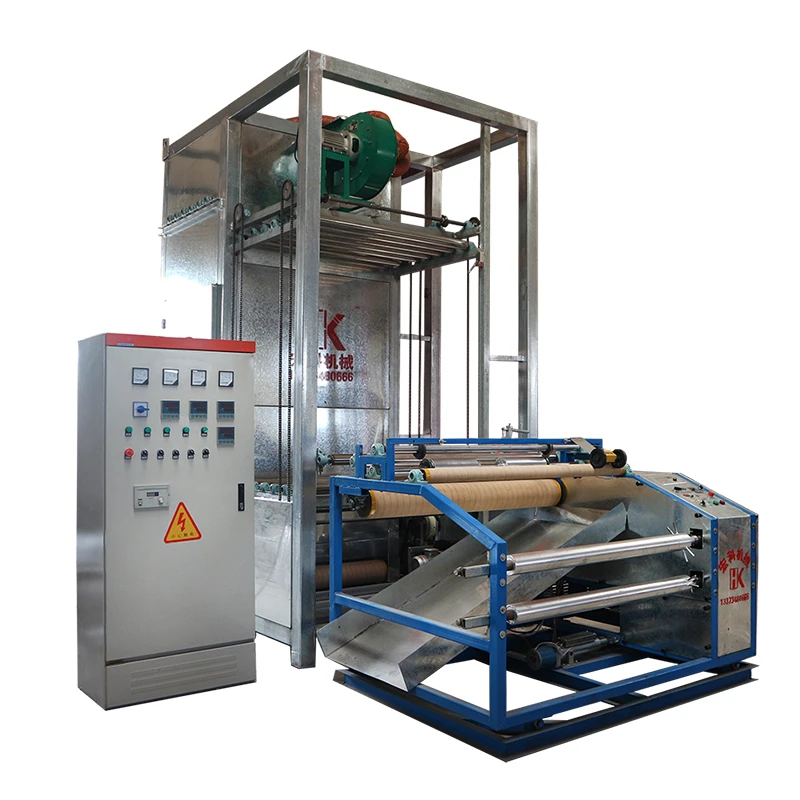
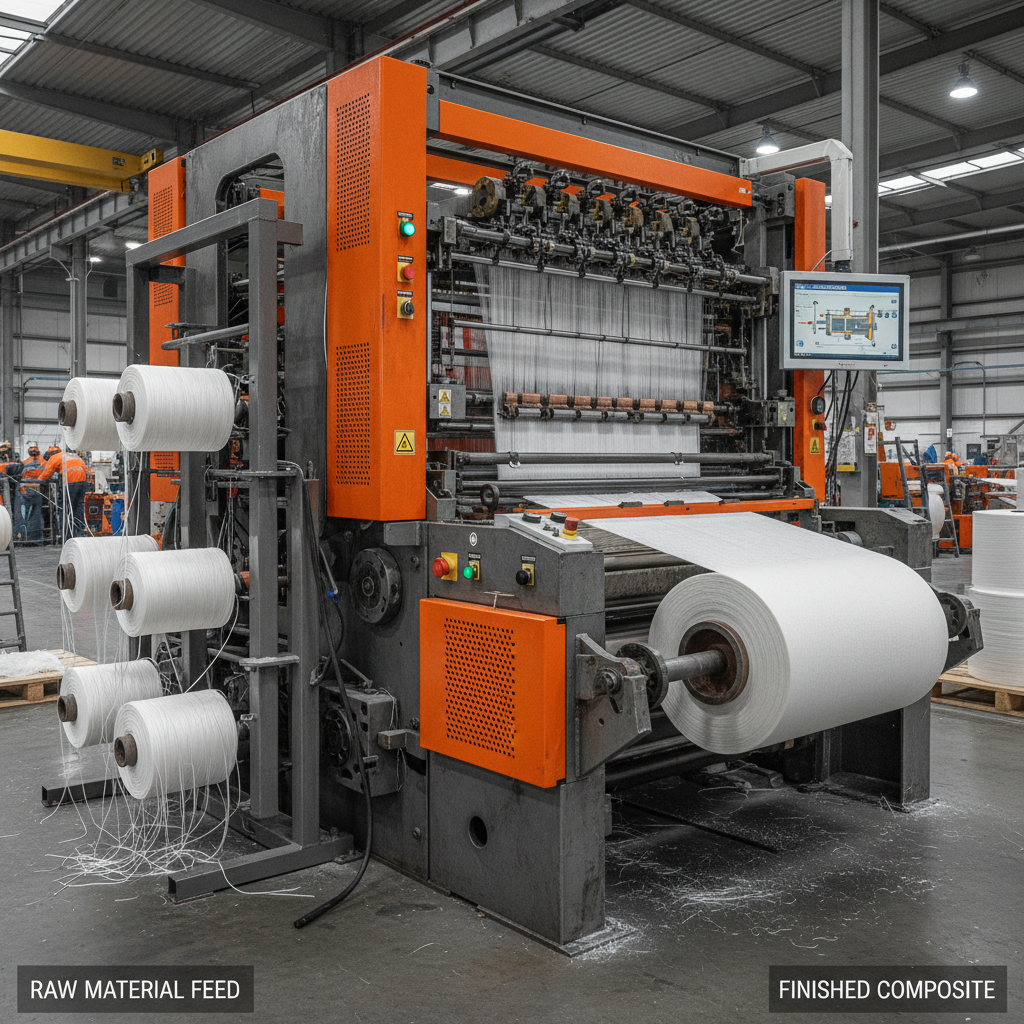
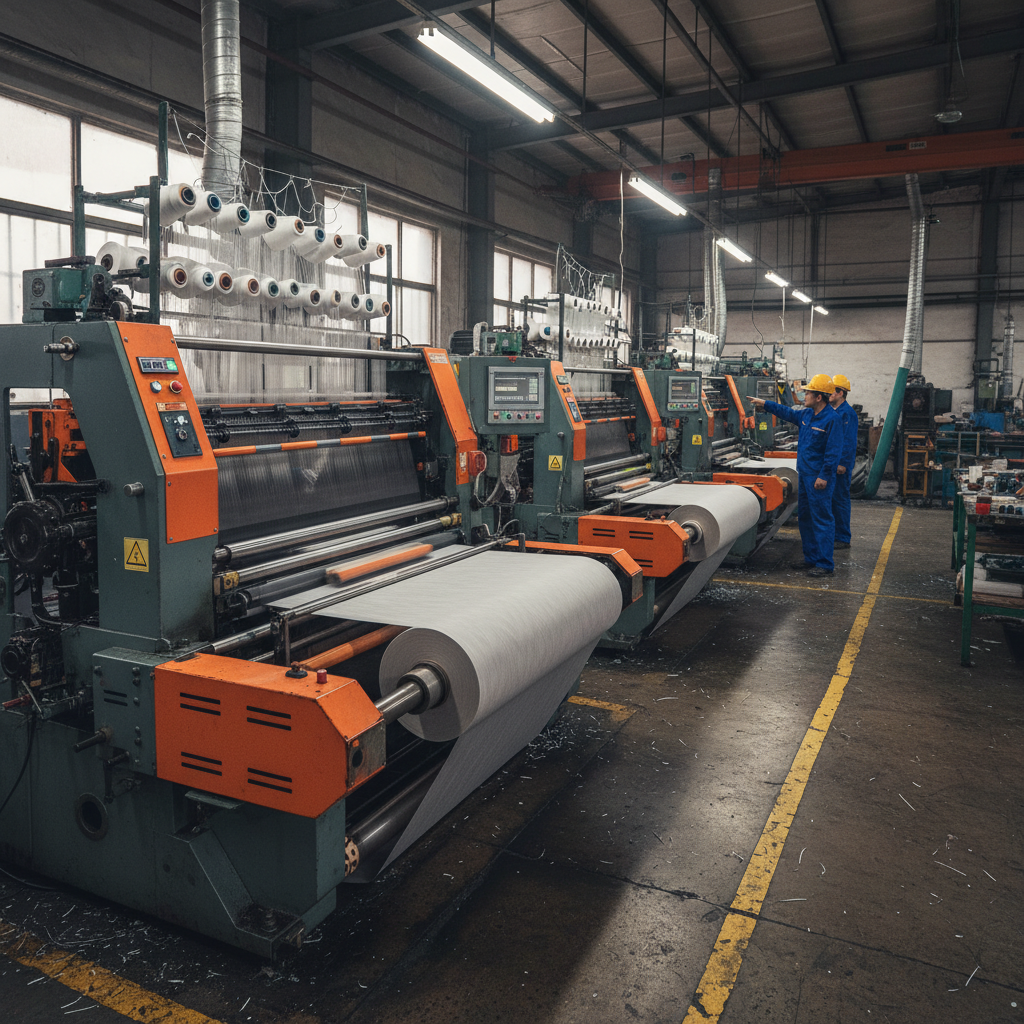
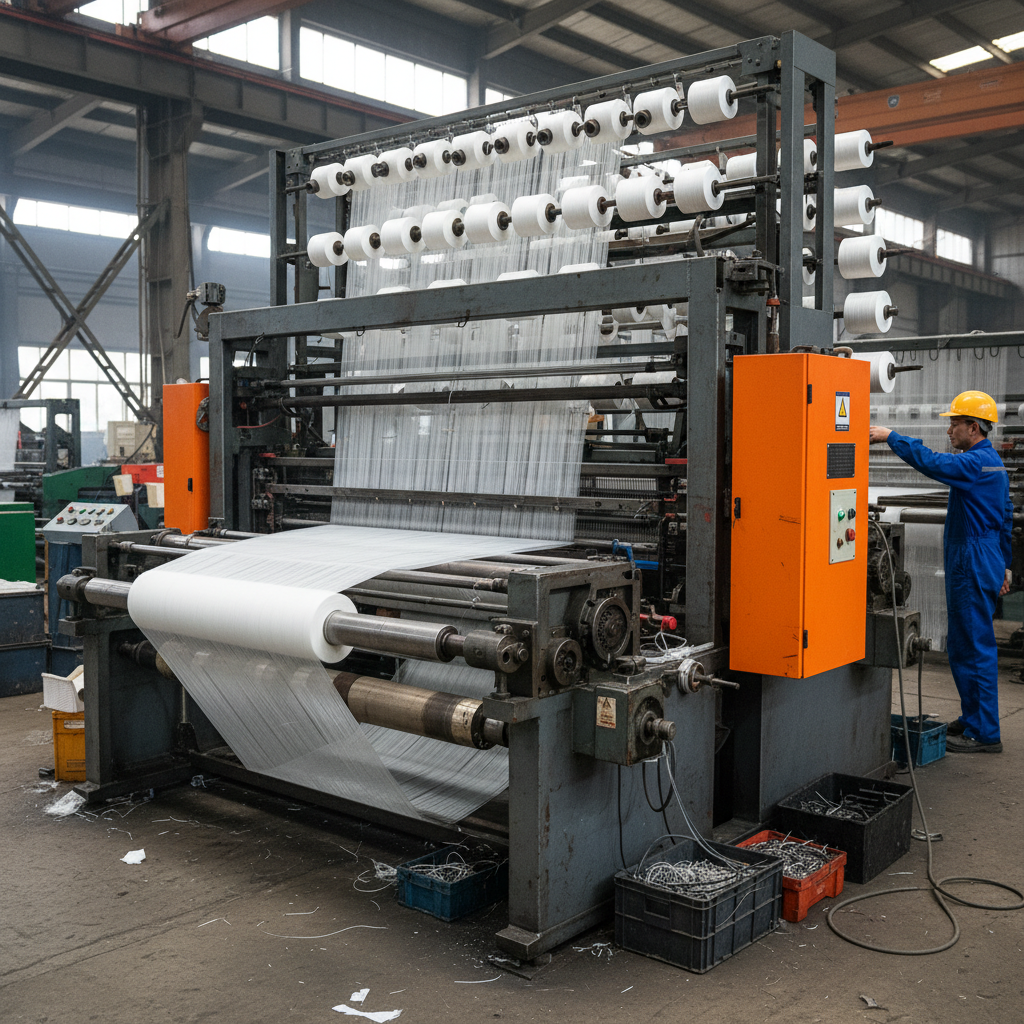
Fiberglass mesh weaving machines are specialized equipment designed to interlace fiberglass yarns to create a reinforcing mesh fabric. These machines are critical for producing materials used in various applications, including wall reinforcement, automotive parts, and industrial filters. The process involves unwinding fiberglass yarn spools, guiding them through a series of rollers and reeds, and interlacing them to form the desired mesh pattern. Modern machines often incorporate sophisticated control systems for precise yarn tension and weaving parameters, ensuring consistent product quality. The efficiency and precision of these machines directly impact the final product’s strength, durability, and aesthetic appeal.
Key Benefits: High production efficiency, consistent product quality, reduced labor costs, customizable mesh specifications.
Types of Fiberglass Mesh Weaving Machines
Several types of fiberglass mesh weaving machines are available, each suited for different production scales and mesh specifications. These include:
- Rapier Weaving Machines: These machines use a rapier to carry the weft yarn across the warp yarns, known for their versatility and ability to produce complex patterns.
- Projectile Weaving Machines: Utilizing a projectile to insert the weft yarn, these machines are well-suited for high-speed production.
- Air-Jet Weaving Machines: Employing jets of air to propel the weft yarn, these are popular for lighter-weight mesh fabrics.
- Needle Loom Weaving Machines: These use needles to interlock the warp and weft yarns, often used for creating specialized mesh structures.
Selecting the right type depends on your production volume, desired mesh characteristics, and budget. HK Mesh Machine offers a diverse range of these machine types, catering to various industrial needs.
Fiberglass Mesh Weaving Machine Key Features
Modern fiberglass mesh weaving machines are equipped with advanced features to optimize performance and product quality. Key features include:
- Automatic Warp Let-Off System: Ensures consistent warp tension during the weaving process.
- Precise Yarn Tension Control: Critical for producing uniform and structurally sound mesh.
- PLC Control System: Allows for precise control over machine parameters and easy operation.
- Fault Detection System: Identifies and addresses issues quickly, minimizing downtime.
- Adjustable Weaving Parameters: Enables the production of meshes with varying densities and patterns.
These features contribute to improved efficiency, reduced waste, and higher-quality end products.
Fiberglass Mesh Weaving Machine: Comparison of Machine Types
Choosing the right machine requires careful consideration. Here’s a comparative look at some key machine types:
Applications of Fiberglass Mesh Produced by These Machines
The fiberglass mesh produced by these machines finds applications in a wide array of industries:
- Construction: Reinforcing concrete, plasterboard, and insulation materials.
- Automotive: Manufacturing body panels and structural components.
- Chemical Industry: Creating filtration media and corrosion-resistant materials.
- Marine Industry: Producing boat hulls and other marine structures.
- Industrial Filtration: Developing high-performance filters for various applications.
The versatility and strength of fiberglass mesh make it an indispensable material in many modern manufacturing processes.
Conclusion: Investing in Quality Fiberglass Mesh Weaving Machines
Investing in a high-quality fiberglass mesh weaving machine from a reputable manufacturer like HK Mesh Machine is essential for businesses aiming to produce durable, consistent, and high-performance fiberglass mesh. Consider your production needs, desired mesh specifications, and budget when selecting a machine. A well-chosen machine will significantly improve efficiency, reduce costs, and enhance product quality, ultimately contributing to your business’s success.
Frequently Asked Questions (FAQs)
What maintenance is required for a fiberglass mesh weaving machine?
Regular maintenance is crucial for ensuring the longevity and optimal performance of your machine. This includes daily cleaning to remove yarn debris, lubricating moving parts, inspecting and replacing worn components (like reeds and rapiers), and checking the tensioning system. Periodic professional servicing is also recommended to identify and address potential issues before they lead to costly breakdowns. HK Mesh Machine provides comprehensive maintenance guides and support services for its customers.
What types of fiberglass yarn can be used in these machines?
Most fiberglass mesh weaving machines can handle a variety of fiberglass yarn types, including E-glass, S-glass, and AR-glass. The specific type of yarn used will depend on the desired properties of the final mesh product, such as strength, chemical resistance, and temperature resistance. It's important to ensure the yarn is compatible with the machine's tensioning and weaving mechanisms.
What is the typical production capacity of a fiberglass mesh weaving machine?
Production capacity varies significantly depending on the machine type, mesh specifications, and operator skill. Generally, a modern high-speed machine can produce several tons of fiberglass mesh per month. Factors such as yarn denier, mesh density, and machine speed all influence the overall output. HK Mesh Machine can provide detailed production capacity estimates based on your specific requirements.
How can I ensure the quality of the produced fiberglass mesh?
Maintaining consistent quality requires careful monitoring of several parameters, including yarn tension, weaving speed, and mesh density. Regular inspections for defects such as broken yarns, uneven weaving, and variations in mesh size are essential. Implementing a quality control system and adhering to strict production standards will help ensure the consistent production of high-quality fiberglass mesh. Investing in a machine with precise control systems, such as those offered by HK Mesh Machine, can also significantly contribute to quality control.