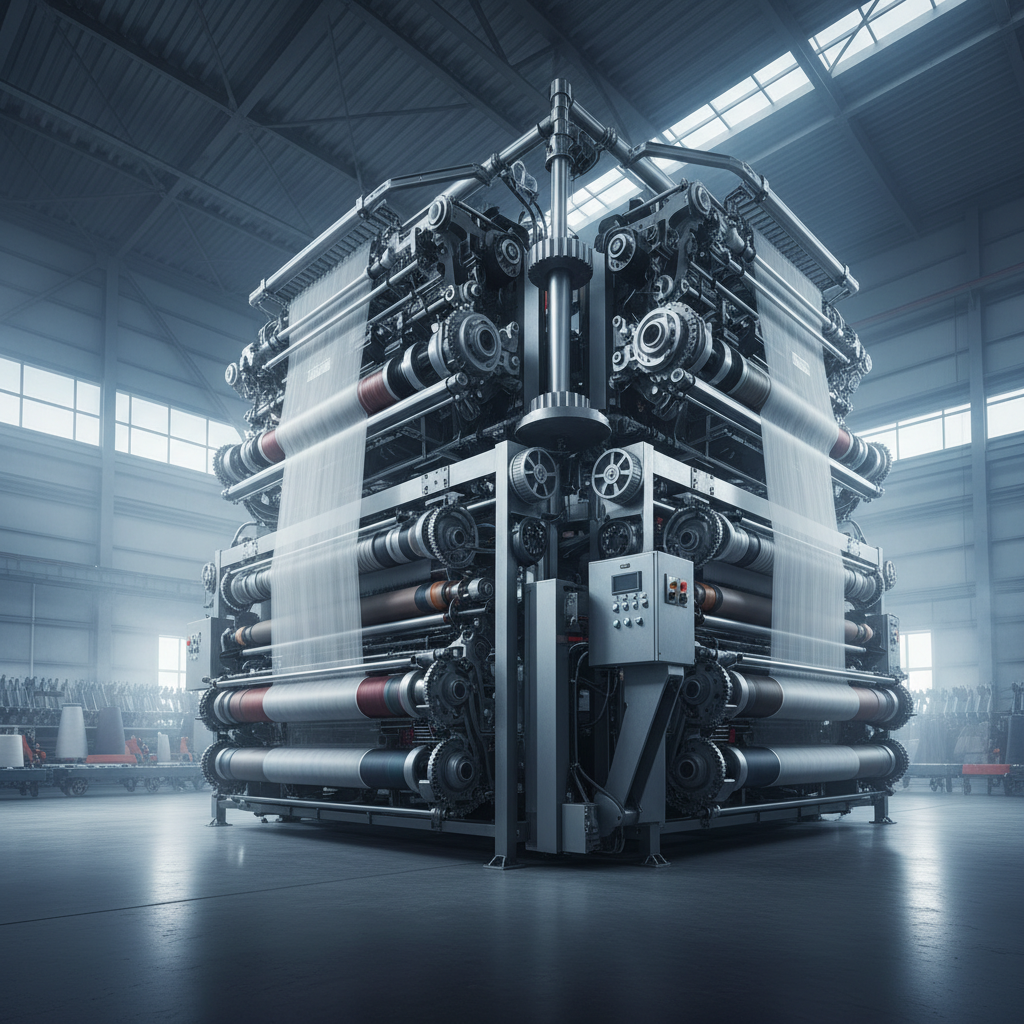



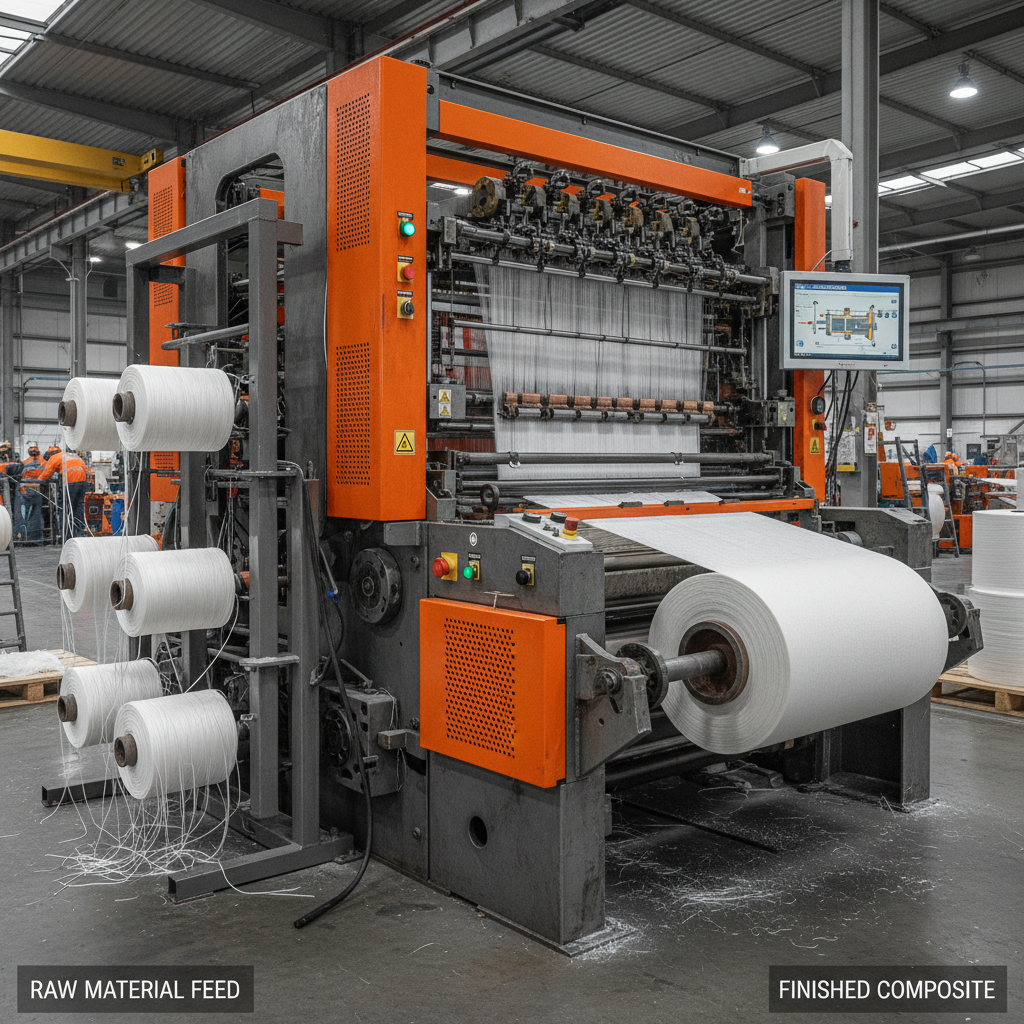
Fiberglass Weaving Machine: A Comprehensive Guide
The demand for fiberglass reinforced polymers (FRP) is continually growing across numerous industries, including automotive, aerospace, construction, and marine. At the heart of FRP production lies the fiberglass weaving machine, a critical piece of equipment that transforms raw fiberglass yarn into high-strength fabrics. This article delves into the intricacies of these machines, exploring their types, applications, key features, and factors to consider when making a purchase. We will also highlight the benefits of choosing a reliable manufacturer like HK Mesh Machine.
Understanding Fiberglass Weaving Machines
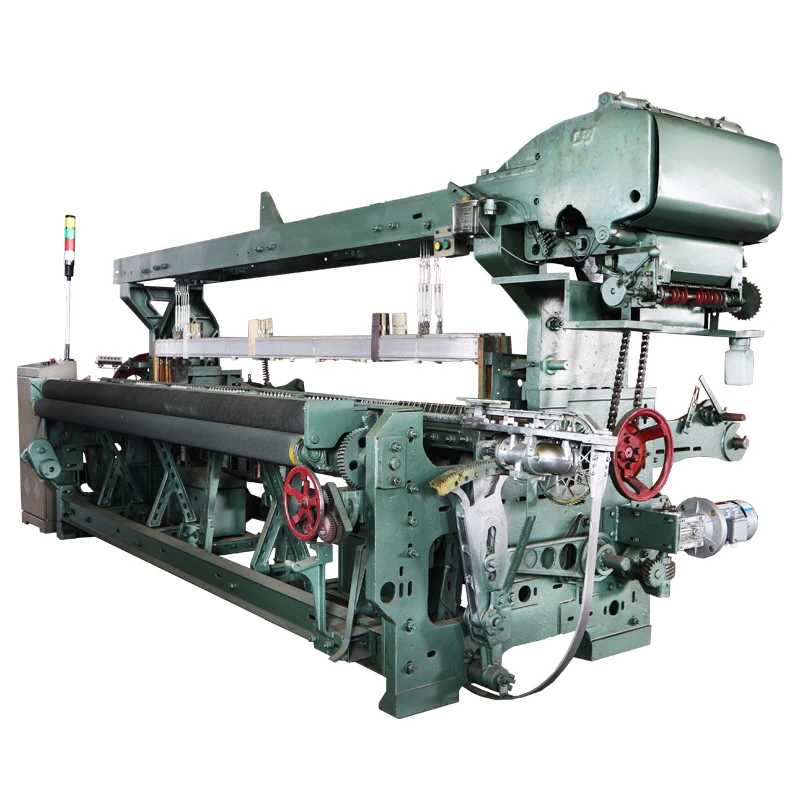
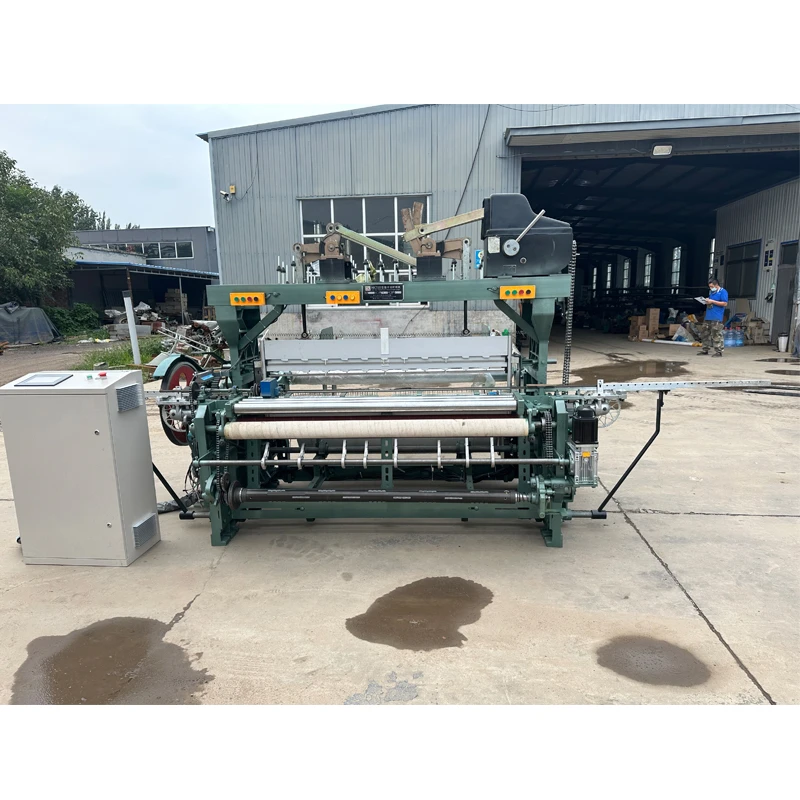
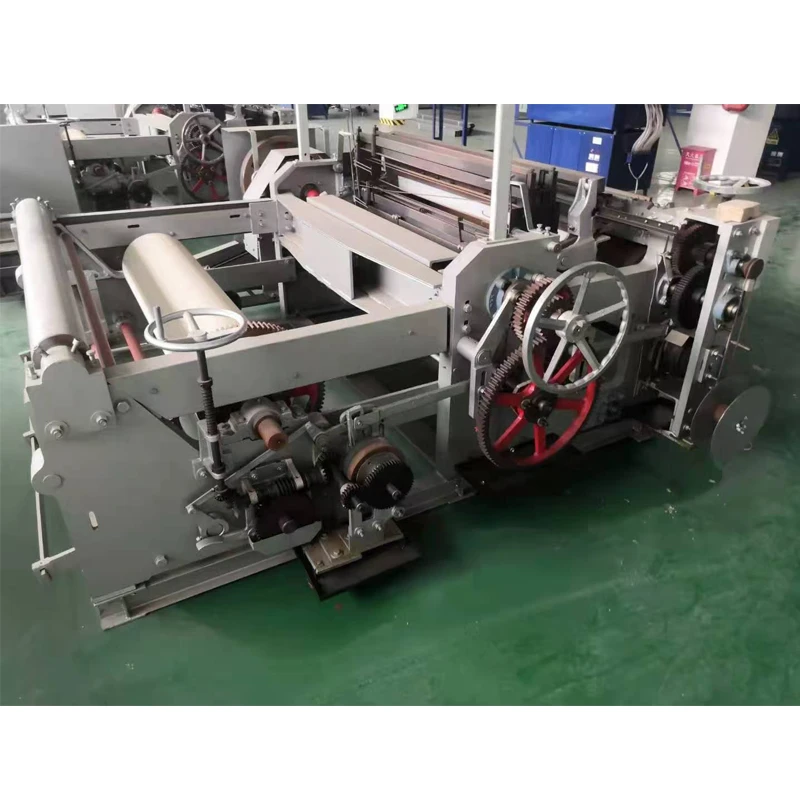
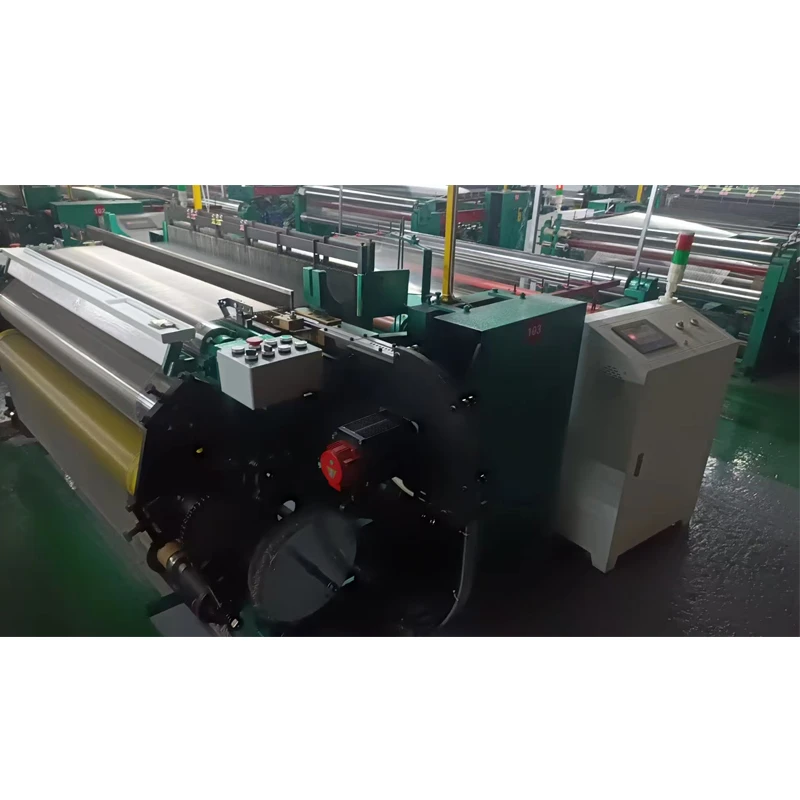
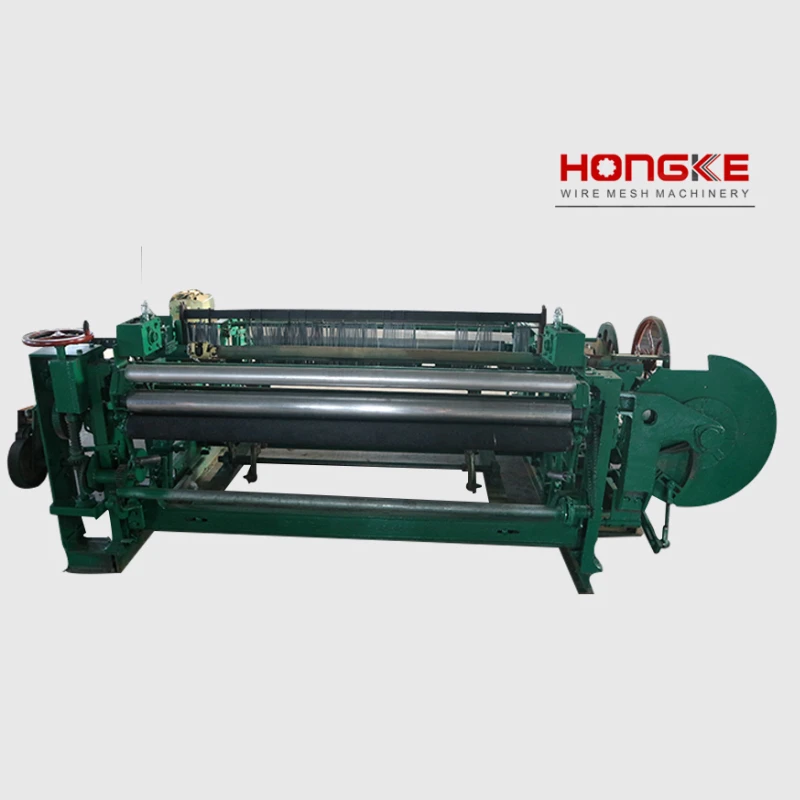
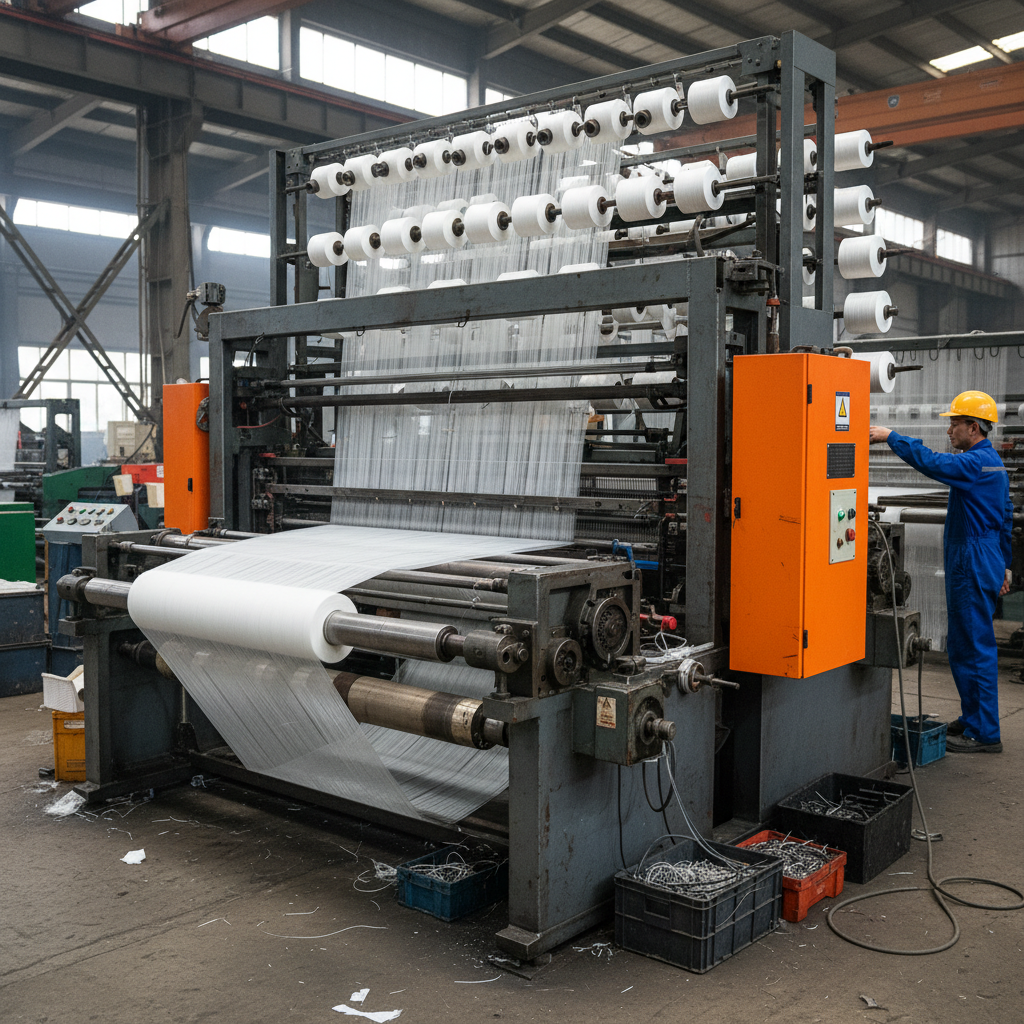
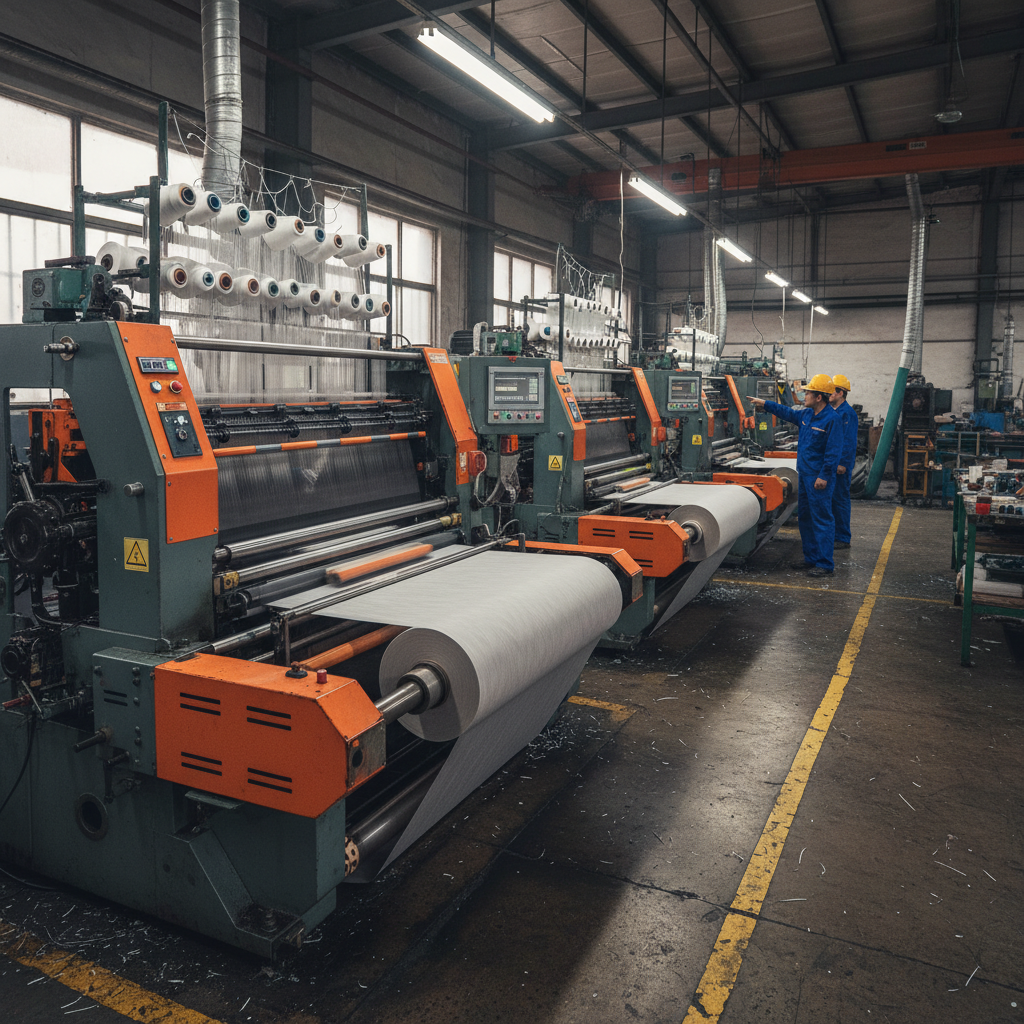
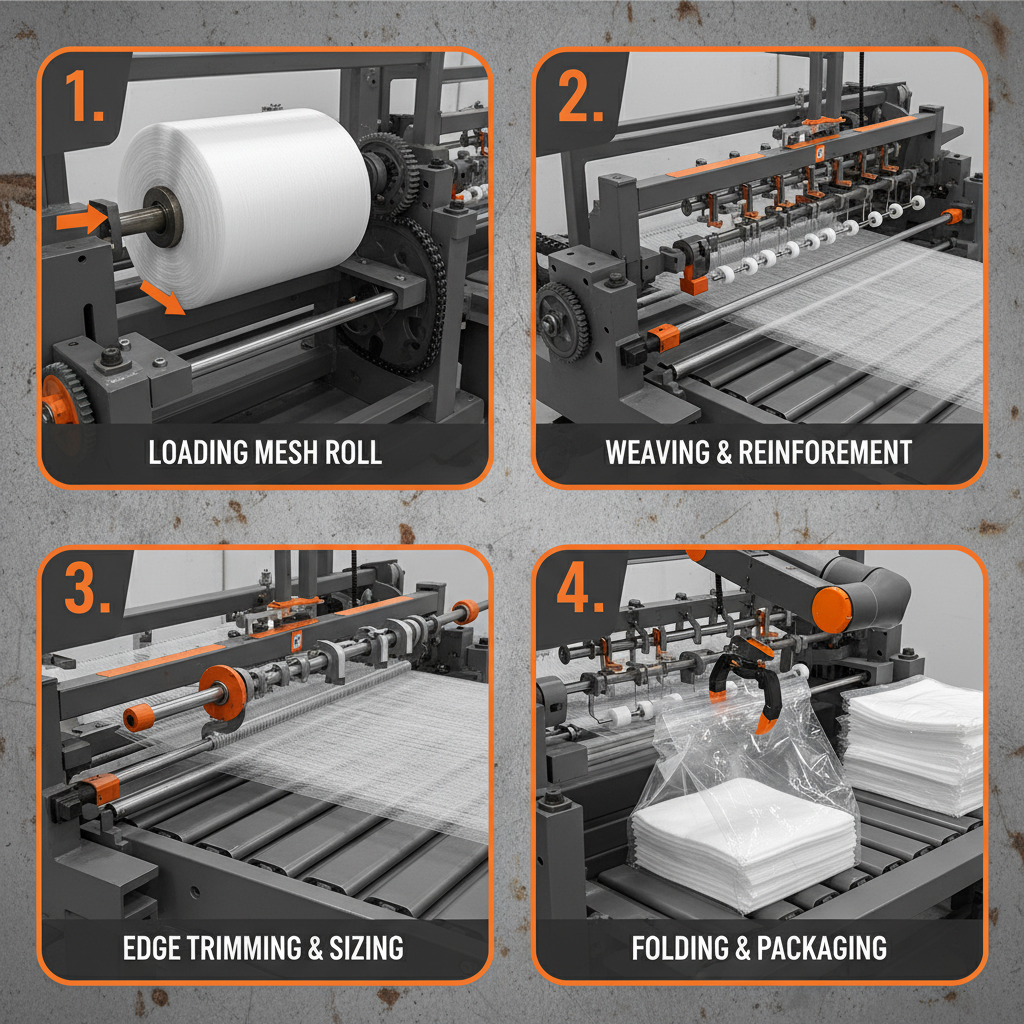
Fiberglass weaving machines are designed to interlace fiberglass yarns to create a variety of fabrics, including plain weave, twill weave, and satin weave. These fabrics are prized for their high tensile strength, lightweight properties, corrosion resistance, and electrical insulation capabilities. The choice of weaving pattern directly influences the fabric's properties and intended application. Modern machines are often automated, increasing production efficiency and reducing labor costs. A well-maintained fiberglass weaving machine is vital for consistently producing high-quality materials.
Key Benefits: Automated operation, consistent quality, reduced labor costs, versatile weaving patterns, and high production efficiency.
Types of Fiberglass Weaving Machines
Several types of fiberglass weaving machines cater to different production needs and fabric specifications. The most common include:
- Rapier Weaving Machines: Utilize a rapier (a carrier) to insert the weft yarn across the warp yarns. Known for their versatility and ability to handle a wide range of yarn types.
- Projectile Weaving Machines: Employ a projectile that carries the weft yarn. Suitable for high-speed production of medium-weight fabrics.
- Air-Jet Weaving Machines: Use jets of air to propel the weft yarn through the warp yarns. Ideal for lightweight fabrics and high production speeds.
- Water-Jet Weaving Machines: Utilize jets of water to carry the weft yarn. Best suited for synthetic yarns, including fiberglass.
Weaving Machine Comparison:
• Rapier: Versatile, wide yarn range.
• Projectile: High-speed, medium weight fabrics.
• Air-Jet: Lightweight fabrics, high speed.
• Water-Jet: Synthetic yarns, fiberglass friendly.
Key Features to Consider When Purchasing a Fiberglass Weaving Machine
Selecting the right fiberglass weaving machine requires careful consideration of several key features. These include: machine capacity (width and weaving speed), level of automation, control system (PLC based systems offer greater precision and flexibility), yarn tension control, and maintenance requirements. Consider also the availability of technical support and spare parts from the manufacturer. HK Mesh Machine excels in providing robust machines with user-friendly interfaces.
Applications of Fiberglass Woven Fabrics
The fabrics produced by a fiberglass weaving machine find applications in a wide variety of industries:
- Automotive: Body panels, reinforcement materials.
- Aerospace: Aircraft components, structural parts.
- Construction: Roofing materials, composite panels.
- Marine: Boat hulls, decks.
- Sports Equipment: Surfboards, skis, hockey sticks.
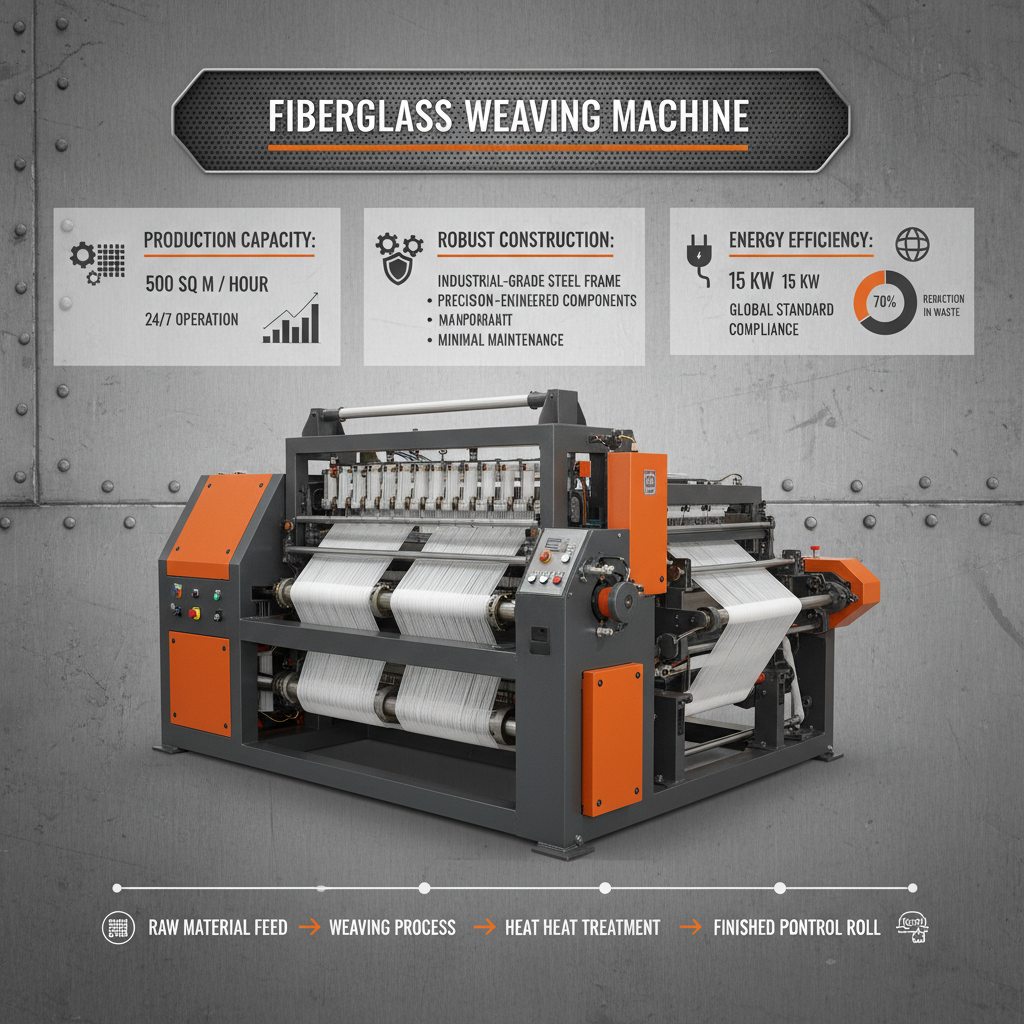
Choosing the Right Manufacturer: HK Mesh Machine
Selecting a reputable manufacturer is as crucial as choosing the right machine type. HK Mesh Machine stands out due to its commitment to quality, innovation, and customer support. We offer a comprehensive range of fiberglass weaving machines, tailored to meet diverse production needs. Our machines are built with durable materials, advanced technology, and user-friendly interfaces. We also provide comprehensive after-sales service, including installation, training, and maintenance support.
Conclusion: Investing in Quality Fiberglass Weaving Technology
Investing in a high-quality fiberglass weaving machine is a strategic decision that can significantly enhance your production capabilities and product quality. HK Mesh Machine offers reliable, innovative, and cost-effective solutions to meet your specific needs. Contact us today to learn more about our range of machines and how we can help you optimize your fiberglass weaving process.
Frequently Asked Questions (FAQs)
What is the typical power consumption of a fiberglass weaving machine?
Power consumption varies significantly depending on the machine's size, automation level, and weaving speed. Smaller, manually operated machines might consume around 2-5 kW, while larger, fully automated machines can require 15-30 kW or more. Efficient machines with energy-saving features can help minimize operating costs. HK Mesh Machine machines are designed with energy efficiency in mind, reducing your carbon footprint and lowering operational expenses.
What kind of maintenance is required for a fiberglass weaving machine?
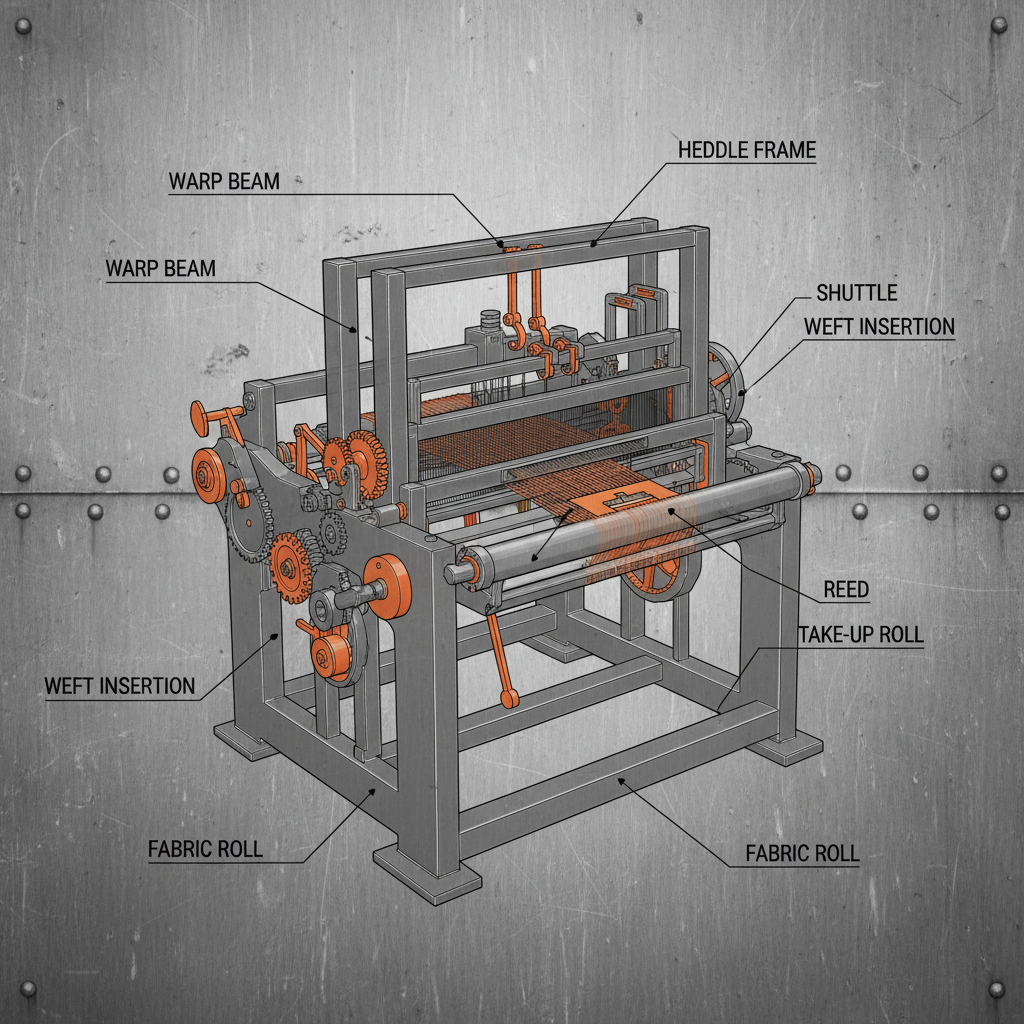
Regular maintenance is crucial for ensuring optimal performance and longevity. This includes lubricating moving parts, cleaning the machine to remove fiberglass dust, inspecting and replacing worn components (such as shuttles, reeds, and heddles), and calibrating the control system. Preventative maintenance schedules, provided by the manufacturer, should be followed diligently. HK Mesh Machine provides detailed maintenance manuals and offers comprehensive support services.
What safety precautions should be taken when operating a fiberglass weaving machine?
Fiberglass dust can be irritating to the skin, eyes, and respiratory system. Therefore, wearing appropriate personal protective equipment (PPE), including safety glasses, gloves, and a dust mask, is essential. Ensure the machine is properly grounded and that all safety guards are in place. Regularly clean the work area to prevent dust accumulation. Follow the manufacturer's safety guidelines and provide thorough training to all operators. HK Mesh Machine machines are designed with safety features to minimize risks.
What is the lead time for ordering a fiberglass weaving machine?
Lead times vary depending on the machine's complexity, customization requirements, and current order backlog. Generally, standard machines have a lead time of 4-8 weeks, while customized machines may take 8-12 weeks or longer. HK Mesh Machine provides accurate lead time estimates and keeps customers informed throughout the production process.