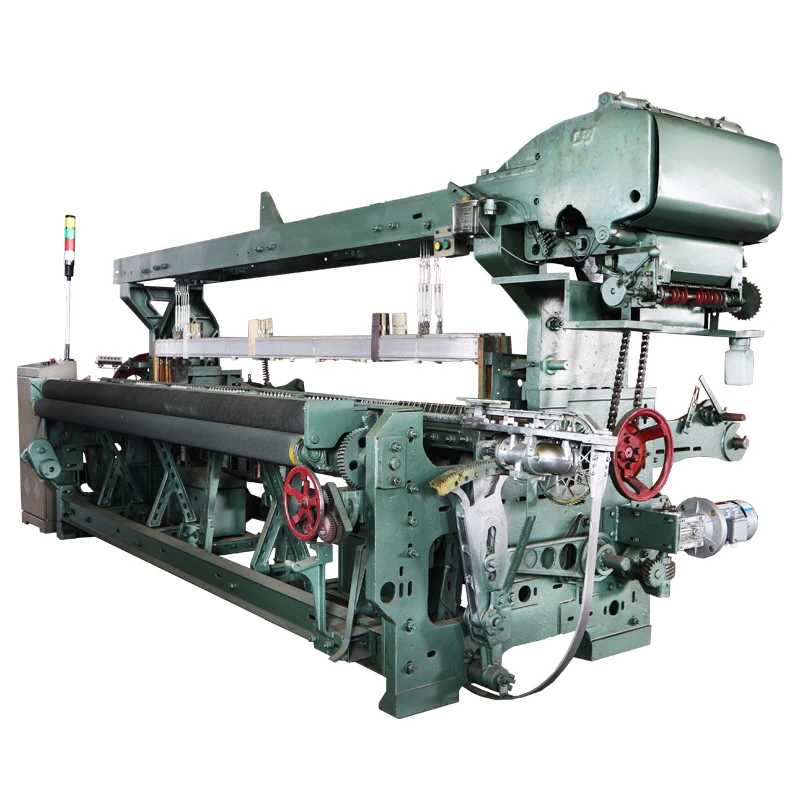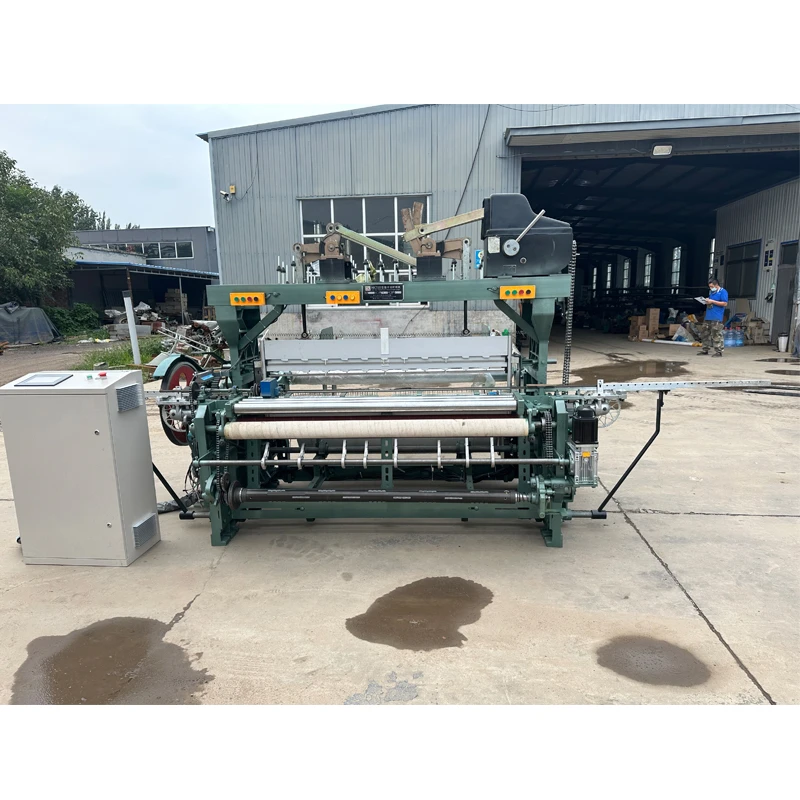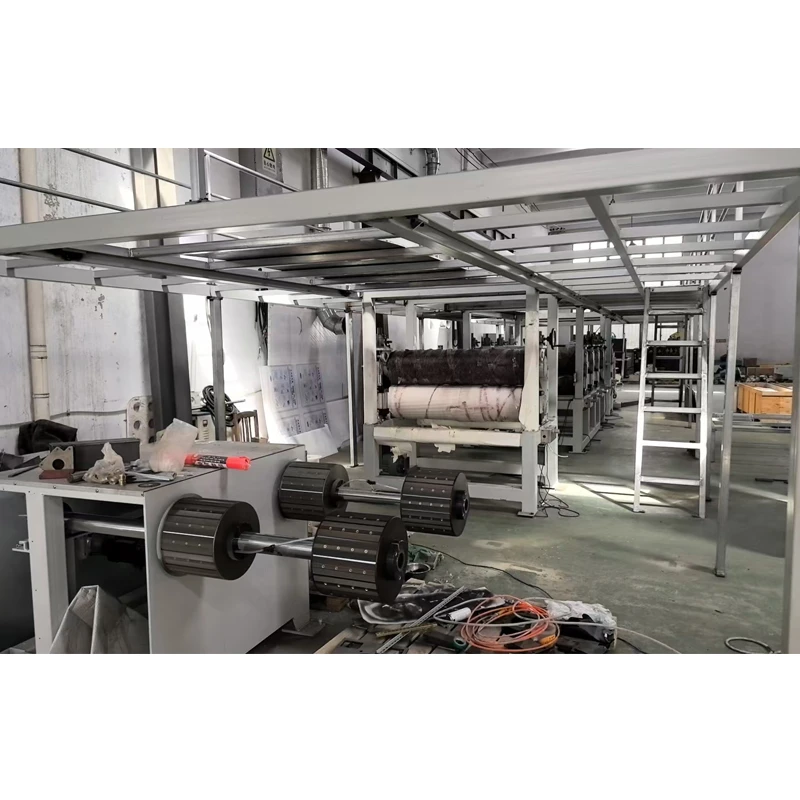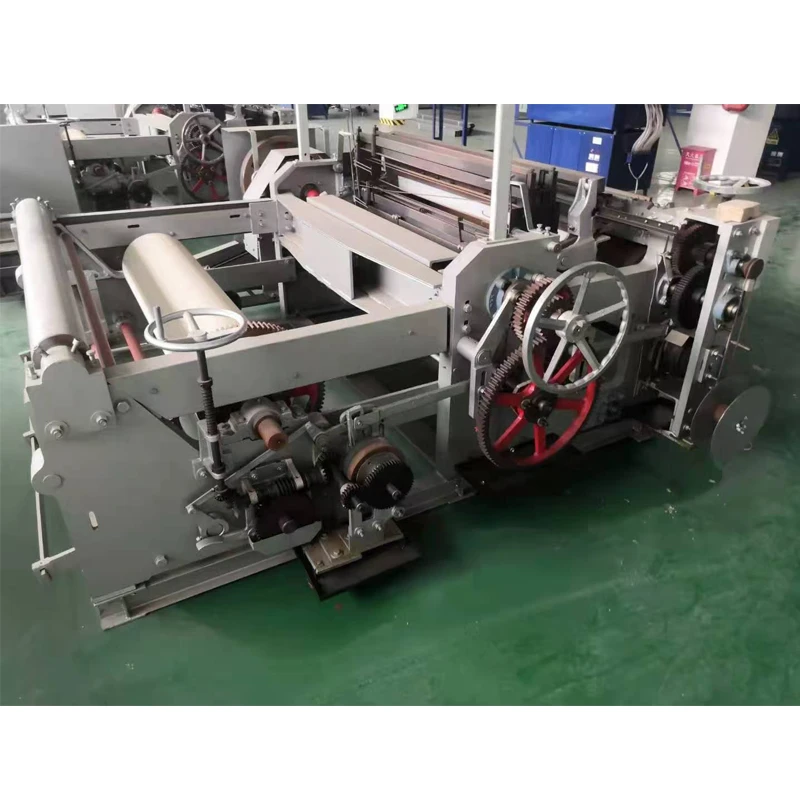



Understanding the Machine Used for Weaving Fabric
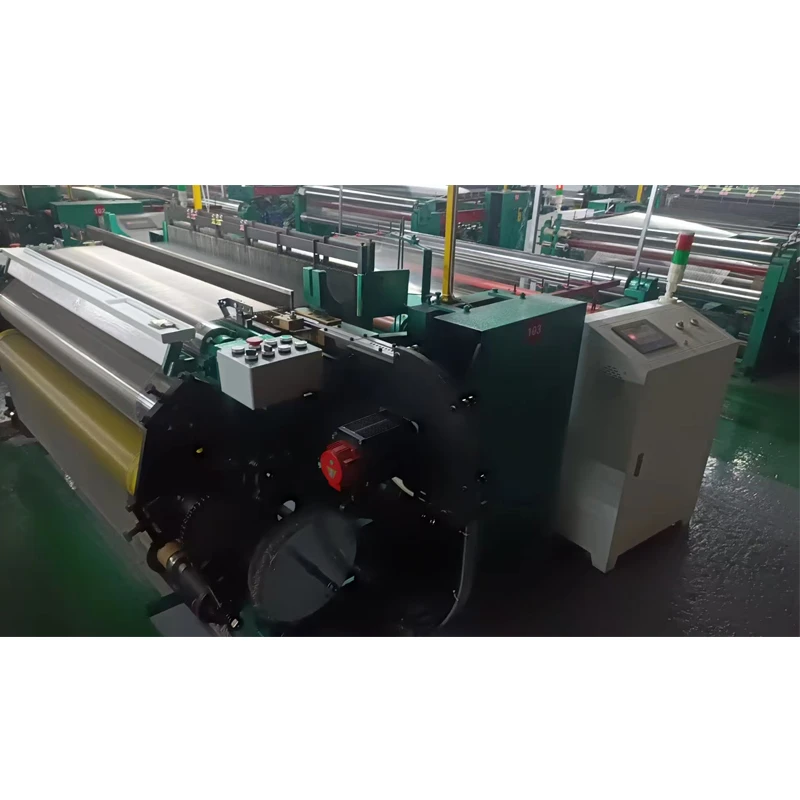
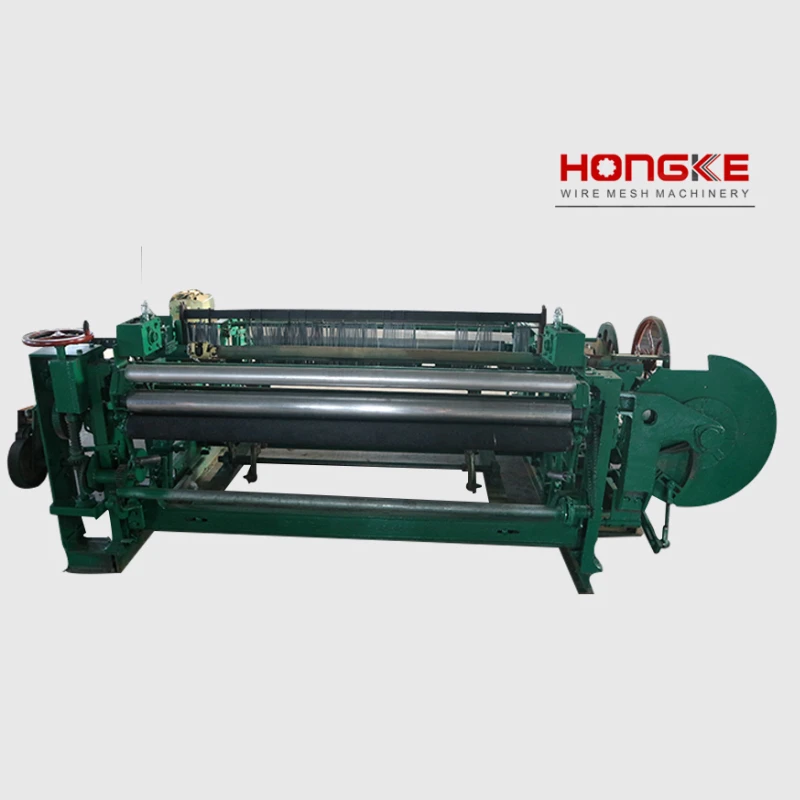
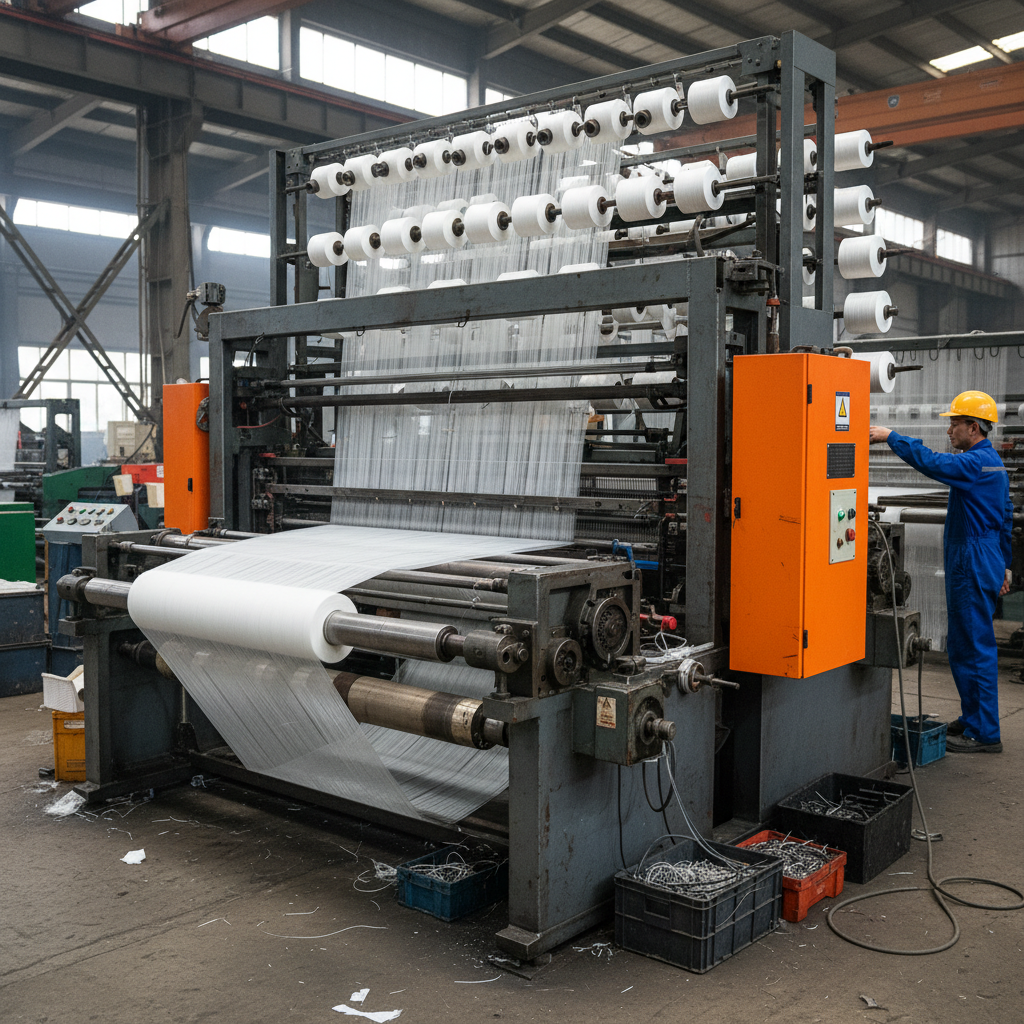
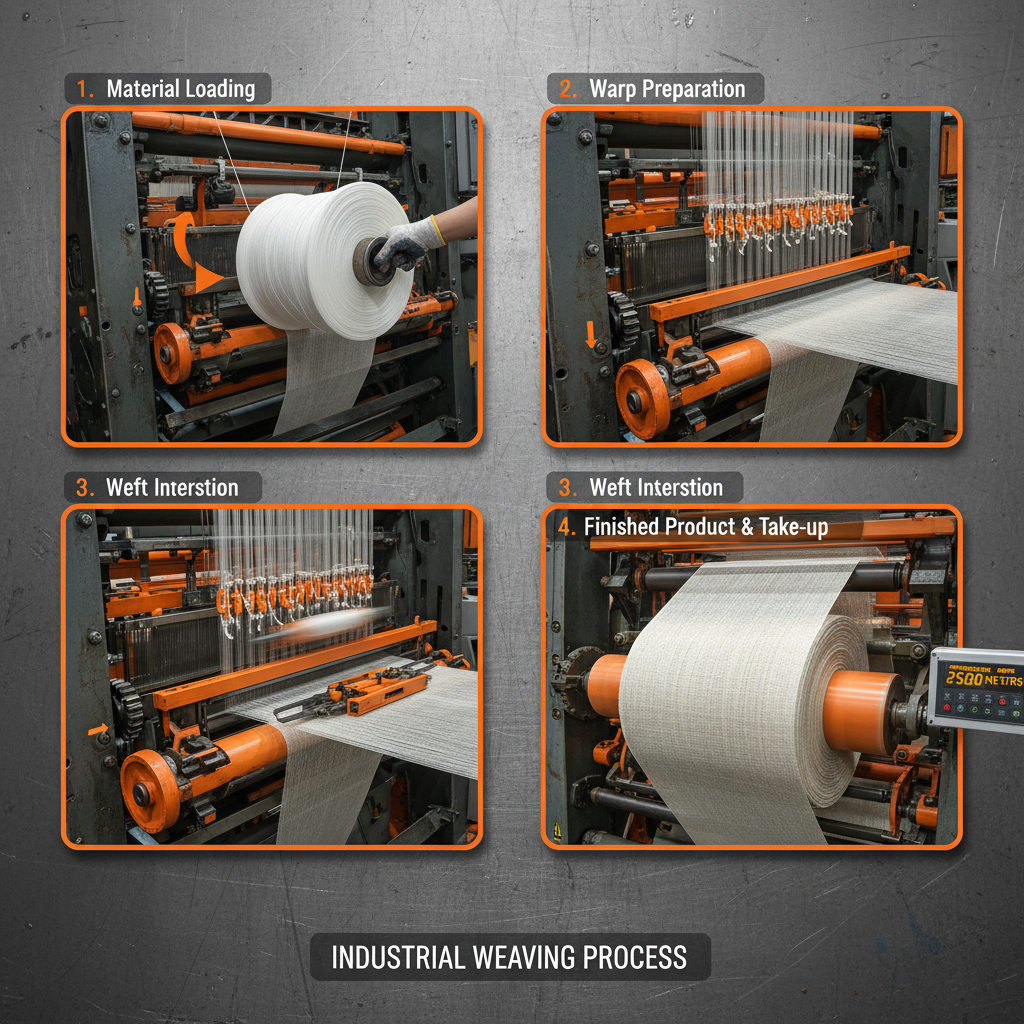
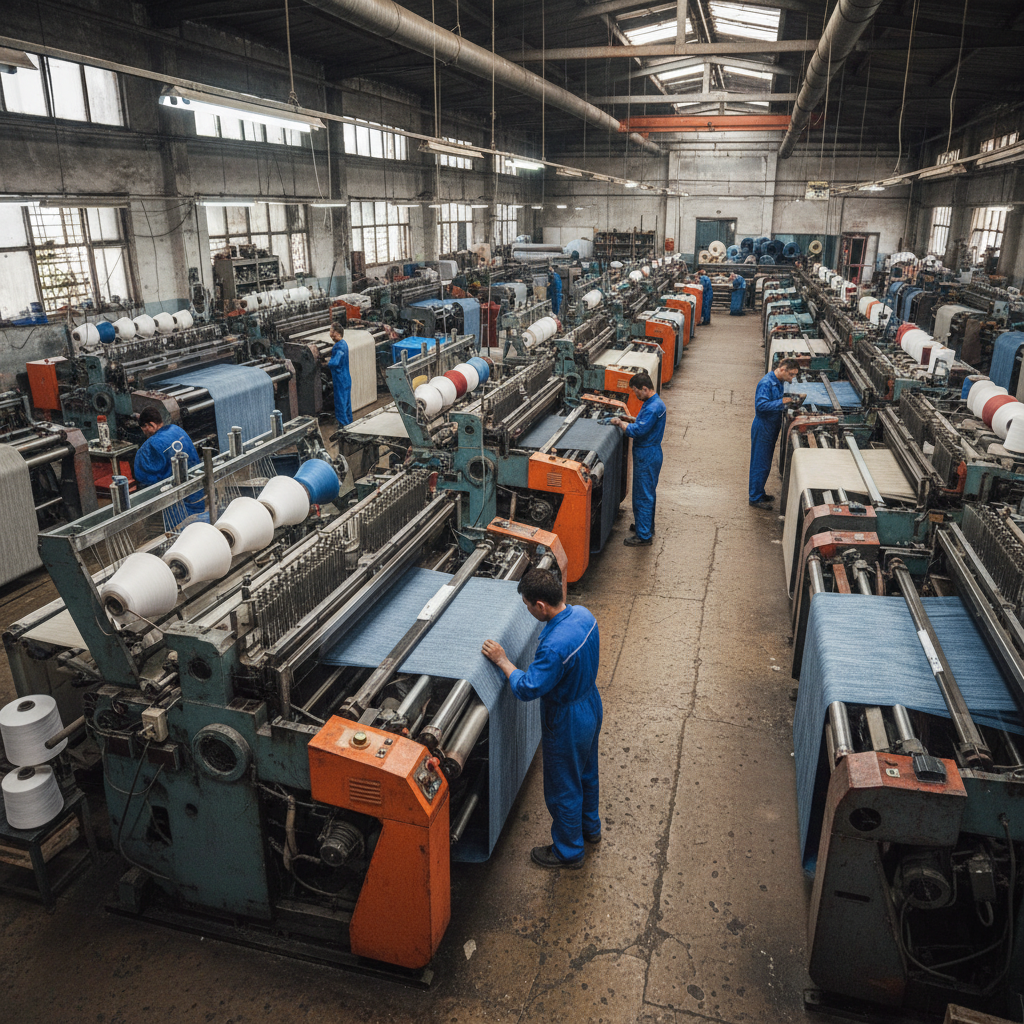
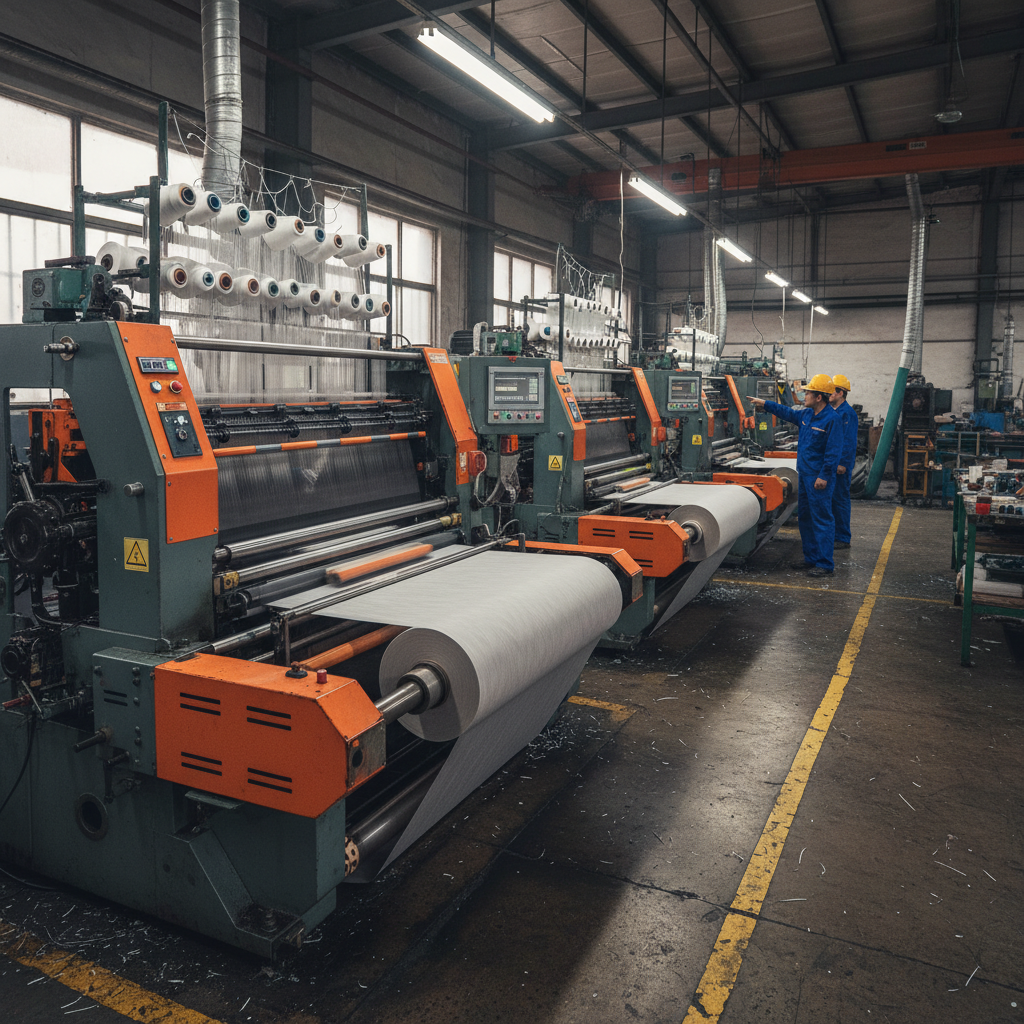
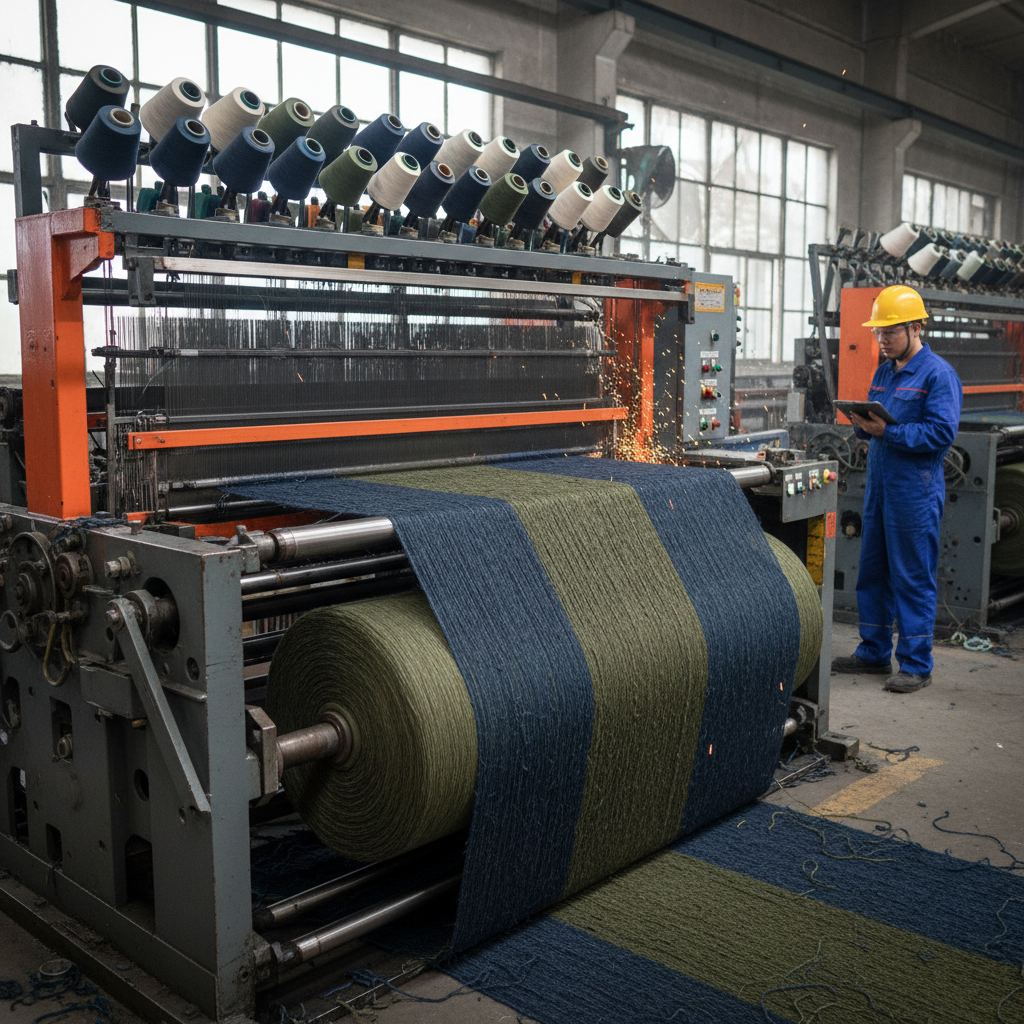
The process of transforming yarn into fabric is a cornerstone of the textile industry. A machine used for weaving fabric, encompassing a wide range of technologies, is central to this creation. From simple hand looms to highly automated industrial machinery, these tools have evolved dramatically over centuries. This article delves into the types of weaving machines, their applications, key considerations when choosing a machine, and explores the latest advancements. Understanding these machines is crucial for anyone involved in textile manufacturing, design, or sourcing.
Types of Machines Used for Weaving Fabric
The world of weaving machines is surprisingly diverse. Generally, they fall into three main categories: shuttle looms, rapier looms, and air-jet looms. Shuttle looms, the oldest type, use a shuttle to carry the weft yarn across the warp yarns. While still used in some applications, they are slower and less efficient than newer technologies. Rapier looms employ a rapier – a long, slender carrier – to insert the weft. Air-jet looms, the most modern, use jets of air to propel the weft across the warp. Each type has unique strengths and weaknesses, making it suitable for different fabrics and production volumes. Specialty machines also exist, like dobby looms for creating patterned fabrics and Jacquard looms for highly complex designs.
Key Takeaway: The choice of weaving machine significantly impacts fabric quality, production speed, and overall cost.
Applications of Different Weaving Machines
The type of fabric being produced dictates which machine is most appropriate. Shuttle looms are often used for simpler, heavier fabrics like denim and canvas. Rapier looms excel at producing medium to heavy-weight fabrics with intricate patterns. Air-jet looms are ideal for lightweight fabrics such as those used in apparel, including polyester and nylon. Dobby looms are the go-to choice for patterned fabrics like pique and waffle weaves, while Jacquard looms handle the most demanding designs found in tapestries and high-end upholstery. HK Mesh Machine offers a range of machines catering to diverse fabric needs.
Fabric & Machine Matching:
• Denim & Canvas: Shuttle Looms
• Medium/Heavy Patterned Fabrics: Rapier Looms
• Lightweight Apparel Fabrics: Air-Jet Looms
• Pique & Waffle Weaves: Dobby Looms
• Tapestries & High-End Upholstery: Jacquard Looms
Key Considerations When Choosing a Machine Used for Weaving Fabric
Selecting the right weaving machine is a significant investment. Several factors must be carefully considered. Production volume is paramount – high-volume operations require faster, more automated machines. Fabric type dictates the necessary technology and capabilities. Budget constraints will influence the level of automation and sophistication. Maintenance requirements, energy consumption, and availability of skilled operators are also crucial considerations. Finally, consider the supplier's reputation and after-sales support. A reliable partner like HK Mesh Machine can provide valuable guidance.
Advancements in Weaving Machine Technology
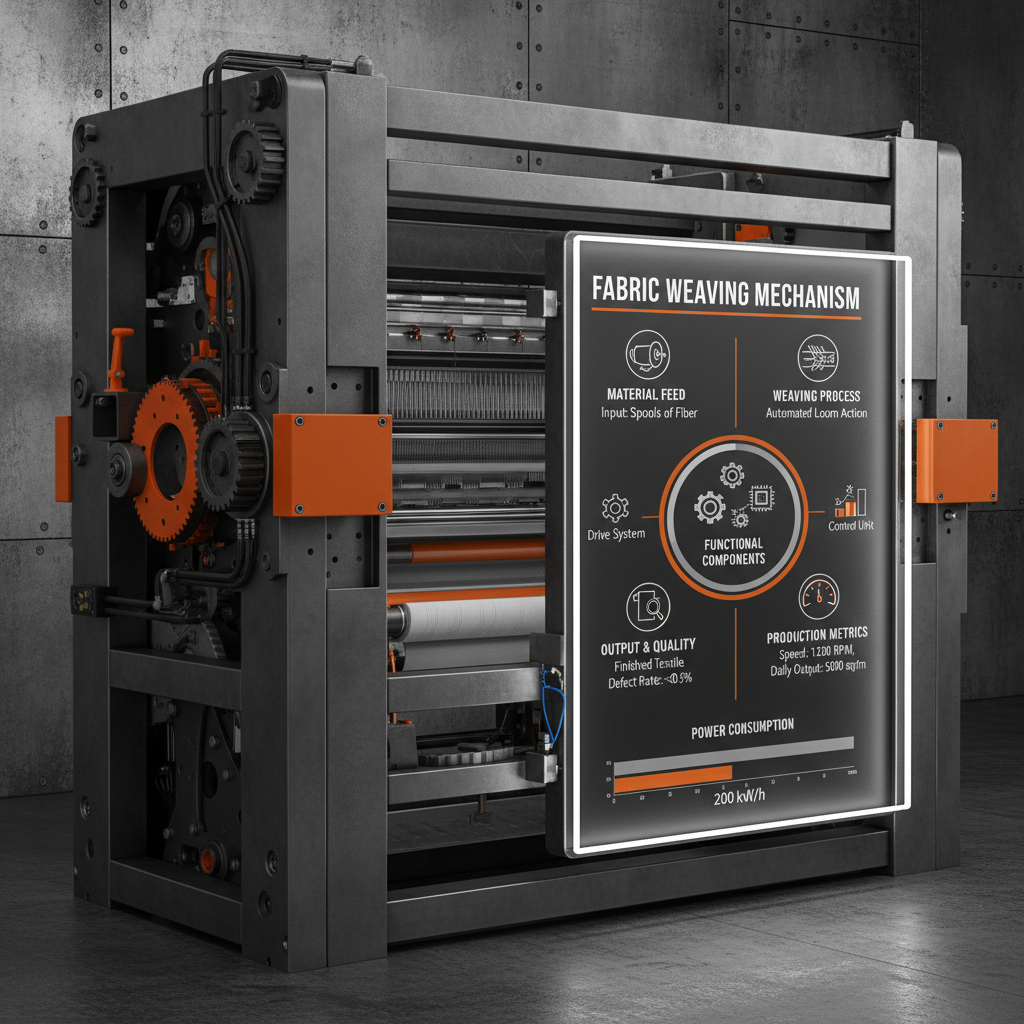
The weaving industry is constantly evolving, driven by innovation. Recent advancements include increased automation, intelligent sensors for quality control, and improved energy efficiency. Many modern machines feature programmable controllers allowing for rapid changeovers between different fabric types and designs. Sophisticated software optimizes weaving parameters for maximum speed and efficiency. Furthermore, there's a growing trend towards developing machines that can handle a wider range of materials, including recycled and sustainable fibers. These advancements are enabling textile manufacturers to produce higher-quality fabrics more efficiently and sustainably.
Finding the Right Machine: Partnering with HK Mesh Machine
Selecting a machine used for weaving fabric is a complex decision. Partnering with a reputable manufacturer like HK Mesh Machine can simplify the process. We offer a comprehensive range of weaving machines to meet diverse needs, along with expert advice and support. Our team can help you assess your requirements, select the optimal machine, and provide ongoing maintenance and training. Contact us today to discuss your weaving needs and explore how we can help you achieve your production goals.
Conclusion: Investing in the Future of Weaving
Choosing the right weaving machine is an investment in the future of your textile business. By carefully considering your needs and partnering with a trusted provider like HK Mesh Machine, you can optimize your production process, improve fabric quality, and stay ahead of the competition.
Frequently Asked Questions (FAQs)
What is the typical energy consumption of a modern weaving machine?
Energy consumption varies significantly based on the machine type, size, and production speed. However, modern air-jet looms are generally more energy-efficient than older shuttle looms. Manufacturers are increasingly incorporating energy-saving features, such as variable frequency drives and optimized air compression systems. Typical energy consumption for a modern air-jet loom can range from 0.5 to 1.5 kWh per hour, depending on the specific model and operating conditions. Selecting energy-efficient machines and implementing proper maintenance practices can help minimize energy costs.
How often does a weaving machine require maintenance?
Regular maintenance is crucial for ensuring optimal performance and extending the lifespan of a weaving machine. Daily maintenance tasks include cleaning, lubrication, and inspection of key components. More comprehensive maintenance, such as replacing worn parts and calibrating sensors, should be performed monthly or quarterly, depending on the machine's usage. Preventative maintenance schedules recommended by the manufacturer should be strictly followed. Promptly addressing any issues that arise can prevent minor problems from escalating into costly repairs.
What are the common challenges faced in operating a weaving machine?
Common challenges include yarn breakage, weft defects, and machine stoppages. Yarn breakage can be caused by poor yarn quality, incorrect tension settings, or damaged machine components. Weft defects, such as slubs and knots, can affect fabric quality and require careful inspection and repair. Machine stoppages can result from mechanical failures, sensor malfunctions, or power outages. Addressing these challenges requires skilled operators, regular maintenance, and quality control measures.
What types of fabrics can HK Mesh Machine’s weaving machines produce?
HK Mesh Machine offers a versatile range of weaving machines capable of producing a wide variety of fabrics. These include industrial textiles, upholstery fabrics, clothing materials, mesh fabrics, and specialized textiles for diverse applications. Our machines can handle a broad spectrum of yarn types, including polyester, nylon, polypropylene, and cotton. We can tailor our machines to meet specific customer requirements, enabling the production of fabrics with unique textures, patterns, and properties.