


Fiberglass Mesh Weaving Machines: A Comprehensive Guide
The demand for fiberglass mesh is steadily increasing across various industries, including construction, automotive, and marine applications. This growth necessitates efficient and reliable fiberglass mesh weaving machines. This article will explore the intricacies of these machines, their types, applications, key features, and what to consider when making a purchase. We'll delve into the benefits of choosing a high-quality machine to optimize production and meet the rising market demands. Investing in the right machinery is crucial for businesses aiming to maintain a competitive edge in the fiberglass mesh market.
Understanding Fiberglass Mesh Weaving Machines
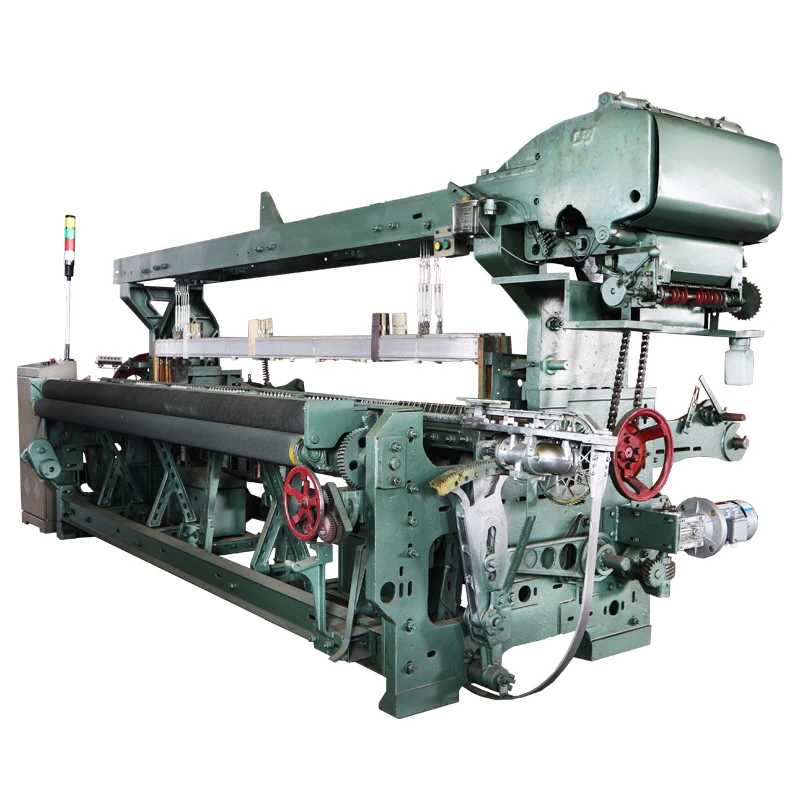
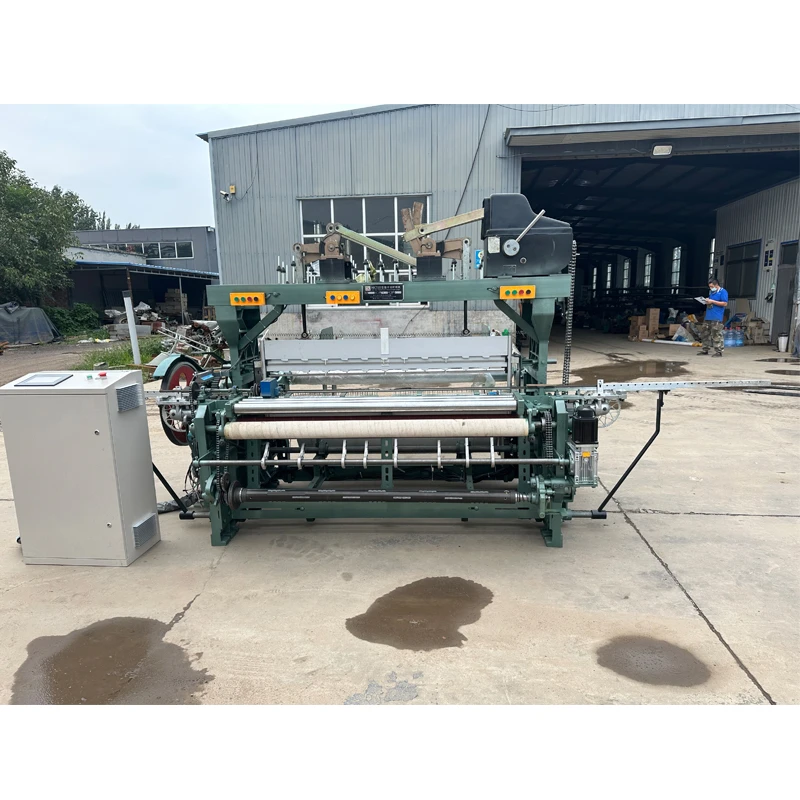
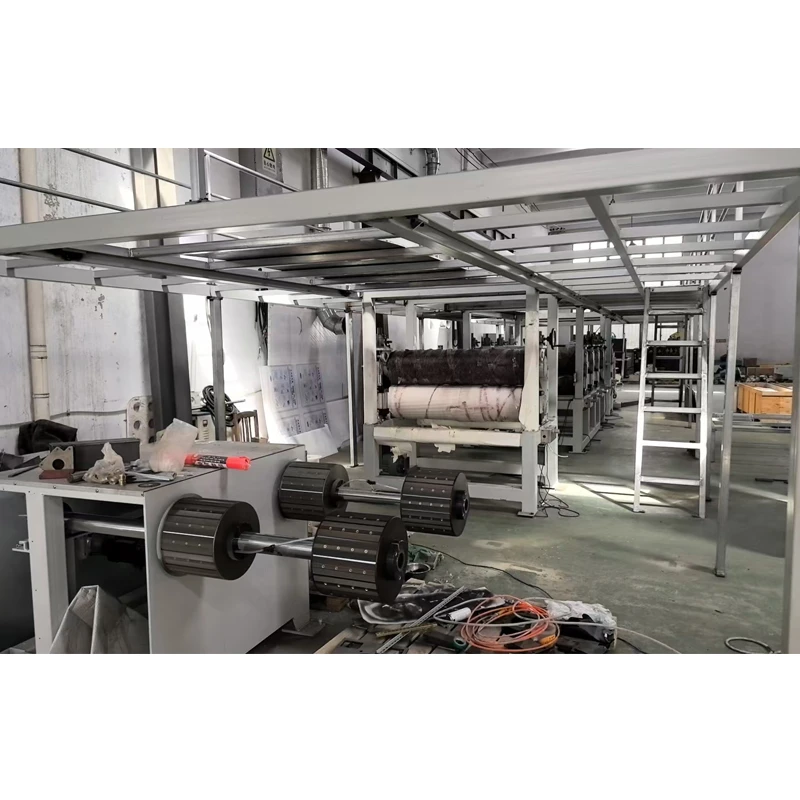
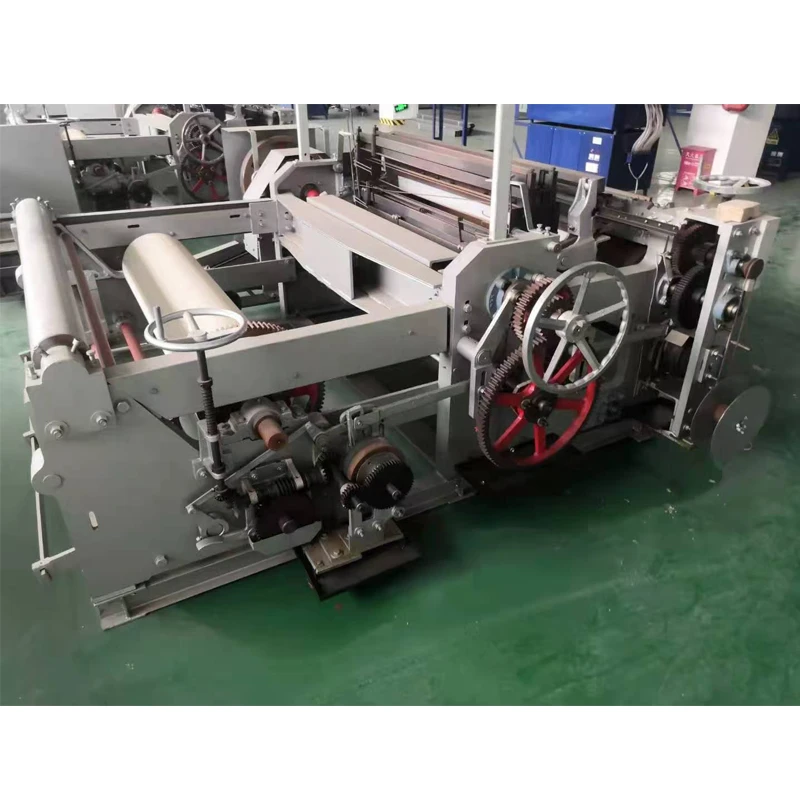
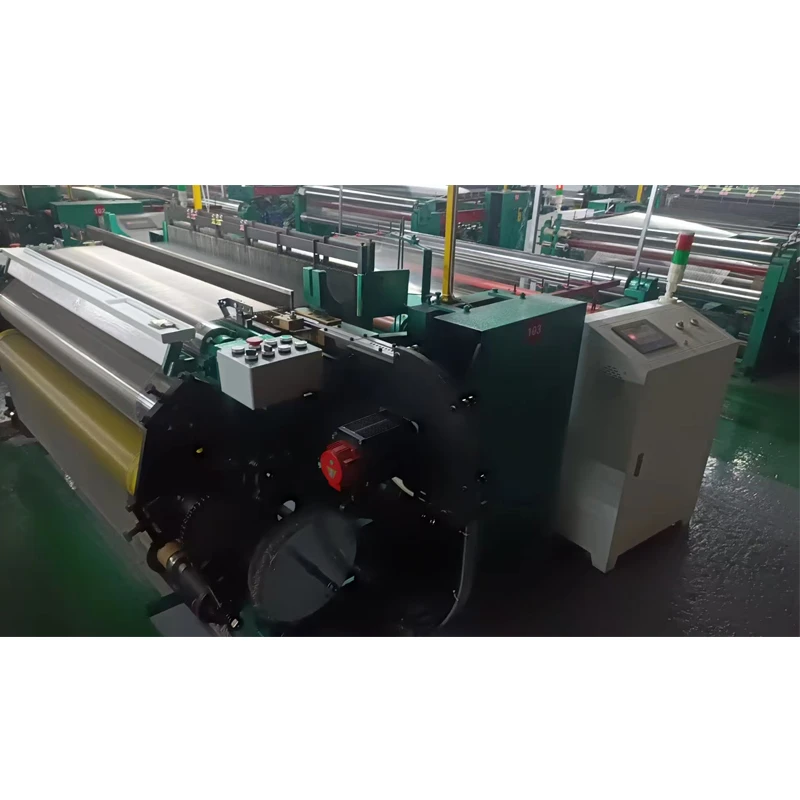
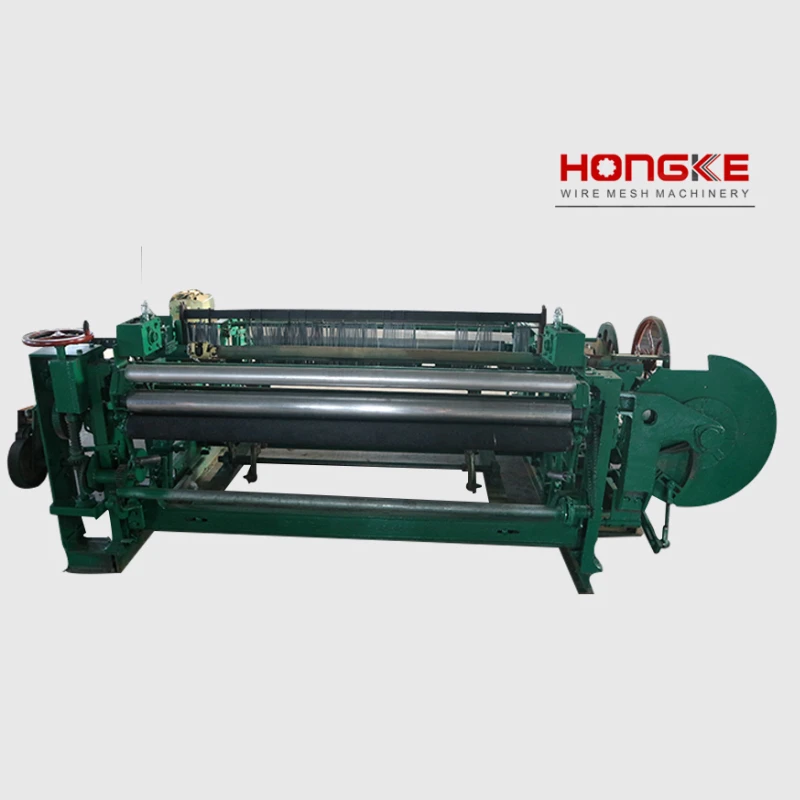
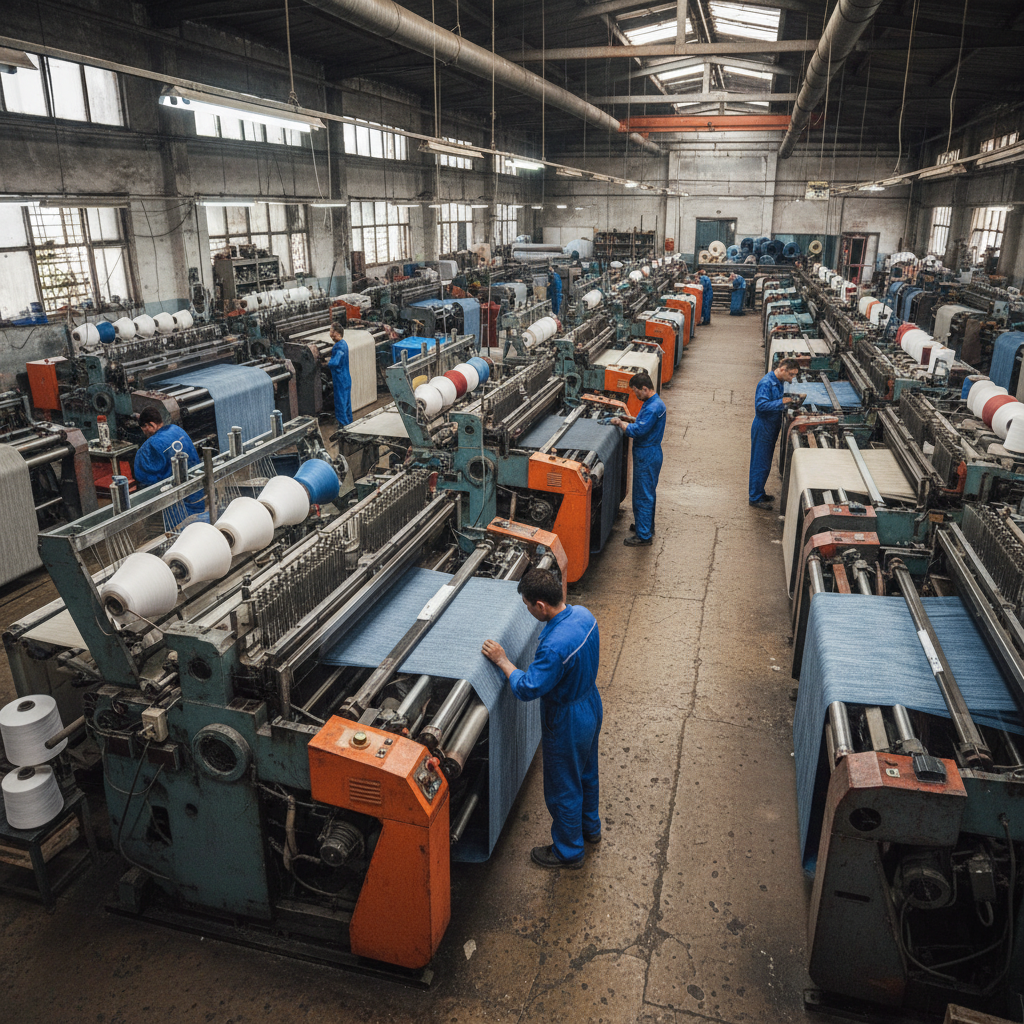
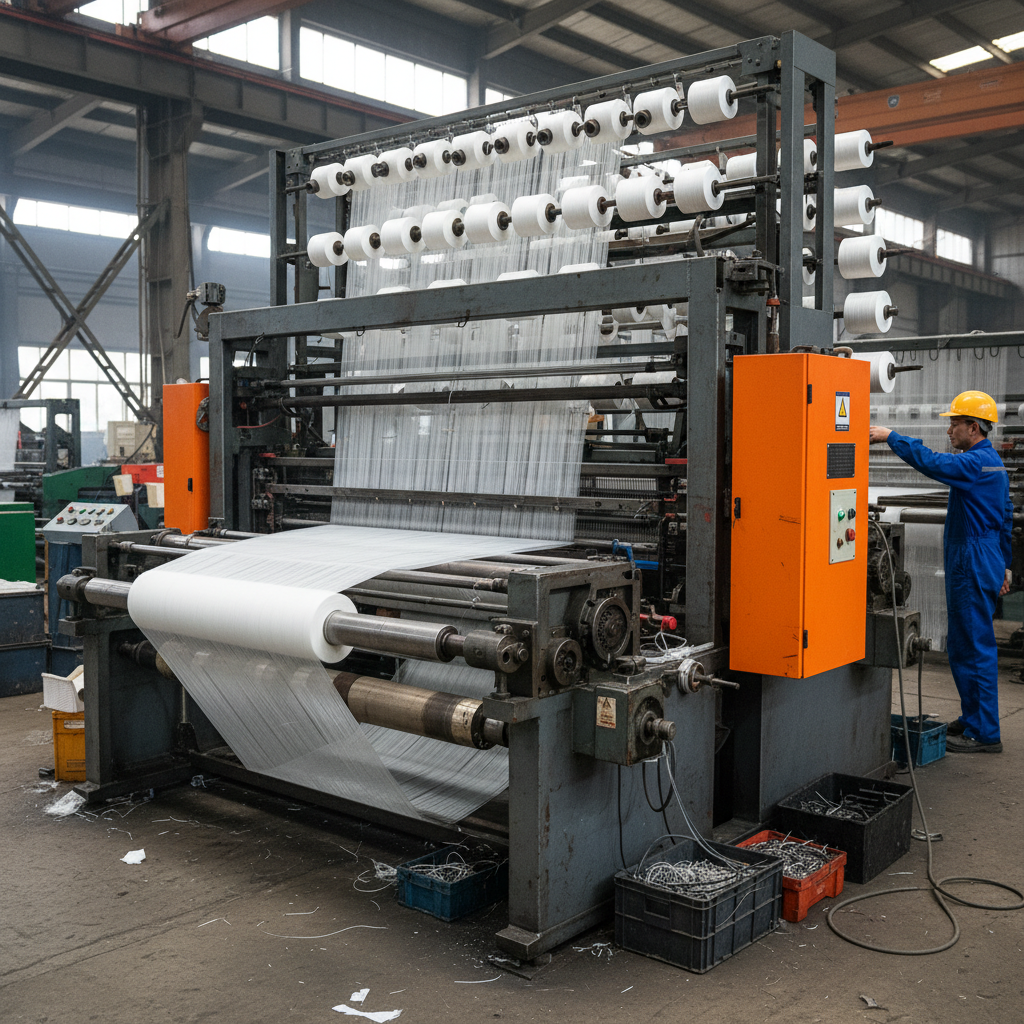
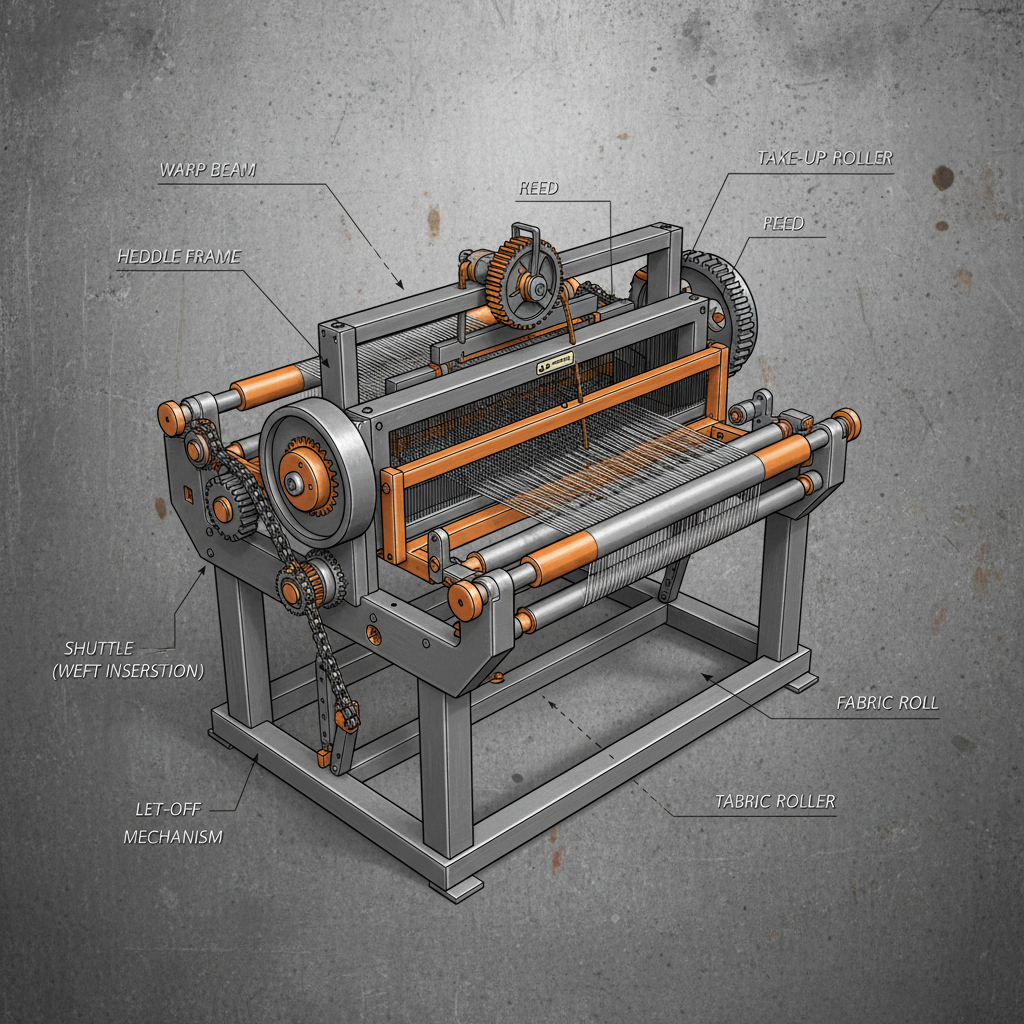
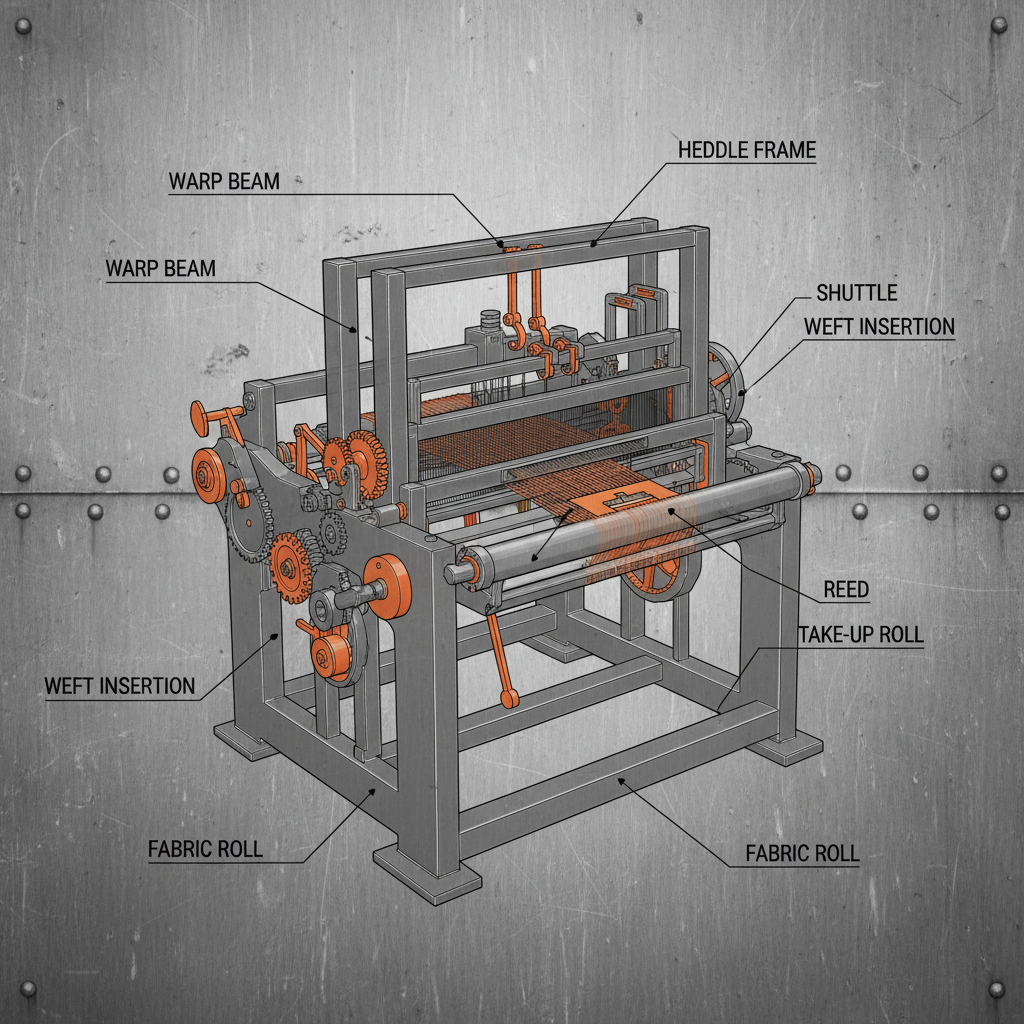
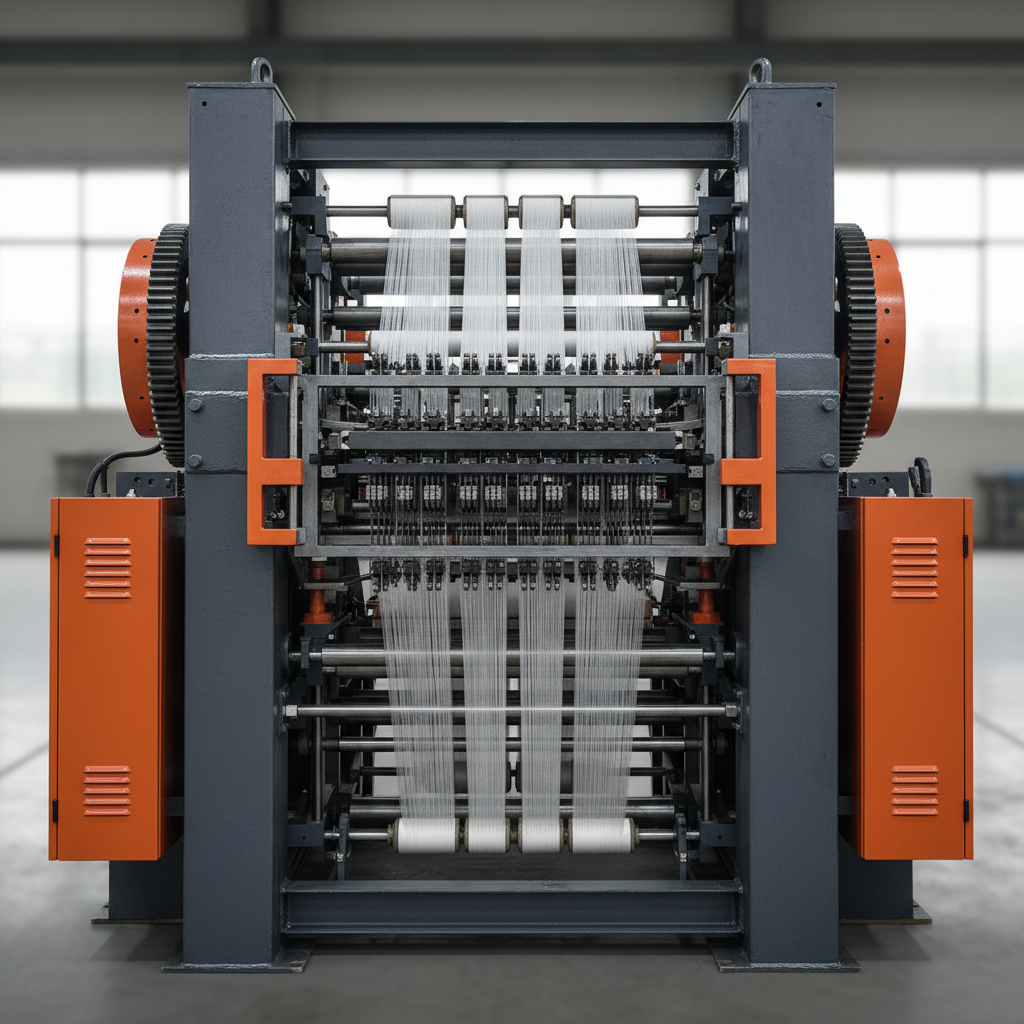
Fiberglass mesh weaving machines are specialized equipment designed to interlace fiberglass yarns into a mesh fabric. These machines are typically automated, ensuring consistent quality and high production rates. The process involves precisely feeding fiberglass yarns through a weaving mechanism, creating a mesh structure with varying aperture sizes and densities. Different types of machines cater to diverse production needs, ranging from small-scale operations to large industrial facilities. The efficiency of a fiberglass mesh weaving machine directly impacts the cost-effectiveness of fiberglass mesh production.
Key Benefits: Increased production efficiency, consistent mesh quality, reduced labor costs, and adaptable to diverse mesh specifications.
Types of Fiberglass Mesh Weaving Machines
Several types of fiberglass mesh weaving machines are available, each suited for specific applications and production volumes. The most common types include rapier weaving machines, shuttleless weaving machines, and multi-axial weaving machines. Rapier machines utilize a rapier to insert the weft yarn, offering versatility in weaving different patterns. Shuttleless machines, such as air-jet and water-jet machines, use air or water to propel the weft yarn, resulting in faster production speeds. Multi-axial machines are designed to create multi-directional fiberglass mesh, ideal for applications requiring high strength and stiffness. HK Mesh Machine specializes in providing innovative solutions for all types of fiberglass mesh production.
Key Machine Types:
• Rapier Weaving Machines
• Shuttleless Weaving Machines (Air-Jet, Water-Jet)
• Multi-axial Weaving Machines
Key Features to Consider When Purchasing a Fiberglass Mesh Weaving Machine
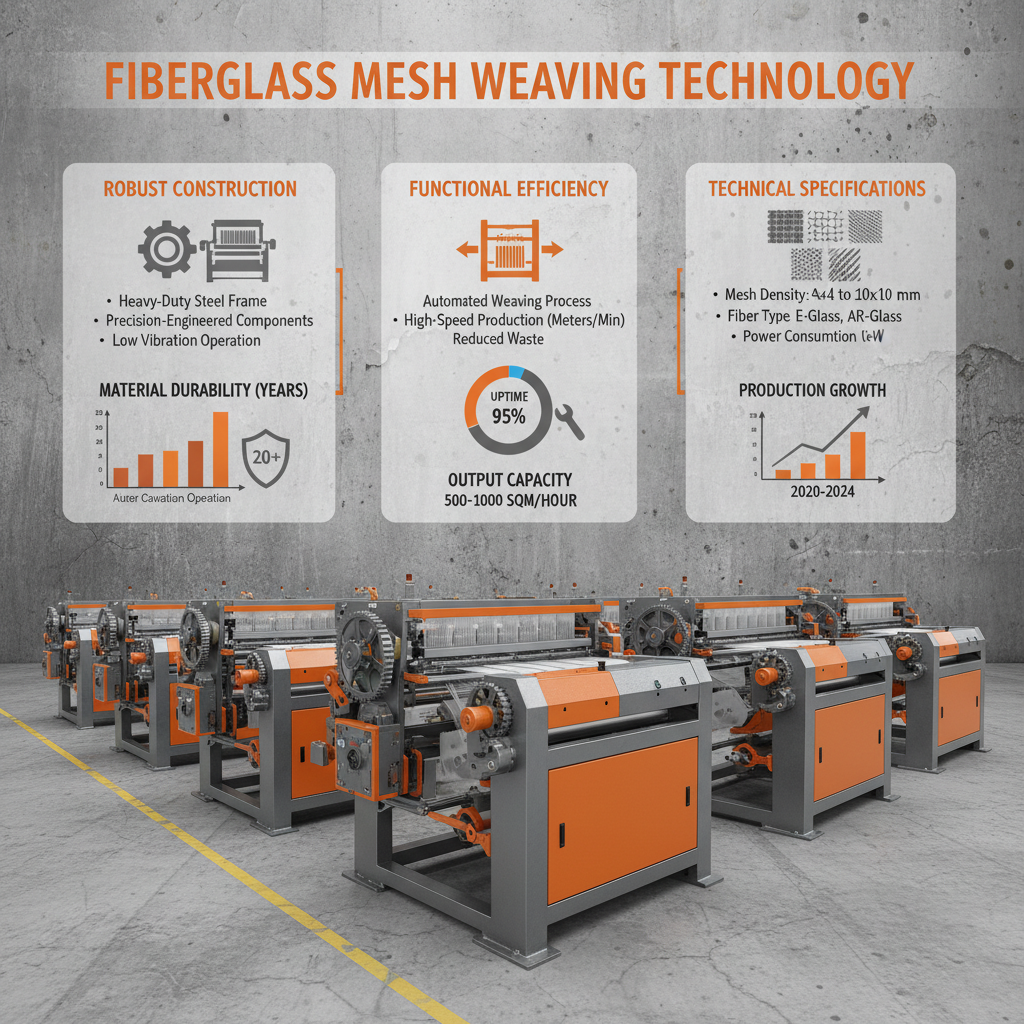
Selecting the right fiberglass mesh weaving machine requires careful consideration of several key features. Production capacity is a primary factor, as it determines the volume of mesh that can be produced within a given timeframe. Automation level impacts labor costs and production consistency. The machine's ability to handle different yarn types and mesh specifications is also crucial. Look for machines with user-friendly interfaces, robust construction, and reliable after-sales support. Energy efficiency and maintenance requirements should also be factored into your decision. HK Mesh Machine provides machines with advanced control systems and robust build quality.
Applications of Fiberglass Mesh Woven by These Machines
Fiberglass mesh produced by these machines finds widespread application across various industries. In construction, it’s used for reinforcing concrete, creating lightweight building materials, and producing wall coverings. The automotive industry utilizes fiberglass mesh for manufacturing body panels and interior components. Marine applications include boat hulls and decks. Furthermore, fiberglass mesh is employed in the production of filters, screens, and protective fabrics. The versatility of fiberglass mesh, coupled with its strength and durability, drives continued demand for high-quality fiberglass mesh weaving machines.
Selecting the Right Supplier: Why Choose HK Mesh Machine?
Choosing a reputable supplier is as important as selecting the right machine. HK Mesh Machine offers a comprehensive range of fiberglass mesh weaving machines, coupled with exceptional customer service and technical support. We specialize in providing customized solutions to meet unique production requirements. Our machines are built with high-quality components, ensuring reliability and longevity. We also offer installation, training, and maintenance services to ensure your operation runs smoothly. With years of experience in the industry, HK Mesh Machine is a trusted partner for businesses seeking to optimize their fiberglass mesh production.
Conclusion: Investing in Quality Fiberglass Mesh Weaving Machines
Investing in a high-quality fiberglass mesh weaving machine from a reputable supplier like HK Mesh Machine is a strategic decision that can significantly enhance your production capabilities and profitability. By considering your specific needs and choosing the right machine, you can ensure consistent quality, increased efficiency, and a competitive advantage in the market.
Frequently Asked Questions (FAQs)
What is the typical power consumption of a fiberglass mesh weaving machine?
Power consumption varies depending on the machine's size, automation level, and production speed. Smaller, manually operated machines might consume around 3-5 kW, while larger, fully automated machines can require 10-20 kW or more. Choosing energy-efficient models and optimizing production processes can help minimize energy costs. HK Mesh Machine offers machines designed with energy efficiency in mind, helping you reduce your operational expenses.
What kind of maintenance is required for these machines?
Regular maintenance is crucial for ensuring the longevity and optimal performance of fiberglass mesh weaving machines. This includes lubricating moving parts, inspecting and replacing worn components (such as reeds, heddles, and rapier tapes), cleaning the machine regularly, and checking the tension of yarns. Annual professional servicing is also recommended. HK Mesh Machine provides comprehensive maintenance plans and readily available spare parts.
What safety precautions should be taken when operating these machines?
Safety is paramount when operating fiberglass mesh weaving machines. Always wear appropriate personal protective equipment (PPE), including safety glasses, ear protection, and gloves. Ensure the machine is properly grounded and that all safety guards are in place. Never attempt to repair or adjust the machine while it's running. Provide adequate training to all operators and strictly enforce safety procedures. Regularly inspect the machine for any potential hazards.
What is the lead time for ordering a new machine from HK Mesh Machine?
Lead times can vary depending on the machine model and current production schedule. Typically, standard machines have a lead time of 4-8 weeks. Customized machines may require a longer lead time, often 8-12 weeks. We strive to provide accurate lead time estimates during the quotation process and maintain transparent communication with our clients throughout the production process. Contact HK Mesh Machine for a specific quote and timeline.