


Understanding Spinning and Weaving Machines for Global Textile Production
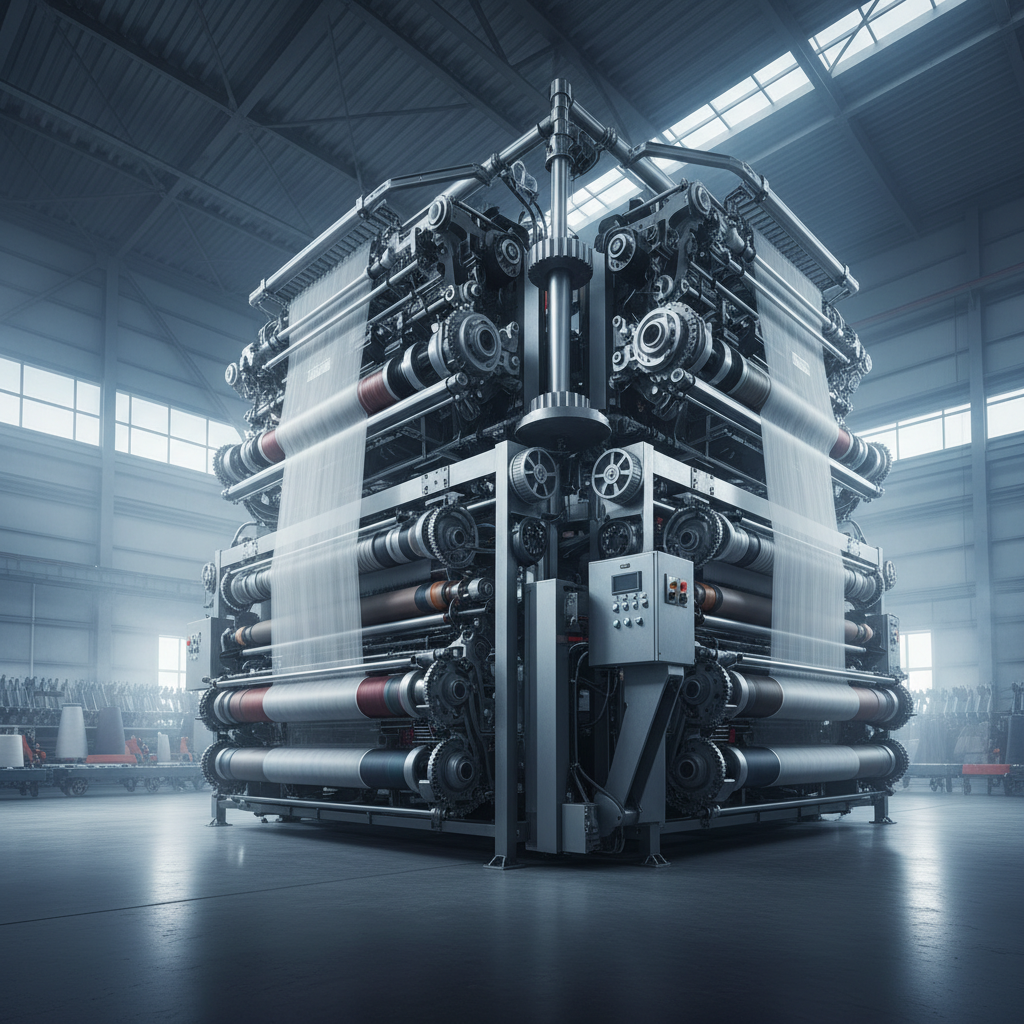
The textile industry is a cornerstone of global trade, and at its heart lie sophisticated spinning and weaving machines. These machines are essential for transforming raw fibers into the fabrics we use daily. This article explores the different types of spinning and weaving machines, their applications, technological advancements, and key considerations for businesses looking to invest in these crucial pieces of equipment. As a leading provider of textile machinery, HK Mesh Machine understands the intricacies of these processes and offers a range of solutions for diverse textile needs.
The Fundamentals of Spinning Machines
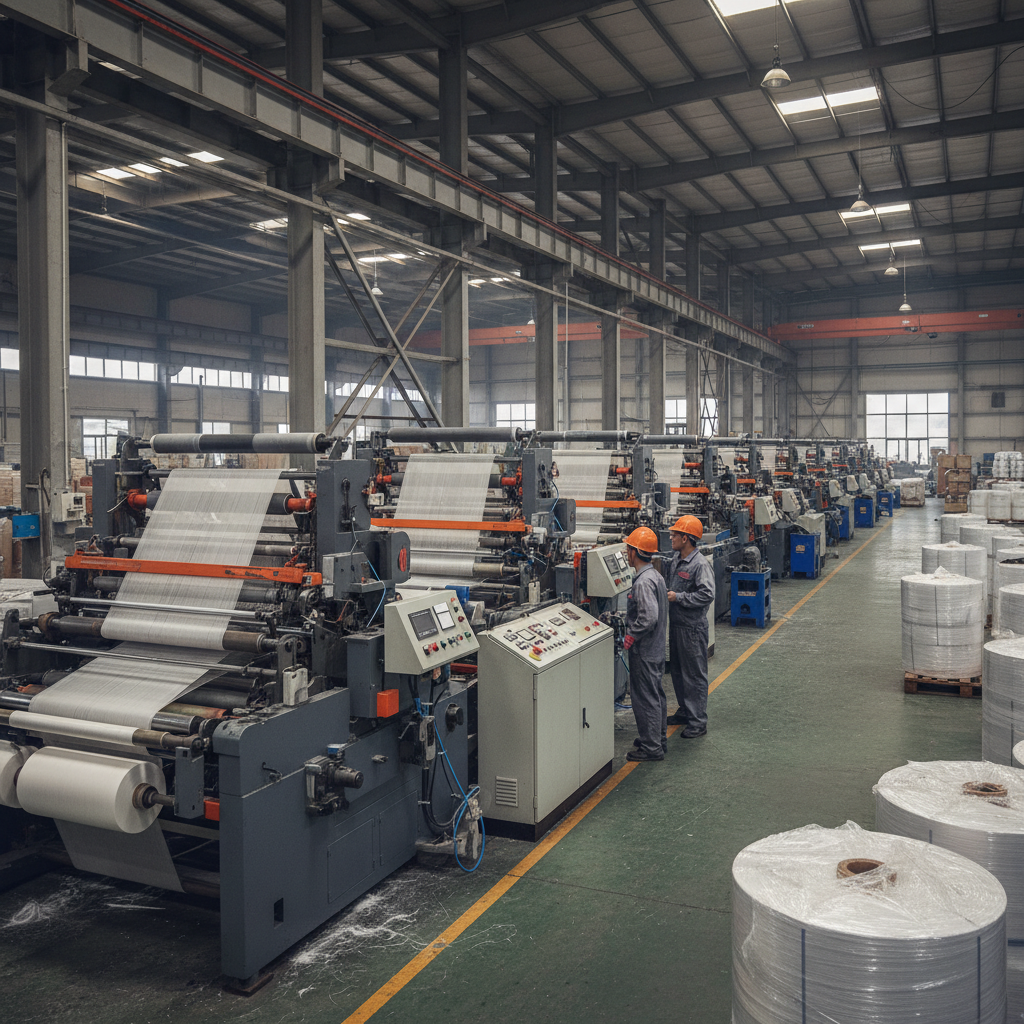
Spinning machines are responsible for converting fibers – like cotton, wool, or synthetics – into yarn. Historically, this was a manual process, but modern spinning machines are highly automated and efficient. There are several key types of spinning machines, each suited to different fiber types and yarn qualities. Ring spinning is a common method, creating strong, smooth yarns. Open-end spinning, also known as rotor spinning, is faster and more cost-effective, often used for coarser yarns. Air-jet spinning offers a balance of speed and quality, and is increasingly popular for various applications. Selecting the right spinning machine is crucial for meeting specific yarn requirements and production targets.
Key Highlights: Modern spinning machines significantly increase yarn production speed, reduce labor costs, and ensure consistent yarn quality, vital for maintaining competitiveness in the global market.
Weaving Machines: From Simple to Complex
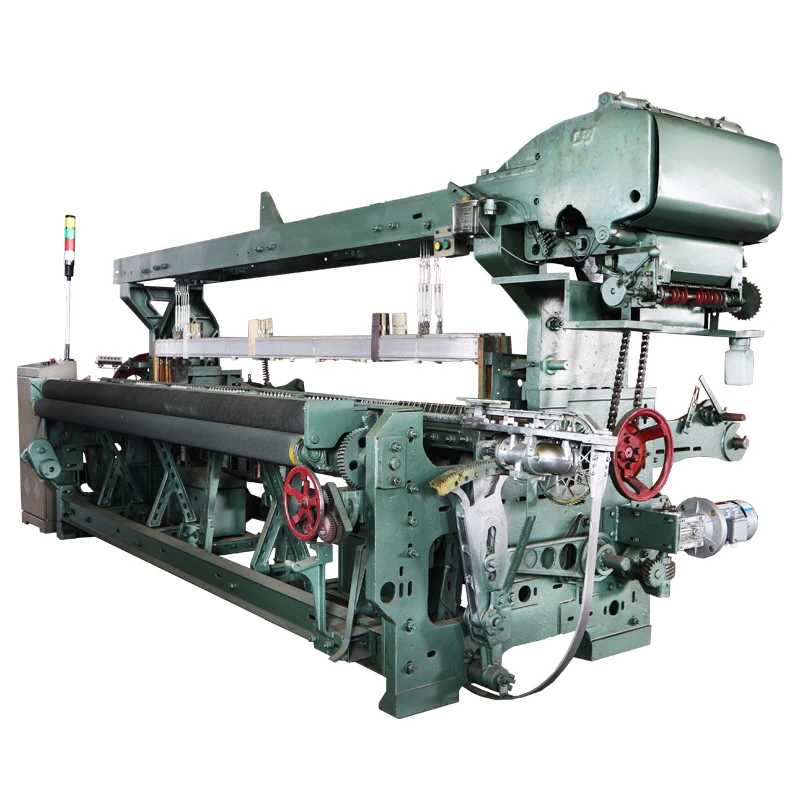
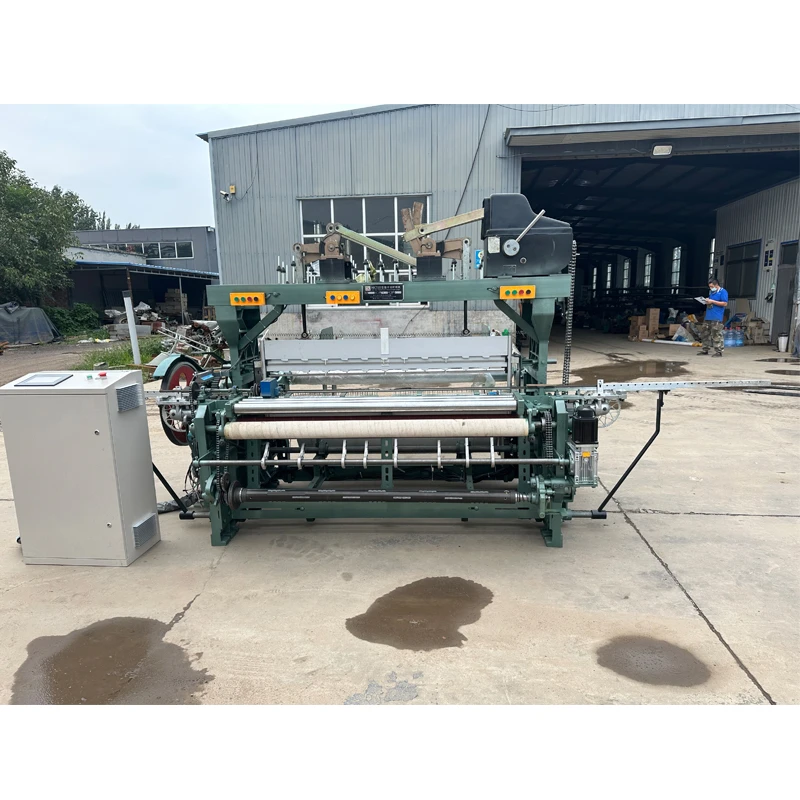
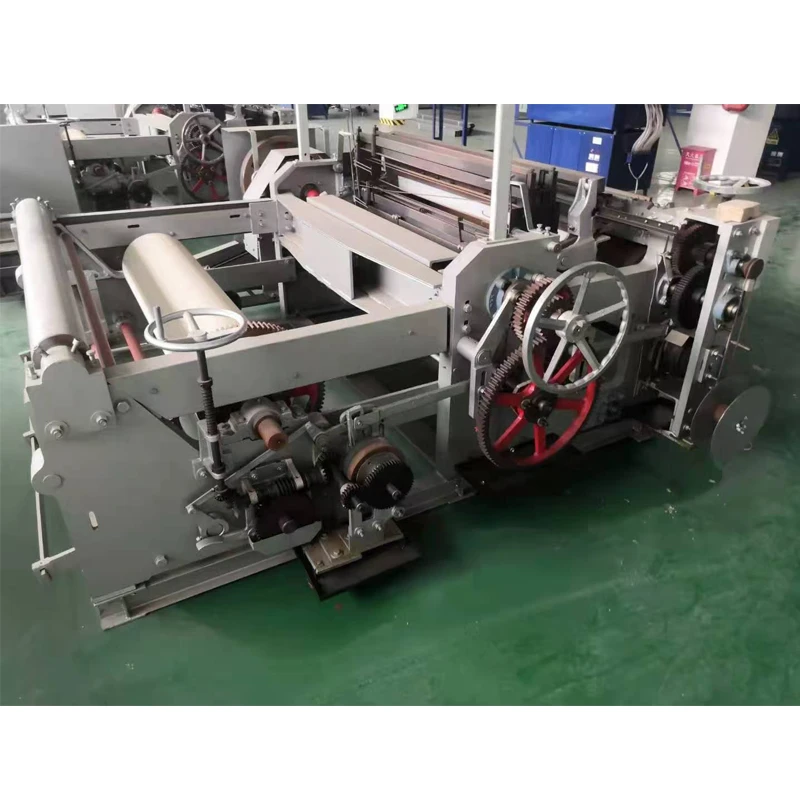
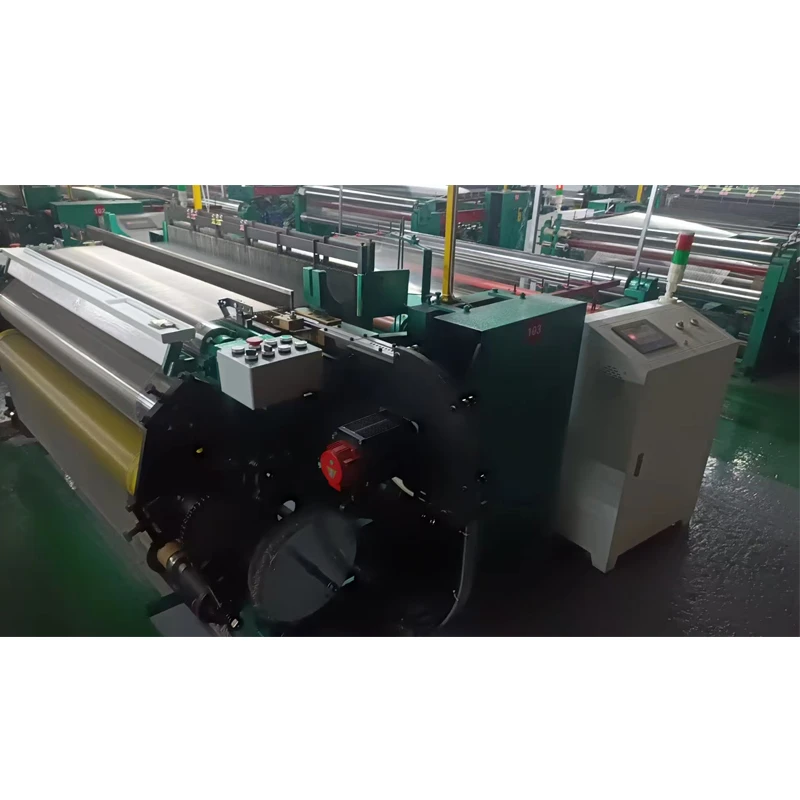
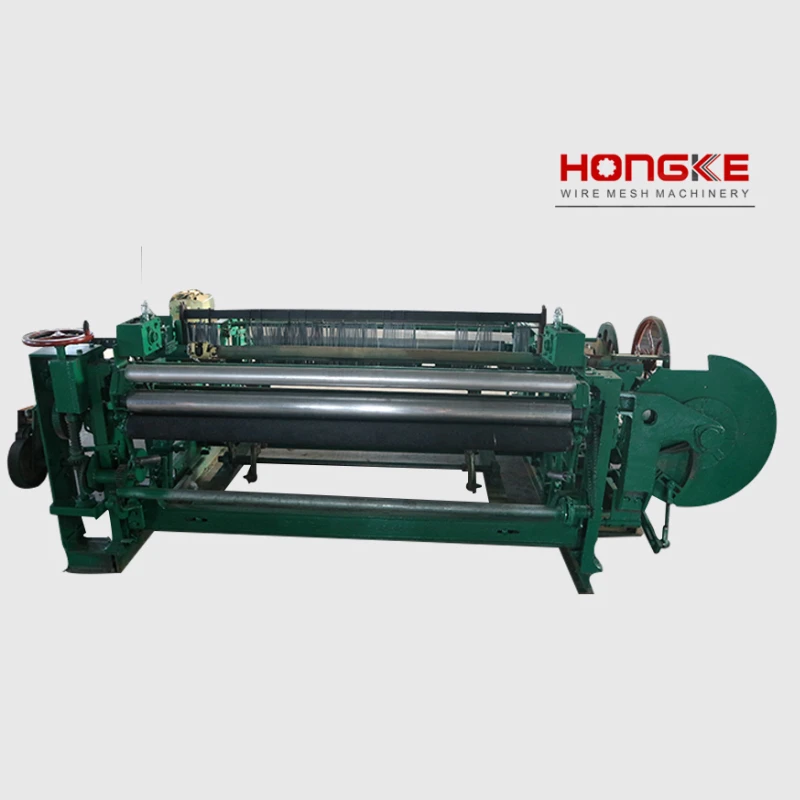
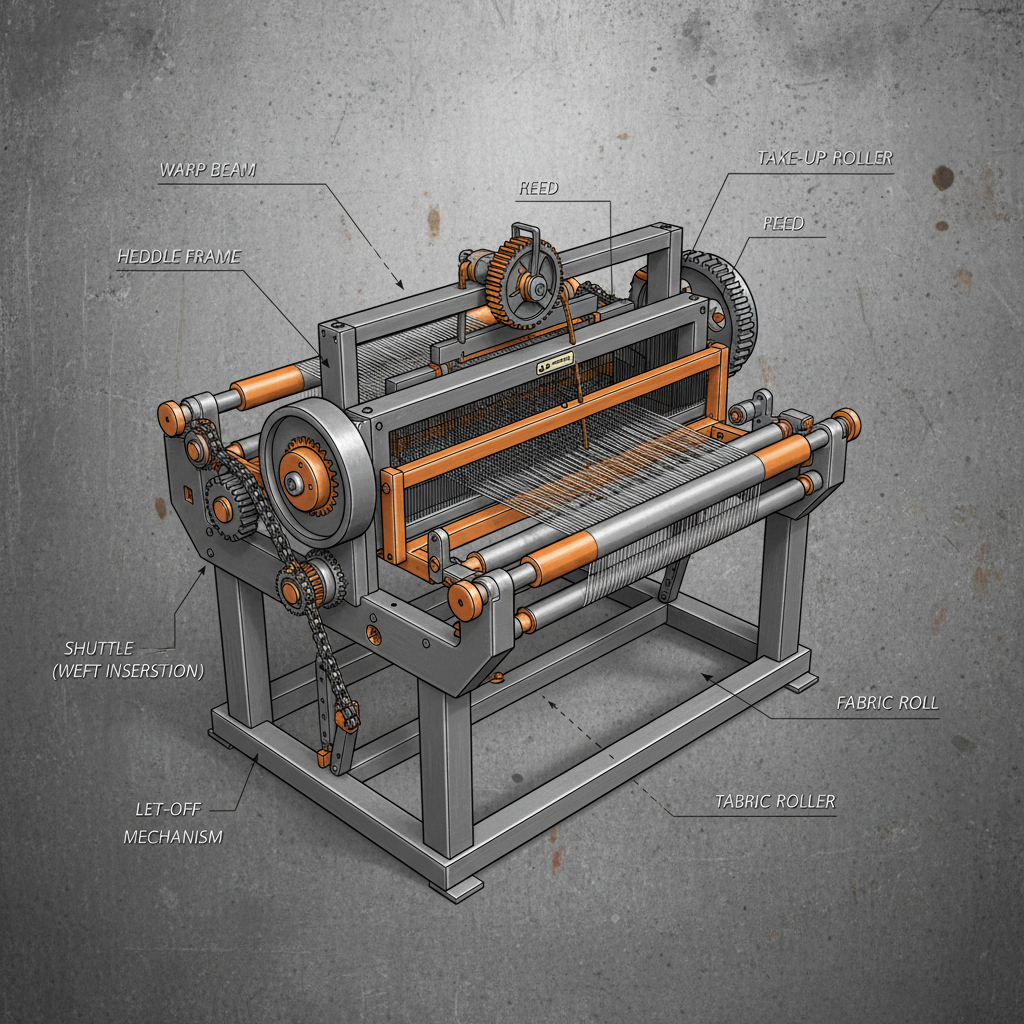
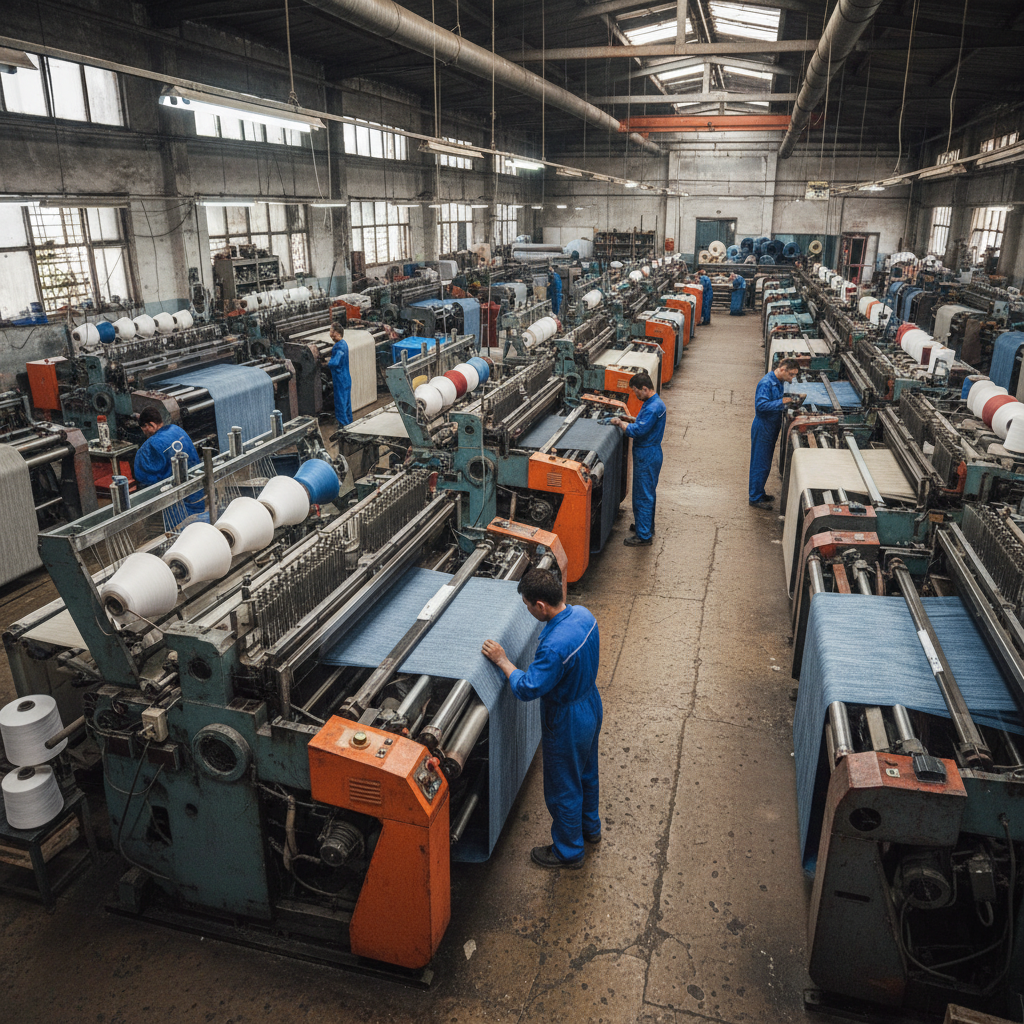
Once yarn is produced, it's transformed into fabric through weaving. Weaving machines interlace two sets of yarns – the warp (lengthwise) and the weft (crosswise) – to create a woven structure. There are several distinct types of weaving machines. Shuttle looms are a traditional, albeit slower, option. Rapier looms are faster and more versatile, suitable for a wide range of fabrics. Air-jet looms utilize jets of air to propel the weft yarn, resulting in high-speed production. Water-jet looms, as the name suggests, use water jets for weft insertion, and are well-suited for synthetic fabrics. The choice of weaving machine depends on factors like the desired fabric type, production volume, and budget.
Key Benefits of Modern Weaving Machines:
• Increased production speed and efficiency.
• Reduced labor requirements.
• Ability to produce a wide variety of fabrics.
• Enhanced fabric quality and consistency.
Spinning and Weaving Machine Comparison
Understanding the differences between various spinning and weaving technologies is crucial for informed decision-making. This comparison table provides a quick overview of key features and applications. Choosing the right machine combination can dramatically impact a textile mill’s productivity and profitability. HK Mesh Machine specialists can assist in evaluating specific needs and recommending optimal solutions.
Technological Advancements in Spinning and Weaving
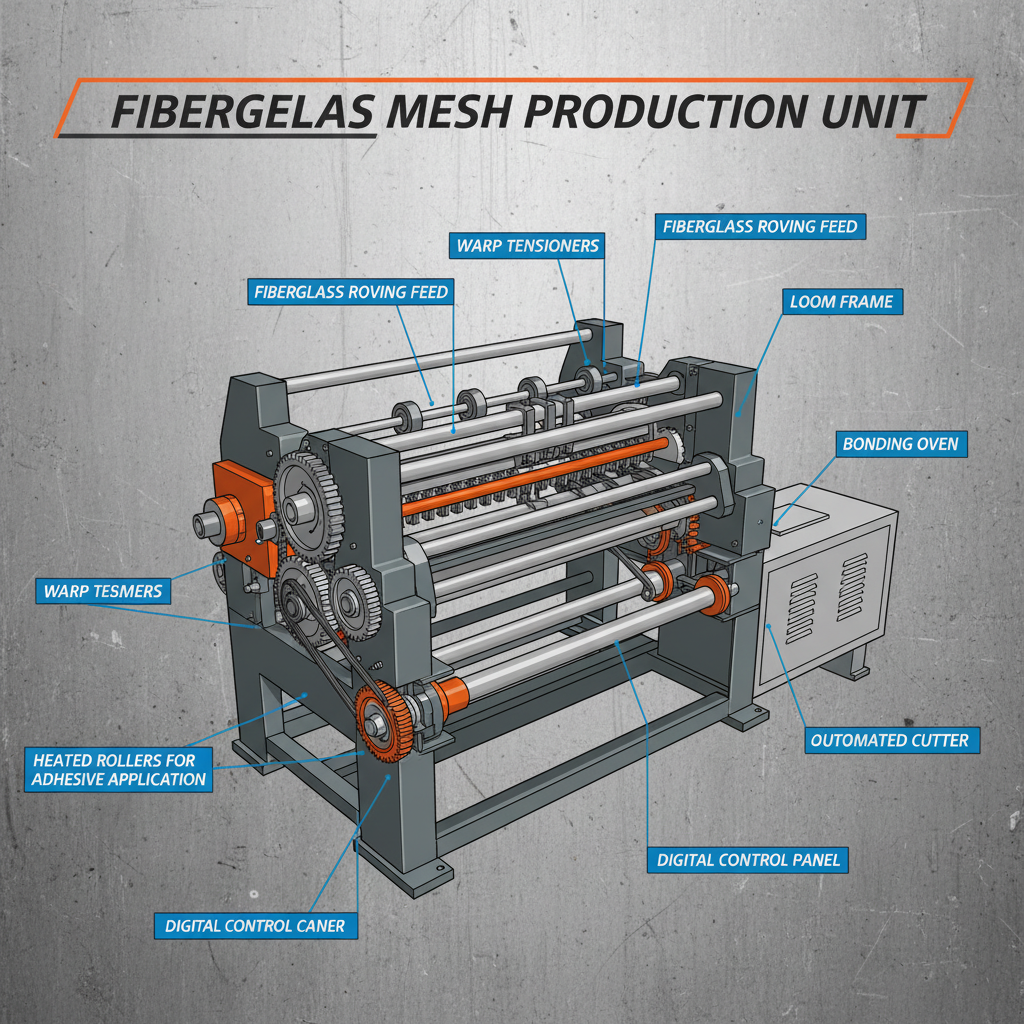
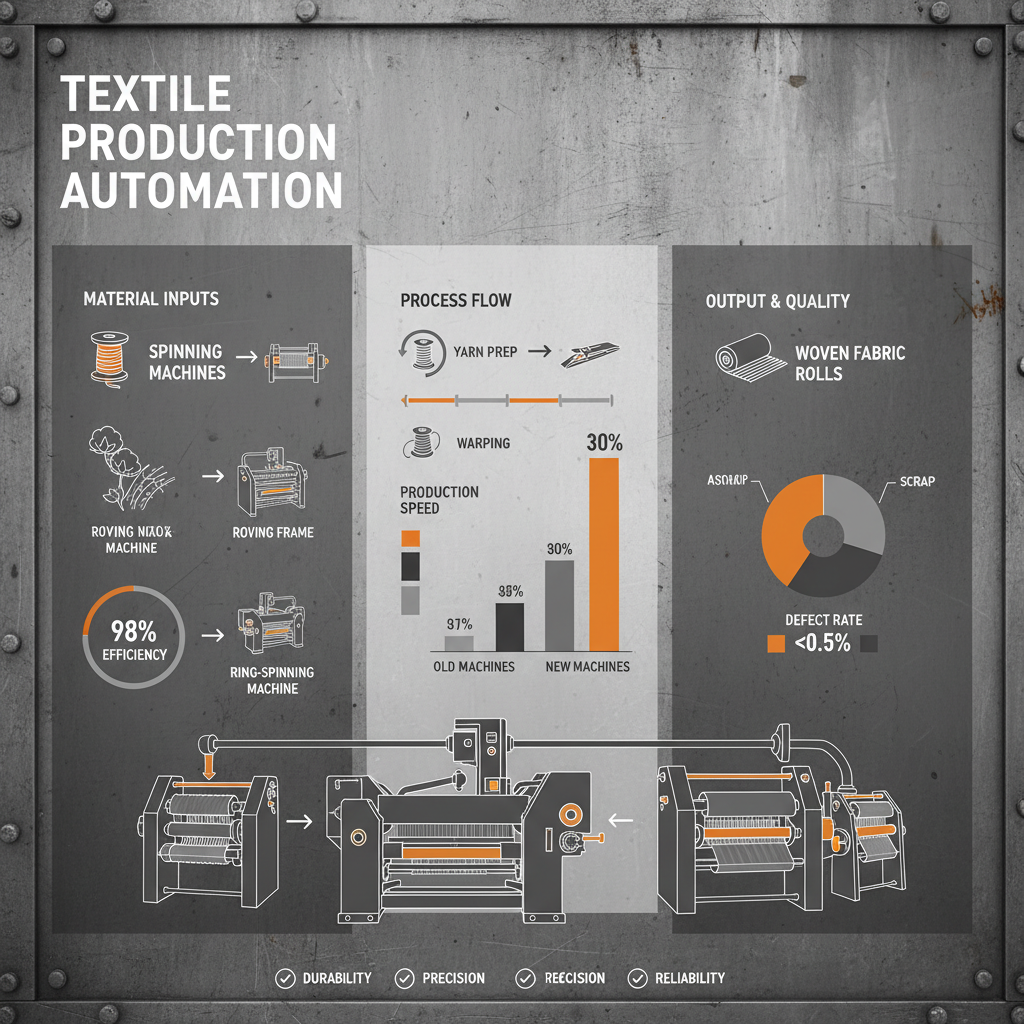
The textile industry is rapidly evolving with the integration of automation, artificial intelligence, and data analytics. Smart spinning and weaving machines can optimize performance, predict maintenance needs, and reduce waste. Digital controls allow for precise adjustments and customized fabric production. Furthermore, the development of sustainable technologies, such as energy-efficient motors and water-saving systems, are becoming increasingly important. HK Mesh Machine is committed to providing cutting-edge technology that helps our clients remain competitive and environmentally responsible.
Choosing the Right Spinning and Weaving Machines: Key Considerations
Selecting the appropriate spinning and weaving machine requires careful consideration of several factors. These include the type of fiber being processed, the desired fabric characteristics, production volume, budget constraints, and available space. It's also essential to factor in maintenance costs, energy efficiency, and the availability of technical support. Partnering with a reputable supplier, such as HK Mesh Machine, can provide valuable expertise and ensure a successful investment.
Conclusion: Investing in the Future of Textile Manufacturing
Investing in advanced spinning and weaving machines is crucial for textile businesses looking to thrive in a competitive global market. By embracing technological advancements and partnering with experienced providers like HK Mesh Machine, companies can enhance their productivity, improve product quality, and achieve long-term success. Don't compromise on the quality and efficiency of your textile production – choose the right machinery for your needs.
Frequently Asked Questions (FAQs)
What is the typical lifespan of a modern spinning machine?
The lifespan of a spinning machine depends heavily on usage intensity, maintenance, and the quality of the machine itself. With regular preventative maintenance and proper operation, a well-built spinning machine can reliably operate for 15-20 years. However, significant technological advancements occur frequently, so many mills opt to upgrade their machinery every 10-12 years to remain competitive and take advantage of improved efficiency and features. Regular inspections and timely replacement of wear parts are essential for maximizing lifespan.
How much maintenance do weaving machines require?
Weaving machines require a consistent maintenance schedule to ensure optimal performance and prevent costly breakdowns. Daily tasks include cleaning, lubrication, and visual inspections for worn or damaged parts. Weekly maintenance often involves more thorough inspections of key components like shuttles, rapiers, or air jets. Preventative maintenance, conducted quarterly or annually, includes replacing worn parts, calibrating sensors, and updating software. Proper training for operators is crucial to identify and address minor issues before they escalate into major problems.
What factors influence the cost of spinning and weaving machines?
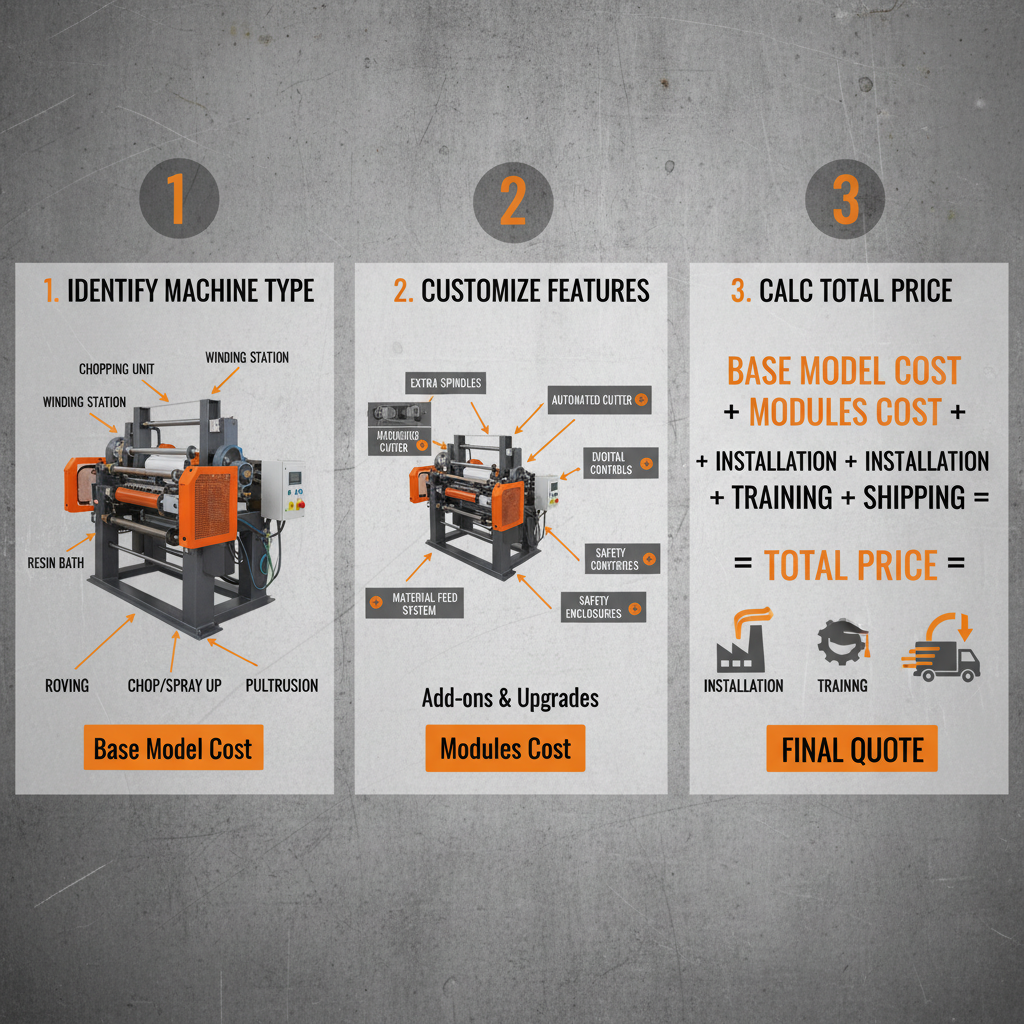
Several factors influence the cost of these machines. The type of machine (ring spinning vs. open-end, rapier weaving vs. air-jet), production capacity, automation level, and brand reputation all play a significant role. Machines with advanced features like automatic doffing, fault detection, and data analytics will generally be more expensive. Additionally, the complexity of the machine, the materials used in its construction, and the after-sales service provided by the manufacturer also impact the overall cost.
What are the sustainability considerations when choosing these machines?
Sustainability is increasingly important in the textile industry. Look for machines with energy-efficient motors, optimized air and water usage, and reduced waste generation. Some manufacturers offer machines designed to process recycled fibers or utilize eco-friendly dyes. Consider the machine's lifespan and the availability of replacement parts to minimize the need for frequent replacements. Choosing a supplier committed to sustainable practices, like HK Mesh Machine, can help you reduce your environmental footprint.