




 Mar . 04, 2026
Comprehensive Guide to Fiberglass Mesh Production Line Selection and Operation
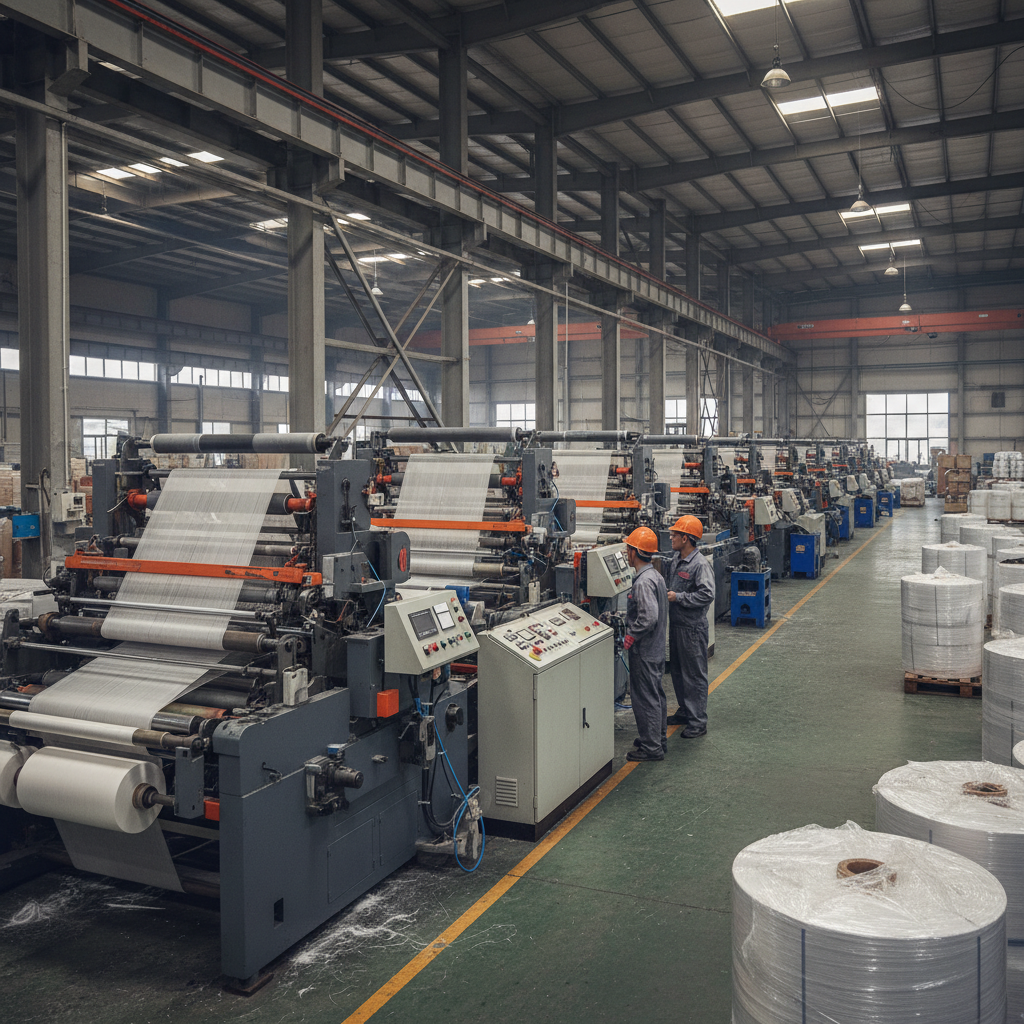
Fiberglass mesh is a versatile material widely used in construction, automotive, and various industrial applications. A reliable fiberglass mesh production line is crucial for manufacturers aiming to meet growing market demands efficiently and with consistent quality. This article will delve into the components, process, and key considerations when selecting a production line, providing a detailed overview for businesses in the fiberglass mesh industry. Investing in the right equipment ensures optimal production capacity, reduces waste, and ultimately, boosts profitability. A typical fiberglass mesh production line comprises several key components working in synergy. These include unwinding machines for fiberglass yarn, weaving machines (often utilizing jacquard or multi-axial weaving techniques), coating systems to apply binding agents, drying ovens to cure the coating, and finally, winding and cutting machines to prepare the finished mesh for packaging. The weaving machine is arguably the heart of the line, determining the mesh’s structure and density.
 Mar . 03, 2026
Comprehensive Guide to Fiberglass Machines and Their Diverse Industrial Applications
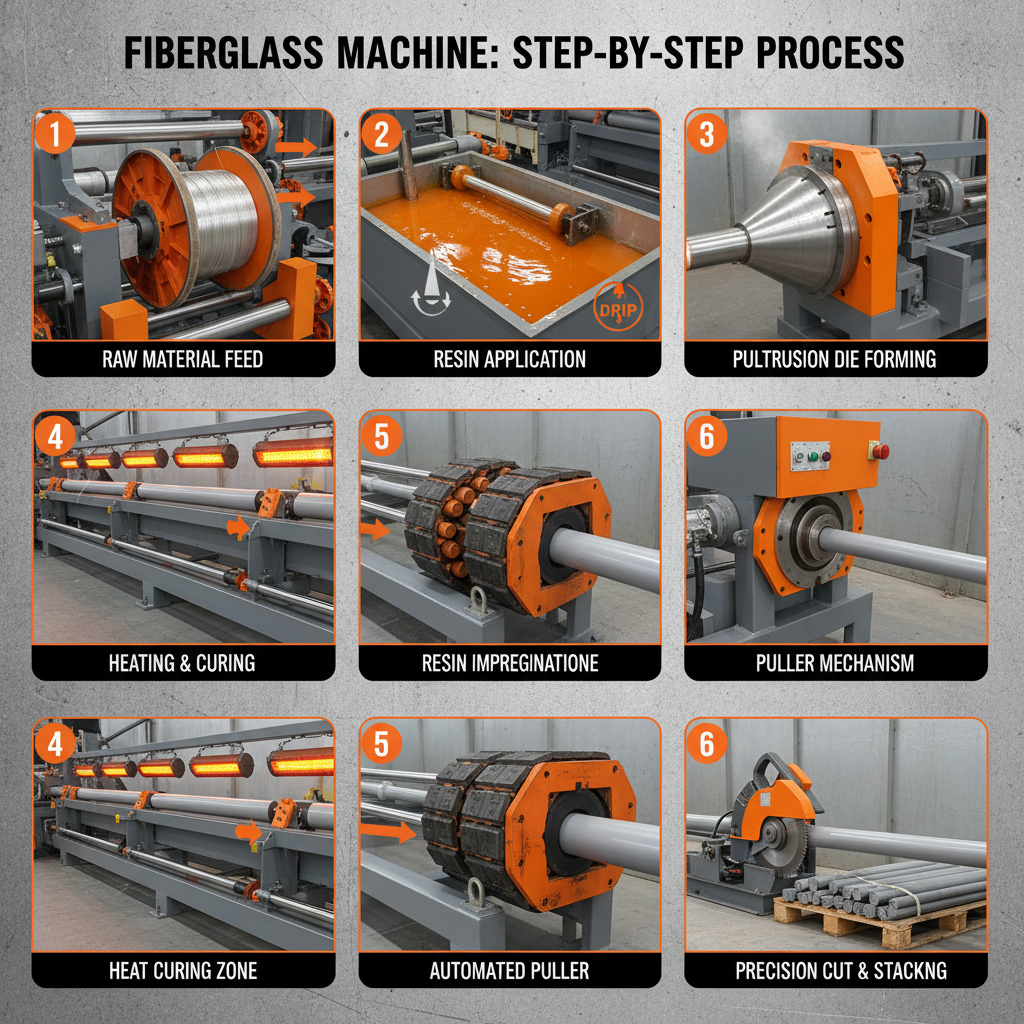
Fiberglass machines are instrumental in producing a wide array of composite materials crucial across diverse industries. From automotive components and marine vessels to construction materials and aerospace applications, these machines enable the creation of lightweight, strong, and corrosion-resistant products. This article provides an in-depth look at fiberglass machines, exploring their types, applications, benefits, and considerations when choosing the right machine for your needs. Understanding the nuances of these machines can significantly improve production efficiency and product quality. Several types of machines are employed in fiberglass manufacturing, each designed for specific processes and applications. Common categories include pultrusion machines, filament winding machines, spray-up machines, resin transfer molding (RTM) machines, and compression molding machines. The versatility of fiberglass materials translates to a wide range of applications. The automotive industry utilizes fiberglass for body panels, interior components, and structural parts, reducing vehicle weight and improving fuel efficiency.


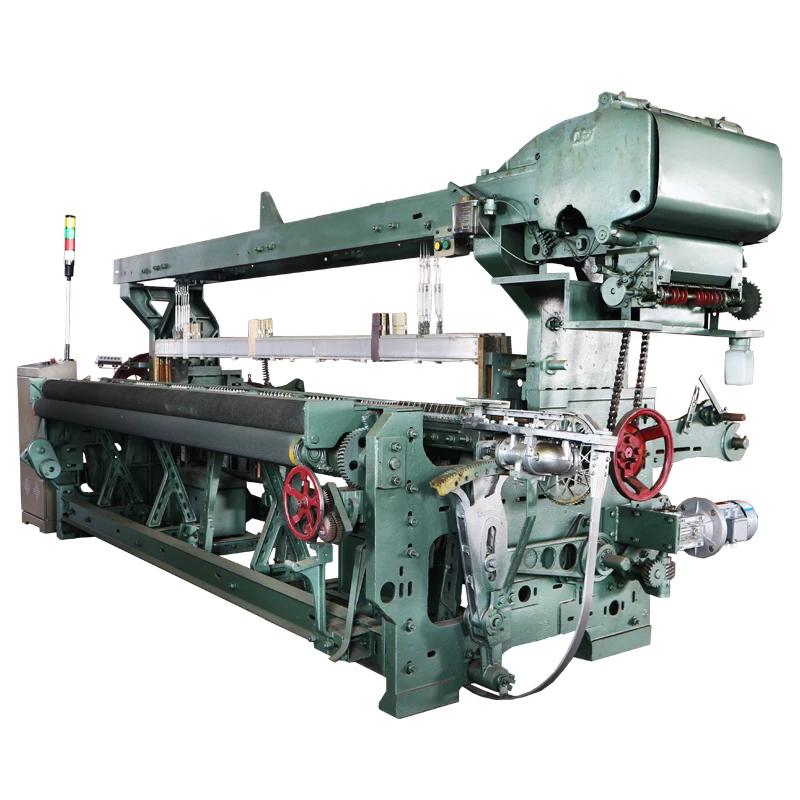 PE PPE PET Insect Window Screen Machine
PE insect proof machine is mainly used for agricultural insect prevention, building safety nets, aquaculture nets, grape drying, and other equipment.
To make insect window screen ,it need drawing wire machine,warping machine,weaving machine.
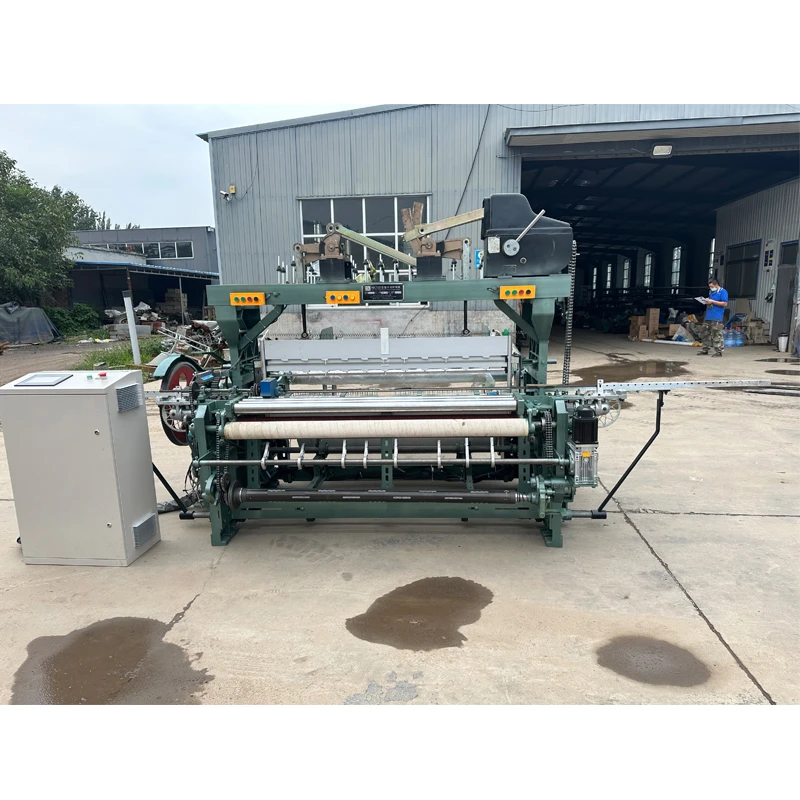 Carbon Fiber Mesh Rapier Loom
The carbon fiber mesh machine is specialized equipment designed for manufacturing carbon fiber mesh. It integrates advanced technologies and precise mechanical structures to ensure the high - quality production of carbon fiber mesh.
It can be adjusted to produce different types of carbon fiber mesh with various specifications, such as different mesh densities, fiber orientations, and widths, to meet the diverse needs of different applications.
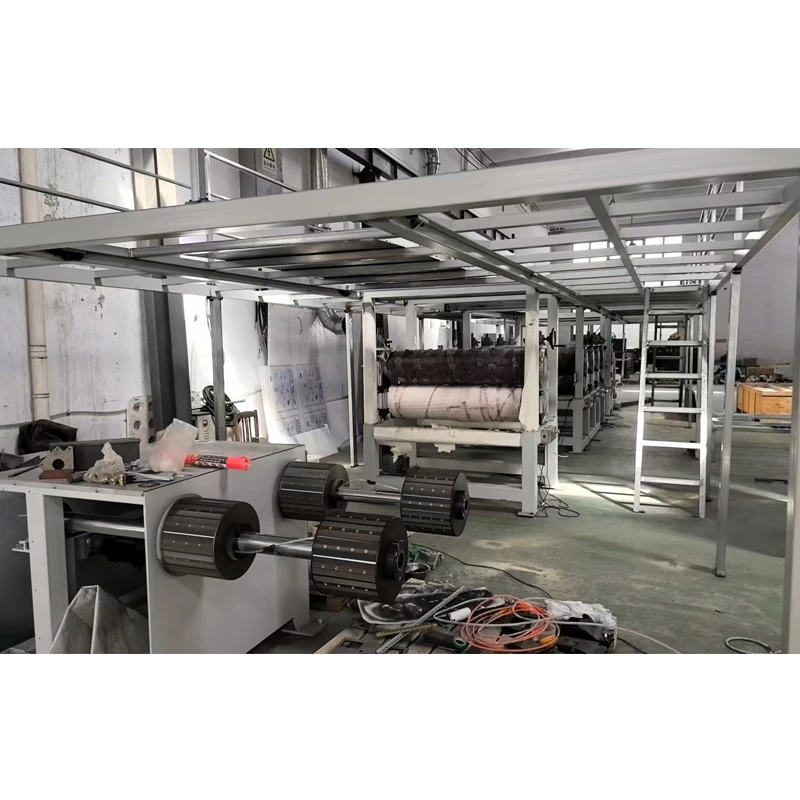 Carbon Fiber Prepreg Machine
This device is designed for pre impregnating carbon fiber mesh . This equipment is a continuous rolling equipment with automatic winding and unwinding, which uses tension and correction control to neatly wind the material onto the reel.
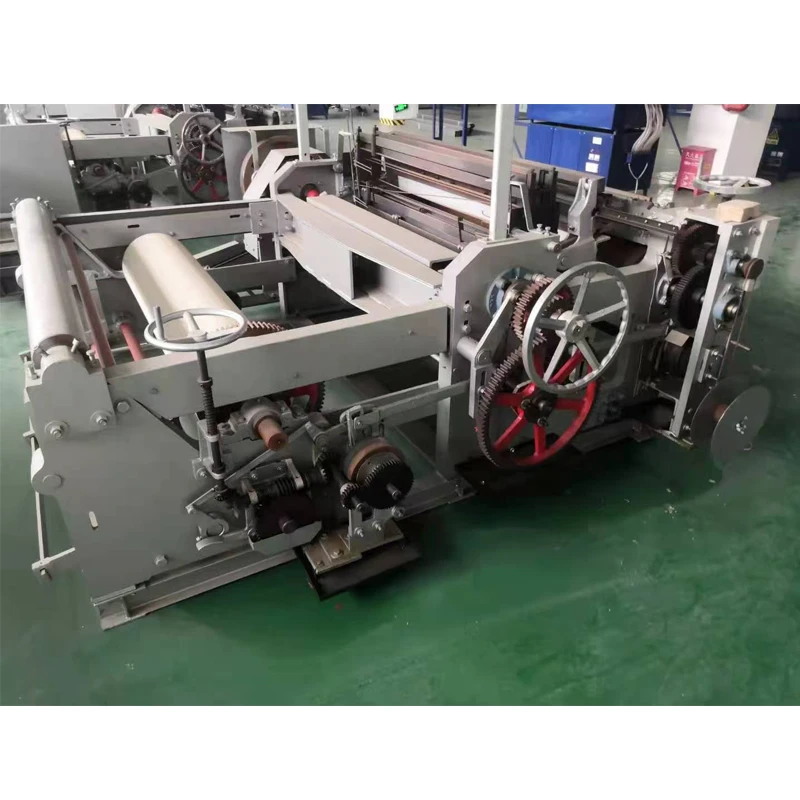 Full Automatic Wire Mesh Weaving Machine
The new type of weaving system adopts PLC programming and a mobile module control system , featuring excellent energy- saving performance and equipped with a fully evolved Servo Dobby Shedding design, representing the advanced mode of future factory management.
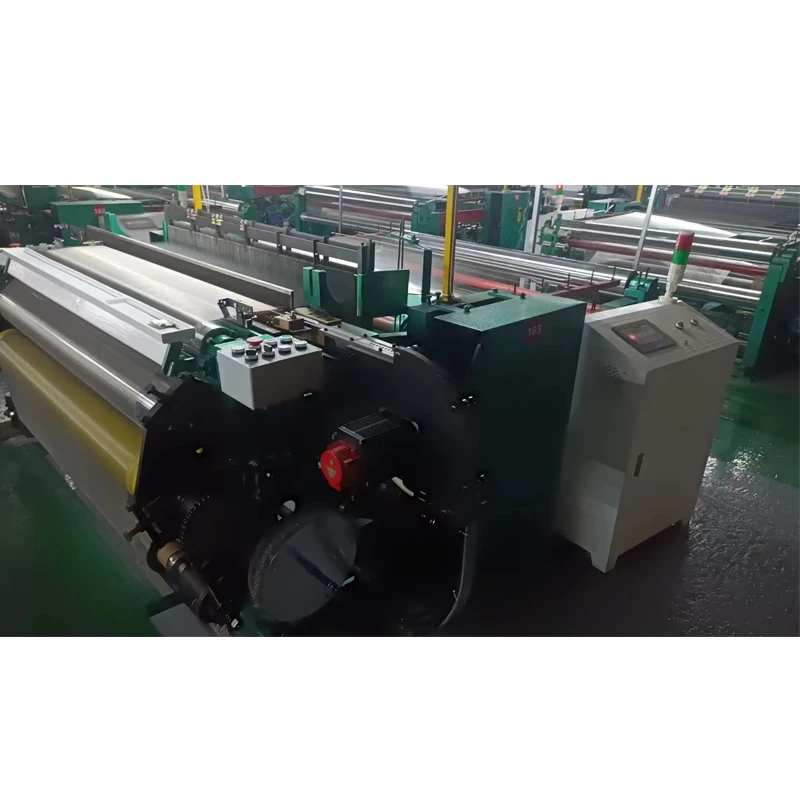 Stainless Steel Wire Mesh Weaving Machine
Weaving Range:8 to 600mesh per inch but also special kinds up to 2600mesh by the supply of change wheels for the regulators
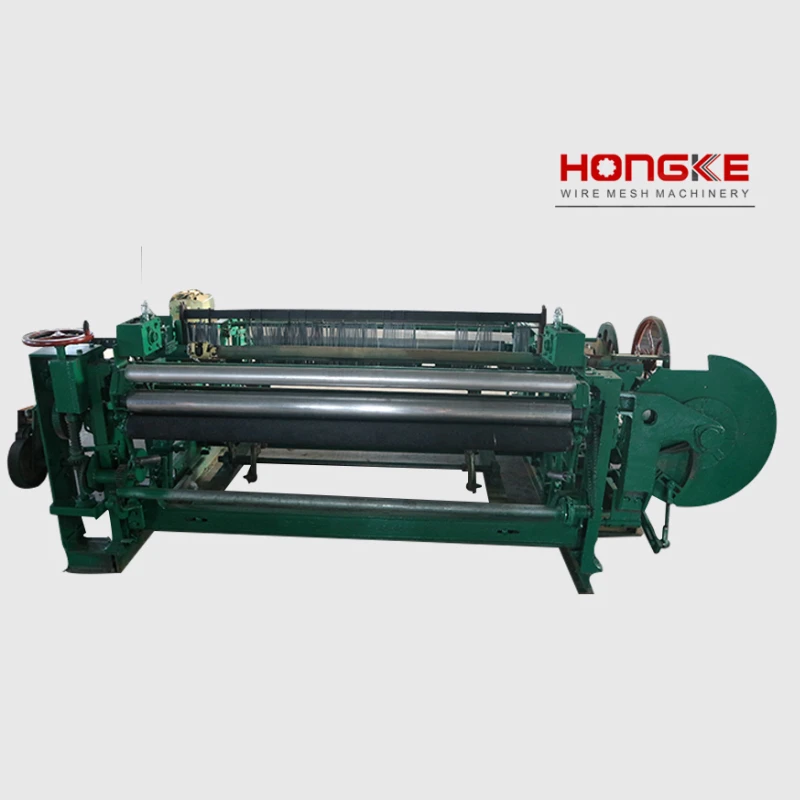 Aluminum Wire Mesh Weaving Machine
The aluminum alloy window screen weaving machine is mainly composed of a weaving machine and a warping machine。It is an essential piece of equipment in the window - screen manufacturing industry, designed to efficiently and precisely produce high - quality aluminum window screens.
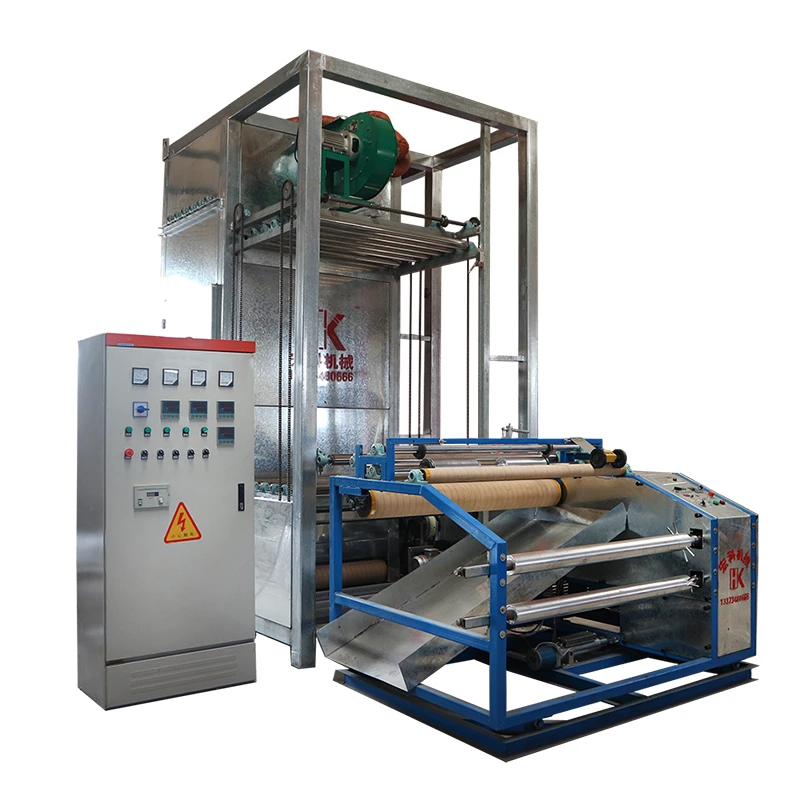 Fiberglass Mesh Machine
To make fiberglass mesh,you need three kinds machines:warping machine,weaving machine and gule coating machine.it has 1m,15m,2m width and other size.
Fiberglass mesh is often applied in construction for wall reinforcement, especially in external wall insulation systems. It enhances the stability and strength of the wall surface.


