




 Mar . 21, 2026
Exploring the World of Machines That Weave Fabric and Their Applications
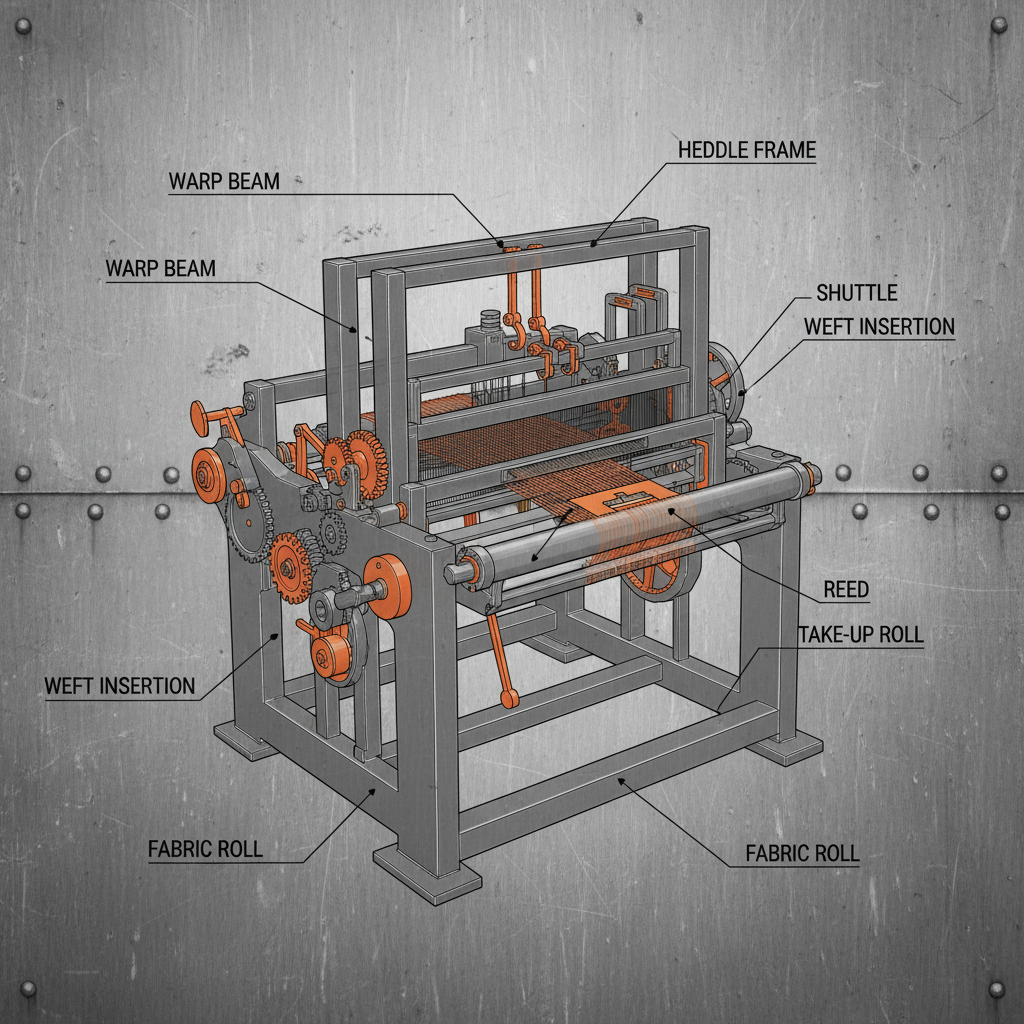
The world of textiles is powered by incredibly sophisticated machines that weave fabric. From simple hand looms to high-speed industrial power looms, these machines are fundamental to clothing, home furnishings, and numerous other industries. This article will explore the different types of weaving machines, their applications, and the advancements shaping the future of fabric production. Understanding these machines is crucial for anyone involved in textile manufacturing, sourcing, or design. We'll delve into the intricacies of how they function and the benefits they offer to modern textile production. Weaving machines have evolved dramatically over time. Traditionally, hand looms were used, requiring significant manual labor. Today, a variety of power looms dominate the industry, each with its own strengths and weaknesses. Some of the most common types include shuttle looms, rapier looms, air-jet looms, and water-jet looms. Each type utilizes a different method for inserting the weft yarn (the yarn running horizontally) through the warp yarns (the yarns running vertically). The choice of machine depends on the type of fabric being produced, the desired production speed, and the budget.
 Mar . 19, 2026
Comprehensive Guide to Fabric Weaving Machines and Their Applications
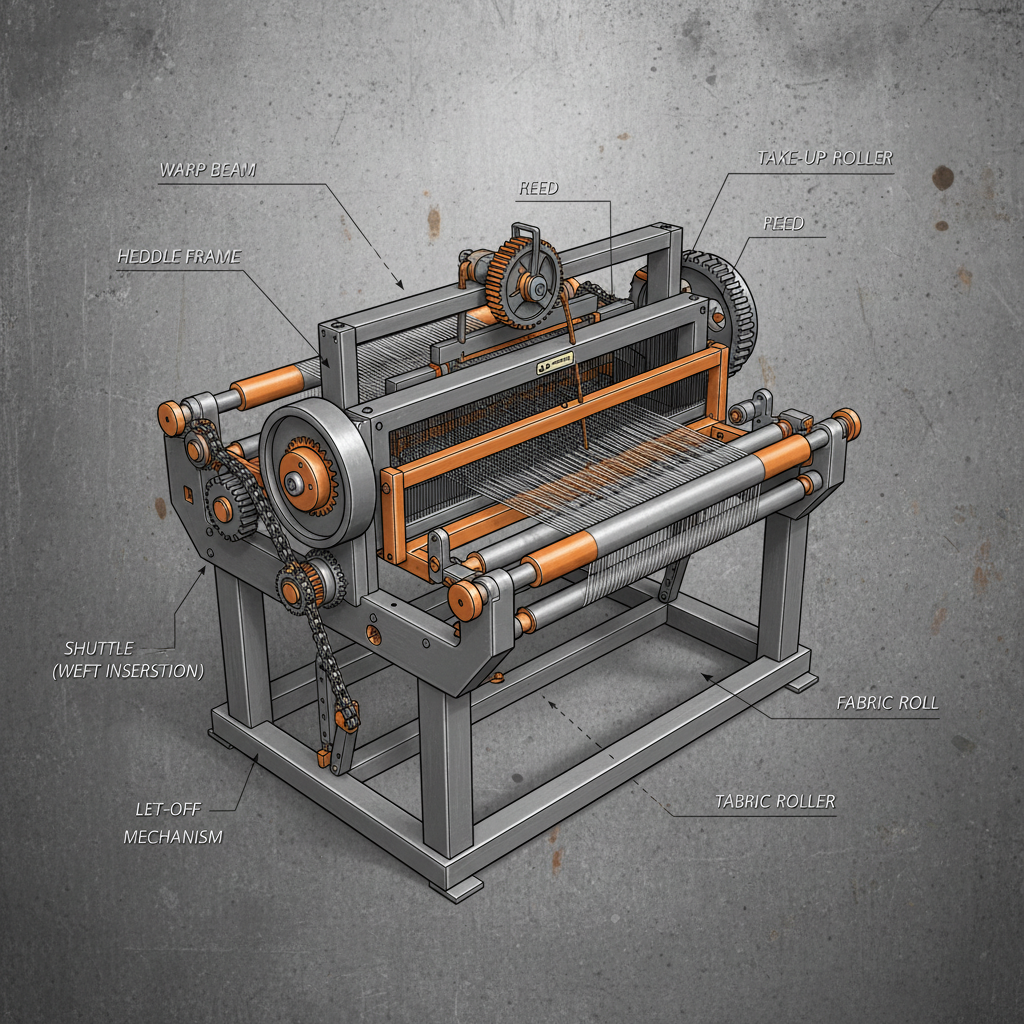
The world of textiles relies heavily on efficient and reliable machinery, and at the heart of it lies the fabric weaving machine. These machines are responsible for interlacing yarns to create a vast array of fabrics used in everything from clothing to industrial applications. This article delves into the types, applications, benefits, and future trends surrounding fabric weaving machines. Whether you're a textile manufacturer, a sourcing agent, or simply curious about the process, this guide will provide a thorough overview. Investing in the right weaving machine can significantly impact production efficiency and product quality. Fabric weaving machines come in a variety of designs, each suited for different types of fabrics and production scales. Some of the most common types include: Rapier Weaving Machines, Shuttle Weaving Machines, Air-Jet Weaving Machines, Water-Jet Weaving Machines, and Projectile Weaving Machines. The choice of machine depends on factors like the type of fabric being produced, desired production speed, and budget.
 Mar . 17, 2026
Comprehensive Guide to Understanding Modern Weaving Fabric Machine Technology
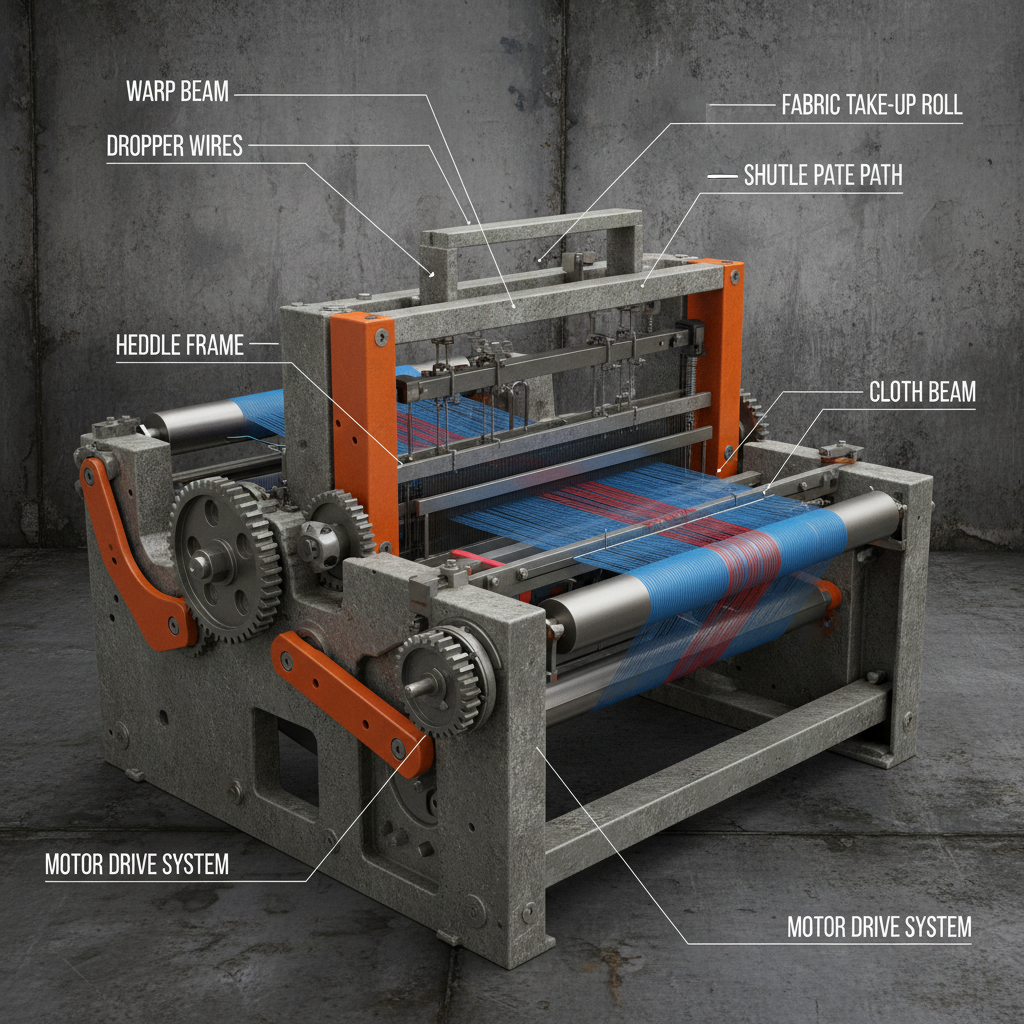
The textile industry relies heavily on efficient and reliable machinery, and at the heart of fabric production lies the weaving fabric machine. These sophisticated machines transform raw yarn into the fabrics we use daily. This article provides an in-depth exploration of weaving fabric machines, covering their types, applications, key features, and the latest advancements. Whether you're a textile manufacturer, a student, or simply curious about the process, this guide will provide a comprehensive understanding of this vital technology. Investing in the right weaving machine can dramatically improve productivity and fabric quality. Weaving fabric machines come in a variety of types, each suited for different fabric types and production scales. Some of the most common include: Rapier Looms, Shuttle Looms, Air-Jet Looms, Water-Jet Looms, and Projectile Looms. The choice of machine depends on factors such as the desired fabric type, production volume, and budget.
 Mar . 14, 2026
Exploring the Landscape of the Industrial Weaving Machine for Modern Textile Production
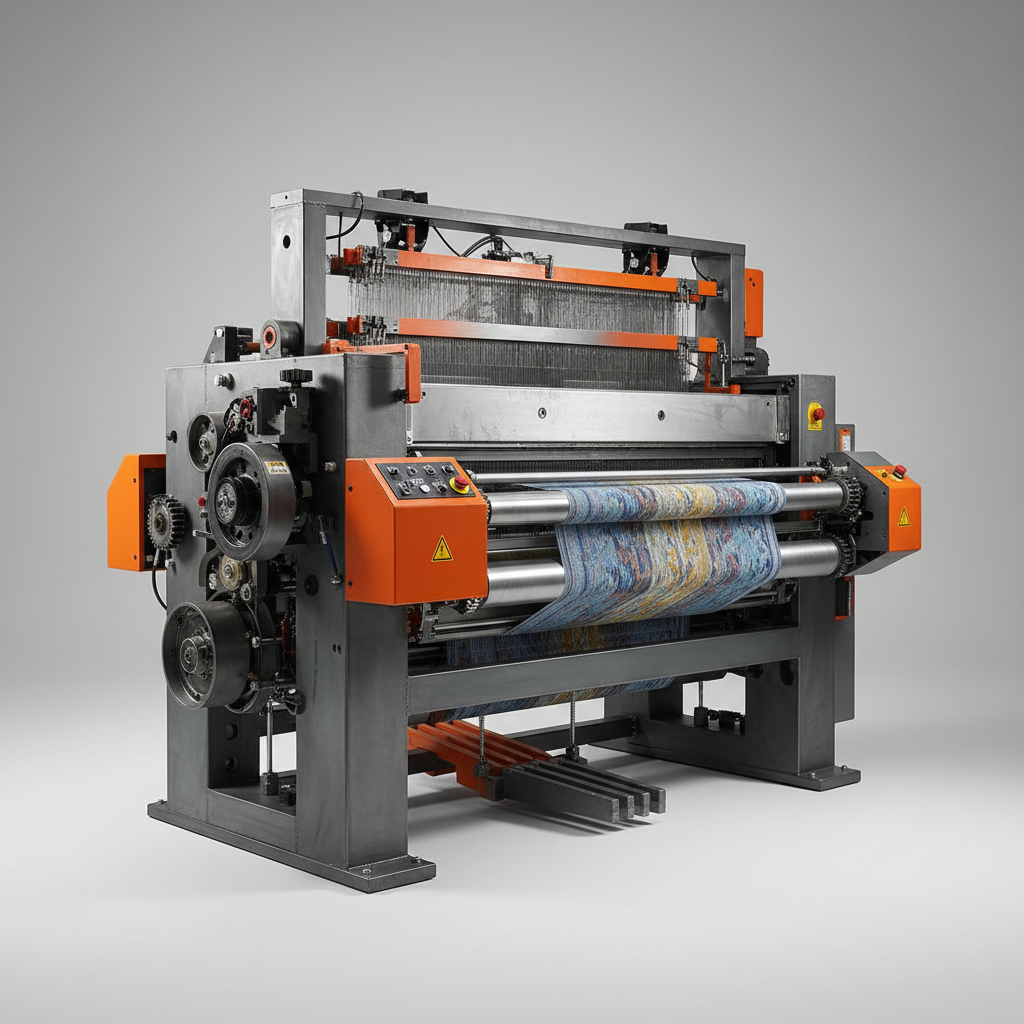
In the dynamic world of textile production, the industrial weaving machine stands as a cornerstone of efficiency and innovation. From producing robust materials for industrial applications to crafting intricate fabrics for apparel, these machines are vital. This article delves into the various aspects of industrial weaving machines, exploring their types, applications, technological advancements, and key considerations for businesses looking to invest. We'll cover everything from basic principles to the latest innovations, providing a comprehensive overview for anyone involved in textile manufacturing. The industrial weaving machine market encompasses a wide range of designs, each suited to specific fabric types and production needs. Common types include shuttle looms, rapier looms, air-jet looms, and water-jet looms. Shuttle looms are traditional and versatile but generally slower. Rapier looms offer higher speeds and the ability to weave complex patterns. Air-jet and water-jet looms are known for their high production rates, particularly with synthetic fibers.
 Mar . 12, 2026
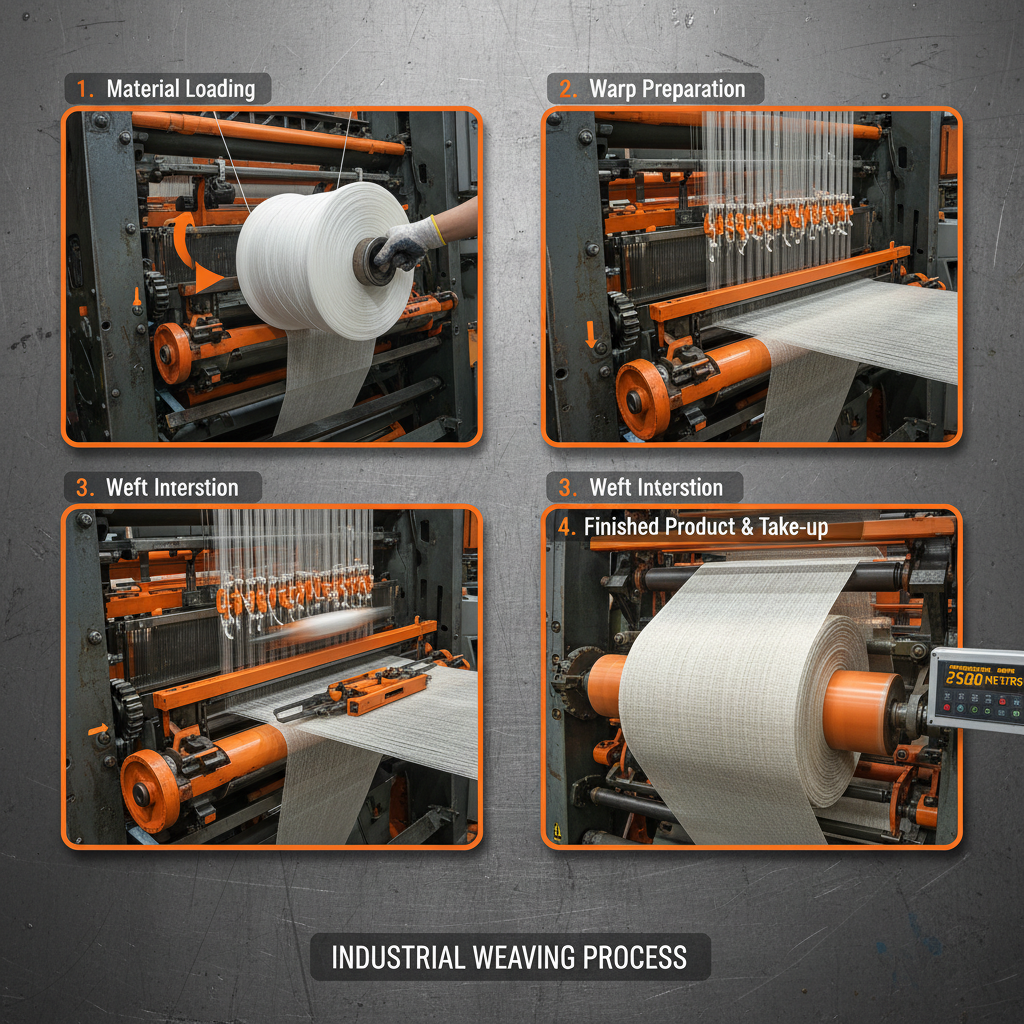
Comprehensive Guide to Advanced Industrial Weaving Machines and Their Applications
The demand for woven fabrics is continuously growing across industries, from apparel and home textiles to technical applications. Efficient and reliable industrial weaving machines are critical for meeting this demand. This article explores the different types of industrial weaving machines, their applications, key features, and what to consider when making a purchase. We’ll delve into the advancements in this technology and how they're shaping the future of textile manufacturing. Understanding your options is the first step to optimizing your production process. There's a diverse range of industrial weaving machines, each designed for specific fabric types and production volumes. Some of the most common types include: Rapier Weaving Machines, Shuttle Weaving Machines, Air-Jet Weaving Machines, Water-Jet Weaving Machines, Projectile Weaving Machines. These machines are fundamental to numerous industries. The apparel industry utilizes them for producing fabrics like denim, cotton, and linen. Home textiles rely on these machines for creating materials for bedding, upholstery, and curtains. However, the application extends beyond textiles for clothing and home uses.
 Mar . 11, 2026
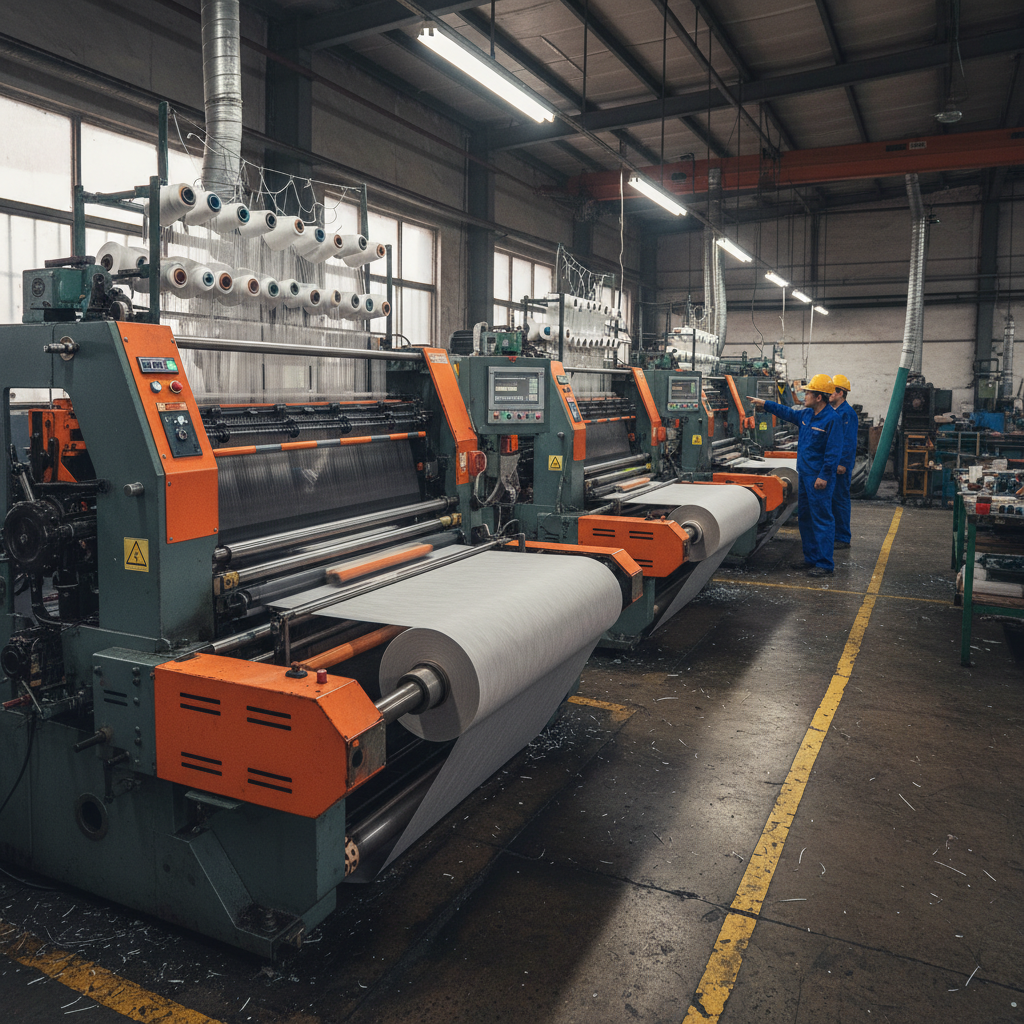
Comprehensive Guide to Industrial Weaving Machines and Their Applications
Industrial weaving machines are essential for producing a vast array of textiles used in countless applications, from apparel and home furnishings to technical textiles and industrial components. Choosing the right machine is critical for maximizing efficiency, quality, and profitability. This article will delve into the world of industrial weaving machines, covering their types, applications, key features, and the factors to consider when making a purchase. We'll explore how advancements in technology are shaping the future of textile manufacturing. There are several core types of industrial weaving machines, each suited to different fabrics and production needs. These include rapier weaving machines, shuttle weaving machines, air-jet weaving machines, and water-jet weaving machines. Rapier machines are known for their versatility and ability to weave a wide range of fabrics, while shuttle machines are traditionally used for simpler weaves.
 Mar . 10, 2026
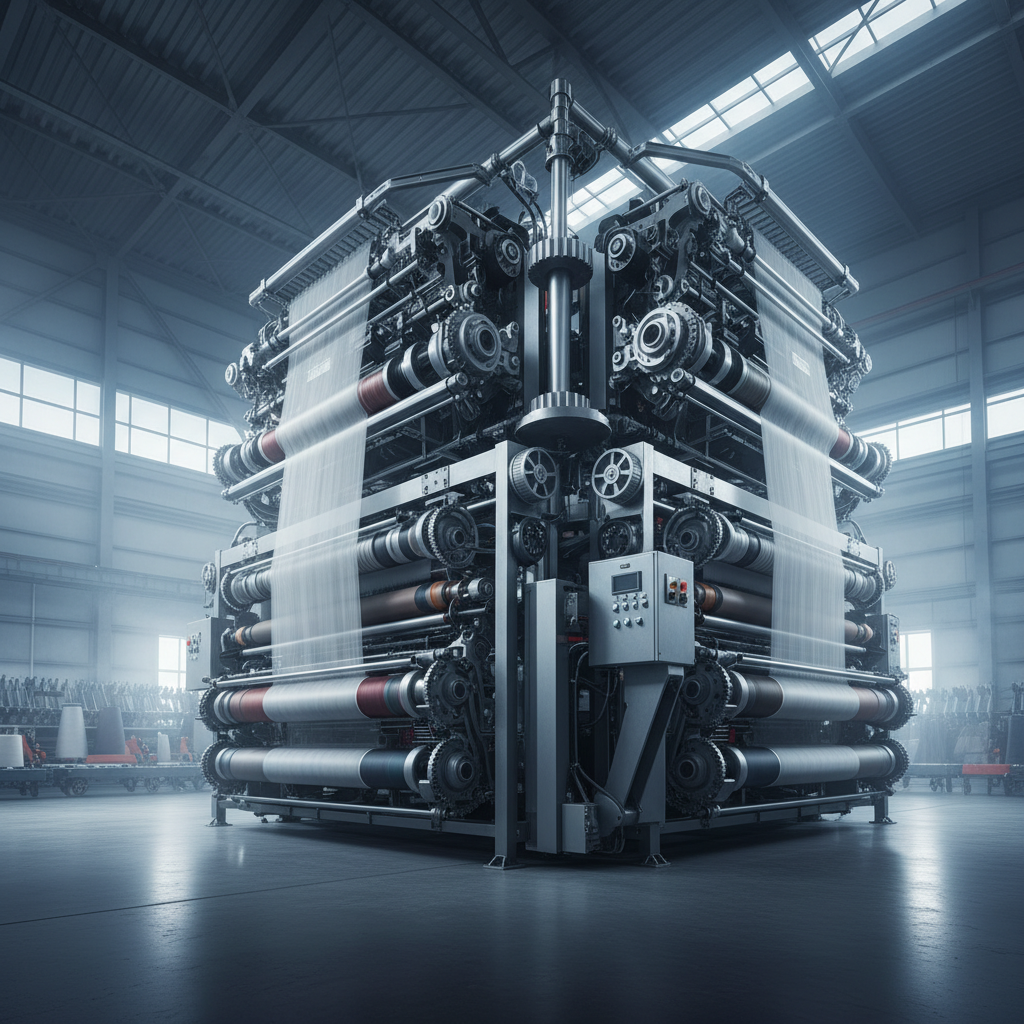
Revolutionizing Textile Production with Advanced High Speed Weaving Machines
In the dynamic world of textile manufacturing, efficiency and quality are paramount. High speed weaving machines are the cornerstone of modern production, enabling manufacturers to meet growing demands while maintaining superior product standards. This article will explore the benefits, features, applications, and considerations when investing in these essential machines. We’ll delve into how these advancements drive productivity and innovation in the textile industry. Investing in high speed weaving machines offers a multitude of advantages for textile manufacturers. The most significant benefit is increased production capacity. These machines can weave fabric at significantly faster rates than traditional models, allowing companies to fulfill larger orders and reduce lead times. This increased efficiency translates directly into higher profitability.
 Mar . 09, 2026
Advanced Spinning and Weaving Machine Solutions for Textile Production
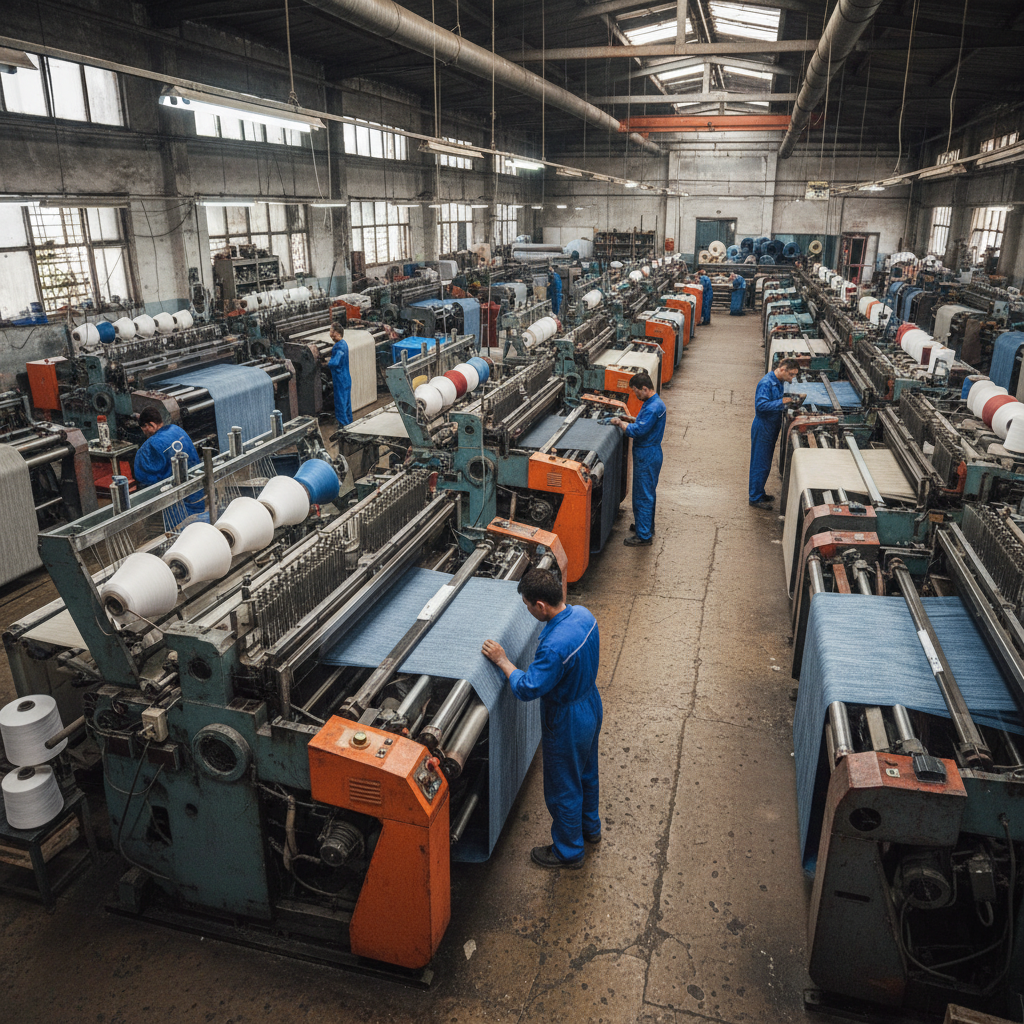
The textile industry is a cornerstone of global trade, and at its heart lie sophisticated spinning and weaving machines. These machines are essential for transforming raw fibers into the fabrics we use daily. This article explores the different types of spinning and weaving machines, their applications, technological advancements, and key considerations for businesses looking to invest in these crucial pieces of equipment. As a leading provider of textile machinery, HK Mesh Machine understands the intricacies of these processes and offers a range of solutions for diverse textile needs. Spinning machines are responsible for converting fibers – like cotton, wool, or synthetics – into yarn. Historically, this was a manual process, but modern spinning machines are highly automated and efficient. There are several key types of spinning machines, each suited to different fiber types and yarn qualities. Ring spinning is a common method, creating strong, smooth yarns. Open-end spinning, also known as rotor spinning, is faster and more cost-effective, often used for coarser yarns. Air-jet spinning offers a balance of speed and quality, and is increasingly popular for various applications. Once yarn is produced, it's transformed into fabric through weaving. Weaving machines interlace two sets of yarns – the warp (lengthwise) and the weft (crosswise) – to create a woven structure.
 Mar . 08, 2026
Comprehensive Guide to Spinning and Weaving Machines for Textile Production
The textile industry relies heavily on efficient and reliable machinery for the production of fabrics. Spinning and weaving machines are at the heart of this process, transforming raw fibers into finished textiles. This article provides an in-depth look at these machines, their functionalities, types, advancements, and considerations for selecting the right equipment. We will explore the nuances of both spinning and weaving technologies, offering valuable insights for businesses in the textile sector. Spinning machines are designed to convert raw fibers – such as cotton, wool, flax, or synthetic materials – into yarn or thread. The process involves cleaning, carding, drawing, and twisting the fibers together to create a continuous strand. There are various types of spinning machines, each suited for different fiber types and yarn characteristics. Ring spinning, open-end spinning, and air-jet spinning are among the most common methods. The choice of spinning method significantly impacts the yarn's strength, texture, and overall quality. Modern spinning machines are often automated and feature sophisticated control systems for precise yarn production. Weaving machines interlace two sets of yarns – the warp and the weft – to create fabric. The warp yarns run lengthwise, while the weft yarns run widthwise.
 Mar . 07, 2026
Comprehensive Guide to Fiberglass Mesh Weaving Machines and Their Applications
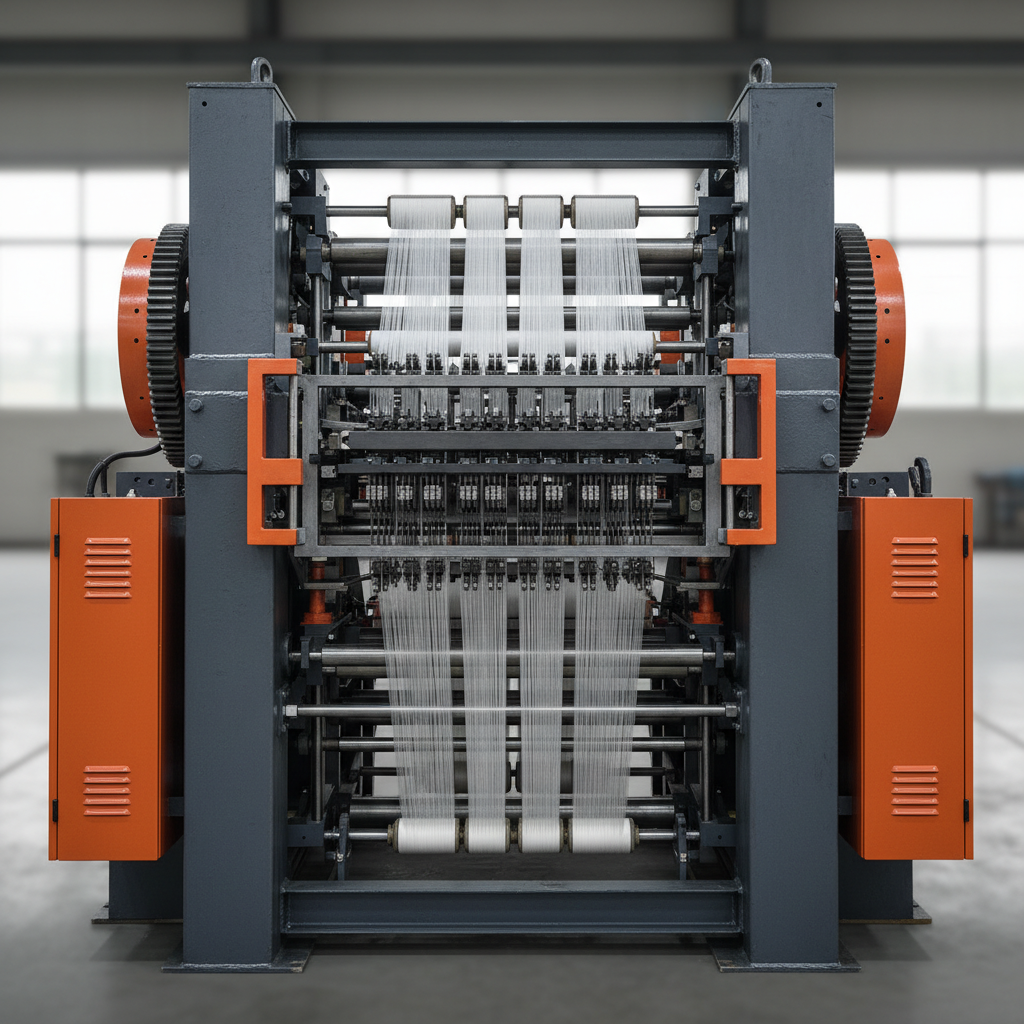
The demand for fiberglass mesh is steadily increasing across various industries, including construction, automotive, and marine applications. This growth necessitates efficient and reliable fiberglass mesh weaving machines. This article will explore the intricacies of these machines, their types, applications, key features, and what to consider when making a purchase. We'll delve into the benefits of choosing a high-quality machine to optimize production and meet the rising market demands. Investing in the right machinery is crucial for businesses aiming to maintain a competitive edge in the fiberglass mesh market. Fiberglass mesh weaving machines are specialized equipment designed to interlace fiberglass yarns into a mesh fabric. These machines are typically automated, ensuring consistent quality and high production rates. The process involves precisely feeding fiberglass yarns through a weaving mechanism, creating a mesh structure with varying aperture sizes and densities. Different types of machines cater to diverse production needs, ranging from small-scale operations to large industrial facilities. The efficiency of a fiberglass mesh weaving machine directly impacts the cost-effectiveness of fiberglass mesh production.
 Mar . 06, 2026
Comprehensive Guide to Fiberglass Wrapping Machines and Their Applications
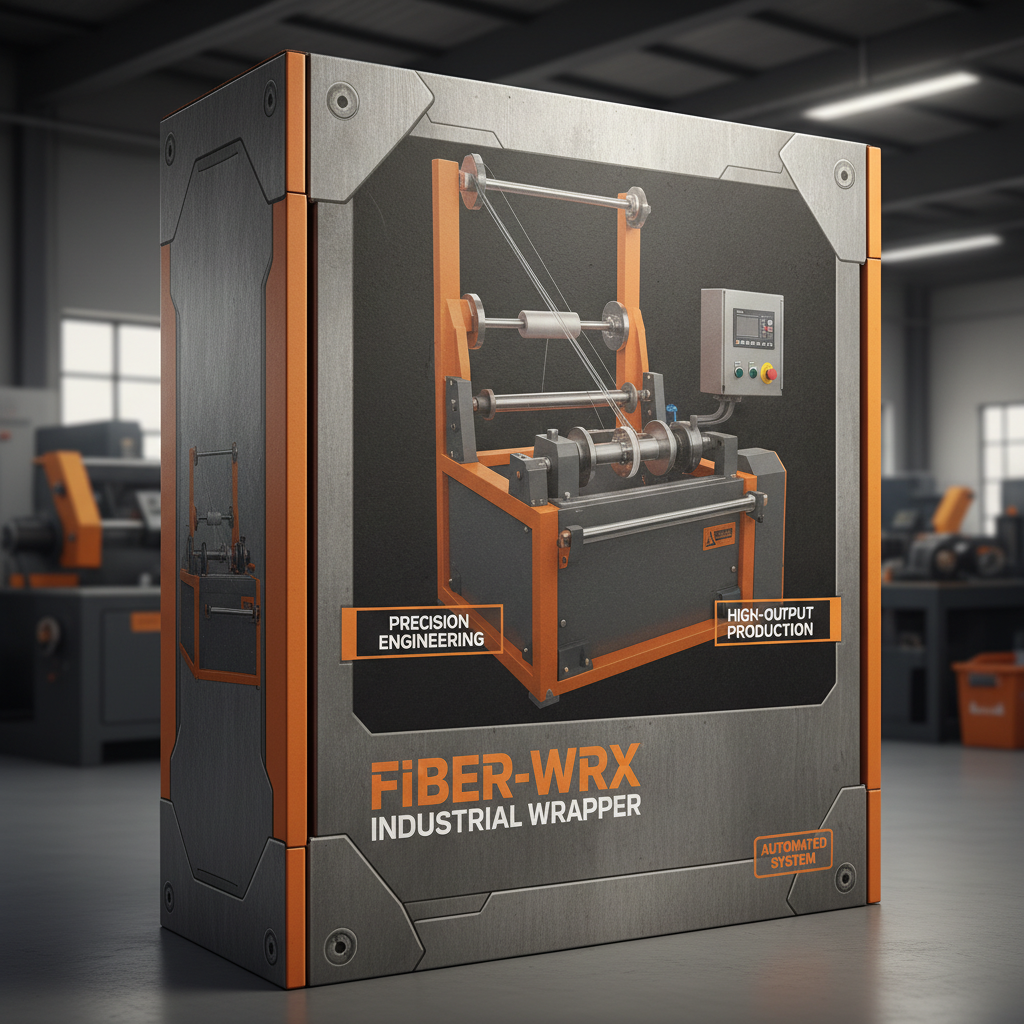
In the realm of packaging and industrial applications, the efficient and secure wrapping of fiberglass products is paramount. A fiberglass wrapping machine is designed to automate this process, ensuring product integrity, reducing labor costs, and streamlining operations. This article delves into the world of fiberglass wrapping machines, exploring their types, benefits, applications, and key considerations for choosing the right solution. We will explore how these machines contribute to efficient fiberglass handling and improved production workflows. Fiberglass wrapping machines are specialized equipment utilized to enclose fiberglass products in protective materials like polyethylene (PE) film, shrink film, or other suitable wrapping solutions. These machines come in various configurations, ranging from semi-automatic models requiring operator intervention to fully automated systems capable of handling high-volume production. The primary purpose is to shield the fiberglass from damage during transit, storage, and handling
 Mar . 05, 2026
Comprehensive Guide to Fiberglass Weaving Machines and Their Applications
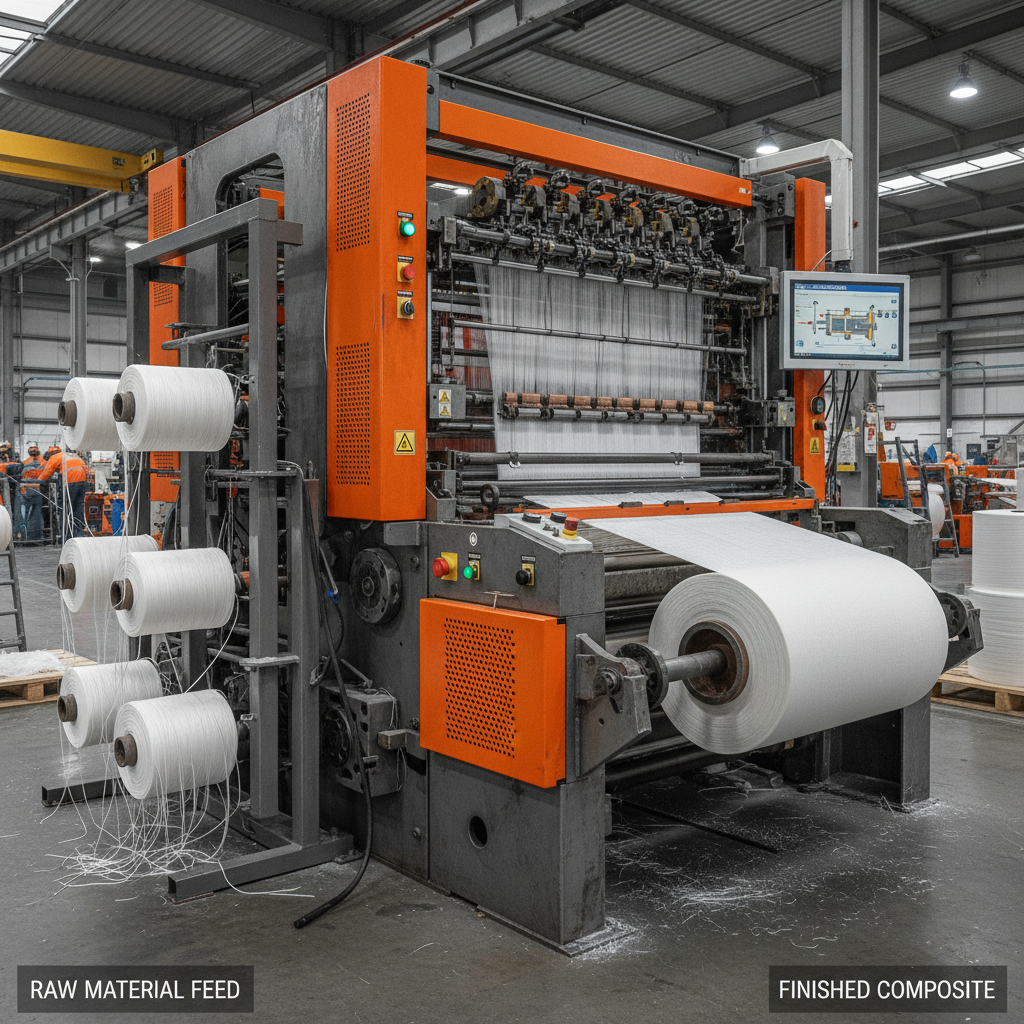
The demand for fiberglass reinforced polymers (FRP) is continually growing across numerous industries, including automotive, aerospace, construction, and marine. At the heart of FRP production lies the fiberglass weaving machine, a critical piece of equipment that transforms raw fiberglass yarn into high-strength fabrics. This article delves into the intricacies of these machines, exploring their types, applications, key features, and factors to consider when making a purchase. We will also highlight the benefits of choosing a reliable manufacturer like HK Mesh Machine. Fiberglass weaving machines are designed to interlace fiberglass yarns to create a variety of fabrics, including plain weave, twill weave, and satin weave. These fabrics are prized for their high tensile strength, lightweight properties, corrosion resistance, and electrical insulation capabilities. The choice of weaving pattern directly influences the fabric's properties and intended application. Modern machines are often automated, increasing production efficiency and reducing labor costs. A well-maintained fiberglass weaving machine is vital for consistently producing high-quality materials.


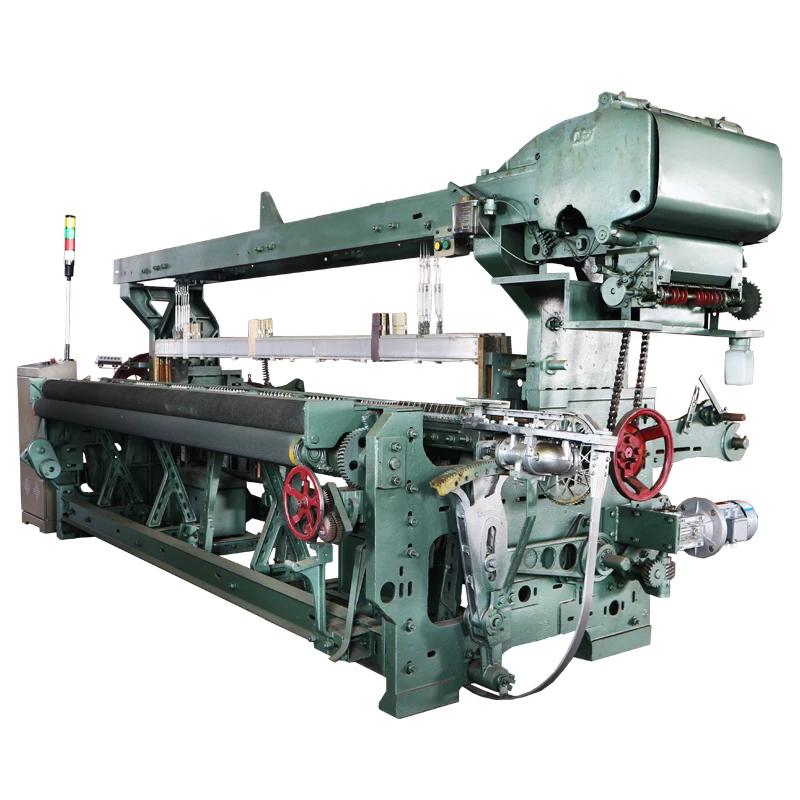 PE PPE PET Insect Window Screen Machine
PE insect proof machine is mainly used for agricultural insect prevention, building safety nets, aquaculture nets, grape drying, and other equipment.
To make insect window screen ,it need drawing wire machine,warping machine,weaving machine.
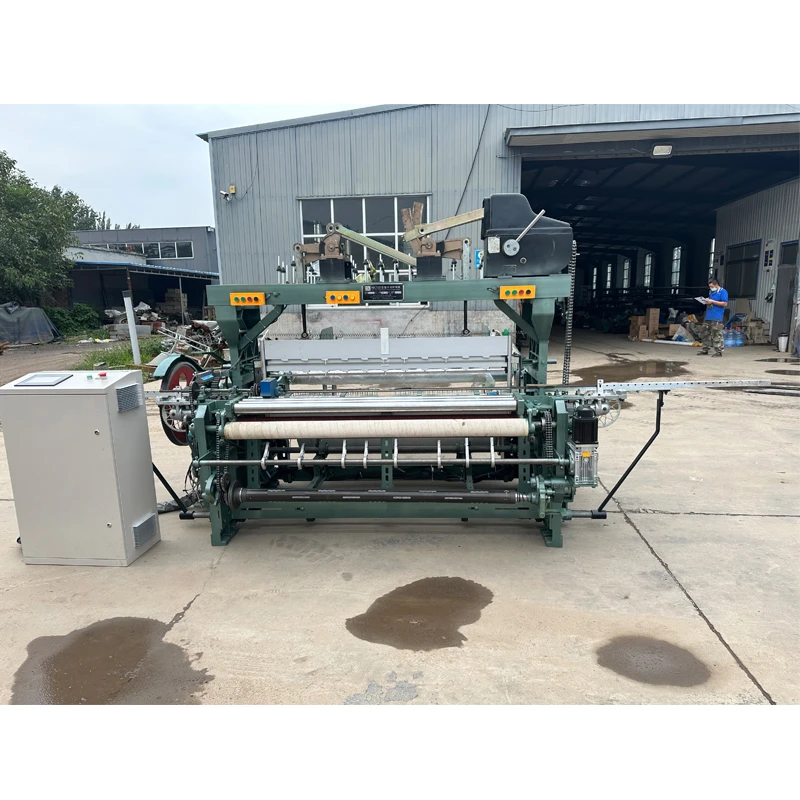 Carbon Fiber Mesh Rapier Loom
The carbon fiber mesh machine is specialized equipment designed for manufacturing carbon fiber mesh. It integrates advanced technologies and precise mechanical structures to ensure the high - quality production of carbon fiber mesh.
It can be adjusted to produce different types of carbon fiber mesh with various specifications, such as different mesh densities, fiber orientations, and widths, to meet the diverse needs of different applications.
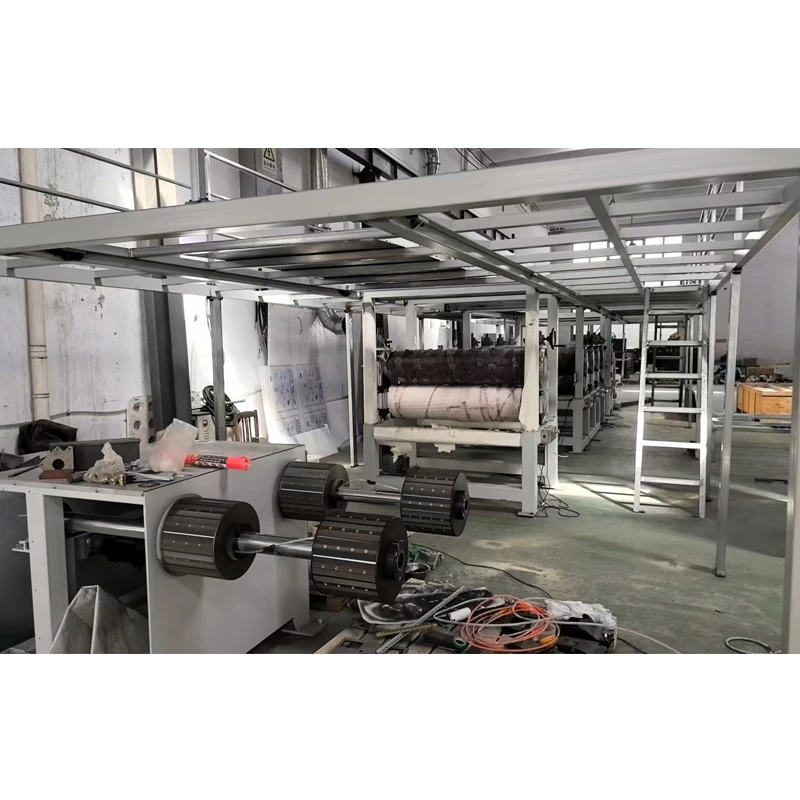 Carbon Fiber Prepreg Machine
This device is designed for pre impregnating carbon fiber mesh . This equipment is a continuous rolling equipment with automatic winding and unwinding, which uses tension and correction control to neatly wind the material onto the reel.
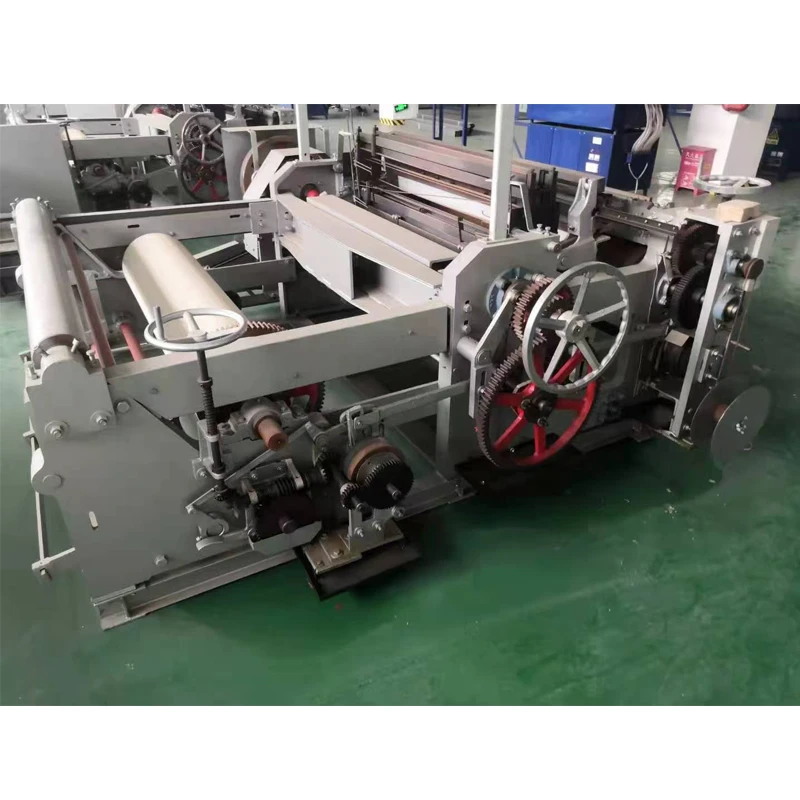 Full Automatic Wire Mesh Weaving Machine
The new type of weaving system adopts PLC programming and a mobile module control system , featuring excellent energy- saving performance and equipped with a fully evolved Servo Dobby Shedding design, representing the advanced mode of future factory management.
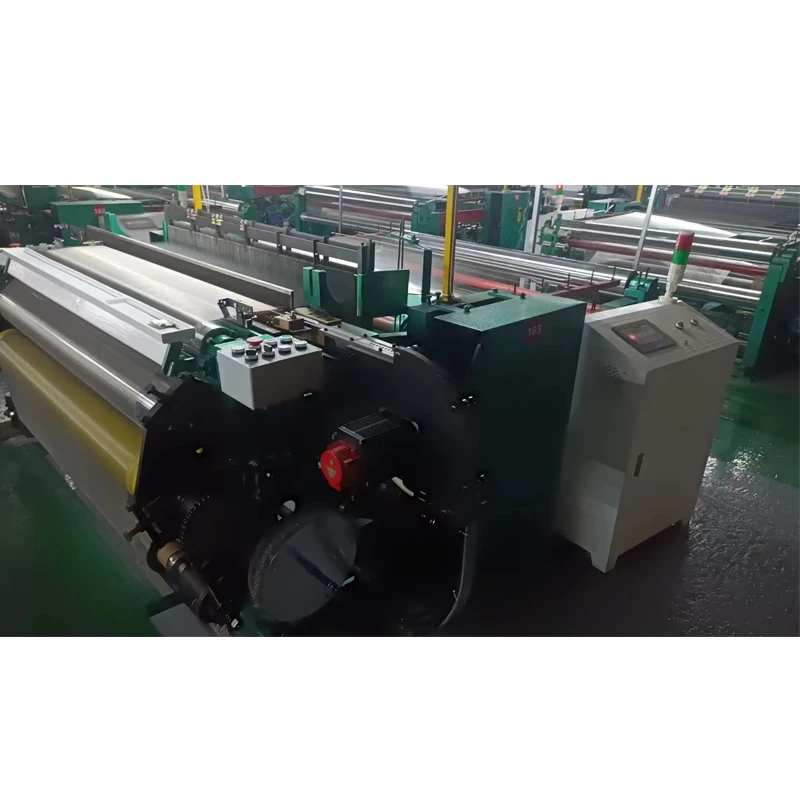 Stainless Steel Wire Mesh Weaving Machine
Weaving Range:8 to 600mesh per inch but also special kinds up to 2600mesh by the supply of change wheels for the regulators
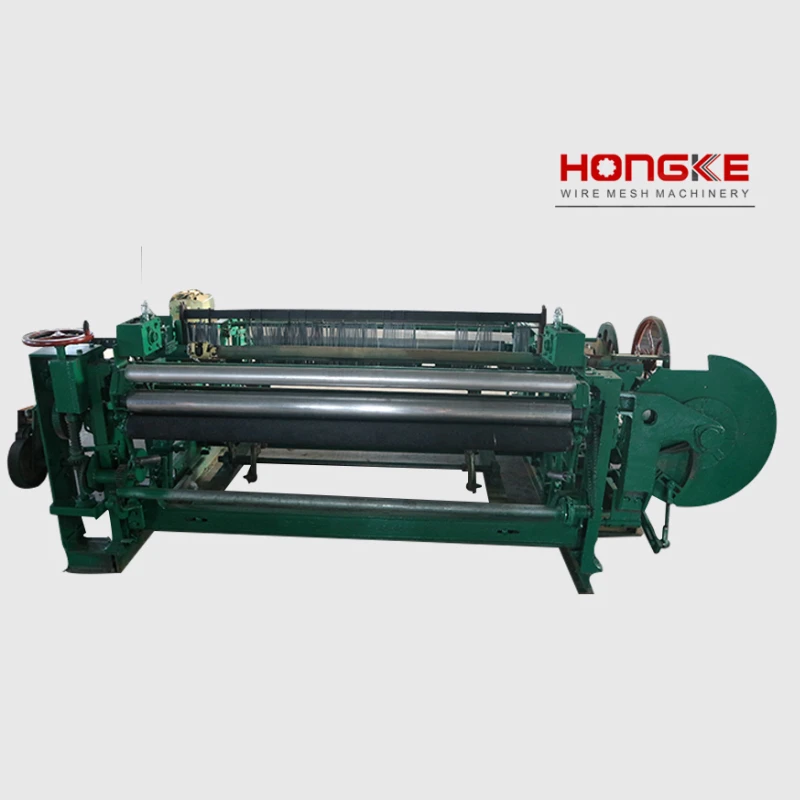 Aluminum Wire Mesh Weaving Machine
The aluminum alloy window screen weaving machine is mainly composed of a weaving machine and a warping machine。It is an essential piece of equipment in the window - screen manufacturing industry, designed to efficiently and precisely produce high - quality aluminum window screens.
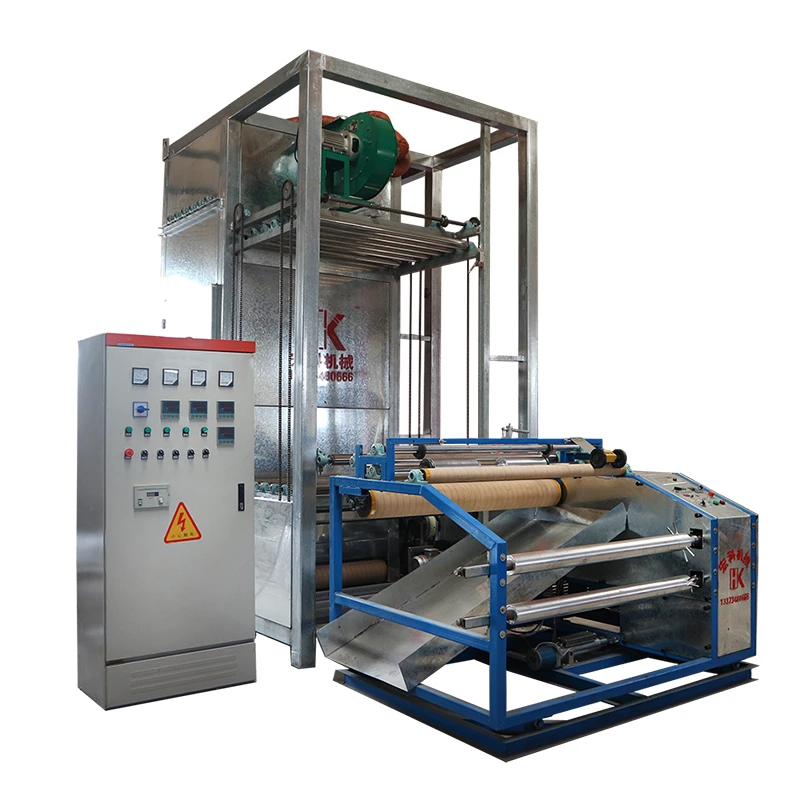 Fiberglass Mesh Machine
To make fiberglass mesh,you need three kinds machines:warping machine,weaving machine and gule coating machine.it has 1m,15m,2m width and other size.
Fiberglass mesh is often applied in construction for wall reinforcement, especially in external wall insulation systems. It enhances the stability and strength of the wall surface.


