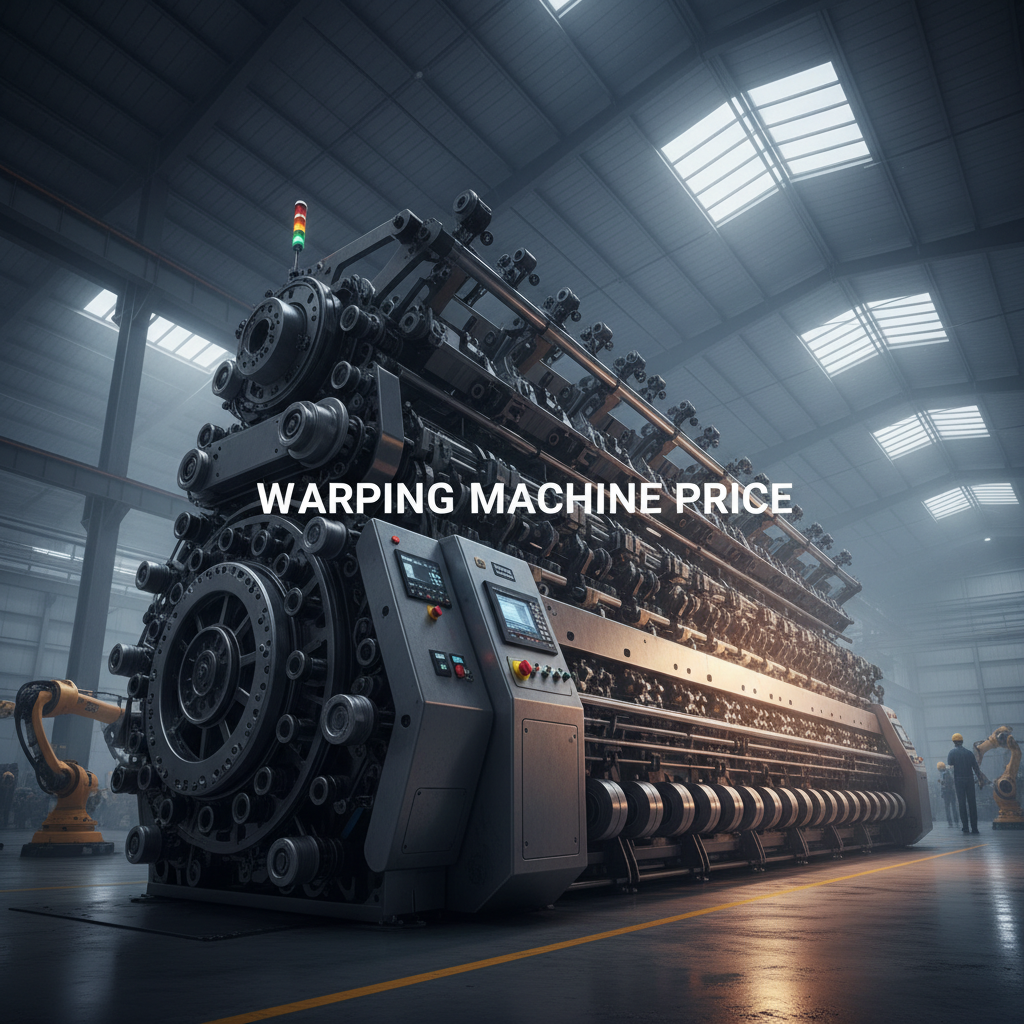



Understanding Yarn Warping Machines: A Comprehensive Guide
The textile industry relies on efficient and precise processes to transform raw materials into finished fabrics. A crucial step in this process is yarn warping, and the equipment responsible for this – the yarn warping machine – is central to high-quality textile production. This article delves into the function, types, applications, and key considerations when selecting a yarn warping machine, providing a comprehensive overview for textile manufacturers and professionals. A well-chosen warping machine can significantly improve efficiency, reduce waste, and enhance the final product.
What is a Yarn Warping Machine and Why is it Important?
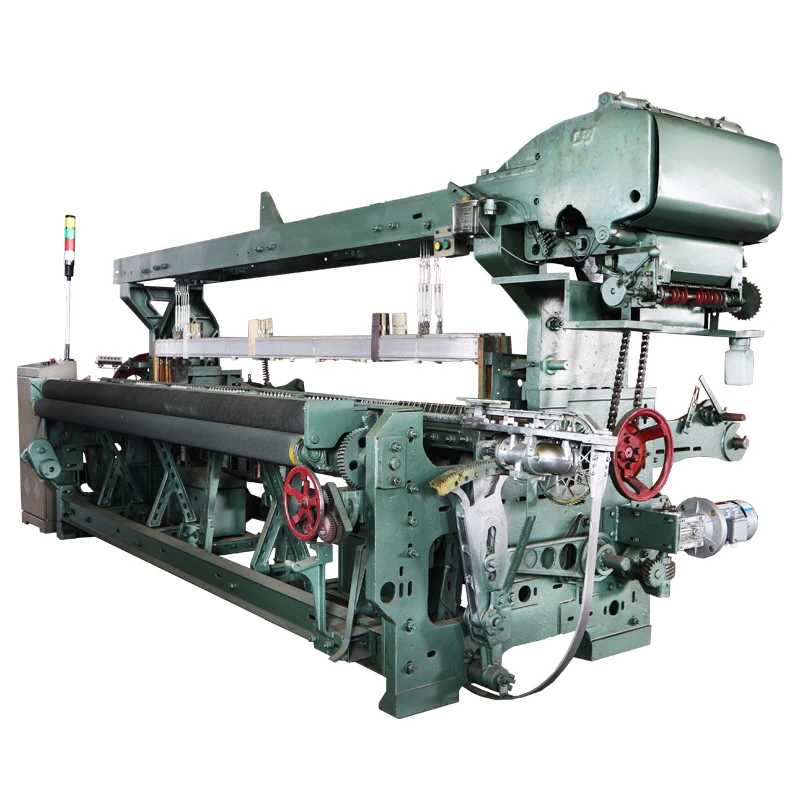
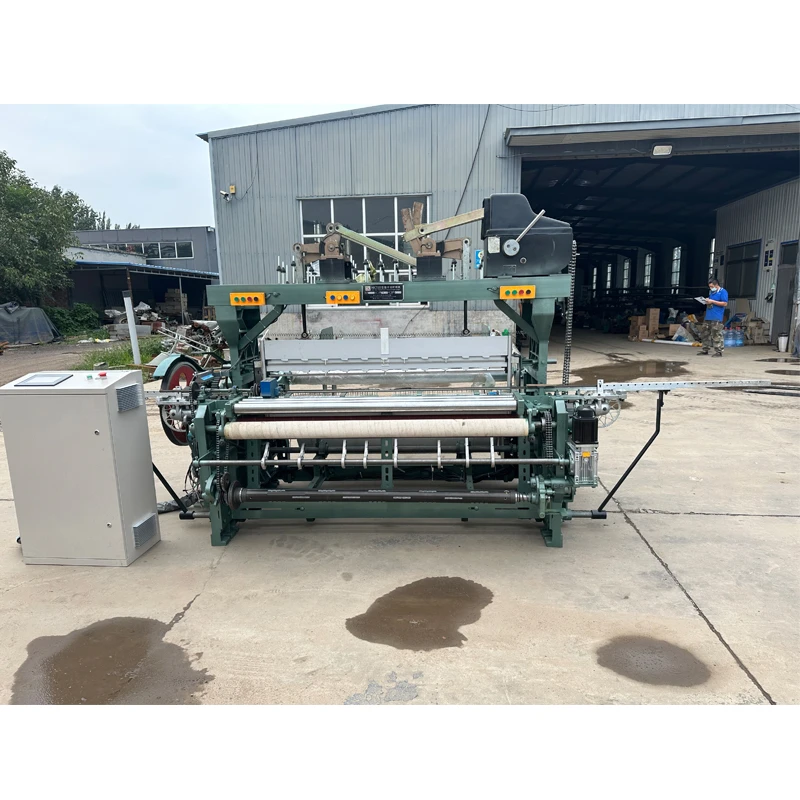
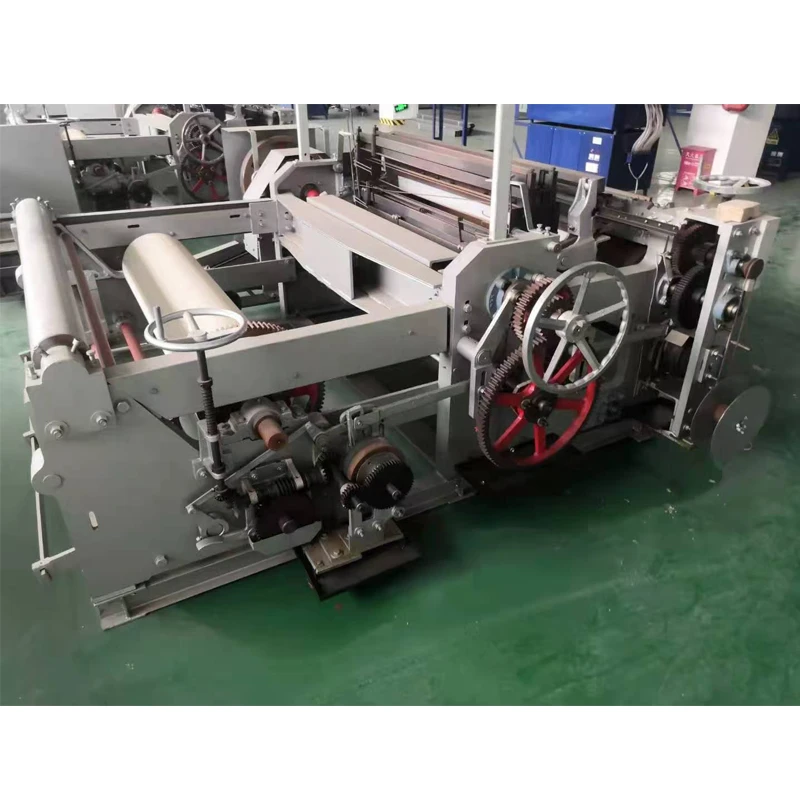
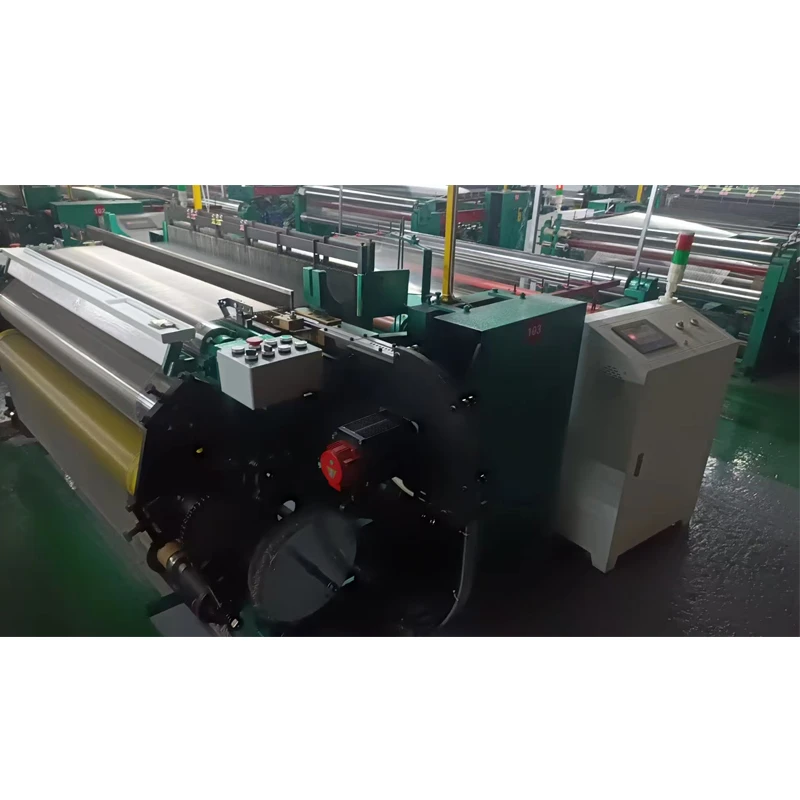
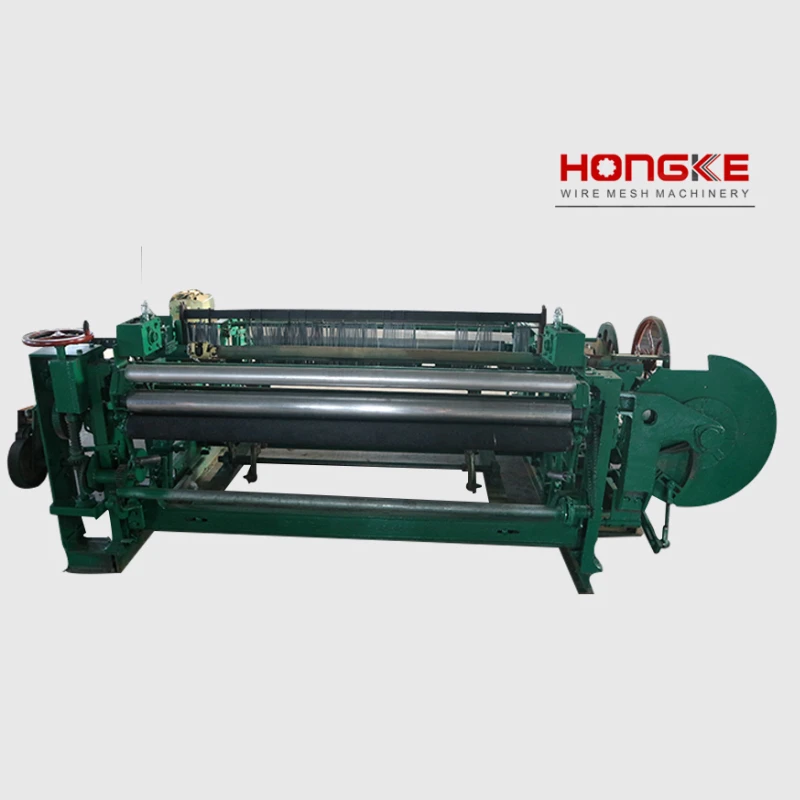
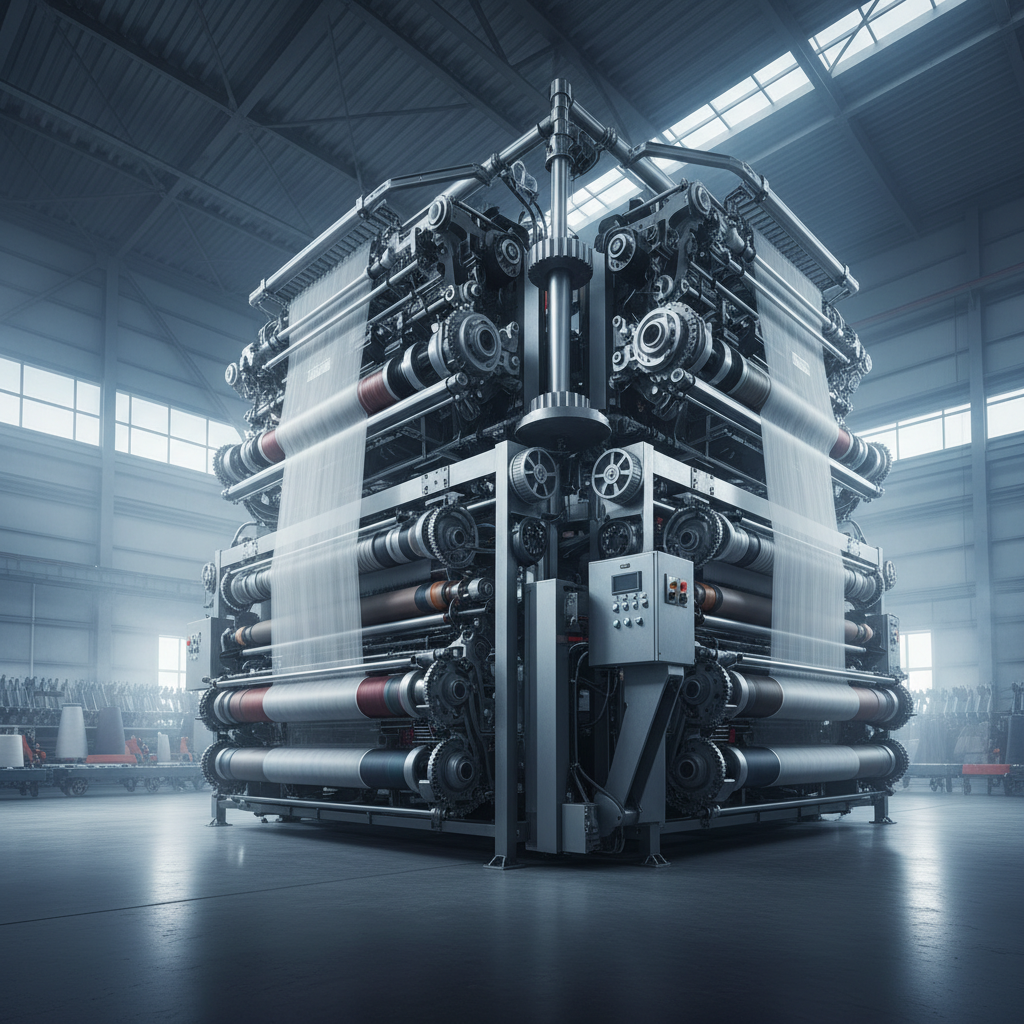
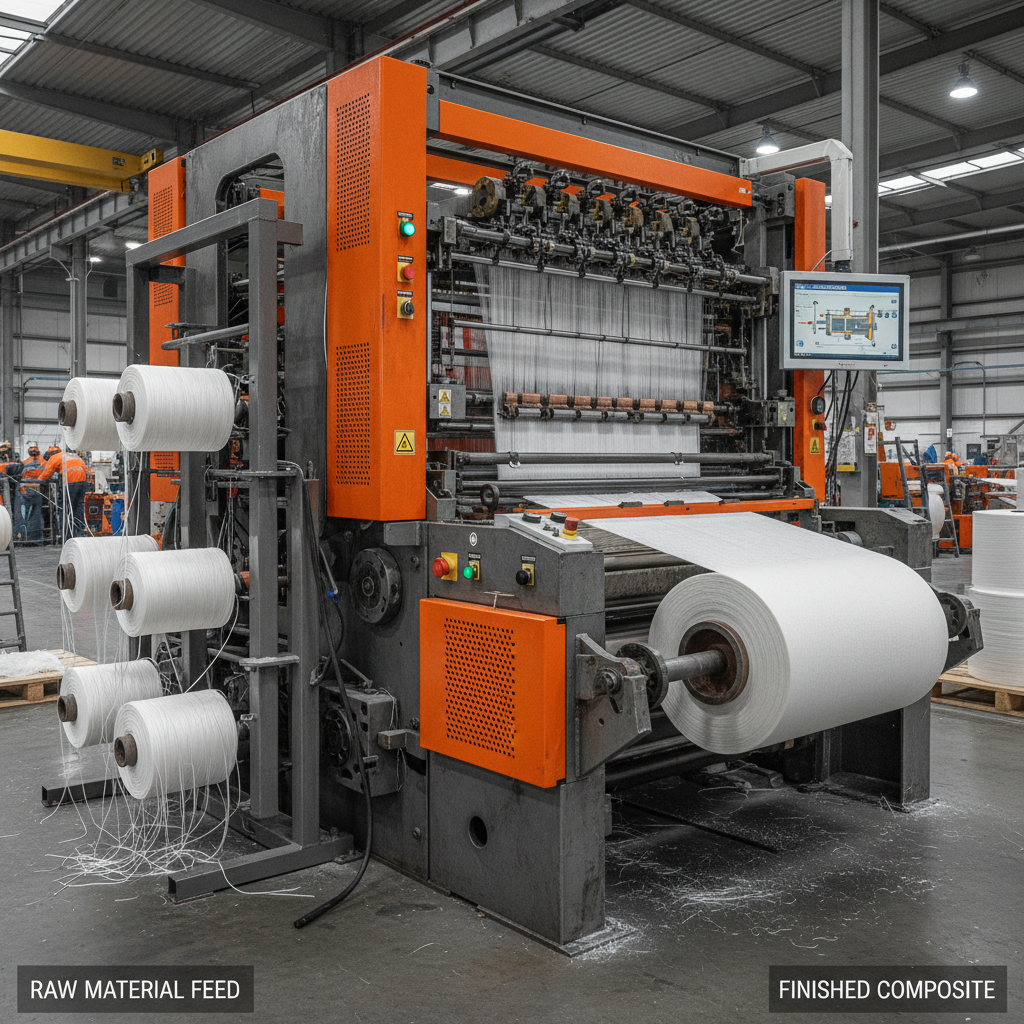
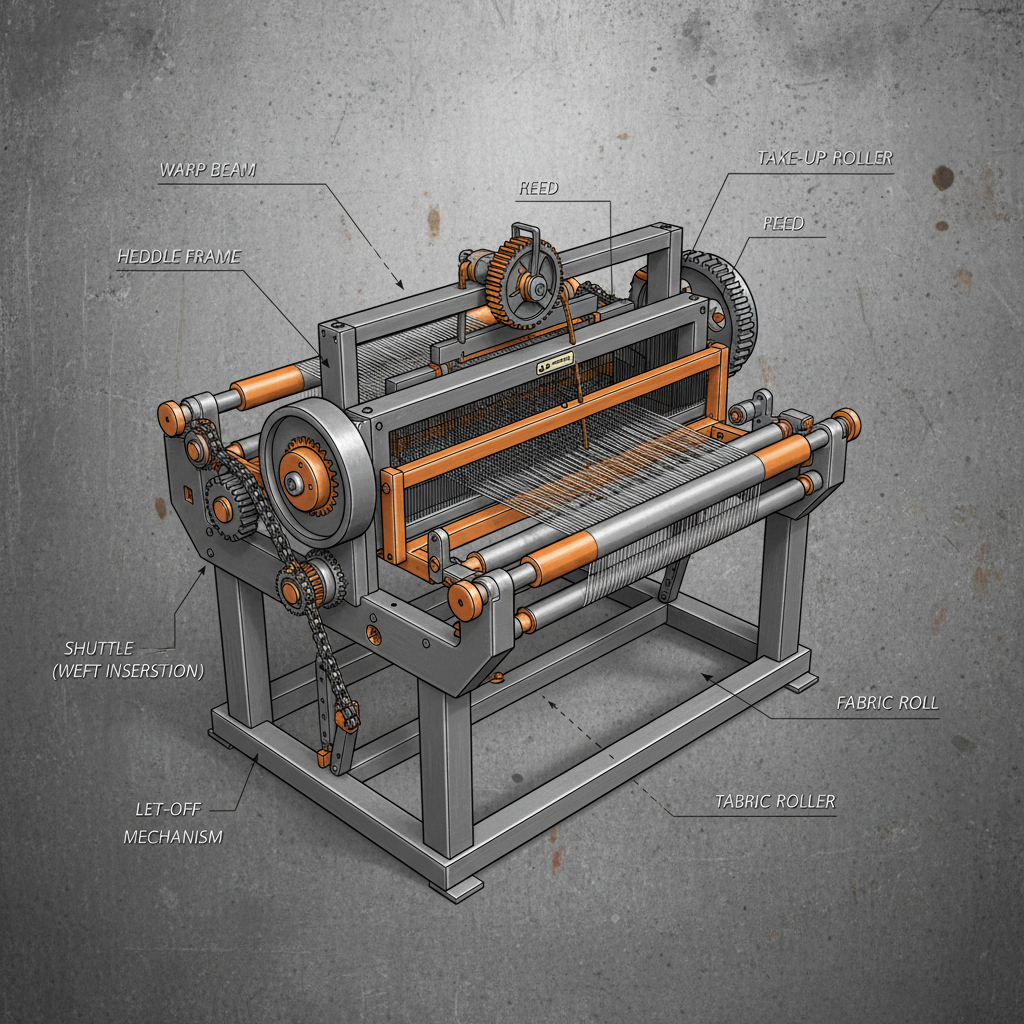
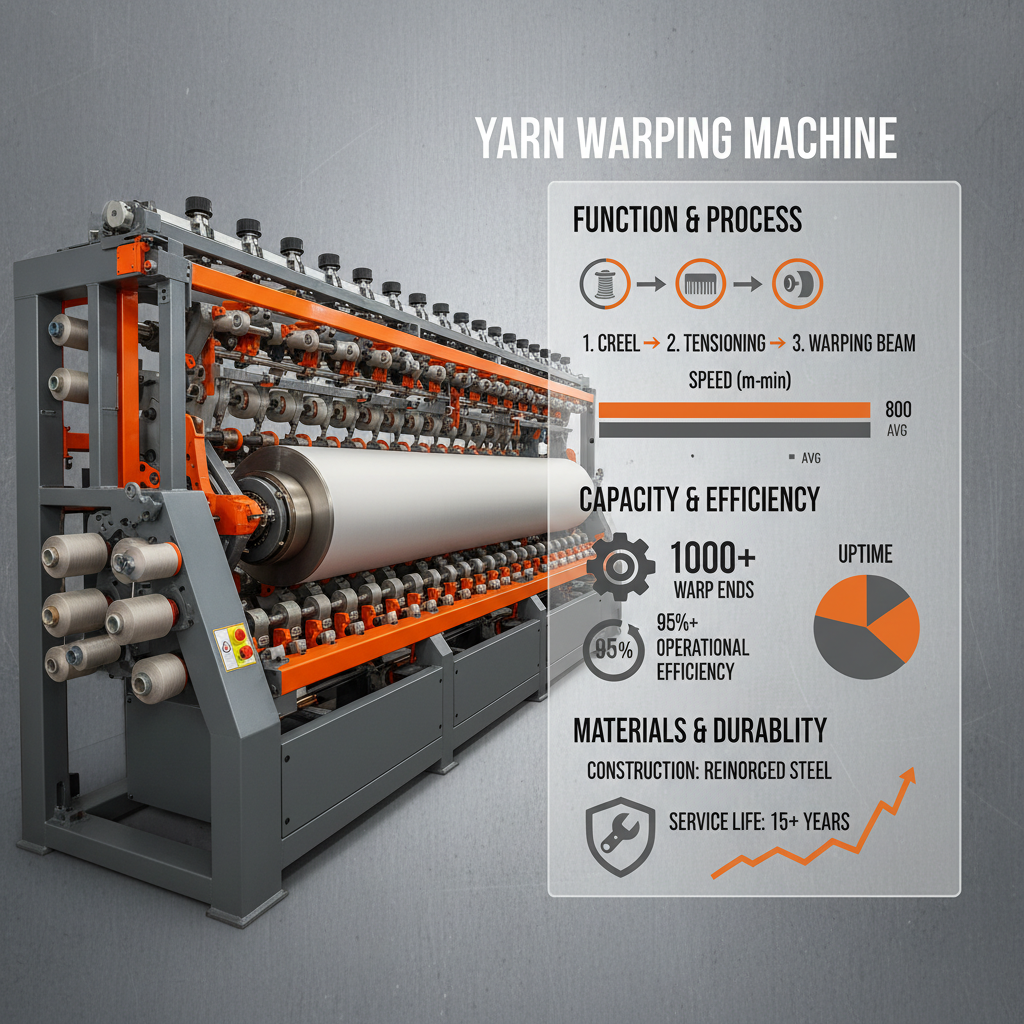
A yarn warping machine is a specialized textile machine used to wind yarn from smaller packages (cones, bobbins) onto a larger package (warp beam). This process, known as warping, prepares the yarn for weaving. The warp beam provides a continuous supply of yarn in a specific order and tension, essential for the weaving process. Without proper warping, weaving would be significantly slower, more prone to errors, and result in lower-quality fabrics. The process creates a parallel arrangement of yarn strands on the beam, crucial for the interlacing action in weaving.
Key Benefit: Efficient warping ensures consistent yarn tension, contributing to the structural integrity and aesthetic appeal of the final woven fabric.
Types of Yarn Warping Machines
There are several types of yarn warping machines, each suited to different applications and production volumes. The most common types include:
- Direct Warping Machines: Suitable for simple warp designs and lower production speeds.
- Sectional Warping Machines: Ideal for creating complex warp designs with multiple colors and patterns, offering higher precision.
- Multi-Beam Warping Machines: Designed for high-volume production, warping multiple beams simultaneously.
- Ball Warping Machines: Used for warping yarns for knitting, creating large balls of yarn.
Yarn Warping Machine Features and Specifications
When evaluating a yarn warping machine, several features and specifications are crucial. These include warping speed, beam capacity, yarn count range, machine width, and automation level. Advanced machines often incorporate features like automatic beam changing, yarn break detection, and tension control systems. These features minimize downtime, reduce waste, and ensure consistent warp quality.
Applications Across the Textile Industry
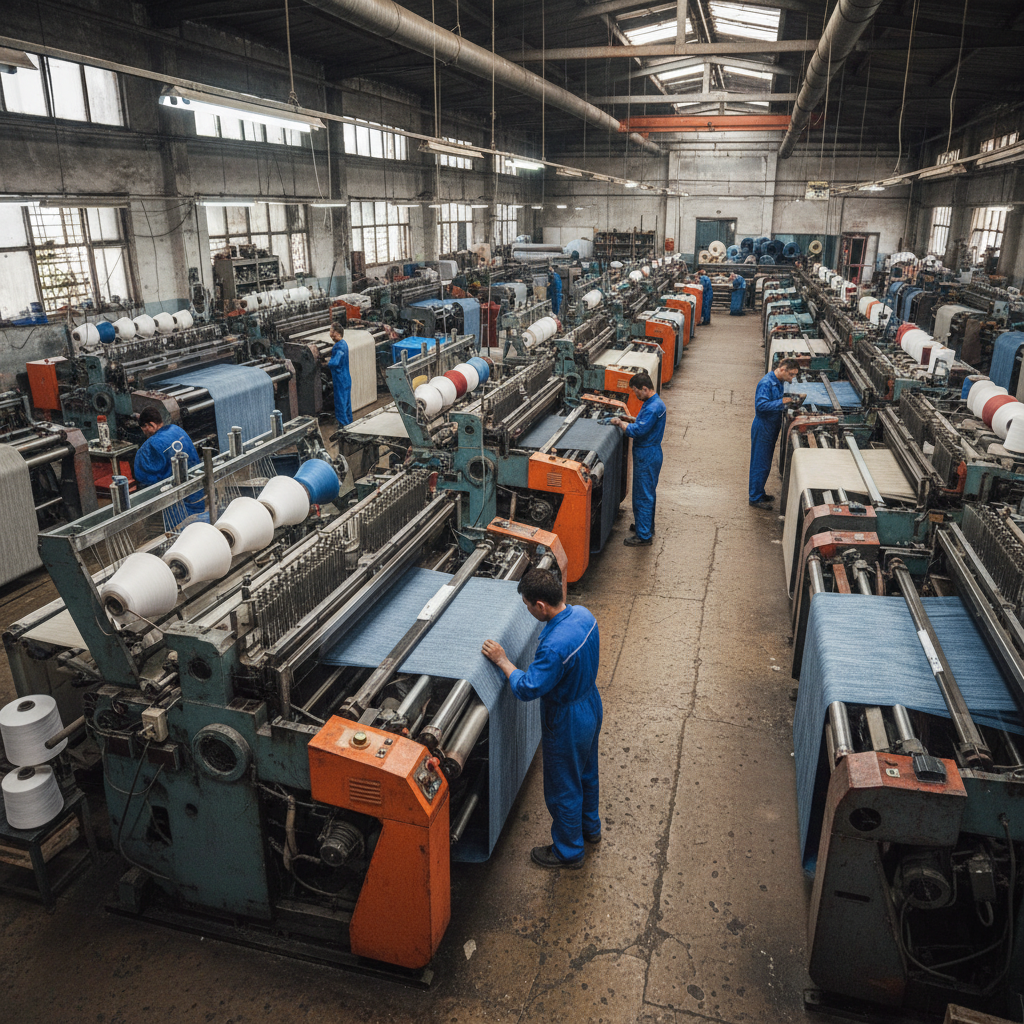
Yarn warping machines are essential for a wide range of textile applications, including denim production, apparel fabrics, home textiles, and industrial fabrics. Different types of yarns – cotton, polyester, nylon, and blends – can be warped using appropriate machines and settings. The machine's capabilities directly impact the quality and efficiency of the subsequent weaving process, ultimately affecting the final product.
Choosing the Right Yarn Warping Machine: Key Considerations
Selecting the optimal yarn warping machine requires careful consideration of production needs, yarn types, and budget. Factors to evaluate include production volume, the complexity of warp designs, automation requirements, and the availability of technical support and spare parts. Investing in a reliable and well-maintained machine from a reputable manufacturer, like HK Mesh Machine, will ensure long-term efficiency and profitability.
Conclusion: Optimizing Textile Production with Advanced Warping Technology
The yarn warping machine is a cornerstone of modern textile manufacturing. By understanding the different types, features, and applications, manufacturers can make informed decisions that optimize production efficiency, reduce costs, and enhance the quality of their woven fabrics. Investing in the right technology is an investment in the future of your textile business.
Frequently Asked Questions (FAQs)
What maintenance is required for a yarn warping machine?
Regular maintenance is critical for ensuring the longevity and optimal performance of a yarn warping machine. This includes daily cleaning to remove dust and debris, lubrication of moving parts, inspection of belts and bearings for wear, and regular checks of the tension control system. Periodic professional servicing by a qualified technician is also recommended to address more complex issues. Neglecting maintenance can lead to breakdowns, reduced efficiency, and compromised warp quality. Refer to the machine's manual for specific maintenance schedules and procedures.
What types of yarn can be warped on these machines?
Most modern yarn warping machines are versatile and can handle a wide range of yarn types, including cotton, polyester, nylon, acrylic, viscose, and blends. However, the specific machine capabilities and settings may need to be adjusted depending on the yarn's characteristics, such as its count, strength, and elasticity. It’s crucial to consult the machine's manual and follow the manufacturer's recommendations for optimal warping of different yarn types.
How does automation improve warping efficiency?
Automation features, such as automatic beam changing, yarn break detection, and tension control, significantly enhance warping efficiency. Automatic beam changing reduces downtime by allowing for continuous production without manual intervention. Yarn break detection instantly stops the machine when a yarn breaks, preventing defects in the warp. Automated tension control maintains consistent yarn tension, leading to higher-quality warps. These features minimize waste, reduce labor costs, and increase overall productivity.
What safety measures should be taken when operating a yarn warping machine?
Safety is paramount when operating a yarn warping machine. Operators should always wear appropriate personal protective equipment (PPE), including safety glasses, ear protection, and appropriate clothing. It’s crucial to follow all safety guidelines outlined in the machine's manual, including keeping hands and clothing away from moving parts, and never attempting to repair the machine while it's running. Regular safety inspections and training are essential for preventing accidents.